


We may earn a commission when you buy through links on this page, at no extra cost to you. Learn more.
A carricante food pairing works best with seafood, raw fish, shellfish, and bright Sicilian dishes that echo the wine’s high acidity, citrus notes, and saline finish. This Etna white also works with fried foods, fresh cheeses, vegetables, and selected poultry dishes. Start with lemon, herbs, olive oil, and moderate seasoning, then adjust for the wine’s body and age.
Carricante is a white grape closely associated with Mount Etna in eastern Sicily. Its wines are usually dry, vivid, and savory rather than plush or overtly fruity, so the best meal partners bring freshness, salt, and clean flavors to the plate. You do not need elaborate recipes: grilled fish with lemon, spaghetti with clams, or fried sardines can make a persuasive match.
What Carricante Tastes Like and Why It Works at the Table
Carricante’s high acidity and mineral, often saline character make it especially suited to seafood and foods with citrus or herbs. On Etna’s eastern slopes, the grape develops a lively profile that can bring lemon, green apple, white flowers, and a distinctly stony impression to the glass. The Wine Society describes Etna vineyards ranging from about 400 meters to more than 1,000 meters above sea level; it notes that cooler, north-facing sites tend to preserve more acidity, while warmer aspects can give riper fruit.

Wine Folly describes Carricante as dry, saline, and flinty, with citrus, crunchy green apple, orange blossom, and just-ripe peach among its typical aromas. Those notes explain why a squeeze of lemon on fish feels so natural beside the wine: the citrus seasoning echoes its fruit, while the acidity refreshes the palate between bites. The wine’s savory finish also makes it comfortable beside briny shellfish, olives, capers, and simply prepared vegetables.
Acidity is the most useful pairing clue. It gives Carricante enough freshness to handle olive oil, fried coatings, and lightly creamy sauces, all of which can make a softer white wine feel flat. Salt can make the wine seem rounder and bring its fruit into focus, so anchovies, salted capers, and naturally briny seafood are helpful ingredients rather than obstacles.
The wine’s mineral character should not be treated as a literal flavor of volcanic rock. Think instead of a clean, firm impression that can feel stony, smoky, or salty alongside the fruit. Strong sweetness, heavy smoke, and very sweet glazes can make that precision less appealing, so use sweet sauces sparingly and keep the main flavors clear. This is also why a dish with a short ingredient list is often more successful than a complicated sauce: the wine’s fine citrus and floral details remain easy to recognize, and the food still has enough flavor to hold its place at the table.
Seafood and Raw Fish Are the First Choices
Raw fish, oysters, shellfish, and simply grilled fish are the most reliable starting points for Carricante. Its taut acidity and saline edge complement the freshness of the sea without overwhelming delicate textures.
For raw preparations, choose sea bass crudo, tuna tartare, scallop carpaccio, or sashimi with restrained garnishes. Decanter’s discussion of Carricante specifically points to raw fish dishes such as carpaccio and sashimi, noting the grape’s linear, high-acid profile. A little lemon zest, fine olive oil, sea salt, or a few capers is usually enough; a heavy chili oil or sugary dressing can cover the fish and make the wine seem sharper.
Oysters, clams, mussels, prawns, and shrimp are equally natural partners. Serve oysters plain or with a small amount of lemon, or pair steamed mussels with garlic, parsley, and white wine. For pasta, spaghetti alle vongole, linguine with shrimp, and seafood risotto suit Carricante because their briny flavors and light sauces match the wine’s freshness. Keep cream moderate, especially with a younger, leaner bottle.
Grilled or baked fish gives you more room to add flavor. Sea bass, bream, cod, halibut, salmon, and swordfish can all work when dressed with lemon, fennel, oregano, parsley, or olive oil. A thick swordfish steak can take a little char and a tomato-free herb salsa, while a delicate white fish benefits from gentler heat and a light citrus dressing. Richer fish such as salmon can suit a more textured Carricante, particularly when grilled and finished with lemon; keep cream sauces measured so the wine’s freshness remains clear.
Sicilian Flavors That Echo the Wine
Carricante’s home on Sicily’s Mount Etna makes island cooking a natural reference point. Lemon, anchovy, capers, fennel, parsley, oregano, and olive oil create the salty, herbal, citrus-led combinations that suit the wine.
Try pasta with anchovies and toasted breadcrumbs, sardines with fennel, or grilled calamari with lemon and parsley. The anchovy’s salt and savory depth give the wine’s mineral side something to meet, while citrus and herbs keep the dish lifted. Pasta con le sarde can work in a lighter preparation, especially when the sweetness of raisins and the richness of the sauce are restrained; versions that are very sweet or heavily spiced can make a dry Carricante feel severe.
Fried Sicilian foods are worth considering because Carricante’s acidity can refresh the palate after crisp, oily bites. Wine Folly highlights herbed, breaded stuffed sardines, cheese-filled arancine, and eggplant cutlets as regional matches. Panelle, fried zucchini, calamari, and small fish fritters also make sense when served hot with lemon rather than with a sweet dipping sauce. The contrast between a crisp crust and a brisk white wine is satisfying, while a salty finish helps keep each bite lively.
For vegetables, look toward caponata with modest sweetness, grilled eggplant, roasted peppers, artichokes, fennel, and zucchini. Caponata varies by cook, and some versions include a pronounced sweet-and-sour balance from sugar or raisins. Choose a less sweet preparation, or serve Carricante with grilled eggplant and herbs instead. A little char is welcome, but heavy smoke and molasses-like glazes can dominate the wine’s fine citrus and floral notes.
Vegetables, Pasta, Cheese, and Poultry
Carricante is not limited to fish: it can match vegetable dishes, lighter pasta, fresh cheeses, mushrooms, and simply roasted poultry. The key is to keep the seasoning lively and the dish’s weight close to the wine’s light-to-medium frame.
For vegetables, serve asparagus with lemon, white beans with sage, artichokes with parsley, or roasted cauliflower with capers. A plate of grilled seasonal vegetables dressed with olive oil and herbs is an easy companion, especially when it includes fennel or zucchini. Rich vegetable dishes can work too, but avoid covering them in sweet reductions or very heavy cheese sauces. The wine’s acidity should refresh each mouthful rather than fight an excess of richness. A warm salad of lentils, herbs, and roasted peppers is another practical side, particularly when the dressing leans on lemon rather than vinegar or sugar.
Choose pasta with clams, lemon, herbs, spring vegetables, or a restrained butter sauce. A little butter can add roundness, while lemon zest and parsley preserve freshness. Pasta with porcini mushrooms is another useful option. CVA Canicattì’s producer profile for an Etna Bianco made from 80% Carricante and 20% Catarratto places the vineyards in Zafferana Etnea at 600–700 meters and describes six months of stainless-steel aging followed by two months in bottle. Its recommended matches include seafood, shellfish, vegetarian first courses, and porcini mushrooms. Risotto with mushrooms, squash, or herbs can work when the texture stays supple rather than dense and cheese-heavy.
Fresh cheeses are safer choices than very aged, pungent ones. Try ricotta, mozzarella, young pecorino, or a mild goat cheese with fennel, olives, or grilled vegetables. Roast chicken with lemon, thyme, and pan juices can suit a fuller Carricante, as can turkey with herbs or a light chicken-and-mushroom pasta. Avoid rich barbecue sauces and strongly sweet glazes; their sweetness can make a dry, acidic wine taste harder. For more red-wine-oriented meals, compare the softer structure of blaufrankisch food pairing or the firmer fruit-and-tannin profile discussed in carignan food pairing.
Pairing Carricante by Wine Style and Age
Most Carricante is dry and refreshing, but texture and intensity can vary with the vineyard, blend, and winemaking. Match a lean, citrus-driven bottle with delicate seafood, and give a more textured or mature example dishes with greater flavor depth.
Etna Bianco is defined by its grape blend, not by one identical flavor profile. The Etna DOC rules require at least 60% Carricante for Etna Bianco, while Etna Bianco Superiore requires at least 80% and is reserved for grapes grown in the delimited area of Milo. The Consorzio Etna DOC outlines these composition rules and describes Carricante’s citrus-flower and white-fruit character. Some producers bottle the grape on its own; others blend it with Catarratto or other permitted white grapes, which can change the body and aromatic emphasis.
A young, unoaked Carricante often shows the most direct citrus, green-apple, floral, and salty notes. It is a natural fit for oysters, raw fish, grilled prawns, lemony pasta, and fresh cheeses. A wine with more lees contact or a rounder texture can stand beside scallops with butter, mushroom risotto, or roast chicken. Do not assume that every bottle has seen oak or extended lees aging; those details depend on the producer and wine.
Age can bring a change in aroma and texture. Wine Folly notes that mature examples may move toward yellow apple and peach, with petrol-like or kerosene-like notes, while retaining a recognizable freshness. Such a bottle may be more comfortable with richer seafood, baked fish with a little butter, mushroom dishes, or roast poultry than a very delicate raw preparation. Choose the dish to match the wine in front of you: the vintage alone does not tell you how broad or intense a particular bottle will feel.
Serving Temperature and Planning a Carricante Menu
Serve Carricante cool enough to preserve its citrus lift, but not so cold that its aroma disappears. For most light-to-medium examples, begin at 45–50°F, then let the wine warm slightly in the glass if it seems too restrained.
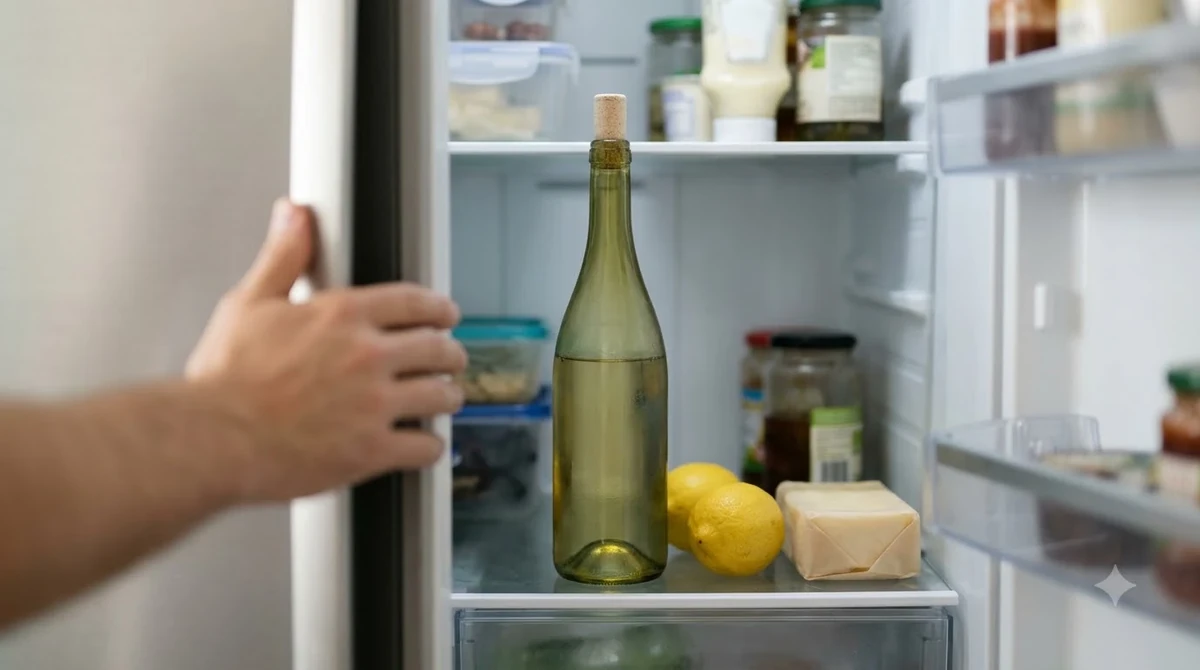
As a practical guide, a 750 ml bottle gives about five standard 5-ounce pours. Chill the bottle in the refrigerator before dinner and take it out shortly before serving; if it is too cold, a few minutes in the glass will reveal more aroma. A richer or more textured bottle can be served closer to 50–55°F, while a bright, lean example is usually most expressive nearer 45–50°F. Use modest pours so the wine has room to open and guests can revisit it as the food changes.
| Dish | Best Carricante style | Serving cue |
|---|---|---|
| Oysters, crudo, or sashimi | Young, lean, citrus-led | 45–50°F; pour about 5 oz |
| Grilled prawns or sea bass | Dry, mineral, lightly textured | 45–50°F; add lemon and herbs |
| Fried sardines or calamari | Fresh, high-acid, saline | 45–50°F; serve with lemon |
| Clam pasta or seafood risotto | Medium-bodied or lees-textured | 45–50°F; keep the sauce light |
| Porcini risotto or roast chicken | Broader, more mature example | 50–55°F; use herbs, not sweet glaze |
For a dinner built around one bottle, move from delicate to more flavorful dishes: begin with oysters or a small plate of anchovies, continue with grilled fish or shellfish pasta, and finish with young pecorino or ricotta and herbs. If the main course is a richer mushroom risotto or roast chicken, select a bottle with more texture rather than the most austere, sharply citrus-driven style. A small amount of lemon at the table can help connect the wine to several courses without forcing every dish to taste alike. When planning more than one wine, pour Carricante before a fuller white or a red with noticeable tannin, and keep strong vinegar dressings away from the early courses so the wine does not seem dull beside them.
Tip: Keep a lemon wedge, good olive oil, and fresh parsley on the table. They can bring a simple fish or vegetable dish into Carricante’s flavor range without adding a complicated sauce.
Carricante is best when the food respects its balance of freshness, savory character, and moderate body. For comparison across white, red, and other styles, the broader Wine by Type overview can help clarify how acidity, tannin, and body influence a menu. You can also compare the herb-and-citrus possibilities of grenache blanc food pairing when planning a white-wine flight.
Frequently Asked Questions
What does the name Carricante mean?
The Consorzio Etna DOC traces the name to the Sicilian expression “u carricanti,” referring to the grape’s abundant production. The image behind the name is of vines producing enough fruit to fill wagons.
What does “contrada” mean on an Etna wine label?
A contrada is a named vineyard district with its own local identity. Etna DOC labeling rules allow qualifying wines to carry additional geographical indications that identify the area or contrada where the grapes were grown.
How do you pronounce Carricante?
A useful English approximation is “kair-eh-KAHN-tay.” The final syllable is pronounced clearly, rather than being reduced to a short “tee” sound.
When is Carricante harvested?
The Consorzio Etna DOC places the typical harvest between the end of September and the beginning of October. The exact picking date can shift with the season, vineyard elevation, and the ripeness a producer wants.
What causes the petrol-like aroma in some older Carricante?
One compound associated with this aroma is TDN, short for 1,1,6-trimethyl-1,2-dihydronaphthalene. It can become more noticeable as certain aromatic white wines mature, and it is also discussed in connection with Riesling.
For the surest match, begin with oysters, raw fish, grilled seafood, or a lemon-and-herb Sicilian dish. Then let the bottle’s texture guide the next course: Carricante’s freshness can make a simple meal feel complete, while a more layered example can accompany a broader range of vegetables, mushrooms, cheeses, and poultry.
More in Wine Types & Grapes
 What Does Ruby Port Taste Like? Flavor Notes, Styles, and Serving TipsUpdated Nov 21, 2026
 What Does Ribolla Gialla Taste Like? Crisp White and Amber Styles ExplainedUpdated Nov 21, 2026
 What Does Semillon Taste Like? Flavor Profile, Styles & PairingsUpdated Nov 21, 2026
 What Does Scuppernong Taste Like? Flavor, Styles, and Pairing GuideUpdated Nov 21, 2026
 What Does Saperavi Taste Like? Flavors, Styles, and Pairing GuideUpdated Nov 21, 2026
 What Does Natural Wine Taste Like? Flavors, Styles, and Serving TipsUpdated Nov 21, 2026