

We may earn a commission when you buy through links on this page, at no extra cost to you. Learn more.
The best white wine with pasta depends mostly on the sauce. Light, crisp whites with bright acidity, such as Pinot Grigio, suit oil, garlic, herb, and seafood sauces. Richer whites with more body, such as oaked Chardonnay, can stand up to butter and cream sauces. In every case the wine should be served cold and should have enough acidity to keep the plate from tasting heavy.
Pasta is one of the most common dinners in American homes, and it is also one of the easiest dishes to pair with wine. The noodles themselves are neutral, so the sauce, the cheese, and any seafood or vegetables on top do most of the work. This guide explains which white wines fit which kinds of pasta, why acidity matters so much, and how to serve the wine so it complements the meal instead of fighting it.
What makes a white wine work with pasta
A good white wine for pasta needs enough acidity to cut through fat and salt. Acidity is the sharp, mouth-watering quality in a wine. When a sauce is rich with olive oil, butter, or cheese, a wine with lively acidity cleans the palate after each bite and keeps the next forkful tasting fresh. A flat, soft white tends to disappear next to a bowl of pasta.
Body also matters. A light-bodied wine with a dry finish usually feels right with a simple dish of olive oil, garlic, and herbs. A medium or fuller white is a better match for baked pasta with melted cheese or a creamy sauce, because the wine has enough weight to hold its own. Oak is a separate question. Wines aged in oak carry flavors of vanilla, toast, and cream, which can work well with a buttery sauce but clash with a light, herbal one.
Sweetness is the last factor. Most white wines served with savory pasta are dry. A wine with noticeable sugar can make a salty or tomato-heavy sauce taste sharper and less balanced, so start with dry styles unless the dish has a sweet element such as roasted squash or caramelized onion.
Matching the sauce to the white wine
Most home cooks can sort pasta into four sauce families: oil and herb, tomato, cream and butter, and seafood. Each family pulls the wine choice in a different direction, so it helps to decide on the sauce first and the bottle second. The table below is a practical starting point, not a strict rule.
| Pasta style | White wine style to try | Why it works |
|---|---|---|
| Olive oil, garlic, and herbs | Light, dry Pinot Grigio or other crisp Italian white | Bright acidity matches the oil and keeps the flavors clean |
| Lemon and seafood | Dry, zesty white with citrus notes | Acidity echoes the lemon and lifts the fish |
| Cream or butter | Fuller Chardonnay, often with some oak | Enough body to match the richness of the sauce |
| Fresh herb sauce | Sauvignon Blanc | Herbal and green notes complement the herbs |
| Tomato-based sauce | Usually a light red is the better match | Tomato acidity and sweetness tend to overpower most whites |
Tomato sauce is the hardest case for white wine. VinePair’s pairing guide points to Chianti, a red, as the classic partner for tomato-based pasta sauces. A white can still work with a light, herb-forward tomato sauce that has little or no meat, but a bolder tomato sauce usually calls for red.
Tip: If the sauce is hard to categorize, match the wine to the most acidic ingredient on the plate. Lemon, vinegar, or a tomato base points toward more acidity in the glass.
Pinot Grigio and other light Italian whites
Pinot Grigio is the default white for many pasta dinners, and for good reason. Wine Folly’s Pinot Grigio guide describes Italian Pinot Grigio as usually totally dry, with brilliant acidity and a bitter almond note. That combination is well suited to simple pasta dishes where the sauce is built on olive oil, garlic, and a little lemon.
The same guide notes that Pinot Gris, the French name for the same grape, works with seafood, salads, and mild cheeses. Its advice on pasta is limited: Wine Folly mentions pasta only in connection with rosé, which it says pairs nicely with light pasta. For a white, the safest choice is still a light, dry style with clear acidity, so the wine does not overwhelm a delicate sauce. Other light Italian whites from regions along the Adriatic coast often follow the same pattern and are worth trying alongside Pinot Grigio.
When you shop, look for descriptions such as crisp, dry, or refreshing. Those words usually signal enough acidity for pasta. Wines labeled as soft or round are often better for sipping than for pairing with a sauce.
Richer whites for cream and butter sauces
Cream and butter sauces need a white wine with more presence. VinePair’s guide pairs Chardonnay with seafood in a butter sauce, which shows why a fuller white can handle a rich pasta dish. The wine’s weight and texture match the sauce, and its acidity still keeps the dish from feeling greasy.
If you prefer a lighter white, a Sauvignon Blanc can work with a herb-forward dish. VinePair suggests Sauvignon Blanc with chicken or fish served with herb sauces, and the herbal notes in the wine line up with the herbs in the dish. For a more detailed look at how alcohol and body vary across white styles, see our guide to chardonnay alcohol content.
Oaked Chardonnay is the most common choice for richer pasta, but it is not the only option. Some producers make unoaked styles that are crisper and easier to match with lemony seafood pasta. Read the tasting notes before you buy: words such as buttery or toasty point toward oak, while words such as steely or citrusy point toward a leaner wine.
Serving temperature and glassware
Temperature changes how a white wine tastes. Wine Folly advises serving Pinot Gris chilled, no matter the style, with a listed serving range of 45 to 55 degrees Fahrenheit, or 7 to 12 degrees Celsius. Fuller or skin-contact styles can be served slightly warmer, since a little more warmth can bring out their complexity. Cold wine keeps the acidity lively, which is what you want alongside pasta.
Glassware matters less than temperature, but a medium-sized white wine glass with a narrower bowl helps keep the aromas focused. Avoid pouring a large glass straight from the refrigerator and letting it sit on the table for an hour, because the wine will warm up and lose its freshness. Pour smaller amounts and refill as needed.
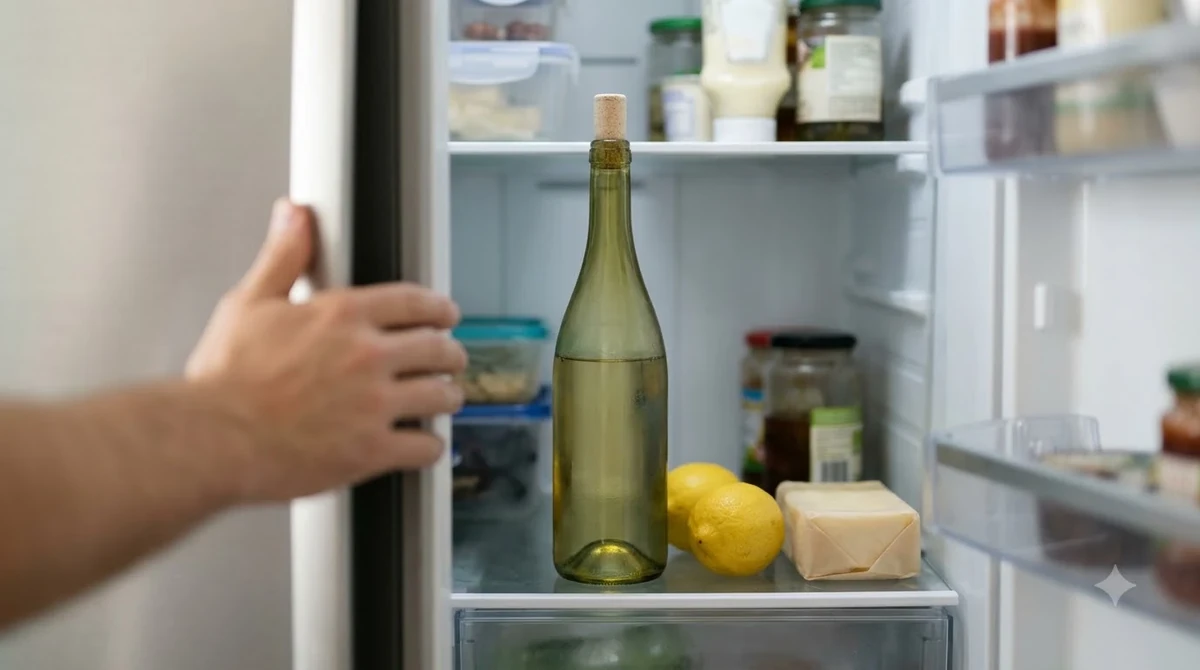
If the bottle is too warm, a short time in an ice bucket or the refrigerator door can bring it back into range. A full-bodied Chardonnay can be served a little warmer than a crisp Pinot Grigio, so adjust based on the style you chose.
Frequently Asked Questions
What is the best white wine with pasta?
There is no single best choice. For olive oil, garlic, or seafood sauces, a dry, crisp Pinot Grigio is a reliable starting point. For cream or butter sauces, a fuller Chardonnay usually works better.
Can you drink white wine with tomato sauce?
Sometimes. A light tomato sauce with herbs and little meat can work with a crisp white. Bolder tomato sauces are usually a better match for red wine, such as Chianti, according to VinePair’s pairing guide.
Should white wine be chilled for pasta?
Yes. Wine Folly recommends serving Pinot Gris chilled, in a range of 45 to 55 degrees Fahrenheit. Cold white wine keeps its acidity sharp, which helps it cut through the richness of a pasta sauce.
Is Pinot Grigio the same as Pinot Gris?
They are the same grape. Wine Folly notes that Pinot Gris is called Pinot Grigio in Italy, and the styles tend to differ by region. Italian Pinot Grigio is usually dry with bright acidity.
Choosing a white wine for pasta comes down to matching acidity and body to the sauce. Start with a crisp Pinot Grigio for oil and seafood dishes, move to a fuller Chardonnay for butter and cream, and keep the bottle cold. If you want to explore a red option for tomato-based dishes, the guide to Brunello di Montalcino grape is a good next step, and the Wine by Type section covers the main styles side by side. Drink responsibly and enjoy the meal.
More in Wine Types & Grapes
 Zinfandel Sugar Content: Dry Red vs. White Zinfandel GramsUpdated Nov 21, 2026
 Best Zinfandel Substitute Options for Sipping and CookingUpdated Nov 21, 2026
 Zweigelt Food Pairing: Best Dishes, Cheeses, and Serving TipsUpdated Nov 21, 2026
 Zinfandel Tannins Explained: How Structure Shapes Every BottleUpdated Nov 21, 2026
 Zinfandel Sweetness Level: Dry Red vs. Sweet White Zin ExplainedUpdated Nov 21, 2026
 Xinomavro Food Pairing: Best Dishes, Styles, and Serving TipsUpdated Nov 21, 2026