

We may earn a commission when you buy through links on this page, at no extra cost to you. Learn more.
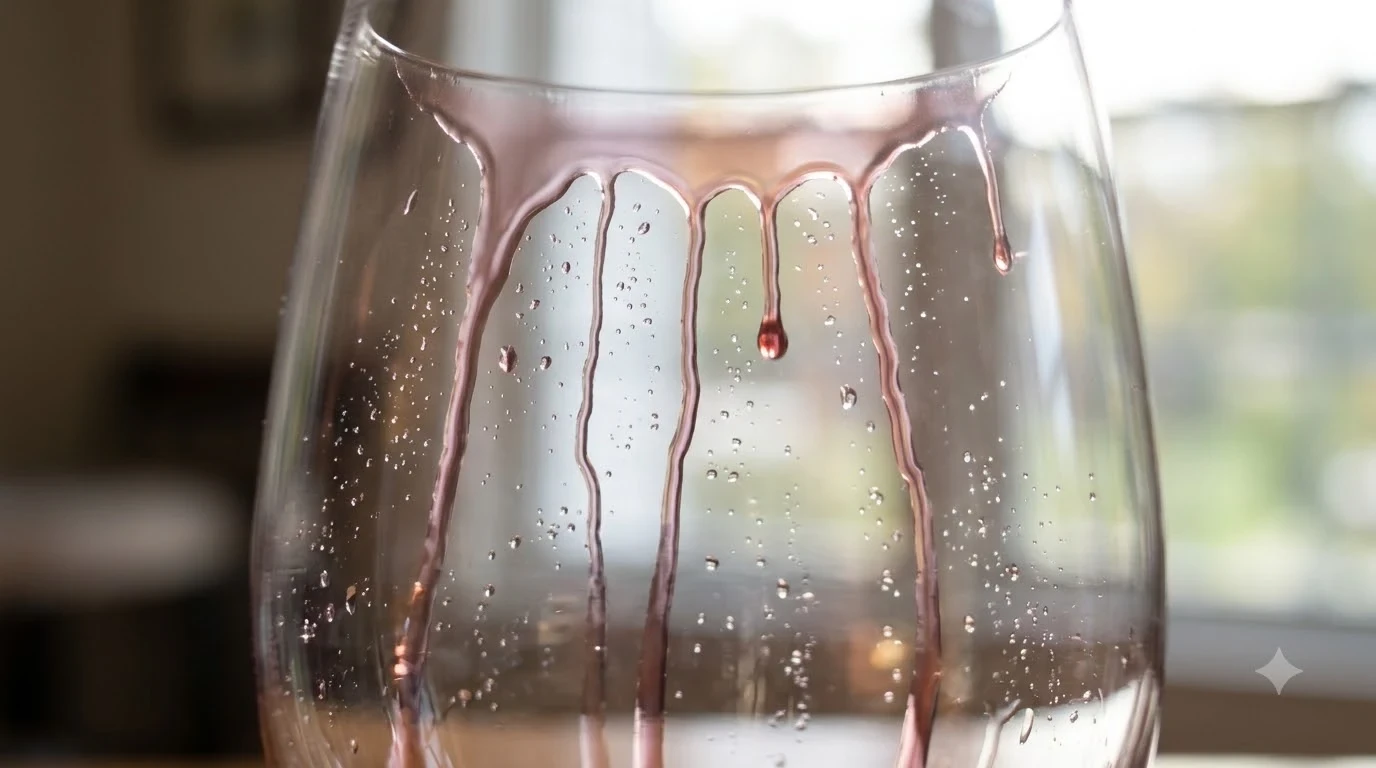
Carmenere color is typically deep ruby red with purple or violet hues, giving this Chilean red wine a rich, dark appearance in the glass. Its saturated color is one of its recognizable visual characteristics, often accompanied by dark berry aromas, pepper, and herbal notes. The exact shade varies with grape ripeness, growing conditions, winemaking, and bottle age.
Carménère is a distinctive red grape with historical roots in Bordeaux and a modern identity closely associated with Chile. Its appearance can help distinguish it from lighter red wines, although color alone cannot establish a grape variety. Understanding its ruby, crimson, and violet tones makes it easier to recognize Carménère and appreciate how its appearance relates to its structure and style.
The Typical Ruby and Violet Appearance of Carménère
Carménère usually displays a deep ruby-red center with violet or purple reflections near the edges. This combination gives the wine a saturated appearance that distinguishes it from lighter reds such as Pinot Noir and many young Grenache wines.
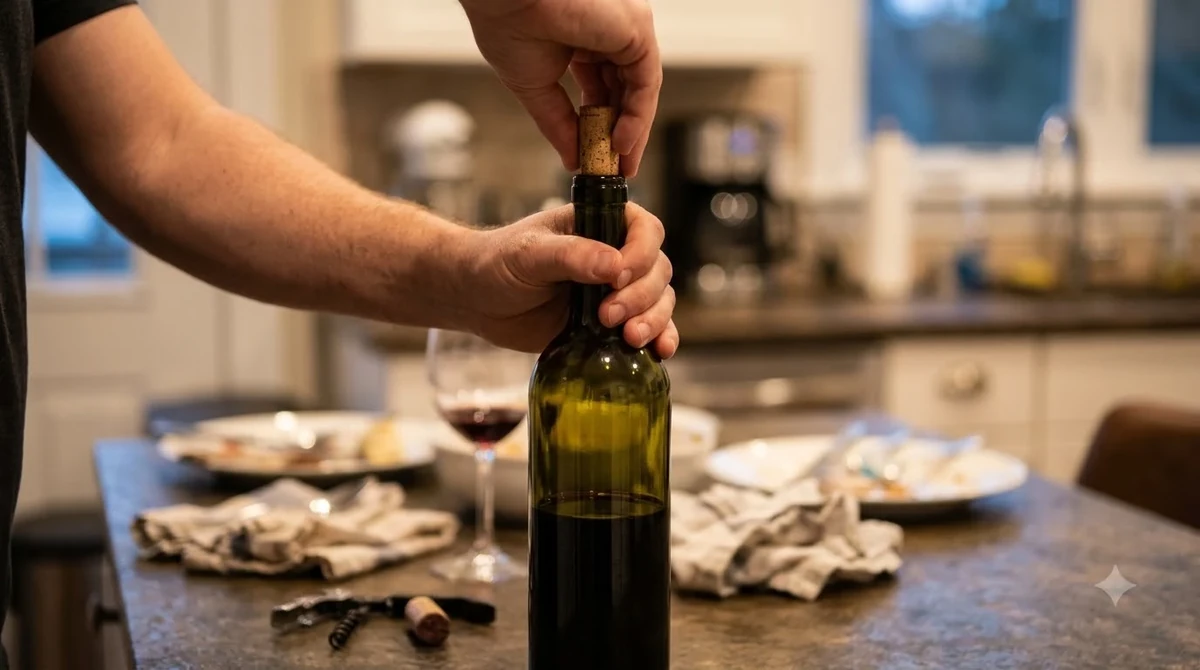
When you pour Carménère into a clear wine glass, look through the widest part of the bowl toward a white background. The center commonly appears dark ruby, sometimes approaching garnet or crimson, while the thinner layer around the edge can reveal purple highlights. Young bottles often show more noticeable violet tones, although this is not a fixed rule for every producer or vintage.
The color can also appear almost opaque when the wine is concentrated. A particularly dark bottle may show a blackish-red center under dim lighting, but this does not mean that the wine is literally black. Bright natural light usually reveals more of its underlying red and violet character.
Wine descriptions frequently use several related terms to communicate this appearance:
- Ruby: A saturated red shade that forms the main visual impression of many Carménère wines.
- Deep ruby: A darker, more concentrated red with relatively little transparency.
- Violet: A purple-blue reflection that is especially noticeable in younger wines.
- Crimson: A rich red tone that can become more apparent as the wine develops.
- Garnet: A warmer red-brown shade that can emerge around the rim with bottle age.
These descriptions are useful tasting vocabulary rather than strict classifications. One producer may describe a wine as deep ruby, while another uses dark red with violet reflections for a similar appearance. Both descriptions can be accurate.
The important distinction is that Carménère is generally a deeply colored red wine. It is not normally pale pink, orange, or translucent cherry red. A bottle showing an unusually light appearance deserves consideration of its production style, age, and storage history rather than an immediate assumption that something is wrong.
Why Carménère Develops Such a Dark Color
The deep appearance of Carménère comes primarily from natural pigments in the grape skins, which are extracted during red-wine fermentation. Skin contact, grape maturity, extraction decisions, and winemaking conditions all influence how intensely red or purple the finished wine appears.
Like other red grape varieties, Carménère contains anthocyanins, a group of pigments responsible for much of red wine’s color. These pigments are concentrated in the skins rather than the clear juice inside the berries. During fermentation, the grape skins remain in contact with the fermenting juice, allowing color compounds to pass into the liquid.
The scientific explanation is particularly interesting for this variety. Research published in the scientific literature identifies substantial concentrations of anthocyanins in Carménère, including malvidin compounds. The study Polyphenols of Carménère Grapes examines the pigments and other phenolic compounds that contribute to the grape’s distinctive composition.
The length and management of skin contact matter. A winemaker seeking a more concentrated red may use extraction techniques that encourage additional pigment and tannin transfer. A gentler approach can create a softer-looking wine with less intense color and a lighter texture.
Several factors contribute to the final appearance:
- Grape maturity: Ripe grapes can produce a fuller fruit profile and a concentrated visual impression. Harvest timing also influences the balance between fruit and green herbal characteristics.
- Skin contact: Longer or more intensive extraction can increase the amount of pigment transferred from grape skins into the wine.
- Vineyard conditions: Sunlight, temperature, water availability, and vineyard management influence grape development.
- Fermentation temperature: Temperature management affects extraction and the preservation of aromatic compounds.
- Winemaking style: A concentrated, structured expression may look darker than a lighter, fruit-focused interpretation.
Color is also affected by the chemistry of the finished wine. Anthocyanins can interact with tannins and other compounds, changing how the pigments appear and how stable they remain during maturation.
This explains why two Carménère bottles can have different shades despite being made from the same grape. A wine from Colchagua Valley might show a particularly deep ruby center, while another Chilean example can have brighter crimson reflections. Both can be representative expressions of the variety.
Oak maturation can influence the wine’s development, but oak barrels do not simply add purple color. Their influence is more closely connected with oxidation, texture, and the evolution of aromatic and structural compounds. The grape skins remain the primary source of the wine’s original red pigment.
How Carménère Color Changes With Age
Young Carménère generally displays brighter ruby and violet tones, while mature bottles can develop garnet, brick-red, and brownish reflections around the rim. This gradual evolution results from chemical reactions involving pigments and other wine components during bottle maturation.
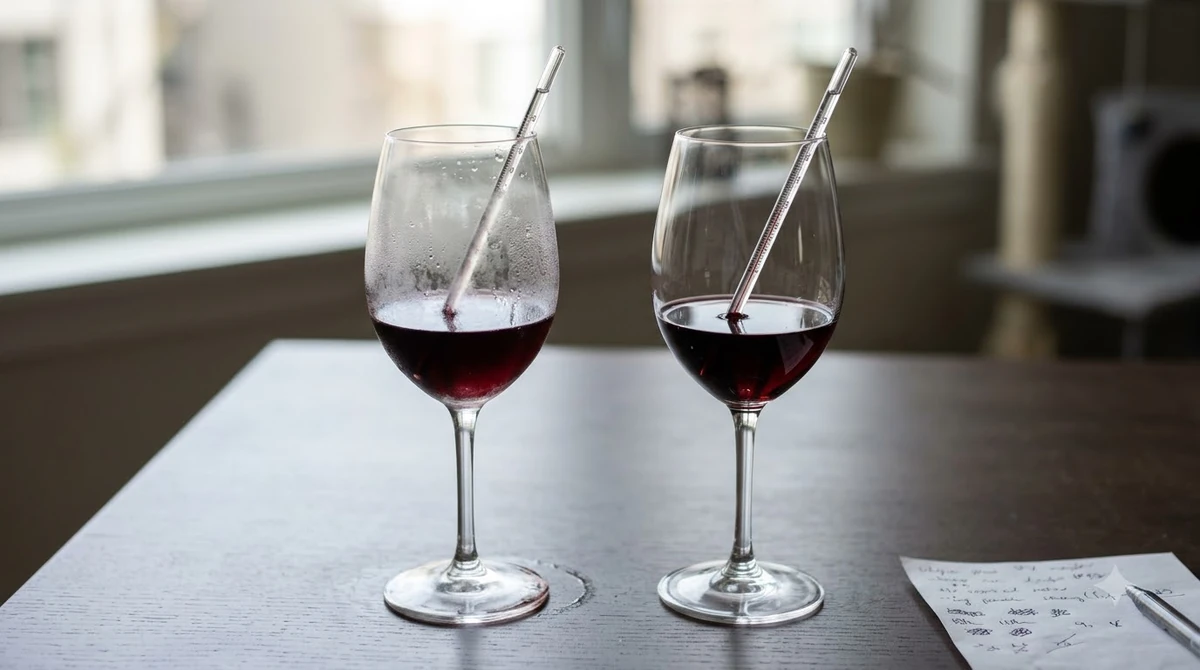
A newly released bottle may have a dark ruby center with a distinctly purple edge. The color often looks fresh and saturated, particularly when the wine is made in a fruit-forward style. As the bottle ages, the original violet reflections can become less prominent and warmer tones may become more noticeable.
Oxidation and pigment polymerization contribute to these changes. Anthocyanins gradually interact with tannins and other compounds, forming more complex pigment structures. Some pigments become less soluble or change their visual characteristics over time.
The following table offers a practical guide to common visual observations. These are descriptive tendencies, not fixed aging deadlines or laboratory color measurements.
| Wine stage | Common appearance | Visual characteristics |
|---|---|---|
| Young, around 0–2 years | Ruby to violet | Bright purple reflections and saturated red center |
| Developing, around 2–5 years | Deep ruby to crimson | Less pronounced violet and warmer red tones |
| Mature, around 5–10 years | Garnet to brick red | More noticeable warm tones around the rim |
| Older, beyond 10 years | Garnet to reddish brown | Potentially lighter intensity and more developed rim color |
The age ranges are illustrative rather than guaranteed. A well-structured Carménère from a concentrated vintage may retain substantial color for several years, while a lighter wine intended for early drinking may evolve more quickly.
Storage conditions are equally important. Bottles should generally be kept on their sides, away from direct sunlight, and near 55 degrees Fahrenheit. Excessive heat and temperature fluctuations can accelerate undesirable aging and cause the wine to lose freshness.
Color changes should always be considered alongside aroma and taste. A garnet rim can be a normal sign of development, whereas an unexpectedly brown and faded appearance accompanied by flat fruit and unpleasant oxidation aromas may suggest that the wine has passed its best drinking stage.
Carménère Color Compared With Other Red and White Wines
Carménère generally looks darker than many lighter-bodied red wines, but it can resemble Merlot, Cabernet Sauvignon, and Malbec. Comparing its color with other varieties is useful, provided you remember that grape variety, extraction, age, and winemaking all influence appearance.
Merlot is one of the closest visual comparisons because both grapes can produce dark ruby-red wines. However, Carménère often displays more noticeable violet reflections and a distinctive herbal character. The difference is not universal, and a concentrated Merlot can easily look darker than a lighter Carménère.
Cabernet Sauvignon frequently has a similarly deep appearance. Its higher tannin structure and dark fruit profile can create a comparable impression, although a blind tasting should rely on aroma, acidity, and texture rather than color alone.
Pinot Noir usually provides a useful contrast. Many examples are more translucent, with cherry-red, ruby, and garnet tones rather than the concentrated purple-red appearance associated with Carménère. For another comparison, see our explanation of Pinot Grigio color, which shows how dramatically wine appearance differs across grape varieties and wine styles.
White wines are generally much lighter because their production usually involves limited contact between the juice and grape skins. For example, Moscato color can range from pale straw to golden yellow depending on its particular style and production method.
The following comparison summarizes typical visual impressions:
| Wine variety | Typical color | Relative visual impression |
|---|---|---|
| Carménère | Deep ruby to violet | Dark and saturated |
| Merlot | Ruby to dark red | Medium-deep to deep |
| Cabernet Sauvignon | Deep ruby to purple | Dark and concentrated |
| Pinot Noir | Ruby to garnet | Often more translucent |
| Malbec | Deep purple to ruby | Dark and intense |
| Syrah | Deep purple to dark ruby | Dark and concentrated |
These descriptions refer to common expressions, not strict visual standards. A young Pinot Noir can have striking color, and an older Carménère may appear lighter than expected. Bottle age and extraction can sometimes have a greater influence on appearance than the grape name itself.
White and sparkling wines offer another interesting contrast. A pale sparkling wine such as Cava typically shows straw or yellow tones, rather than the dark red appearance of Carménère. Our guide to Cava color explains the visual differences between sparkling wine styles.
What Carménère Color Reveals About Its Flavor and Structure
The dark ruby and violet appearance of Carménère can suggest a concentrated red wine, but it does not directly measure sweetness, alcohol, tannin, or flavor intensity. Its visual profile is best understood alongside the grape’s characteristic dark fruit, pepper, and herbal aromas.
Typical Carménère aromas include blackberry, black cherry, plum, and other dark fruits. Depending on ripeness and winemaking, the wine can also show paprika, black pepper, green bell pepper, tobacco, and cocoa. These aromas help explain why the grape has a distinctive identity despite its visual similarities to other Bordeaux varieties.
The herbal element deserves particular attention. Carménère contains methoxypyrazines, aromatic compounds associated with green pepper and vegetal notes. When fruit maturity and winemaking are well balanced, these characteristics can add complexity rather than dominate the wine.
Color and flavor are related indirectly through grape development and extraction. A wine with strong skin extraction may show both deep color and a more substantial structure, but the two characteristics do not always increase together. A deeply colored Carménère can still have approachable tannins and a relatively smooth texture.
Wine Enthusiast describes Carménère as a full-bodied red with softer tannins than Cabernet Sauvignon, even though both can produce wines with considerable weight and dark fruit flavors. The distinction matters because visual intensity should not be mistaken for the firm tannic grip of a powerful Cabernet.
Acidity also contributes to the overall impression. Carménère commonly has moderate acidity, allowing ripe fruit and savory notes to remain prominent without the sharper freshness associated with varieties such as Sauvignon Blanc.
Oak maturation can introduce additional aromas, including vanilla, toast, coffee, and cocoa. These notes can complement the grape’s existing fruit and spice characteristics. However, an oaked wine does not necessarily have a darker color than an unoaked example.
For a broader explanation of how visual appearance fits into wine classification, explore Wine by Type. Understanding the difference between grape variety, wine color, and production method helps prevent common tasting misconceptions.
How to Examine Carménère Color Correctly
The best way to evaluate Carménère color is to use a clear glass, neutral lighting, and a white background. A simple visual examination takes less than a minute and can reveal its depth, transparency, and rim color.
Start by pouring approximately 5 ounces into a clean wine glass. This is a standard serving size and provides enough wine to examine the color without filling the bowl excessively.
Hold the glass at an angle over a white tablecloth, sheet of paper, or other neutral surface. Observe the center first, then examine the thinner layer of wine toward the rim. The center shows the depth of the color, while the rim provides clues about transparency and possible development.
Use the following steps:
- Check the center: Look for deep ruby, crimson, or purple-red tones.
- Examine the rim: Young wine may display violet reflections, while older wine can show garnet or brick-red tones.
- Assess transparency: Notice whether the wine is opaque, moderately translucent, or relatively clear.
- Compare the lighting: View the wine under daylight rather than relying exclusively on warm indoor bulbs.
- Smell after examining: Look for blackberry, plum, pepper, paprika, and herbal aromas that support the visual impression.
- Taste for structure: Consider body, acidity, tannin, and the relationship between fruit and savory flavors.
Lighting can change your perception considerably. Under a warm yellow lamp, ruby wine may appear brownish or orange. Under bright daylight, the same glass can reveal purple highlights and a much clearer red center.
The shape and thickness of the glass also influence visual perception. A wide-bowled glass allows you to examine a larger surface area, while a narrow glass can make the wine look darker because the liquid forms a deeper column.
Temperature is another practical consideration. Carménère is generally best served around 60–65 degrees Fahrenheit as a full-bodied red wine. Serving it slightly cool rather than warm can help preserve freshness and make the wine feel more balanced.
Tip: Place your Carménère glass over a plain white sheet of paper before assessing its color. Examine the center and rim separately, then compare the appearance under daylight. This simple technique makes ruby, violet, and garnet tones much easier to distinguish.
Do not judge a wine’s quality solely by how dark it looks. A highly concentrated appearance is not automatically evidence of superior grapes or more careful winemaking. Balance, aroma, flavor, and finish provide much more useful information.
Serving and Food Pairing for Dark Carménère Wines
Carménère’s deep color often accompanies a medium-to-full-bodied red wine style with dark fruit, moderate tannins, and savory herbal notes. Serving it at the appropriate temperature and pairing it with flavorful food allows these characteristics to work together.
A practical serving temperature is 60–65 degrees Fahrenheit. This range helps retain the wine’s aromatic freshness while allowing its body and texture to remain expressive. If the bottle has been stored in a warm room, a short period in the refrigerator can bring it closer to the ideal temperature.
Young, concentrated Carménère may benefit from 30–60 minutes of decanting. This gives the wine time to open aromatically and can soften the initial impression of a particularly structured example. Lighter, approachable bottles may not require decanting.
Food pairings should complement the grape’s fruit, spice, and herbal characteristics. Good choices include:
- Grilled beef: The protein and savory flavors complement Carménère’s dark fruit and moderate tannins.
- Roast lamb: Rosemary, thyme, and other herbs work particularly well with the wine’s savory character.
- Roasted peppers: Sweet roasted red peppers can complement paprika and pepper aromas in the wine.
- Mushroom dishes: Earthy mushrooms provide a natural partner for tobacco and herbal notes.
- Hard cheeses: Aged cheddar and similar cheeses can soften the perception of tannin through their fat and savory character.
- Tomato-based dishes: Choose a sufficiently ripe, fruit-forward wine to balance the acidity in the sauce.
Very spicy dishes require more care. Chili heat can become more pronounced alongside alcohol and tannin, so heavily spiced meals may make a powerful Carménère feel hotter and less balanced. Milder seasoning and grilled ingredients are usually safer choices.
Delicate white fish and oily fish are generally less suitable than grilled meats or mushroom-based dishes. The wine’s tannins and dark fruit can overpower delicate seafood flavors, while tannic red wines may clash with oily fish.
For serving, use a standard 5-ounce pour in a suitable red wine glass. A 750 ml bottle provides approximately five standard glasses. After opening, refrigerate the remaining wine and aim to consume it within 3–5 days for the best preservation of its fruit and freshness.
Frequently Asked Questions
Is Carménère naturally a dark-colored grape?
Yes. Carménère belongs to the red wine grape family and has pigmented skins that provide the material for its deep-colored wines. Its berries can also develop a distinctive carmine-red appearance, which is associated with the variety’s name.
Can Carménère be used to make rosé wine?
Yes. Carménère grapes can be used for rosé production when the winemaker limits skin contact and separates the juice relatively early. The resulting wine can have a lighter pink or salmon appearance instead of the deep ruby associated with conventional red Carménère.
Does Carménère have the same color as Cabernet Franc?
Not necessarily. Both varieties have historical connections to Bordeaux, but their finished wines can differ considerably depending on the vineyard and winemaking approach. Carménère is commonly associated with dark ruby and violet tones, while Cabernet Franc can produce a broader range of red color intensities.
Does blending Carménère with other grapes change its color?
Yes. Blending can alter the final wine’s color depending on the varieties and their proportions. A blend containing deeply pigmented grapes such as Cabernet Sauvignon or Syrah may have a different visual intensity from a wine made predominantly with Carménère.
Can Carménère grapes produce wine with an orange tint?
They can produce wines with warmer reddish or orange-brown reflections as the wine matures. Extended aging and changes in anthocyanin pigments contribute to this evolution. A slight orange tint around the rim is different from an entirely orange-colored wine.
Carménère is best recognized by its characteristic combination of deep ruby color, violet highlights, dark fruit, and savory herbal aromas. Although its appearance varies with age and winemaking, its rich red profile remains one of the distinctive features of this Chilean specialty. Examine the wine under natural light, then consider its aroma and structure to build a more complete picture of what is in your glass.
More in Wine Types & Grapes
 What Does Ruby Port Taste Like? Flavor Notes, Styles, and Serving TipsUpdated Nov 21, 2026
 What Does Ribolla Gialla Taste Like? Crisp White and Amber Styles ExplainedUpdated Nov 21, 2026
 What Does Semillon Taste Like? Flavor Profile, Styles & PairingsUpdated Nov 21, 2026
 What Does Scuppernong Taste Like? Flavor, Styles, and Pairing GuideUpdated Nov 21, 2026
 What Does Saperavi Taste Like? Flavors, Styles, and Pairing GuideUpdated Nov 21, 2026
 What Does Natural Wine Taste Like? Flavors, Styles, and Serving TipsUpdated Nov 21, 2026