

We may earn a commission when you buy through links on this page, at no extra cost to you. Learn more.
The amarone sugar content is typically about 5 to 7 grams of residual sugar per liter, so Amarone della Valpolicella usually tastes dry rather than sweet. Its raisin, prune, and cherry flavors come from dried grapes, while most of the grape sugar ferments into alcohol. The wine is powerful and full-bodied, but its ripe fruit character should not be mistaken for dessert-wine sweetness. Appellation rules also set a specific sugar ceiling that rises with alcohol level.
Amarone is one of the best examples of how aroma, texture, and measured sugar can tell different stories. The grapes are dried before fermentation, concentrating their juice and creating a dense profile, but the finished wine is made in a dry style. Understanding the difference helps with choosing a bottle, reading its technical details, and deciding what to serve alongside it.
Amarone Sugar Content and Typical Residual Sugar
Most Amarone contains around 5 to 7 grams of residual sugar per liter, a range Decanter identifies as common for the style. That is a small amount in a full-bodied red, and a standard 5-ounce pour contains roughly 0.7 to 1 gram of sugar at those levels.
Residual sugar, often shortened to RS, means the glucose and fructose left in a wine after fermentation. It is measured in grams per liter (g/L), not by how fruity or sweet the wine smells. A wine can carry aromas of raisins, baked cherries, or dried plums and still have very little sugar remaining. Those aromas reflect concentrated grape compounds and fermentation, not a spoonful of sweetness left in the glass.
For an easy point of reference, 5 g/L means 5 grams in a full liter, not 5 grams in a glass. A 750-milliliter bottle at 6 g/L contains about 4.5 grams of residual sugar in total; split into five 5-ounce servings, that works out to about 0.9 gram per serving. The amount is modest even though the wine can feel broad, warm, and richly textured.
Individual Amarone bottlings vary. Fermentation choices, alcohol level, and the producer’s preferred style all play a part, so the 5-to-7 g/L figure is a useful expectation rather than a promise for every bottle. The appellation regulations allow a higher maximum at higher alcohol levels, but that legal allowance does not mean a typical Amarone is sweet.
Why Appassimento Does Not Automatically Mean Sweet Wine
Appassimento is the drying of harvested grapes before they are pressed and fermented. In Valpolicella, this process concentrates sugar, acidity, and flavor in the berries; it does not determine how much sugar will remain in the finished wine.
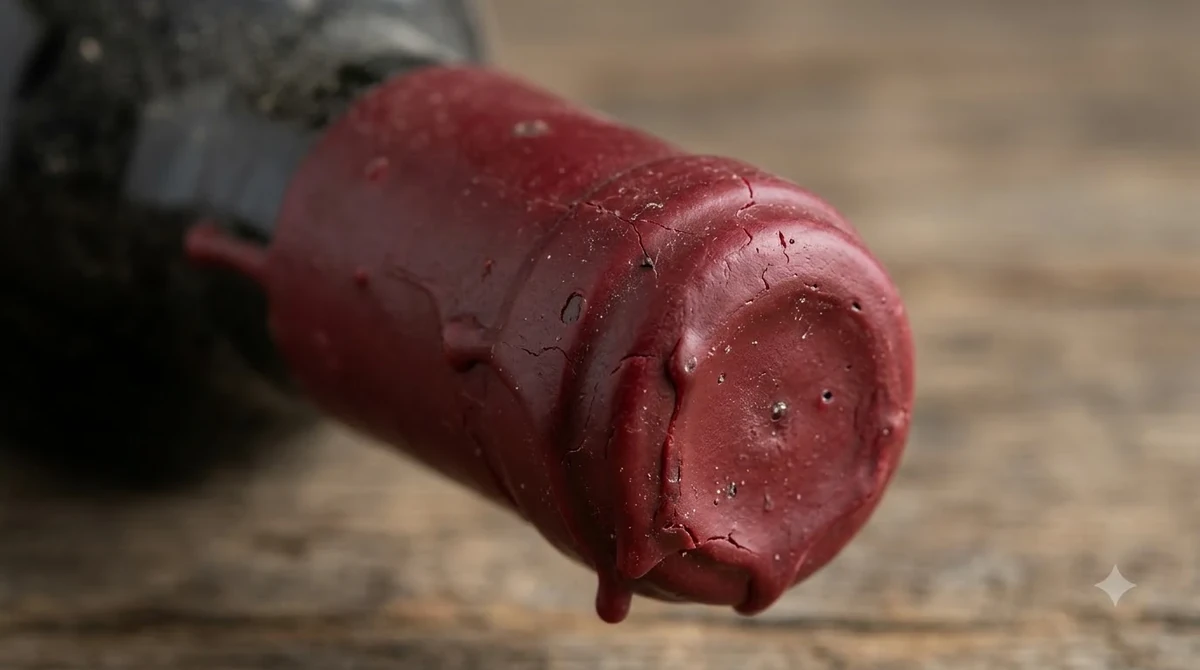
Amarone producers generally select healthy bunches of Corvina, Corvinone, and Rondinella, then lay them out in ventilated drying rooms. Wine Enthusiast describes drying periods of roughly 100 to 120 days, with grapes losing around half their weight under the production approach it outlines. Producers may use wooden or plastic crates or traditional bamboo mats called arelle. As water evaporates, the remaining juice becomes more concentrated, including its natural sugar and acids.
The next important decision happens in the cellar. For Amarone, fermentation is allowed to continue until the wine reaches a high alcohol level and a relatively low residual-sugar level. Yeast converts fermentable sugars into alcohol and carbon dioxide; the concentration in the raisined grapes gives the yeast a demanding job, and the process can be slow. But the aim is a powerful dry red, not a sweet dessert wine.
The same dried grapes can produce a very different wine when fermentation is stopped earlier. Recioto della Valpolicella is the sweet counterpart: the producer preserves much more residual sugar, and the resulting wine is designed for dessert or sipping on its own. This is why “made from dried grapes” is not a reliable shortcut for deciding whether a wine is sweet. The fermentation choice is decisive.
The DOCG Sugar Limit and Alcohol Rules
Amarone della Valpolicella DOCG must reach at least 14% alcohol by volume, and the production rules permit a maximum of 9 g/L residual sugar at that baseline. The allowed sugar level increases as the wine’s alcohol rises, so a bottling at 15% or 16% ABV can legally contain more residual sugar than one at 14%.
The rule is specific: above 14% and up to 16% ABV, the maximum rises by 0.1 g/L for each additional 0.10 percentage point of alcohol. Above 16% ABV, the allowance rises by 0.15 g/L for each additional 0.10 percentage point. The Amarone della Valpolicella production regulations also set minimum total acidity at 5.0 g/L and minimum non-reducing extract at 28 g/L, or 32 g/L for Riserva.
| Reference point | Residual sugar | Approx. sugar in a 5-ounce pour |
|---|---|---|
| Common Amarone range | 5–7 g/L | 0.7–1.0 g |
| DOCG limit at 14% ABV | 9 g/L | 1.3 g |
| Calculated DOCG limit at 15% ABV | 10 g/L | 1.5 g |
| Calculated DOCG limit at 16% ABV | 11 g/L | 1.6 g |
The per-glass estimates use a 5-ounce serving, or about 148 milliliters. They are rounded, and the last two rows illustrate the regulatory formula rather than describing the sugar content of every bottle at those alcohol levels. The figures show why the legal maximum and the everyday expectation are not the same: many Amarone wines sit well below the permitted ceiling.
What “dry” means on a technical level
Wine sweetness categories can depend on acidity as well as sugar. The International Organisation of Vine and Wine (OIV) describes a wine as dry at up to 4 g/L of sugar, or up to 9 g/L when total acidity is no more than 2 g/L below the sugar level. Its residual-sugar definitions also place sweet wine at 45 g/L or more.
That technical definition explains why two wines with similar sugar readings can taste different. A wine with 7 g/L sugar and 5 g/L acidity can fall within the OIV dry definition, while another wine with the same sugar but much lower acidity may not. Amarone has a regulatory minimum acidity of 5 g/L, but an individual wine’s actual analysis matters. In ordinary conversation, Amarone is best described as a dry-style red with concentrated fruit and substantial alcohol.
What Amarone Tastes Like When Sugar Is Low
Amarone often tastes rich without tasting sugary. Expect dark cherry, dried plum, raisin, black berry, baking spice, cocoa, tobacco, or a savory note, with a full texture and a warming finish shaped by alcohol and oak.
Those descriptors can create an impression of sweetness even when the residual-sugar figure is modest. Raisin and prune are naturally associated with sweet foods, and ripe fruit aromas can make a wine seem sweeter than its analysis suggests. Alcohol also adds weight and warmth, while glycerol and extract contribute to a rounded or velvety mouthfeel. None of those sensations is a direct measurement of residual sugar.
Acidity and tannin help define the balance. The minimum total acidity set for Amarone is 5 g/L, which provides a structural counterweight to concentrated fruit and high alcohol. Tannin can vary with grape composition, extraction, and aging; Corvina is associated with perfume and elegance, while Corvinone can contribute deeper color and more tannin. A wine with firm structure may feel less sweet than a similarly ripe wine with softer edges.
Age also changes the impression. Younger Amarone may show vivid cherry, dried berries, spice, and a pronounced alcoholic warmth. With bottle age, primary fruit can recede and more savory, earthy, or leathery notes can appear. That evolution changes the flavor balance, but it does not mean the wine’s residual sugar has increased.
Amarone, Recioto, Port, and Other Wine Styles
The clearest comparison is Recioto della Valpolicella: it uses dried grapes from the same broad region but preserves far more sugar by stopping fermentation earlier. Amarone is fermented in a dry direction, while Recioto is intentionally sweet, so the two wines can share raisin-like aromas yet taste very different.
Decanter notes that Recioto can start at around 50 g/L residual sugar and that Amarone is commonly closer to 5–7 g/L. That is a substantial gap: a Recioto with 50 g/L contains about 7.4 grams of sugar in a 5-ounce pour, compared with roughly 0.7–1 gram for an Amarone in the common range. The numbers help explain why one belongs beside dessert and the other more often suits a savory meal.
Port is another useful reference point, although it is made differently. Port is fortified with grape spirit, which raises alcohol and stops fermentation while sugar remains; Amarone reaches its alcohol through fermentation of the concentrated grape must and is not fortified in the same way. For a closer look at the sweeter fortified style, see our guide to port sugar content. Sweetness levels vary among Port styles, so the name alone does not give one fixed sugar figure.
Other table wines can offer a contrast in body and sweetness. Merlot is generally a softer, medium-tannin red, while Amarone tends to be fuller, higher in alcohol, and more concentrated; a comparison of Merlot sugar content can help separate the sweetness question from the difference in body and tannin. Riesling is a different case again: its high acidity can make wines with noticeable residual sugar taste bright rather than heavy. Our overview of Riesling sugar content explains that balance in more detail. These comparisons fit into the broader categories covered in Wine by Type. Grape variety, region, and production method all influence a wine’s profile, but sweetness is determined by the sugar left after fermentation and how that sugar interacts with acidity. A full-bodied wine is not automatically sweet, and a light-bodied wine is not automatically dry.
Serving Amarone and Pairing It with Food
Serve Amarone at about 60–65°F, pour a moderate 5-ounce glass, and give a young, full-bodied bottle 30–60 minutes to breathe if its tannins and alcohol feel especially firm. The goal is to let its layered aromas open without warming the wine so much that alcohol dominates.
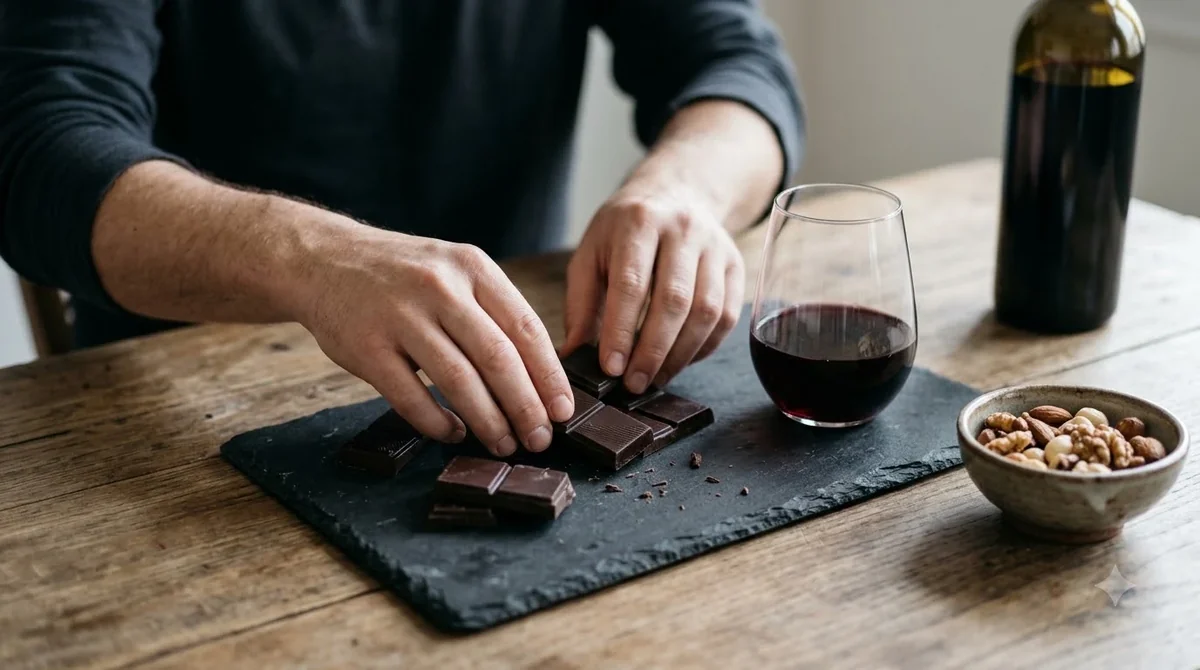
Rich savory dishes are natural matches. Try braised beef, roast lamb, game, grilled short ribs, or slow-cooked pork, where browned flavors and protein can stand up to Amarone’s body. Aged hard cheeses such as Parmigiano-Reggiano or well-aged Monte Veronese can also work because salt and fat soften the perception of tannin and balance the wine’s intensity. Keep sauces savory rather than sugary; a sweet glaze can make the wine seem sharper and more alcoholic.
Because Amarone is not a dessert wine, it is usually a poor match for desserts that are sweeter than the wine. A useful pairing rule is to serve a wine at least as sweet as the dessert. Chocolate torte, candied fruit, or a very sweet pastry can make a dry Amarone taste bitter or hot by comparison. A small piece of aged cheese or a savory dish is usually a safer match than a sugary finish. Be thoughtful with heat and acidity. Chili heat can be amplified by alcohol and tannin, so heavily spiced dishes may make a high-alcohol Amarone feel hotter. A sharply acidic tomato sauce can also make a wine seem less fresh if the food’s acidity exceeds the wine’s. Oily fish is another difficult match for tannic reds; choose a fresher white instead of trying to force Amarone alongside salmon or tuna dressed with oil.
Tip: If the first sip seems sweeter than expected, try the wine with a bite of roast meat or aged cheese before judging it. Salt, fat, and savory flavors can bring its fruit, acidity, and tannin into better balance.
Once opened, store the bottle in the refrigerator with the closure replaced and aim to finish it within 3–5 days. Let a serving warm gently toward 60–65°F before pouring again. For longer storage, keep unopened bottles on their sides in a cool, dark place near 55°F, away from temperature swings and direct light.
Frequently Asked Questions
These answers address common questions about label rules, grape varieties, aging, and how to handle an open or aging bottle.
Does Amarone contain added sugar?
Amarone is not intended to be a sweetened red: its characteristic sweetness impression usually comes from concentrated dried-grape flavors, alcohol, and texture. The DOCG production rules specify a maximum residual-sugar level and a minimum alcohol level, rather than describing Amarone as a sweetened wine. A producer’s technical sheet can provide the measured residual-sugar figure for a particular bottling.
Can Amarone be made from 100% Corvina?
The DOCG rules require Corvina and/or Corvinone to make up 45% to 95% of the blend and Rondinella to make up 5% to 30%. That means a compliant Amarone cannot be 100% Corvina under those standard blend requirements. Producers may use permitted additional red varieties within the limits set by the production rules.
Is Amarone always aged for the same length of time?
No. Standard Amarone must age for at least two years, counted from January 1 of the year following the grape harvest. Amarone labeled Riserva must age for at least four years, counted from November 1 of the harvest year, so the two minimum periods use different starting dates.
Does Amarone have bubbles or carbonation?
No, Amarone della Valpolicella is a still red wine, not a sparkling wine. Its richness and velvety texture come from concentrated grapes, fermentation, and aging rather than carbonation. A gentle sediment may appear in an older bottle, which is a separate issue from bubbles.
Can Amarone be stored for many years?
Some well-made Amarone, especially Riserva bottlings, can develop for many years in a suitable cellar. Producer, vintage, grape condition, closure, and storage stability all affect how long a bottle will improve. Keep bottles away from light and heat, with a steady cool temperature and minimal vibration.
Amarone is best understood as a concentrated, high-alcohol dry red rather than a sweet wine: its typical residual sugar is modest, even when the aroma suggests raisins and ripe fruit. Focus on the residual-sugar figure, alcohol level, and acidity together, then pair the wine with savory food that can match its depth. That approach makes the style easier to identify and enjoy.
More in Wine Types & Grapes
 What Does Ruby Port Taste Like? Flavor Notes, Styles, and Serving TipsUpdated Nov 21, 2026
 What Does Ribolla Gialla Taste Like? Crisp White and Amber Styles ExplainedUpdated Nov 21, 2026
 What Does Semillon Taste Like? Flavor Profile, Styles & PairingsUpdated Nov 21, 2026
 What Does Scuppernong Taste Like? Flavor, Styles, and Pairing GuideUpdated Nov 21, 2026
 What Does Saperavi Taste Like? Flavors, Styles, and Pairing GuideUpdated Nov 21, 2026
 What Does Natural Wine Taste Like? Flavors, Styles, and Serving TipsUpdated Nov 21, 2026