

We may earn a commission when you buy through links on this page, at no extra cost to you. Learn more.
Bourboulenc wine is a typically dry, fresh white wine made from Bourboulenc, a traditional southern French grape valued for its natural acidity, delicate floral aromas, and ability to bring freshness to Mediterranean white wine blends. Originating in the Vaucluse area of Provence, the variety is particularly associated with the southern Rhône Valley and neighboring Languedoc. Its flavors can include citrus, apricot, tropical fruit, and white flowers, while its relatively restrained alcohol contribution makes it useful alongside richer Mediterranean grapes.
Bourboulenc is not as familiar to most American wine drinkers as Chardonnay, Sauvignon Blanc, or Viognier. That is partly because it is rarely the sole grape in a bottle. Instead, it often works behind the scenes, giving southern French white wines the acidity and structure that balance fuller, more aromatic varieties. Understanding its role helps explain why certain Rhône and Languedoc whites taste fresh and lively despite growing in warm, sunny regions.
What Is Bourboulenc Wine?
Bourboulenc is a white wine grape from southern France, especially associated with Provence and the southern Rhône Valley. It is primarily used to produce dry white wines and to add acidity, freshness, and structure to regional blends rather than to create powerful, highly aromatic wines on its own.
The grape has a long history in the Vaucluse area of Provence. The Australian Wine Research Institute identifies it as an old variety first mentioned in the early 16th century. Although historical accounts have sometimes suggested Greek origins, DNA research does not support that particular claim. The variety is firmly established in the traditional viticulture of southern France.
Bourboulenc is especially interesting because its contribution is not necessarily obvious from the name on a bottle. A wine labeled Châteauneuf-du-Pape Blanc or Côtes du Rhône Blanc may contain Bourboulenc alongside several other white grapes. The finished wine reflects the combined characteristics of the varieties, the vineyard location, and the winemaker’s decisions.
The Rhône Valley wine organization identifies Bourboulenc as a grape that produces fresh, light wines with floral notes. Its naturally good acidity and relatively low alcohol contribution make it a useful component in blends containing rounder grapes. It can provide balance without overwhelming the aromas or flavors of its partners.
Although single-variety examples are possible, they are less common than blended bottlings. This makes Bourboulenc an excellent grape to understand when exploring regional French wine rather than simply searching for bottles bearing a particular grape name.
Its role is comparable to that of other traditional white blending grapes. For example, Airén grape is another variety whose importance in its home region is not always reflected in international recognition. Bourboulenc, however, is especially valued for maintaining freshness in warm southern French growing conditions.
Origins, Vineyard Conditions, and Growing Characteristics
Bourboulenc originated in the Vaucluse area of Provence and became established across several southern French wine regions. It is an early-budding, late-ripening grape that needs sufficient warmth and a long growing season to achieve satisfactory maturity.
One of its defining vineyard characteristics is the difference between its early budbreak and late harvest readiness. Early budding means the vine begins its growing cycle relatively early, while late ripening means growers must allow enough time for the berries to reach their desired maturity. Cool vineyard locations and areas with a short growing season can therefore be challenging.
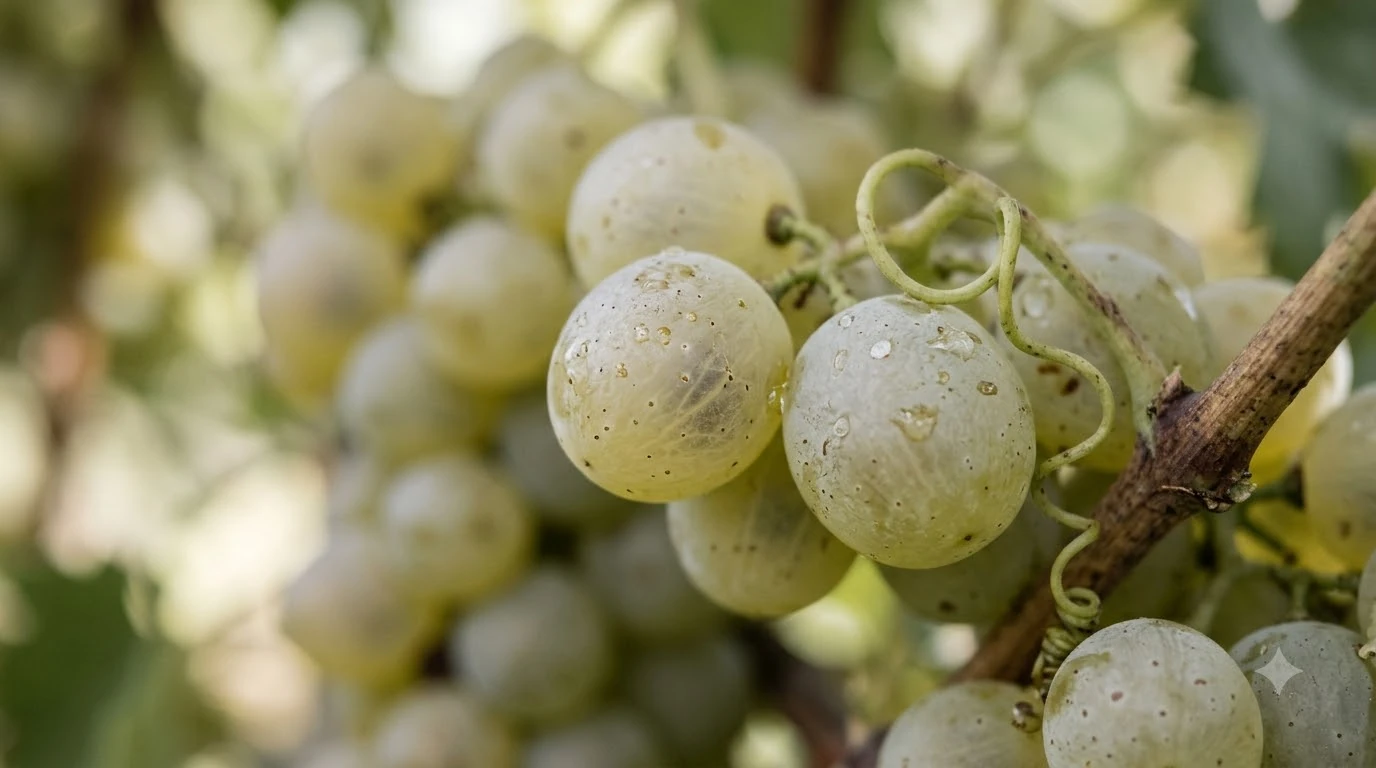
According to the Rhône Valley wine organization, Bourboulenc develops large, relatively loose grape bunches. Its berries are slightly pointed and have relatively thick skins that turn golden as they ripen. The vines are vigorous and productive, so vineyard management is important when growers want to maintain quality rather than simply maximize crop size.
Warmth is important, but the grape is also valued for its ability to retain acidity in hot conditions. This characteristic is particularly useful in Mediterranean climates, where sunshine and heat can encourage sugar accumulation in grapes while reducing their natural acidity. Bourboulenc helps winemakers maintain a refreshing profile in wines made from southern vineyards.
The Vacqueyras appellation describes the variety as suitable for warm, very sunny growing environments and notes its resistance to drought. Good exposure helps the grapes reach full maturity. These characteristics explain its continued relevance in southern France, where summer conditions can be demanding for white grape varieties.
However, late ripening does not mean that every warm vineyard is automatically suitable. Growers must balance sunshine, water availability, soil conditions, and harvest timing. A site that is too cool or too exposed to unfavorable late-season weather may prevent the grapes from reaching their potential.
Bourboulenc also has an interesting international history. The Australian Wine Research Institute notes that it appeared four times under different names in James Busby’s grape imports of 1832. Despite this early introduction, its plantings in Australia remain very limited compared with its historical presence in France.
Flavor Profile, Acidity, and Wine Style
Bourboulenc typically produces dry white wines with fresh acidity, a relatively light impression, and restrained but attractive aromas. Citrus, white flowers, tropical fruit, and apricot are among the characteristic descriptors associated with well-ripened grapes.
One important distinction is that Bourboulenc is not necessarily an intensely aromatic variety. The Rhône Valley wine organization describes it as relatively neutral in some circumstances, although it can become expressive and fine when it reaches good maturity. This restrained aromatic character is useful in blending because it allows the other grapes to contribute their own personalities.
In a glass, the wine may suggest lemon, grapefruit, fresh orchard fruit, or delicate floral aromas. Riper examples can show apricot and tropical fruit characteristics. The exact balance depends on the growing conditions, harvest decisions, and the varieties accompanying Bourboulenc in the finished wine.
Acidity is arguably its most important characteristic. Rather than contributing excessive weight or sweetness, Bourboulenc provides freshness that keeps the wine lively. This is particularly valuable when blending it with fuller varieties such as Grenache Blanc, Roussanne, and Viognier.
Its relatively low alcohol contribution is another advantage. Fuller-bodied Mediterranean grapes can produce generous wines with pronounced fruit character. Bourboulenc can help counterbalance that richness, creating a more controlled and refreshing overall impression.
What to expect from a glass
Several characteristics help describe the typical style:
- Sweetness: Usually dry, with little perception of residual sweetness.
- Acidity: Fresh and lively, often an important structural feature.
- Body: Light to medium, depending on the blend and winemaking.
- Aromas: Citrus, white flowers, tropical fruit, and apricot.
- Texture: Generally fresh and balanced, with richer textures possible when blended with fuller grapes.
- Finish: Often refreshing rather than heavy or strongly oaked.
The Australian Wine Research Institute describes successful examples as aromatic wines combining fruity and floral characters with fresh acidity and firm structure. This is a useful description because it emphasizes that Bourboulenc is not simply a neutral blending ingredient. Given appropriate growing conditions and careful winemaking, it can contribute recognizable character of its own.
Its style also makes it different from more immediately expressive white grapes. Sauvignon Blanc tends to be recognized for its pronounced acidity and distinctive aromatic profile, while Viognier is known for its fuller texture and aromatic richness. Bourboulenc generally occupies a more restrained position between these styles.
For drinkers who enjoy crisp Mediterranean whites but want something less familiar than the usual international varieties, it is an interesting grape to explore.
Major French Regions and Appellations
The southern Rhône Valley is the most important region to understand when exploring Bourboulenc wine. The variety is authorized in several appellations, including Châteauneuf-du-Pape, Vacqueyras, Cairanne, Lirac, and Côtes du Rhône, while it also has a presence in parts of Provence and Languedoc.
Châteauneuf-du-Pape is one of its best-known regional associations. The appellation is famous for red wines, but its white wines offer another expression of southern Rhône viticulture. Bourboulenc is among the permitted white grapes and is frequently blended with Grenache Blanc and Clairette. The result can combine freshness with the generous fruit and texture associated with Mediterranean white wines.
Vacqueyras is another important location. The appellation specifically highlights Bourboulenc for its contribution to freshness and its ability to produce wines with relatively low alcohol. In its white blends, it works alongside white Grenache, Roussanne, and Viognier. Its citrus and floral character helps balance the more pronounced fruit and richness of those varieties.
Côtes du Rhône provides another useful starting point for wine shoppers. Bourboulenc is one of the authorized white grapes within the appellation. It generally contributes to blends rather than appearing as the dominant variety, so the finished wine can vary considerably depending on the other grapes and the producer’s preferred style.
Lirac and Cairanne are also worth recognizing. Both are southern Rhône appellations where Bourboulenc is permitted. These regional wines can provide an opportunity to encounter the variety in blends that express the local climate and vineyard conditions.
Beyond the Rhône, Bourboulenc is associated with Languedoc appellations such as Corbières and Minervois. The Australian Wine Research Institute identifies it as one of the principal grapes in certain white blends from these areas, alongside varieties such as Grenache Blanc, Macabeu, Marsanne, and Clairette.
It is also authorized in Costières de Nîmes and Tavel in the southern Rhône and Bandol in Provence. These different regional settings illustrate why a single grape can contribute to several distinctive wine styles.
The following table summarizes the principal regional associations and typical roles of Bourboulenc.
| Region or appellation | Location | Typical role of Bourboulenc |
|---|---|---|
| Châteauneuf-du-Pape | Southern Rhône | Freshness in white blends |
| Vacqueyras | Southern Rhône | Structure and aromatic balance |
| Côtes du Rhône | Rhône Valley | Acidity and freshness |
| Cairanne | Southern Rhône | White wine blending component |
| Lirac | Southern Rhône | Freshness in regional whites |
| Corbières | Languedoc | Component of Mediterranean white blends |
| Minervois | Languedoc | Component of traditional white blends |
| Bandol | Provence | Authorized regional grape variety |
These are regional associations, not guarantees that every bottle from an appellation contains Bourboulenc. Appellation rules allow different combinations of permitted varieties, and individual producers make their own decisions within those requirements.
For a broader introduction to French white wine styles, comparing these appellations with wines made from Arinto wine can also be useful. Arinto is another white grape valued for its acidity, although it has a different regional identity and typical flavor expression.
Blending Partners and Winemaking Techniques
Bourboulenc is primarily a blending grape because it contributes freshness, structure, and relatively restrained aromas. Its most familiar partners include Grenache Blanc, Clairette, Roussanne, and Viognier, each bringing different characteristics to the final wine.
Grenache Blanc is generally fuller and more generous in texture than Bourboulenc. It can contribute ripe fruit, body, and a rounded palate. When combined with Bourboulenc, the resulting wine can retain a refreshing character without losing the richness expected from a southern French white.
Clairette contributes a different set of characteristics. It is associated with floral and fruity aromas and can add softness and aromatic appeal. Bourboulenc provides a counterbalance through its acidity, helping prevent the blend from becoming too broad or heavy.
Roussanne is another important partner. It can contribute texture, complexity, and a more substantial impression on the palate. Viognier, meanwhile, is valued for its aromatic richness and floral character. Bourboulenc can help moderate the intensity of both varieties.
The Vacqueyras appellation specifically describes the grape as providing structure that enhances fruity and floral aromas while tempering the richness of white Grenache, Roussanne, and Viognier. This explains why a grape that is not especially aromatic on its own can still have an important influence on a finished wine.
Single-variety and blended bottlings
Single-variety Bourboulenc wines are possible, but they are much less common than blends. A pure bottling can make the grape’s natural acidity and relatively delicate aromas easier to recognize. Such wines may also offer a clearer view of the variety’s response to vineyard conditions and winemaking decisions.
Blended examples are more representative of its traditional use. In many southern French appellations, Bourboulenc rarely accounts for more than 20-30% of a blend, according to the Australian Wine Research Institute. The precise proportion depends on the appellation, producer, and individual wine.
How winemaking influences the finished wine
Harvest timing is particularly important. Picking too early can result in a wine with underdeveloped fruit character, while allowing the grapes to ripen sufficiently can produce a more expressive aromatic profile. Growers must balance ripeness with the preservation of natural acidity.
Fermentation and maturation choices also influence the final result. Stainless steel fermentation can preserve fresh fruit and floral aromas, while barrel fermentation or aging can introduce additional texture and complexity. The use of oak is a producer’s stylistic decision rather than an essential characteristic of Bourboulenc.
Blending decisions are equally significant. A wine with a higher proportion of Bourboulenc may emphasize freshness, while one with more Grenache Blanc or Roussanne may have a fuller palate. These differences explain why two white wines from the same broad region can have noticeably different personalities.
For additional context about the Rhône grape varieties and their roles in traditional blends, the Rhône Valley wine organization’s Bourboulenc profile provides useful information about vineyard characteristics, wine styles, and authorized appellations.
Food Pairings, Serving Temperature, and Storage
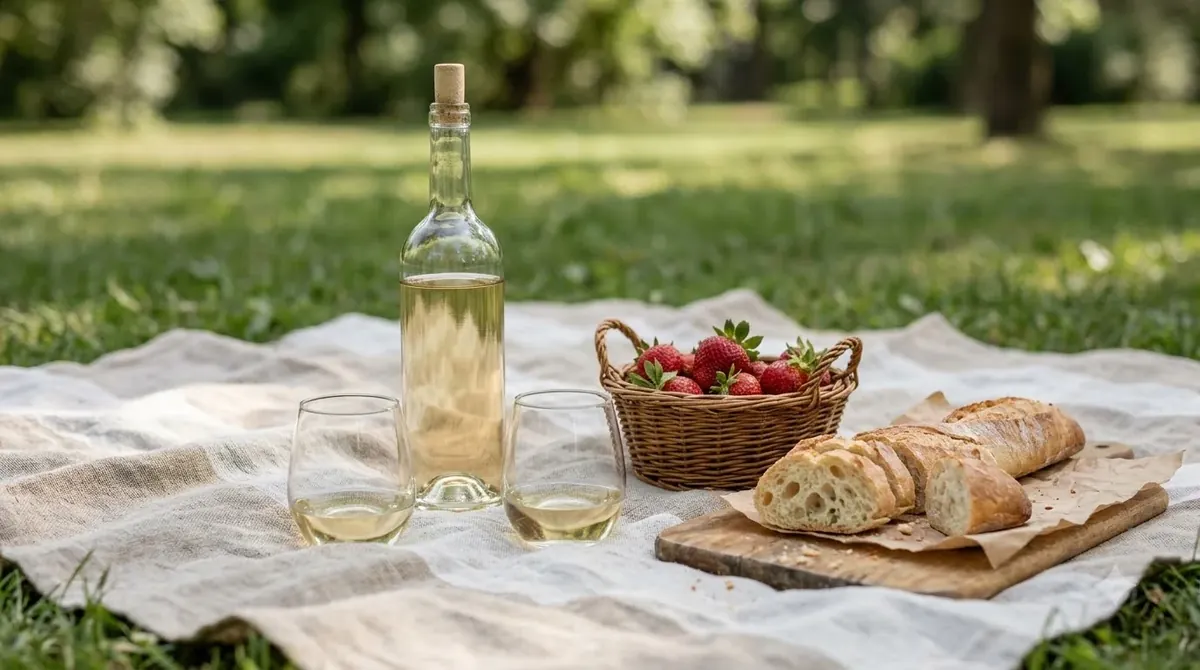
Bourboulenc is a versatile food wine because its fresh acidity works well with seafood, vegetables, poultry, and moderately rich Mediterranean dishes. Serve a dry example at approximately 45-50°F to preserve its freshness while allowing citrus and floral aromas to develop.
Seafood is one of the most natural pairing choices. Grilled sea bass, baked cod, shrimp, scallops, and steamed mussels work particularly well with the grape’s refreshing acidity. Lemon, parsley, olive oil, and light herb sauces complement its citrus and floral character without overwhelming the wine.
Shellfish can also be excellent partners. Oysters, crab, and grilled prawns have enough natural sweetness and delicate flavor to work with a dry southern French white. The wine’s acidity can refresh the palate between bites, especially when the seafood is served with butter or olive oil.
Vegetable dishes are another good option. Grilled zucchini, asparagus, artichokes, fennel, and roasted peppers can work particularly well when prepared with Mediterranean herbs. Dishes featuring thyme, rosemary, basil, or parsley complement the subtle floral and herbal dimensions of the wine.
For poultry, consider roast chicken with lemon, herb-roasted turkey, or chicken with a light cream sauce. A fuller white blend containing Bourboulenc can handle richer preparations better than a particularly delicate, light-bodied example.
Pairing with richer foods
Bourboulenc can also accompany dishes containing cheese and moderate amounts of fat. Fresh goat cheese, mild sheep’s milk cheese, and soft cheeses served with crusty bread are good starting points. The acidity helps balance the richness of the food.
For a stronger cheese pairing, consider a moderately aged cheese with a creamy texture rather than an extremely pungent or intensely salty variety. A richer white blend containing Roussanne or Grenache Blanc may be better suited to these dishes than a particularly lean, simple white.
Spicy food requires more care. Chili heat can seem stronger when paired with alcohol and tannin, so heavily spiced dishes are not ideal partners for many southern French wines. Mildly seasoned seafood, fragrant rice dishes, and lightly spiced chicken are safer choices.
Highly acidic foods also require attention. A dish containing plenty of lemon or vinegar can make a lower-acidity wine seem flat. Bourboulenc’s naturally fresh profile can help, but the acidity of the dish should still be considered.
Serving and storage recommendations
Use a standard white wine glass rather than a very small tasting glass. A moderate-sized bowl provides enough space for aromas to develop while keeping the wine cool. Pouring approximately 5 ounces per glass is a practical standard serving.
Tip: Chill Bourboulenc to 45-50°F before serving. If the wine has just come out of a very cold refrigerator, allow it a few minutes in the glass to reveal more of its citrus and floral aromas.
Most fresh, dry Bourboulenc blends are intended to be enjoyed relatively young, when their fruit character and acidity are most expressive. More substantial wines from good producers may develop additional complexity with careful aging, but extended cellaring is not necessary for ordinary examples.
Store unopened bottles on their sides in a cool, dark place near 55°F, particularly if they have natural cork closures. Avoid frequent temperature changes, direct sunlight, and storage near heat-producing appliances.
After opening, reseal the bottle and keep it in the refrigerator. Most still white wines remain enjoyable for approximately 3-5 days, although their aromas and freshness gradually decline. Remove the bottle shortly before serving so it can approach the recommended drinking temperature.
These basic practices help preserve the grape’s main attraction: a clean, refreshing white wine style that works well with food.
How to Choose a Bourboulenc Wine
The easiest way to find Bourboulenc is to look for southern French white wines from appellations where the grape is authorized. Châteauneuf-du-Pape Blanc, Vacqueyras Blanc, and Côtes du Rhône Blanc are useful starting points, although the proportion of Bourboulenc can vary substantially between producers.
Start by considering the overall style you prefer. If you enjoy crisp, lighter white wines, look for a blend in which Bourboulenc contributes noticeably to the acidity and freshness. If you prefer fuller wines, consider examples that also contain Grenache Blanc or Roussanne.
The appellation provides a useful clue, but it does not tell the whole story. A Châteauneuf-du-Pape Blanc can be richer and more complex than a straightforward Côtes du Rhône Blanc, but producer choices and vineyard conditions can create considerable variation within either category.
Producer information can help clarify the composition of a bottle. Some wineries publish the individual grape percentages, fermentation methods, and maturation details for each wine. These details are useful when trying to identify the contribution of Bourboulenc rather than simply judging the wine by its regional designation.
For a first bottle, a dry white blend from the southern Rhône is generally a sensible choice. It offers a representative introduction to how Bourboulenc works with other Mediterranean varieties. A single-variety bottling, if available, can be a more specialized choice for someone interested in understanding the grape itself.
It is also useful to compare Bourboulenc with other lesser-known white grapes. Wine by Type provides a broader way to understand differences between grape varieties and wine styles, while Brachetto grape offers an example of a very different traditional grape with a distinct aromatic and stylistic identity.
Don’t assume that every bottle from southern France will taste the same. Climate, soil, grape proportions, harvest timing, fermentation, and aging all affect the finished wine. A little attention to these details can make choosing an unfamiliar regional white considerably easier.
The Australian Wine Research Institute’s Bourboulenc variety profile is also a useful technical reference for understanding the grape’s origins, growing characteristics, and typical wine aromas.
Frequently Asked Questions
These answers cover some additional details that help explain Bourboulenc’s history, identity, and place among traditional wine grapes.
How do you pronounce Bourboulenc?
Bourboulenc is commonly pronounced approximately as “boor-boo-lunk.” The spelling can look unfamiliar to English speakers because it follows French pronunciation conventions. The grape is also known by several regional synonyms, including Blanquette and Clairette Dorée.
Is Bourboulenc related to Pé Comprido?
Yes. DNA research in Portugal identified Pé Comprido as the same grape variety as Bourboulenc. This connection illustrates how traditional grape varieties can have different local names in different wine-growing countries. It does not mean that every wine labeled with either name has the same regional style.
Does Bourboulenc produce red wine?
Bourboulenc is fundamentally a white grape variety, and its traditional wine identity is based on dry white wines. Some regional appellation descriptions include the grape among varieties permitted in more than one wine category, but its recognized contribution is primarily associated with white blends. It should not be confused with the red varieties of the southern Rhône.
Why is Bourboulenc relatively uncommon outside France?
Its plantings have historically been concentrated in southern France, and the grape is more often used in regional blends than marketed as an internationally recognized single-variety wine. The Australian Wine Research Institute reports that global plantings totaled 597 hectares in 2010, mainly in France. Its limited international distribution helps explain why many wine drinkers encounter it through appellation wines rather than varietal labels.
Is Bourboulenc suitable for warm-climate vineyards outside France?
Its ability to retain acidity in hot conditions makes it interesting for warm-climate wine regions. The Australian Wine Research Institute also reports good heat and drought tolerance, although the grape remains susceptible to powdery mildew and downy mildew. Successful cultivation still depends on vineyard management, suitable growing conditions, and sufficient time for late-season ripening.
Bourboulenc is a distinctive part of southern France’s white wine heritage, even if its name rarely appears prominently on international wine lists. Its combination of natural acidity, restrained floral character, and blending versatility makes it especially useful in the Rhône and Languedoc. For anyone interested in discovering less familiar French grapes, a white blend containing Bourboulenc is an excellent place to start.
More in Wine Types & Grapes
 What Does Ruby Port Taste Like? Flavor Notes, Styles, and Serving TipsUpdated Nov 21, 2026
 What Does Ribolla Gialla Taste Like? Crisp White and Amber Styles ExplainedUpdated Nov 21, 2026
 What Does Semillon Taste Like? Flavor Profile, Styles & PairingsUpdated Nov 21, 2026
 What Does Scuppernong Taste Like? Flavor, Styles, and Pairing GuideUpdated Nov 21, 2026
 What Does Saperavi Taste Like? Flavors, Styles, and Pairing GuideUpdated Nov 21, 2026
 What Does Natural Wine Taste Like? Flavors, Styles, and Serving TipsUpdated Nov 21, 2026