

We may earn a commission when you buy through links on this page, at no extra cost to you. Learn more.
Bonarda food pairing works especially well with grilled meats, pork, empanadas, tomato-based pasta, roasted vegetables, and firm cheeses because the wine combines generous red and black fruit with soft tannins and refreshing acidity. This Argentine red is versatile enough for casual burgers and barbecue as well as more substantial dinners. Its fruit-forward character complements savory seasonings without overwhelming moderately rich dishes. Choosing foods with similar weight and avoiding excessive chili heat will help bring out its best qualities.
Bonarda deserves a place alongside more familiar Argentine reds when planning a meal. Although Malbec receives much of the attention, Bonarda offers its own appealing combination of dark fruit, gentle structure, and approachable texture. It can accompany everything from traditional Argentine barbecue to Italian-inspired pasta, grilled vegetables, and cheese boards. Understanding its flavor profile makes it easier to choose satisfying combinations for weeknight dinners, weekend gatherings, and special occasions.
Understanding Bonarda’s Flavor and Structure
Bonarda is generally a dry, fruit-forward red wine with enough body to accompany substantial dishes but a softer tannin profile than many heavily structured reds. Its combination of ripe fruit, moderate acidity, and smooth texture explains why it works with such a broad range of savory foods.
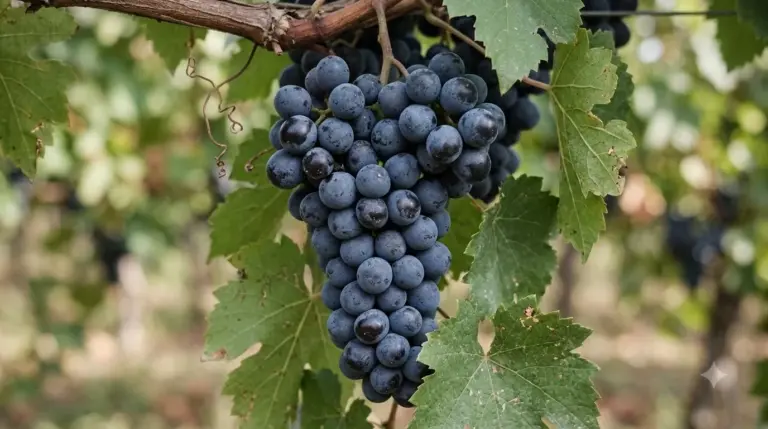
Argentine Bonarda is associated with the Corbeau grape, also known as Charbono in the United States. Its origins are in France’s Savoie region, although Argentina has become its most important reference point. According to Argentina’s National Viticulture Institute, the grape is particularly associated with Mendoza, San Juan, and La Rioja, where warm, dry growing conditions suit its development.
The wine’s color is often striking, ranging from deep purple and violet to intense ruby red. Its aromas commonly include raspberries, cherries, blackberries, plums, and blueberries. Some examples also show floral notes, subtle anise, or earthy characteristics. The exact balance depends on the vineyard, harvest conditions, ripeness, and winemaking approach.
Texture is especially important for food matching. Bonarda typically has soft, approachable tannins, although more concentrated examples can feel firmer. Its medium to medium-full body gives it enough presence for grilled pork, sausages, and roasted vegetables without requiring every dish to be particularly heavy.
Wine Folly describes a representative Bonarda profile as dry, medium-full-bodied, and moderately acidic, with an alcohol range of 11.5–13.5% ABV. That range provides a useful reference, although individual bottles can differ. Its Bonarda grape profile and tasting guide also identifies plum, cherry, cardamom, fig paste, and graphite among the variety’s characteristic flavors.
These characteristics suggest three practical pairing principles. First, match the wine’s body with the intensity of the food. Second, use savory, smoky, or roasted flavors to complement its fruit. Third, allow acidity and seasoning to balance richer ingredients instead of relying on powerful tannins to cut through them.
Grilled Meat, Steak, and Argentine Barbecue
Grilled meat is one of the most dependable Bonarda food pairing choices. The wine’s ripe cherry and blackberry flavors complement browned meat, while its soft tannins work comfortably with the fat in burgers, steak, sausages, and slow-cooked barbecue.
Argentine asado is a particularly natural match. A platter featuring grilled beef, pork ribs, sausages, and roasted vegetables offers several different textures and flavors that suit Bonarda. The smoky character from the grill reinforces the wine’s darker fruit notes, while the fat in the meat softens the perception of tannin.
For steak, choose cuts such as ribeye, sirloin, or flank steak. Ribeye has enough marbling to complement a more concentrated Bonarda, while flank steak works especially well with chimichurri, garlic, parsley, and olive oil. The wine’s fruit provides contrast to the herbs and savory crust.
Hamburgers are another easy option. A grilled beef burger with caramelized onions, mushrooms, cheddar, and a lightly toasted bun provides a satisfying balance of savory flavors. Bonarda’s fruitiness complements the browned meat and melted cheese without requiring a heavily tannic wine.
Barbecue sauces need a little more attention. Traditional tomato-based sauces with moderate sweetness, vinegar, paprika, and black pepper generally work better than extremely sugary sauces. Excessive sweetness can make a dry red taste sharper and less balanced.
For pulled pork or smoked brisket, choose preparations with moderate seasoning and a noticeable savory component. Slow-cooked meat develops concentrated flavors that match Bonarda’s dark-fruit character. A little acidity from pickled onions or vinegar-based slaw also helps keep the meal balanced.
Best meat preparations
- Grilled ribeye: Match the wine with the steak’s marbling and browned exterior.
- Beef burgers: Add cheddar, mushrooms, and caramelized onions for a savory combination.
- Argentine chorizo: Pair grilled sausage with chimichurri and crusty bread.
- Roasted pork shoulder: Use garlic, rosemary, and moderate seasoning.
- Barbecue brisket: Favor smoky, peppery preparations over heavily sweet sauces.
- Lamb kebabs: Add oregano, cumin, and grilled peppers to complement the fruit.
For particularly fatty meat, a little salt and acidity in the accompanying sides can make the wine feel more balanced. Pickled vegetables, fresh tomato salad, and mustard-based sauces provide useful contrast. If the Bonarda is particularly concentrated and oak-aged, it can also handle more substantial preparations such as slow-roasted short ribs.
Pasta, Pizza, and Tomato-Based Sauces
Bonarda is an excellent partner for Italian-inspired meals, especially pasta with tomato sauce, roasted vegetables, mushrooms, and moderate amounts of cheese. Its fruit-forward character complements tomatoes and herbs, while its acidity helps keep rich sauces from feeling too heavy.
Tomato-based pasta is one of the most reliable choices. A simple spaghetti al pomodoro with garlic, basil, olive oil, and Parmesan allows the wine’s cherry and plum flavors to complement the sauce. More substantial options, including penne arrabbiata with moderate chili or rigatoni with roasted tomato sauce, provide additional flavor without overwhelming the wine.
Meat-based sauces also work well. A traditional beef ragù, slow-cooked for several hours with tomatoes, onions, carrots, and herbs, creates a rich combination that suits a medium-full-bodied Bonarda. The wine’s fruit complements the meat, while its acidity provides freshness alongside the concentrated sauce.
For creamy pasta, choose recipes that include mushrooms, roasted garlic, or browned butter rather than relying entirely on heavy cream. A mushroom tagliatelle with Parmesan, thyme, and olive oil can be particularly satisfying. The earthy ingredients provide an appealing contrast to the wine’s fruit.
Pizza offers another straightforward pairing. A classic Margherita works because tomato, mozzarella, and basil provide acidity, salt, and freshness. Pepperoni pizza adds spice and fat, making a juicy, soft-tannin Bonarda a sensible option.
Other suitable pizza toppings include grilled sausage, roasted mushrooms, caramelized onions, and black olives. These ingredients complement the wine’s savory side without making the combination excessively rich.
Pasta dishes to choose
- Spaghetti al pomodoro: Fresh tomato, garlic, basil, and Parmesan.
- Beef ragù: Slow-cooked beef and tomato sauce with oregano.
- Rigatoni with roasted tomatoes: Concentrated tomato flavor and olive oil.
- Mushroom tagliatelle: Mushrooms, thyme, butter, and Parmesan.
- Penne arrabbiata: Tomato, garlic, and moderate chili seasoning.
- Sausage pizza: Grilled sausage, mozzarella, and roasted peppers.
One useful distinction is the amount of acidity in the sauce. Tomatoes are naturally acidic, so wines with insufficient freshness can taste flat beside them. Bonarda generally has enough acidity for ordinary tomato sauces, but very sharp sauces benefit from a little olive oil, cooked onion, or roasted vegetable sweetness to soften their intensity.
Chicken, Pork, and Lighter Main Courses
Bonarda does not need red meat to work successfully at dinner. Roasted chicken, grilled pork, turkey, and herb-seasoned poultry can all complement its fruit and moderate tannins, particularly when the preparation includes browned skin, roasted vegetables, or savory sauces.
Roast chicken with garlic, rosemary, lemon, and thyme is a practical starting point. The browned skin provides savory depth, while the herbs connect with the wine’s subtle spice and fruit. Serve it with roasted potatoes or carrots to give the meal additional texture.
Grilled chicken thighs are often a better choice than very lean chicken breast because their additional fat and richer texture provide more substance. A marinade containing olive oil, garlic, smoked paprika, and oregano creates flavors that complement Bonarda without introducing excessive sweetness.
Pork is especially suitable. Argentina’s National Viticulture Institute specifically includes pork among its recommended Bonarda matches. Grilled pork chops, roasted pork tenderloin, and slow-roasted pork shoulder all offer enough savory character to accompany the wine.
For pork tenderloin, try a preparation with rosemary, garlic, black pepper, and a light mustard sauce. The meat remains relatively lean, so the seasoning should provide enough flavor without making the dish excessively rich. Apple-based accompaniments can work too, provided they are not overly sweet.
Turkey meatballs in tomato sauce are another useful option. They provide the savory structure of a meat-based meal while remaining lighter than a large steak. Serve them with roasted vegetables or a small portion of pasta.
Practical poultry and pork combinations
- Roasted chicken with garlic, rosemary, and potatoes.
- Grilled chicken thighs with smoked paprika and oregano.
- Pork chops with mustard, thyme, and roasted carrots.
- Roasted pork tenderloin with mushrooms and herbs.
- Turkey meatballs with tomato sauce and Parmesan.
- Grilled turkey skewers with peppers and onions.
Cooking method matters as much as the main ingredient. Roasting, grilling, and pan-searing produce browned flavors that work particularly well with Bonarda. Lightly poached poultry or delicately steamed meat may have too little intensity for a concentrated red. For those preparations, a lighter-bodied Bonarda served slightly cooler is generally the better choice.
Seafood, Fish, and Grilled Vegetables
Bonarda can accompany some fish and seafood dishes, particularly preparations with grilled vegetables, herbs, olive oil, and moderate seasoning. The most successful combinations use firmer fish and savory cooking methods rather than delicate seafood with strong, tannic red wine.
This is a less conventional pairing than steak or pasta, but it has support from Argentina’s National Viticulture Institute, which includes fish and seafood among its recommended Bonarda matches. Its official Bonarda report and food-pairing recommendations also identify grilled vegetables, lightly sauced pasta, sweetbreads, pork, and hard or semihard cheeses as suitable choices.
Consider grilled tuna with roasted peppers, olive oil, and herbs. Its firm texture and savory character provide enough substance for a softer red. Grilled salmon with roasted tomatoes and herbs can also work with a lighter, fruit-forward Bonarda, although a very tannic or heavily oaked example is less suitable.
For white fish, choose preparations with stronger supporting flavors. Grilled cod with garlic, paprika, tomato, and roasted vegetables offers more intensity than plain steamed cod. Swordfish with oregano, lemon, and grilled zucchini is another possible combination.
There are limits. Delicate shellfish, oysters, and lightly prepared white fish can be overwhelmed by a substantial red wine. Oily fish can also clash with tannic reds, particularly when the wine has a firm, drying structure. A fresh, high-acid white is often a safer choice for these dishes.
Grilled vegetables are a particularly reliable alternative. Eggplant, zucchini, bell peppers, onions, mushrooms, and asparagus develop browned, savory flavors that complement Bonarda’s fruit. Olive oil, rosemary, garlic, and smoked paprika make simple vegetable dishes more compatible with the wine.
Vegetable combinations worth trying
- Grilled eggplant with garlic and olive oil.
- Roasted red peppers with oregano and balsamic vinegar.
- Portobello mushrooms with thyme and Parmesan.
- Grilled zucchini with rosemary and lemon.
- Roasted onions with black pepper and olive oil.
- Vegetable skewers with mushrooms, peppers, and eggplant.
For vegetarian dinners, a plate of grilled vegetables with lentils, roasted potatoes, or mushroom risotto provides enough texture and savory flavor to complement Bonarda. A small amount of aged cheese can add saltiness and richness, helping bring the different elements together.
Cheese, Appetizers, and Charcuterie
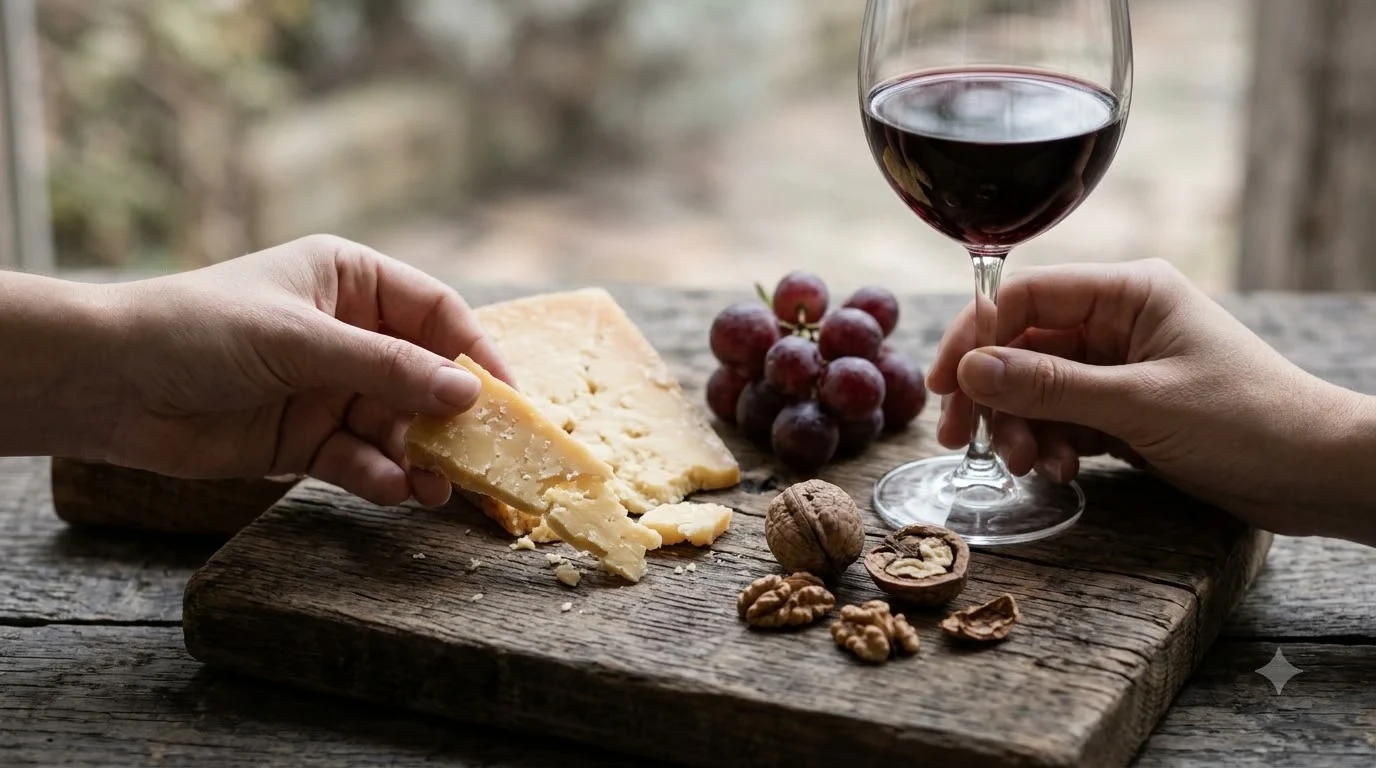
Bonarda pairs particularly well with firm and semihard cheeses, cured meats, savory pastries, and roasted appetizers. Its ripe fruit and relatively soft tannins make it approachable alongside salty foods, while its acidity helps balance richer ingredients.
Argentina’s National Viticulture Institute specifically recommends hard and semihard cheeses. Parmesan, aged Gouda, Manchego, and mature cheddar are useful options because their concentrated savory flavors provide a good match for Bonarda’s fruit.
For a cheese board, combine three different textures rather than choosing several similar cheeses. Aged Gouda provides richness, Manchego adds a firm and slightly nutty character, and Parmesan contributes saltiness and a crystalline texture. Include olives, roasted peppers, almonds, and crusty bread to complete the spread.
Fresh, mild cheeses require a little more consideration. Fresh mozzarella and ricotta can work when served with roasted tomatoes, herbs, or grilled vegetables, but their delicate flavors may be overshadowed by a concentrated red. Pair them with a lighter, less extracted Bonarda if possible.
Charcuterie is another strong option. Salami, prosciutto, smoked ham, and mild chorizo provide savory and salty flavors that suit the wine. However, particularly spicy cured meats can exaggerate the sensation of alcohol and tannin, so moderate seasoning is generally preferable.
Empanadas are among the most natural appetizers to serve. Beef empanadas with onions, olives, cumin, and paprika bring together the savory flavors of Argentine cooking. Chicken and mushroom versions are also suitable, especially when served warm with a tomato-based dipping sauce.
Building a balanced appetizer board
- Cheese: Parmesan, aged Gouda, Manchego, and mature cheddar.
- Cured meat: Salami, prosciutto, and mild chorizo.
- Pastries: Beef, chicken, or mushroom empanadas.
- Vegetables: Marinated olives, roasted peppers, and grilled eggplant.
- Extras: Almonds, walnuts, crusty bread, and tomato chutney.
Portion size matters with appetizer pairings. A 5-ounce wine pour is a useful standard serving, and a 750-milliliter bottle provides approximately five glasses. For a gathering with several small dishes, choose foods with different levels of richness so that guests can enjoy the wine throughout the meal rather than relying on one particularly heavy appetizer.
Spicy Dishes, Serving Temperature, and Pairing Tips
Bonarda can work with moderately spiced Latin American and international dishes, including empanadas, mole, and tacos al pastor. Its fruitiness complements aromatic seasonings, but excessive chili heat can make alcohol and tannins feel more pronounced.
Wine Folly recommends Bonarda with mole sauces, curried potatoes, empanadas, and tacos al pastor. These dishes demonstrate the grape’s flexibility with cumin, paprika, roasted peppers, and complex savory sauces. For tacos, choose grilled pork or beef with moderate chili, fresh onions, cilantro, and a squeeze of lime.
Mole can also be a successful match, particularly preparations that combine roasted peppers, spices, nuts, and a moderate amount of chocolate. The sauce’s complexity complements the wine’s dark-fruit flavors. However, very sweet mole or exceptionally hot sauces can create an unbalanced combination.
Spicy food requires moderation because chili heat can be amplified by alcohol and tannin. Bonarda is not automatically a good choice for every spicy dish simply because it is fruity. For very hot curries, chili-heavy tacos, or dishes dominated by habanero peppers, a lower-alcohol, fruitier wine with little tannin may be more comfortable.
Serving temperature
Serving temperature makes a meaningful difference. A fruit-forward Bonarda generally shows better balance when served slightly cooler than a traditional room-temperature red. A practical target is approximately 58–62°F for lighter, fresher examples, while fuller, more concentrated bottles can be served around 60–65°F.
Wine Folly lists a broader 60–68°F serving range for its representative Bonarda profile and recommends a 30-minute decant. In a warm room, cooling the bottle briefly in the refrigerator can help preserve freshness and prevent the alcohol from becoming too prominent.
A young, concentrated Bonarda may benefit from 30 minutes of aeration before serving. This gives the wine time to open and can make its fruit and aromatic characteristics more expressive. Lighter examples generally need less aeration.
Tip: Chill a room-temperature Bonarda for approximately 15–20 minutes before serving, then adjust according to its style. Aim for 58–62°F for a fresher, lighter bottle and 60–65°F for a fuller example. Avoid serving it excessively warm, since higher temperatures can make alcohol feel more prominent and reduce the impression of freshness.
Quick pairing reference
The following table summarizes practical food choices and serving approaches. Temperatures are useful starting points rather than fixed requirements, since individual bottles vary in concentration, alcohol, and tannin.
| Food or occasion | Recommended Bonarda match | Practical serving guidance |
|---|---|---|
| Grilled steak | Ribeye, sirloin, or flank steak | 60–65°F |
| Barbecue | Brisket, ribs, and burgers | 60–65°F |
| Pasta | Tomato sauce, ragù, or mushrooms | 58–62°F |
| Poultry | Roasted chicken or grilled thighs | 58–62°F |
| Pork | Grilled chops or roasted tenderloin | 60–65°F |
| Seafood | Grilled tuna or firm fish with vegetables | 58–60°F |
| Cheese | Parmesan, Gouda, and Manchego | 60–62°F |
| Vegetarian meal | Grilled eggplant and mushrooms | 58–62°F |
Making the final pairing decision
When selecting a dish, start with the wine’s weight rather than its color or reputation. A lighter Bonarda suits grilled chicken, vegetable dishes, and uncomplicated pasta. A fuller example can accompany brisket, ribeye, rich tomato sauces, and aged cheeses.
Acidity is another important consideration. Foods with noticeable acidity need a wine with equal or higher acidity to avoid making the wine taste flat. This is why ordinary tomato sauces often work, while extremely sharp vinegar-based preparations may require some adjustment.
Salt and fat can soften the perception of tannin, which explains why Bonarda works well with grilled meat, aged cheese, and charcuterie. However, the wine should not overpower the food. A particularly delicate dish needs a lighter wine, while substantial preparations can accommodate greater concentration.
For readers exploring other red wines, Blaufränkisch food pairing offers another useful perspective on matching fruit, acidity, and savory dishes. Those interested in a different expression of red wine can also compare Carignan food pairing, especially when choosing between different levels of tannin and freshness. For a broader introduction to grape varieties and wine styles, the Wine by Type resource provides additional context.
Frequently Asked Questions
Is Bonarda the same grape as Italian Bonarda?
No. The name Bonarda is used for several genetically distinct grape varieties. The Argentine grape discussed here is associated with Corbeau and Charbono, while Italian Bonarda generally refers to different varieties, including Croatina in certain regional wine traditions. Checking the country and regional designation helps avoid confusion when buying or ordering the wine.
Can Bonarda be used in cooking?
Yes. Dry Bonarda can be used in beef ragù, mushroom sauces, braised pork, and tomato-based preparations. Its fruit-forward character works particularly well in slow-cooked sauces that contain onions, garlic, herbs, and savory stock. Avoid using heavily sweetened wine in recipes that require a dry red.
Should Bonarda be decanted before serving?
Not every bottle requires decanting. Young, concentrated examples can benefit from approximately 30 minutes of aeration, while lighter, fresher bottles may be enjoyable immediately after opening. Older bottles should be handled more carefully because prolonged exposure to oxygen can diminish their aromatic character.
Can Bonarda be aged in a wine cellar?
Some concentrated, carefully made examples have aging potential, particularly wines from selected vineyards and those matured in barrels. Wine Folly lists a representative cellar range of 5–10 years, although that is not a guarantee for every bottle. Simpler, fruit-focused examples are generally intended to be enjoyed younger.
What glass should you use for Bonarda?
A universal red wine glass is a practical choice, providing enough space for the wine’s aromas to develop. A moderately wide bowl allows the drinker to appreciate its cherry, plum, and floral notes. A glass with a tapered opening also helps concentrate the aromas during tasting.
Bonarda is a versatile Argentine red that deserves consideration beyond the familiar steak-and-Malbec combination. Its fruit, moderate structure, and soft tannins make it particularly enjoyable with grilled meat, pork, tomato-based pasta, roasted vegetables, and firm cheeses. Start with a dish that matches the wine’s body, serve it at a slightly cool temperature, and adjust the seasoning to preserve balance. With the right food, Bonarda can make an everyday dinner or a special gathering considerably more enjoyable.
More in Wine Types & Grapes
 What Is Alvarinho? A Complete Look at Portugal’s Crisp Coastal GrapeUpdated Nov 21, 2026
 What Is Auslese? How to Read, Serve, and Pair This German WineUpdated Nov 21, 2026
 What Is Arneis? Tasting Notes, Origins, and Pairing GuideUpdated Nov 21, 2026
 What Is Airen? A Guide to Spain’s Most-Planted White GrapeUpdated Nov 21, 2026
 What Is Aglianico? A Guide to Italy’s Bold Southern Red WineUpdated Nov 21, 2026
 What Is Alicante Bouschet: The Rare Red-Fleshed Grape Behind Bold RedsUpdated Nov 21, 2026