

We may earn a commission when you buy through links on this page, at no extra cost to you. Learn more.
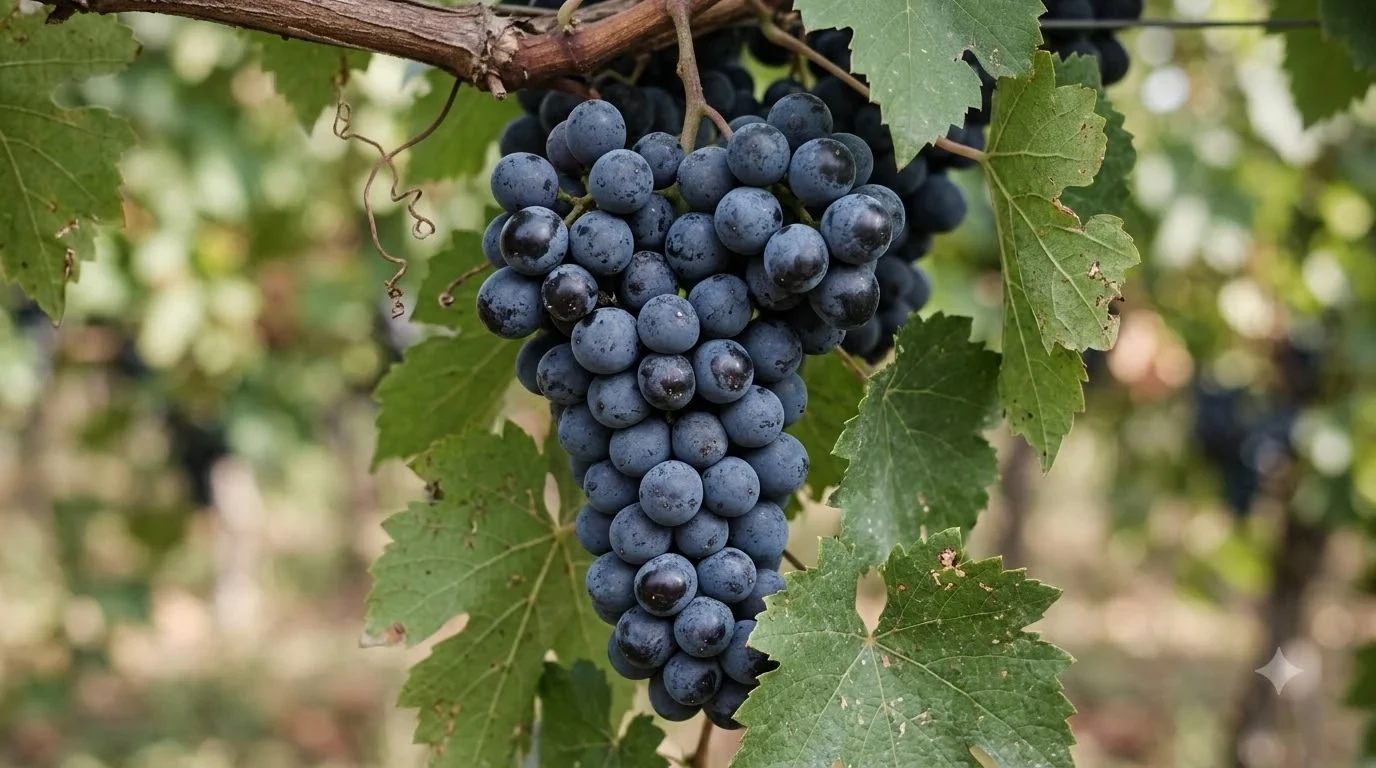
If you are wondering what is alvarinho, it is the Portuguese name for the flagship white wine grape of northwest Iberia, known across the border in Spain as Albariño. Grown primarily along the Minho River in northern Portugal’s Vinho Verde region, this thick-skinned grape produces crisp, aromatic white wines prized for bright citrus, stone fruit, floral notes, and a distinct saline finish. Most bottles are dry, high in acidity, and bottled around 11.5% to 13.5% ABV, offering more body and concentration than standard Vinho Verde blends.
Understanding alvarinho grape basics opens the door to one of the most food-friendly white wines in the world. While shoppers in the United States often recognize the Spanish spelling from Galicia, Portuguese producers in Monção and Melgaço have been cultivating this variety for centuries, crafting both vibrant young whites and structured, age-worthy single-vineyard bottlings.
What Is Alvarinho and How Does It Compare to Albariño?
Alvarinho and Albariño are genetically identical white wine grapes native to the green, Atlantic-influenced corner of the Iberian Peninsula, separated only by language and national wine laws. In Portugal, winemakers spell the variety Alvarinho, whereas across the Minho River in Spain’s Galicia region, it is spelled Albariño and pronounced “alba-reen-yo.”
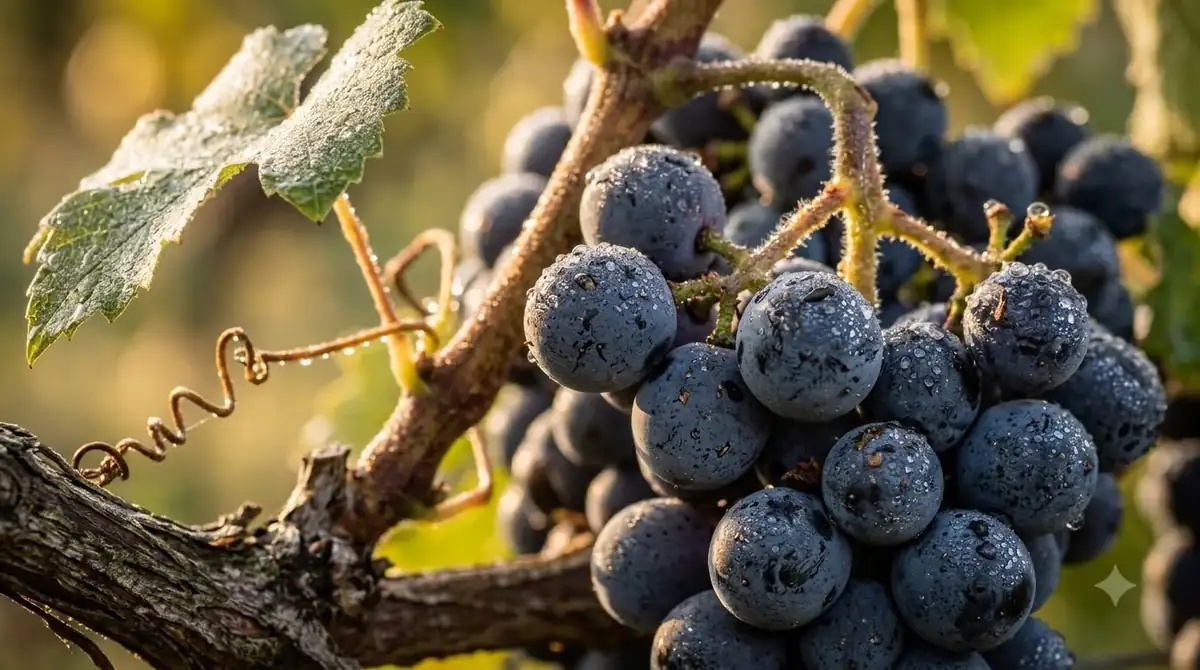
According to Wine Folly’s comprehensive grape guide, the grape is distinguished in the vineyard by small, compact bunches of tiny berries with unusually thick skins and high seed content. Those thick skins evolved to protect the fruit from mildew and rot in the damp coastal climate, yet they also contribute a subtle textural weight and a faint, pleasant bitterness reminiscent of grapefruit pith or raw green almond.
Labeling conventions mark the clearest practical difference between bottles from the two countries. Spanish producers in Rías Baixas frequently feature the grape name prominently on the front label, while Portuguese bottles traditionally emphasize the appellation—such as Vinho Verde or the sub-region Monção e Melgaço—alongside the varietal name. Additionally, while classic entry-level Vinho Verde is light, low-alcohol, and slightly spritzy, single-varietal Alvarinho from northern Portugal is typically a serious, still dry white wine with fuller body and higher alcohol.
Flavor Profile and Winemaking Styles
Alvarinho delivers an aromatic rush of citrus zest, ripe stone fruit, and white blossoms backed by mouthwatering acidity and a mineral, coastal snap. Because the grape naturally retains high acid levels even as sugars climb, winemakers can achieve generous fruit ripeness without sacrificing freshness.
Reviewers at Wine Enthusiast highlight floral aromatics on the nose alongside flavors of apricot, peach, lemon zest, and grapefruit, often clocking in around 12.5% alcohol by volume. Depending on the vineyard’s soil and warmth, the fruit spectrum shifts noticeably: cooler, granitic coastal sites yield sharper lime, lemon, and briny minerality, while warmer inland parcels with higher clay content bring out riper nectarine, honeydew melon, mango, and passion fruit. Exploring detailed alvarinho tasting notes shows how consistently that crisp, salty finish anchors the palate.
Winemakers shape Alvarinho into three main expressions depending on their cellar approach:
- Stainless-Steel Classic: Fermented and aged in temperature-controlled stainless steel tanks with no oak contact, preserving electric citrus, green apple, and floral aromatics for immediate drinking.
- Lees-Aged Reserve: Rested on fine yeast lees for several months with periodic stirring, adding creamy mid-palate texture, brioche complexity, and cellar longevity of five to seven years or more.
- Regional Blends: Combined with local Portuguese varieties such as Loureiro or Trajadura in Vinho Verde, where Alvarinho supplies structure and body while its partners contribute aromatic lift and softer acidity.
Where Alvarinho Grows Best
The historic heartland of Alvarinho sits in northwest Iberia along the Minho River valley, though coastal regions in California, Oregon, and Uruguay have also adopted the grape. Across all of these locations, maritime breezes and well-draining soils keep the vines healthy and preserve natural acidity.
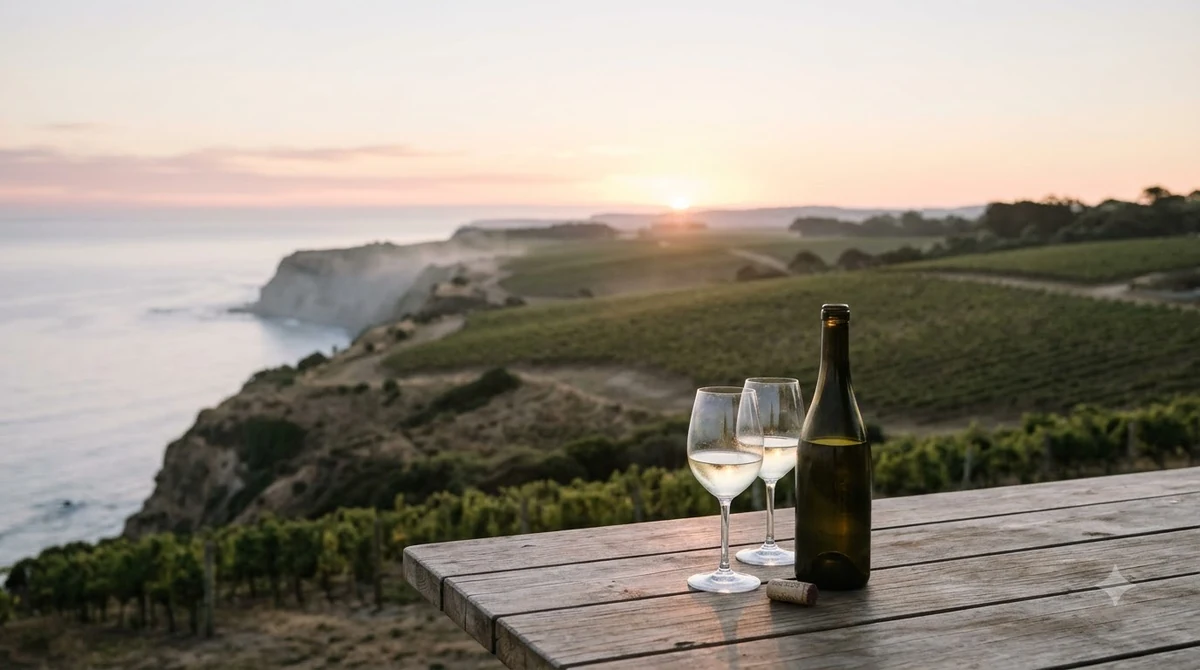
In northern Portugal, the Vinho Verde DOC encompasses roughly 7,067 acres of Alvarinho across nine sub-regions, with Monção and Melgaço standing as the undisputed epicenter. Located in the far north right along the Spanish border, Monção and Melgaço is shielded from heavy Atlantic rainstorms by surrounding hills, creating a hybrid maritime-and-continental microclimate. Warm summer days ripen the grapes fully, while cool nights lock in crisp acidity, yielding richer, fuller-bodied Alvarinho than anywhere else in Vinho Verde.
Across the river in Spain’s Rías Baixas DO, more than 13,300 acres of Albariño thrive in sub-regions like Val do Salnés, Condado do Tea, and O Rosal, where vines are famously trained high overhead on granite-post pergolas called parras to keep bunches dry above damp soils. Outside Iberia, cool-climate pockets in California’s Central Coast—including Edna Valley, Santa Ynez Valley, and Clarksburg—along with Oregon’s Umpqua Valley and coastal Maldonado in Uruguay produce mineral-driven expressions that mirror the Iberian coastal style.
| Region | Primary Label Name | Climate & Soil | Typical Style |
|---|---|---|---|
| Monção e Melgaço (Portugal) | Alvarinho / Vinho Verde | Sheltered inland river valley; granite and alluvial soils | Full-bodied for a coastal white, ripe stone fruit, structured acidity |
| Rías Baixas (Spain) | Albariño | Cool, wet Atlantic coast; sandy and granitic soils | Zesty citrus, pronounced salinity, crisp mineral finish |
| California Central Coast (USA) | Albariño | Morning coastal fog and ocean breezes; sandy loam and shale | Bright nectarine and grapefruit, clean texture, vibrant acid |
| Maldonado (Uruguay) | Albariño | Cool South Atlantic influence; weathered granite | Fresh tropical fruit, floral lift, firm mineral backbone |
How to Serve Alvarinho
Serve Alvarinho well chilled at 38°F to 45°F (3°C to 7°C) in a standard tulip-shaped white wine glass to spotlight its bright acidity and delicate floral aromatics. Serving it too warm dulls its refreshing citrus snap, while freezing temperatures mute the peach and blossom aromas on the nose.
About two hours in a standard home refrigerator brings a room-temperature bottle into the ideal serving range, or you can chill it in an ice-and-water bucket for 20 minutes before opening. Young, stainless-steel bottlings do not require decanting and are ready to pour straight from the bottle.
If you open an older, lees-aged, or oak-fermented Alvarinho, letting it warm slightly toward 48°F to 50°F in the glass helps coax out layered notes of toasted almond, beeswax, and preserved lemon. A standard white wine glass with a slightly tapered rim concentrates those aromatics far better than a wide, oversized bowl.
Tip: If your bottle of Alvarinho has been chilling in the back of the fridge for days, pull it out 10 to 15 minutes before pouring so the aromatics open up instead of staying locked behind the cold.
Best Food Pairings for Alvarinho
Alvarinho’s combination of high acidity, subtle salinity, and citrus-herb aromatics makes it a natural partner for seafood, fresh vegetables, and salty cheeses. Its crisp acid cuts through rich butter or fried batters, while its briny finish echoes ocean flavors without ever tasting metallic.
Classic coastal dishes sit at the top of any alvarinho food pairing list, including raw oysters, steamed clams, garlic shrimp, grilled sardines, and octopus drizzled with olive oil. The wine’s lime and grapefruit notes also make it an effortless match for citrus-cured ceviche, fish tacos topped with cilantro and cabbage slaw, and sushi or sashimi.
Beyond seafood, Alvarinho handles herbaceous vegetarian cooking and lighter meats with ease. Dishes dressed with salsa verde, pesto, asparagus, grilled shishito peppers, or fresh goat cheese play right into the grape’s grassy, citrusy profile, as do roast chicken with lemon and thyme or soft, milky cheeses like burrata and young Manchego.
How to Choose a Quality Bottle
Finding a rewarding bottle of Alvarinho comes down to reading the regional designation, checking the vintage date, and knowing whether you want a pure varietal wine or a lighter blend. Understanding how these bottles sit alongside other crisp whites in our Wine by Type guide makes browsing the wine shop shelf straightforward.
For the purest expression of Portuguese Alvarinho, look for “Monção e Melgaço” on the label alongside “100% Alvarinho,” which signals a more concentrated, single-varietal wine rather than a light, fizzy entry-level Vinho Verde. If you prefer something lighter in alcohol and more delicate, a blend pairing Alvarinho with Loureiro or Trajadura offers gentle floral charm and easy-drinking refreshment.
Always check the vintage year before buying. Most stainless-steel Alvarinho is crafted for freshness and tastes brightest within one to three years of harvest, whereas lees-aged or single-vineyard bottlings marked “Reserva” or “Vinha” carry the concentration to reward three to seven years in a cool cellar.
Frequently Asked Questions
Is Alvarinho the same grape as Albariño?
Yes, Alvarinho and Albariño are the exact same white grape variety. Producers in northern Portugal use the Portuguese spelling Alvarinho, while winemakers across the border in Spain’s Galicia region use the Spanish spelling Albariño.
Is Alvarinho a sweet or dry wine?
Alvarinho is almost always made as a crisp, dry white wine with vibrant natural acidity. While some entry-level Vinho Verde blends include a touch of residual sugar to balance their tartness, single-varietal Alvarinho bottlings are fermented dry.
How is Alvarinho different from regular Vinho Verde?
Vinho Verde is a geographic wine region in northern Portugal, whereas Alvarinho is a specific grape variety grown there. Standard Vinho Verde is typically a lighter, lower-alcohol blend with a slight spritz, while 100% Alvarinho—especially from Monção e Melgaço—is fuller-bodied, still, and more complex.
Does Alvarinho age well in the bottle?
Standard stainless-steel Alvarinho is best enjoyed young within one to three years of the vintage to capture its zesty citrus and floral freshness. However, high-acid, lees-aged, or oak-matured examples from top sites can develop rich honeyed and mineral complexity over five to ten years.
Whether you pick up a bright, steel-fermented bottle for weeknight fish tacos or a structured Monção e Melgaço reserve for a special seafood dinner, Alvarinho delivers reliable coastal freshness in every glass. Keep a bottle chilled in the fridge whenever you want a crisp white wine with real texture and character.
More in Wine Types & Grapes
 Zinfandel Sugar Content: Dry Red vs. White Zinfandel GramsUpdated Nov 21, 2026
 Best Zinfandel Substitute Options for Sipping and CookingUpdated Nov 21, 2026
 Zweigelt Food Pairing: Best Dishes, Cheeses, and Serving TipsUpdated Nov 21, 2026
 Zinfandel Tannins Explained: How Structure Shapes Every BottleUpdated Nov 21, 2026
 Zinfandel Sweetness Level: Dry Red vs. Sweet White Zin ExplainedUpdated Nov 21, 2026
 Xinomavro Food Pairing: Best Dishes, Styles, and Serving TipsUpdated Nov 21, 2026