

We may earn a commission when you buy through links on this page, at no extra cost to you. Learn more.
Alvarinho food pairing works best with seafood, grilled fish, shellfish, fresh vegetables, white meats, and lightly seasoned Asian dishes. This Portuguese white wine combines refreshing acidity with citrus, peach, tropical fruit, and sometimes a subtle mineral or salty character. Its versatility makes it a particularly useful choice for meals featuring lemon, herbs, olive oil, butter, and fresh ingredients.
Alvarinho is the Portuguese name for the grape called Albariño in Spain, where it is particularly associated with Galicia’s Rías Baixas region. In Portugal, it is an important variety in Vinho Verde, especially around Monção and Melgaço. Although different producers make different styles, the grape generally produces dry, aromatic wines with enough acidity to complement both delicate seafood and richer dishes. Understanding its freshness, body, and occasional oak influence makes choosing the right food considerably easier.
Understanding Alvarinho’s Flavor and Structure
Alvarinho’s defining characteristics are bright acidity, expressive fruit, and a dry finish. These qualities make it especially compatible with dishes that need freshness rather than the weight or tannin of a red wine.
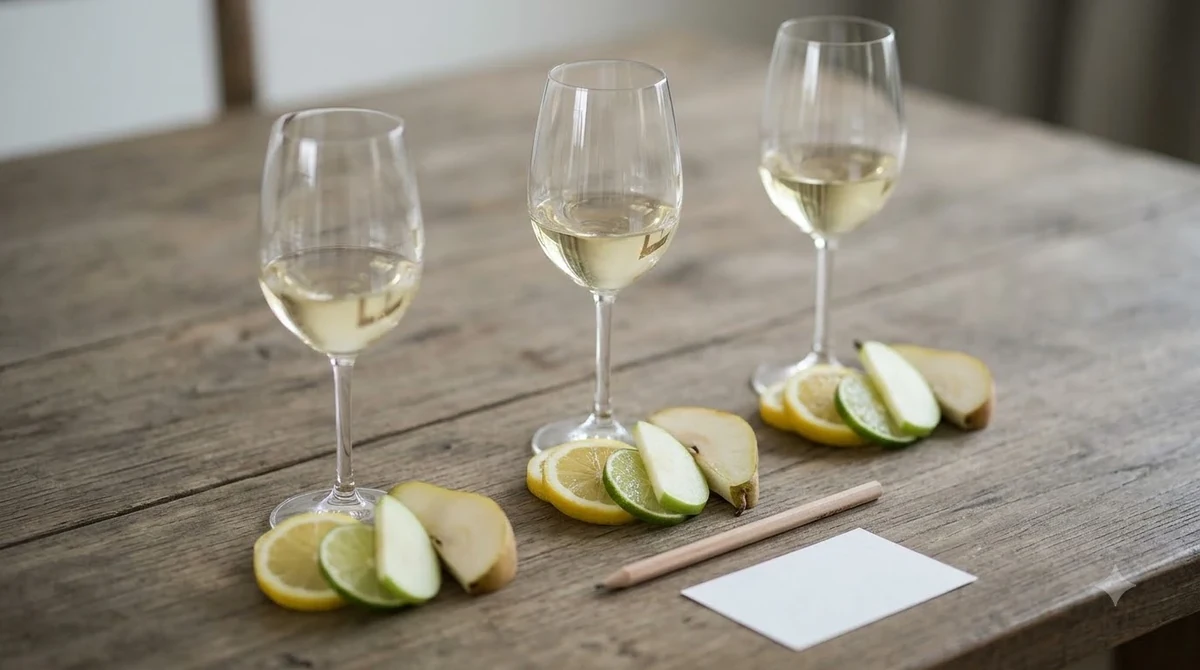
Most Alvarinho wines show citrus aromas such as lemon, lime, and grapefruit, accompanied by white peach, melon, and sometimes tropical fruit. Depending on the producer and growing location, additional notes can include ginger, white flowers, herbs, and a slightly salty mineral impression. The combination gives the wine enough personality to stand alongside flavorful food without overwhelming delicate ingredients.
Its acidity is particularly important for food matching. Acidic wines refresh the palate after bites of buttery seafood, fried appetizers, creamy sauces, or dishes containing olive oil. This is why Alvarinho can work with both simply prepared fish and richer recipes such as seafood risotto. Its freshness also makes it useful with foods containing lemon juice, vinegar, and fresh herbs, provided the wine has equal or greater acidity than the dish.
Body and alcohol also influence the best match. Many traditional examples are light to medium-bodied, while some wines from Monção and Melgaço have greater concentration and structure. For example, Soalheiro lists its Classic Alvarinho at approximately 12.5% alcohol, while Falua’s Barão do Hospital example has 13.5%. These differences matter when choosing between delicate shellfish and substantial dishes containing cream, roasted poultry, or richer sauces.
Oak and lees aging can also change the pairing possibilities. Stainless-steel wines tend to emphasize fresh fruit and mineral characteristics. Wines with additional lees contact or some oak influence can feel rounder and more textured, making them better candidates for buttery fish, richer poultry preparations, and aged cheeses.
For a broader understanding of how grape varieties influence food choices, the Wine by Type guide provides useful context for comparing white, red, rosé, and sparkling wines.
Seafood, Shellfish, and Fish Pairings
Seafood is the most dependable partner for Alvarinho. Its fresh acidity and citrus-driven flavors complement shellfish, white fish, grilled seafood, and dishes with delicate herbs or lemon-based sauces.
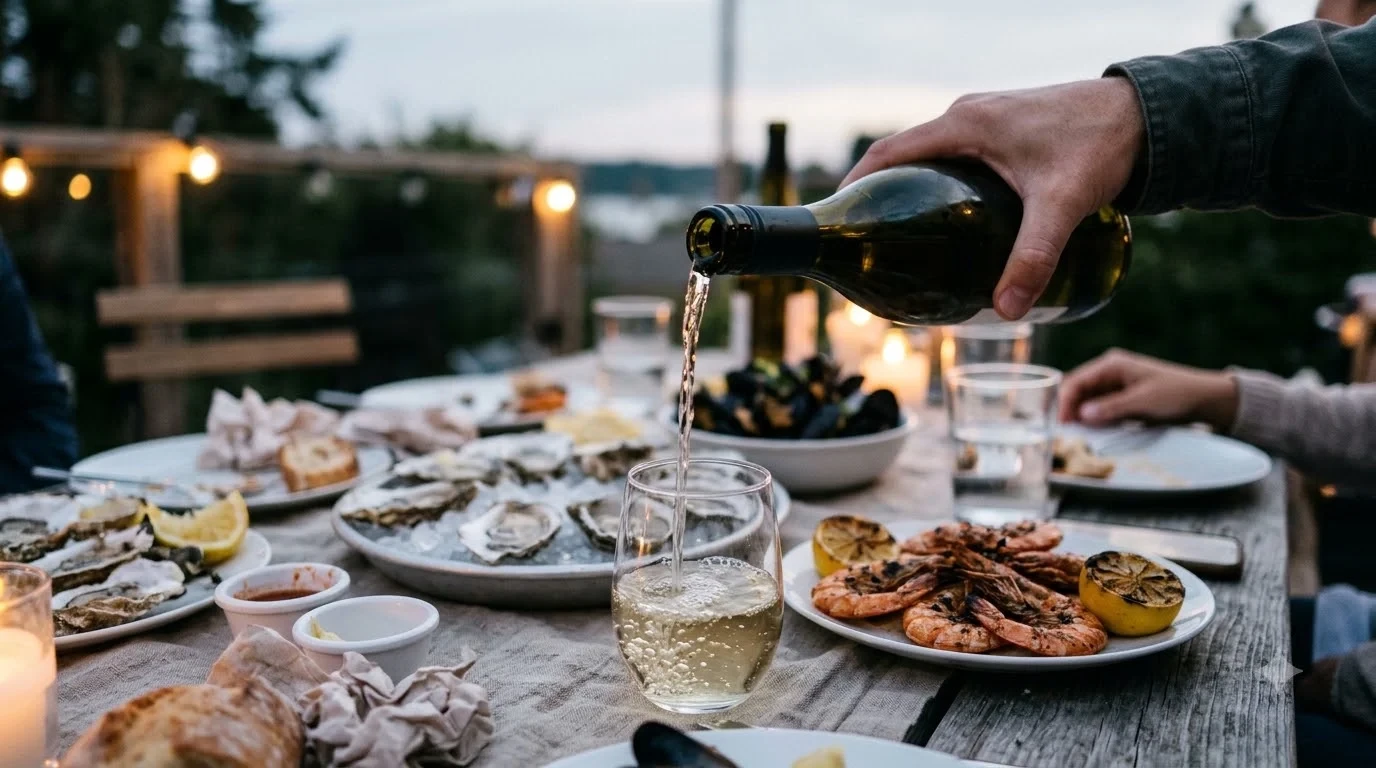
Start with oysters, clams, mussels, and shrimp. These ingredients have delicate flavors that benefit from a wine with freshness rather than strong oak, heavy alcohol, or aggressive tannin. Alvarinho’s mineral character can echo the briny impression of oysters, while its acidity refreshes the palate between bites.
Garlic shrimp is another excellent choice. Sauté shrimp in olive oil with garlic, parsley, lemon zest, and a small amount of butter. The wine’s citrus notes complement the lemon, while its acidity balances the richness of the cooking fat. Avoid adding excessive chili if the Alvarinho has noticeable alcohol, since alcohol can make chili heat feel more intense.
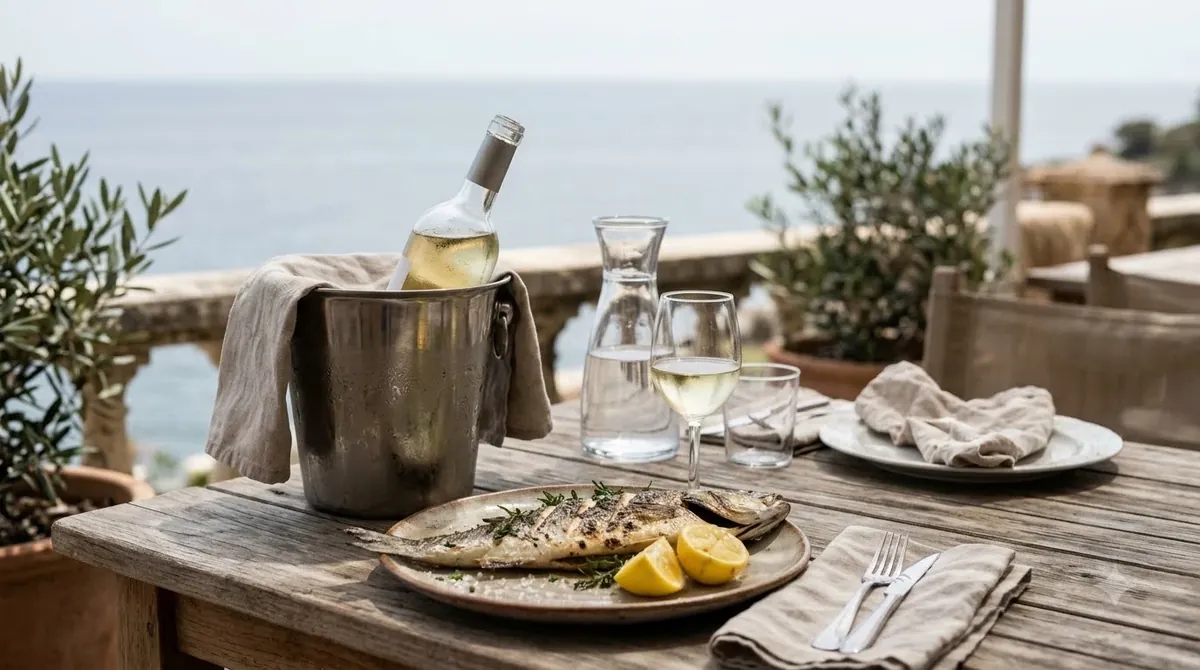
For grilled fish, try sea bass, cod, halibut, or bream. A simple preparation with olive oil, lemon, sea salt, and fresh thyme allows the fish and wine to complement one another. More structured Alvarinho can also accompany grilled sardines or salmon, particularly when the preparation includes herbs, citrus, or a fresh vegetable garnish.
Octopus is a particularly interesting match. Grilled octopus develops a slightly smoky exterior and a firm, savory texture. Alvarinho supplies the freshness needed to balance those flavors. A Spanish-style preparation with olive oil, smoked paprika, parsley, and lemon makes a natural partner for a dry example.
Other seafood dishes worth considering include:
- Seafood paella: Shrimp, mussels, clams, and white fish work well with Alvarinho’s acidity and citrus character.
- Crab cakes: Fresh herbs and lemon in the mixture complement the wine, while its acidity cuts through the richness of the preparation.
- Seafood risotto: The wine’s freshness offsets the creamy texture of Arborio rice and butter.
- Fish tacos: Grilled white fish, cabbage, cilantro, and lime create a particularly refreshing combination.
- Steamed mussels: Garlic, parsley, and white wine broth bring out the grape’s mineral and citrus qualities.
- Grilled scallops: A lightly browned surface and a lemon-butter sauce provide enough richness for a fuller Alvarinho.
Raw seafood also deserves attention. Sushi, sashimi, ceviche, and seafood crudo generally work well because their clean flavors suit a dry, aromatic white wine. For ceviche, choose a preparation with moderate lime acidity rather than an overwhelmingly sour marinade. The wine should remain fresh alongside the citrus rather than taste flat.
For an especially reliable match, choose a mineral, stainless-steel Alvarinho with oysters or steamed shellfish. A fuller bottle with additional lees contact is more suitable for seafood risotto, grilled octopus, and scallops with butter sauce.
Tip: Match the preparation as carefully as the seafood itself. Delicate steamed fish favors a fresh, lighter Alvarinho, while grilled octopus, butter-poached scallops, and creamy seafood risotto can benefit from a fuller, more structured example.
Chicken, Pork, and Other White Meats
Alvarinho is not limited to seafood. Its acidity, moderate body, and aromatic fruit make it a strong companion for chicken, turkey, pork, and other white meats, especially when the recipes feature herbs, citrus, or moderate amounts of butter.
Roast chicken is one of the easiest combinations. A whole chicken seasoned with lemon, rosemary, thyme, garlic, and olive oil provides savory flavors without excessive heaviness. Alvarinho complements the herbs and citrus while refreshing the palate after bites of crisp skin and roasted meat.
Chicken piccata is another excellent option. Its lemon, capers, butter, and pan sauce create a combination of acidity, salt, and richness. A dry Alvarinho has the freshness to stand alongside the lemon while its fruit prevents the pairing from becoming one-dimensional. Keep the sauce balanced rather than making it excessively sour.
Grilled chicken skewers also work well. Try marinating the meat in olive oil, garlic, lemon, oregano, and a little black pepper. Serve the skewers with grilled zucchini, tomatoes, or a cucumber salad. The wine’s citrus and floral notes connect naturally with the fresh ingredients.
Turkey is another useful choice, particularly roasted turkey breast or grilled turkey cutlets. These preparations have relatively delicate flavors and benefit from a wine that does not dominate them. A simple pan sauce containing herbs, stock, and a small amount of butter can make the pairing even more satisfying.
Pork requires slightly more attention because its preparation can range from delicate to rich and strongly seasoned. Grilled pork tenderloin with rosemary and lemon is a good match for a medium-bodied Alvarinho. Pork chops with apple and mustard sauce can also work, especially when the sauce is savory rather than sweet.
Smoked meats are worth considering, too. Falua specifically recommends its Barão do Hospital Alvarinho with dry-cured sausage and white meat. A lightly smoked chicken breast or mild cured pork preparation can complement a wine with sufficient fruit and structure.
There are some limitations. Heavily sweet barbecue sauces, intensely smoky meat, and extremely spicy marinades can overpower a lighter Alvarinho. For those preparations, reduce the sweetness and heat or select a more concentrated bottle with sufficient fruit to hold its position.
For a useful comparison with red wine options, Grenache Blanc food pairing offers another perspective on matching aromatic white wines with poultry, vegetables, and richer sauces.
Cheese, Salads, and Vegetable Dishes
Alvarinho pairs particularly well with salty cheeses, fresh salads, and vegetables prepared with olive oil, herbs, and citrus. Its acidity provides contrast to creamy textures, while its fruit complements fresh produce without requiring elaborate seasoning.
Start with goat cheese. Fresh chèvre has a tangy, creamy character that works well with a crisp white wine. Serve it with a green salad containing arugula, cucumber, apple, and a lemon vinaigrette. The wine’s acidity complements the cheese while its fruit balances the sharpness of the dressing.
Feta is another dependable option. Its saltiness and crumbly texture create a pleasing contrast with the fruit and freshness of Alvarinho. A Greek-style salad containing tomatoes, cucumber, red onion, olives, and feta is a particularly practical pairing for a warm-weather meal.
Manchego deserves a place on a cheese board. This Spanish sheep’s milk cheese can have a nutty, savory character that works with the fruit and mineral notes of Alvarinho. A younger or moderately aged Manchego is generally easier to pair than an intensely aged, concentrated cheese.
Other possibilities include:
- Burrata: Its soft, creamy center benefits from Alvarinho’s refreshing acidity. Add tomatoes and basil for a simple appetizer.
- Young Gouda: Mild sweetness and a smooth texture complement the wine’s peach and citrus flavors.
- Fresh mozzarella: Serve with tomatoes, basil, olive oil, and black pepper.
- Parmesan: Small portions of aged Parmesan can work with fuller Alvarinho, especially alongside olives or nuts.
Vegetables provide plenty of opportunities. Grilled zucchini, asparagus, bell peppers, eggplant, and green beans can all work, particularly when seasoned with garlic, lemon, and fresh herbs. The wine’s freshness complements vegetables cooked with olive oil, while its fruit helps balance mild bitterness from grilling or roasting.
Asparagus can be difficult with some wines because of its distinctive green flavors. Alvarinho is a useful option when the asparagus is served with butter, egg, or a light herb sauce. Avoid excessively bitter preparations, and consider adding lemon or olive oil to bring the dish into better balance.
Fresh salads also offer excellent results. Caesar salad works because the wine has sufficient acidity to complement the dressing, while the cheese and savory elements provide enough flavor to accompany the fruit. Vietnamese summer rolls containing shrimp, lettuce, mint, cilantro, and rice noodles are another appealing choice. Their fresh herbs and delicate ingredients suit the aromatic character of Alvarinho.
Grilled pimientos de Padrón and shishito peppers are particularly appropriate as appetizers. Their mild green flavor, lightly blistered skin, and flaky salt create an uncomplicated pairing. Since individual peppers can occasionally be hot, avoid serving them with a wine that has especially noticeable alcohol if the heat level is uncertain.
For a more substantial vegetarian meal, prepare roasted vegetables with chickpeas, parsley, lemon, and olive oil. Alvarinho’s acidity provides contrast to the chickpeas and oil, while the aromatic profile complements the herbs.
Asian Cuisine and Spicy Food
Alvarinho can accompany a wide range of Asian dishes, especially those featuring fresh herbs, seafood, citrus, ginger, and moderate chili. Its aromatic character makes it adaptable to different seasoning styles, although very hot dishes require some care.
Vietnamese cuisine offers several natural matches. Fresh summer rolls containing shrimp, herbs, rice noodles, and vegetables are particularly suitable. Their light texture and fresh ingredients complement the wine without overwhelming its delicate fruit. A dipping sauce containing lime, fish sauce, and a little sugar can also work, provided the sauce does not become excessively sweet or acidic.
Vietnamese grilled fish with dill, turmeric, and fresh herbs is another strong candidate. The wine’s citrus and mineral notes can complement the fish, while its acidity refreshes the palate after the savory seasoning. For dishes with a substantial amount of chili, choose a less alcoholic, fruit-forward example and keep the heat moderate.
Thai cuisine also provides good opportunities. Consider mild green curry with chicken, coconut milk, vegetables, and fresh basil. The wine’s acidity helps balance the creamy coconut base, while its fruit complements aromatic ingredients such as ginger and lemongrass.
However, spicy food requires attention to alcohol and chili intensity. Alcohol can amplify the sensation of chili heat, so a high-alcohol Alvarinho may be uncomfortable with heavily spiced preparations. Reduce the chili, serve cooling accompaniments, or choose a softer and more fruit-forward example when the dish is particularly hot.
Japanese dishes are often easier matches. Sushi and sashimi, especially preparations featuring white fish, shrimp, scallops, and cucumber, work naturally with dry Alvarinho. The wine’s acidity complements the clean flavors without requiring heavy sauces.
Tempura is another attractive option. Shrimp or vegetable tempura has a crisp coating and a relatively rich texture from frying. Alvarinho’s acidity refreshes the palate, while its fruit complements the delicate sweetness of shrimp and vegetables. A light dipping sauce is preferable to an excessively sweet one.
Chinese dishes can also work, particularly steamed fish with ginger and scallions, shrimp dumplings, vegetable stir-fries, and lightly seasoned seafood noodles. These recipes often combine savory ingredients with freshness, which suits the wine’s aromatic profile.
Useful Asian food matches include:
- Vietnamese summer rolls: Shrimp, mint, cilantro, lettuce, and rice noodles.
- Japanese sushi: Salmon, white fish, shrimp, and vegetable rolls.
- Thai coconut curry: Mild chicken or vegetable curry with ginger and basil.
- Chinese steamed fish: Ginger, scallions, soy sauce, and a little sesame oil.
- Shrimp tempura: Crisp seafood with a restrained dipping sauce.
- Vegetable dumplings: Lightly seasoned fillings with fresh herbs.
For stronger flavors, avoid combining extremely hot chili oil, very sweet sauces, and high alcohol in the same meal. The goal is to preserve the wine’s refreshing character rather than force it to compete with intense seasoning.
Matching Alvarinho with Richness, Acidity, and Cooking Methods
The most successful pairings consider how the cooking method changes the weight and flavor of a dish. Alvarinho’s acidity is useful with rich ingredients, but its body and intensity should also match the overall concentration of the food.
Butter, cream, olive oil, and fried coatings can all create opportunities for Alvarinho. The wine’s acidity cuts through fatty textures and refreshes the palate, particularly when the dish includes lemon, herbs, or other aromatic ingredients.
For example, fish with beurre blanc can work with a fuller Alvarinho that has some lees-derived texture. The wine should have enough body to accompany the sauce rather than disappear behind it. A lighter stainless-steel example is better with steamed cod or a simply grilled white fish fillet.
Fried foods also benefit from acidity. Fried calamari, shrimp fritters, bacalao fritters, and lightly battered fish can all pair successfully with a dry Alvarinho. A lemon wedge and fresh parsley make the combination even more effective.
Salt can help the pairing as well. Salted seafood, olives, feta, and lightly seasoned fried foods can soften the perception of acidity and emphasize fruit. However, extremely salty ingredients should be balanced with enough freshness in the dish to avoid making the overall combination harsh.
Sweetness is a more difficult issue. A dry Alvarinho can taste overly sharp beside a sweet glaze or dessert. If a dish contains honey, fruit reduction, or a sweet barbecue sauce, keep the sweetness moderate. For dessert, the wine should be at least as sweet as the food, which means most dry Alvarinho wines are better reserved for savory courses.
Acidic foods require similar care. A ceviche marinade, lemon dressing, or vinegar-based salad should not have significantly more acidity than the wine. Otherwise, the Alvarinho may taste less lively and more neutral. Adjusting the quantity of citrus or vinegar can make the pairing much more balanced.
The following table provides practical starting points for common dishes. The serving recommendations use standard wine-service ranges, while the food matches reflect Alvarinho’s usual dry, fresh style.
| Food | Preparation | Recommended Alvarinho style |
|---|---|---|
| Oysters | Raw with lemon | Fresh, mineral, unoaked |
| Sea bass | Grilled with herbs | Light to medium-bodied |
| Scallops | Pan-seared with butter | Fuller, textured |
| Shrimp | Garlic and olive oil | Dry, citrus-driven |
| Roast chicken | Lemon and rosemary | Medium-bodied |
| Goat cheese | Fresh with salad | High-acidity, aromatic |
| Manchego | Moderately aged | Structured, dry |
| Sushi | White fish and shrimp | Fresh, unoaked |
| Vegetable tempura | Lightly fried | Crisp, high-acidity |
These are general recommendations rather than strict rules. A richer wine can accompany a delicate dish if the sauce is substantial, while a lighter example can work with a more flavorful recipe if the ingredients remain balanced.
When comparing related wine varieties, Blaufränkisch food pairing and Carignan food pairing illustrate how red wines with different tannin levels require different approaches to seafood, meat, and vegetable dishes.
Serving Temperature, Glassware, and Choosing a Bottle
Serve Alvarinho chilled but not excessively cold. A temperature of approximately 45–50°F is a practical starting point for most fresh, unoaked examples, while fuller wines with additional lees contact or oak can benefit from slightly warmer service.
Very cold wine can suppress aromas, making the peach, citrus, floral, and mineral characteristics less noticeable. If the bottle comes directly from a particularly cold refrigerator, allow it a few minutes to warm in the glass. This is especially helpful with fuller Alvarinho wines intended for grilled fish, poultry, or richer seafood dishes.
A standard white wine glass is suitable. Choose a glass with enough bowl space to collect the wine’s aromas, but there is no need for specialized glassware. A moderate pour of approximately 5 ounces leaves enough room to swirl the wine and appreciate its fragrance.
Alvarinho styles vary considerably between producers. The following distinctions can help when choosing a bottle for a specific meal.
Fresh stainless-steel Alvarinho
This style emphasizes citrus, green fruit, white peach, and freshness. It is especially suitable for raw oysters, sushi, steamed shellfish, fresh salads, and grilled white fish. The absence of prominent oak keeps the wine’s profile clean and direct.
Lees-aged Alvarinho
Lees aging can provide additional texture and a fuller impression on the palate. These wines are useful with seafood risotto, scallops, roast chicken, creamy sauces, and moderately aged cheeses. The additional texture gives them greater flexibility with richer food.
Oak-influenced Alvarinho
Some producers use oak to add structure and complexity. These examples may show more rounded textures and additional savory or nutty characteristics. They can work with roasted poultry, grilled salmon, butter-based seafood preparations, and smoked meats.
Producer information can help identify these differences. For instance, Soalheiro’s Classic Alvarinho information describes a dry wine from Monção and Melgaço that ferments in stainless steel and ages on fine lees. It is recommended with seafood, grilled fish, white meat, aged cheese, and smoked meat.
Another useful example is Falua’s Barão do Hospital Alvarinho. Its technical information reports 13.5% alcohol, 6.5 g/L total acidity, and less than 2 g/L residual sugar. The wine also includes a component fermented and aged in used French oak barrels for six months, illustrating how a traditionally fresh grape can develop additional texture and complexity.
For a broader comparison of grape varieties, the Total Wine Albariño and Alvarinho guide also discusses the grape’s regional characteristics, flavors, and recommended food combinations.
Once opened, keep the bottle refrigerated and recorked. Most still white wines retain their best qualities for approximately 3–5 days after opening, although their aromas and freshness can gradually diminish. Store unopened bottles away from direct sunlight and excessive heat.
Frequently Asked Questions
Is Alvarinho the same grape as Albariño?
Yes. Alvarinho is the Portuguese name, while Albariño is the Spanish name used for the same grape variety. In Portugal, the variety is particularly associated with Monção and Melgaço, while Spain’s Rías Baixas region is a major center of Albariño production. The regional names and winemaking traditions can produce noticeably different expressions.
Is Alvarinho always a dry wine?
Most Alvarinho wines encountered in everyday wine selections are dry, but the grape can also be used in sparkling and other specialized styles. Some producers experiment with late-harvest expressions that have greater residual sugar. The grape’s naturally aromatic character remains recognizable across these different approaches.
Can Alvarinho be aged in a wine cellar?
Yes. Although many fresh, unoaked examples are intended for drinking relatively young, more structured Alvarinho can develop additional complexity in the bottle. Soalheiro describes its Classic wine as having considerable bottle-aging potential. The producer and style are important considerations when deciding whether to cellar a particular bottle.
Does Alvarinho work as an aperitif before dinner?
Yes. Its dry profile, refreshing acidity, and aromatic fruit make it a natural aperitif. Serve it alongside olives, salted almonds, shrimp appetizers, mild cheeses, or small seafood bites. A standard 5-ounce pour is a practical serving before a meal.
Can Alvarinho be served with vegetarian pasta?
Yes. Pasta with lemon, olive oil, zucchini, asparagus, peas, or fresh herbs can complement the grape particularly well. A lighter pesto pasta can also work because the wine’s acidity balances the olive oil and cheese in the sauce. Avoid very sweet tomato sauces or exceptionally rich preparations that overpower a delicate bottle.
Alvarinho is one of the most adaptable choices for seafood-focused meals, fresh vegetables, poultry, and moderately rich dishes. Start with grilled fish, shrimp, oysters, or goat cheese, then explore its versatility with Asian cuisine and herb-driven recipes. Serve it properly chilled and choose a wine with enough body to match the richness of the food.
More in Wine Types & Grapes
 Zinfandel Sugar Content: Dry Red vs. White Zinfandel GramsUpdated Nov 21, 2026
 Best Zinfandel Substitute Options for Sipping and CookingUpdated Nov 21, 2026
 Zweigelt Food Pairing: Best Dishes, Cheeses, and Serving TipsUpdated Nov 21, 2026
 Zinfandel Tannins Explained: How Structure Shapes Every BottleUpdated Nov 21, 2026
 Zinfandel Sweetness Level: Dry Red vs. Sweet White Zin ExplainedUpdated Nov 21, 2026
 Xinomavro Food Pairing: Best Dishes, Styles, and Serving TipsUpdated Nov 21, 2026