

We may earn a commission when you buy through links on this page, at no extra cost to you. Learn more.
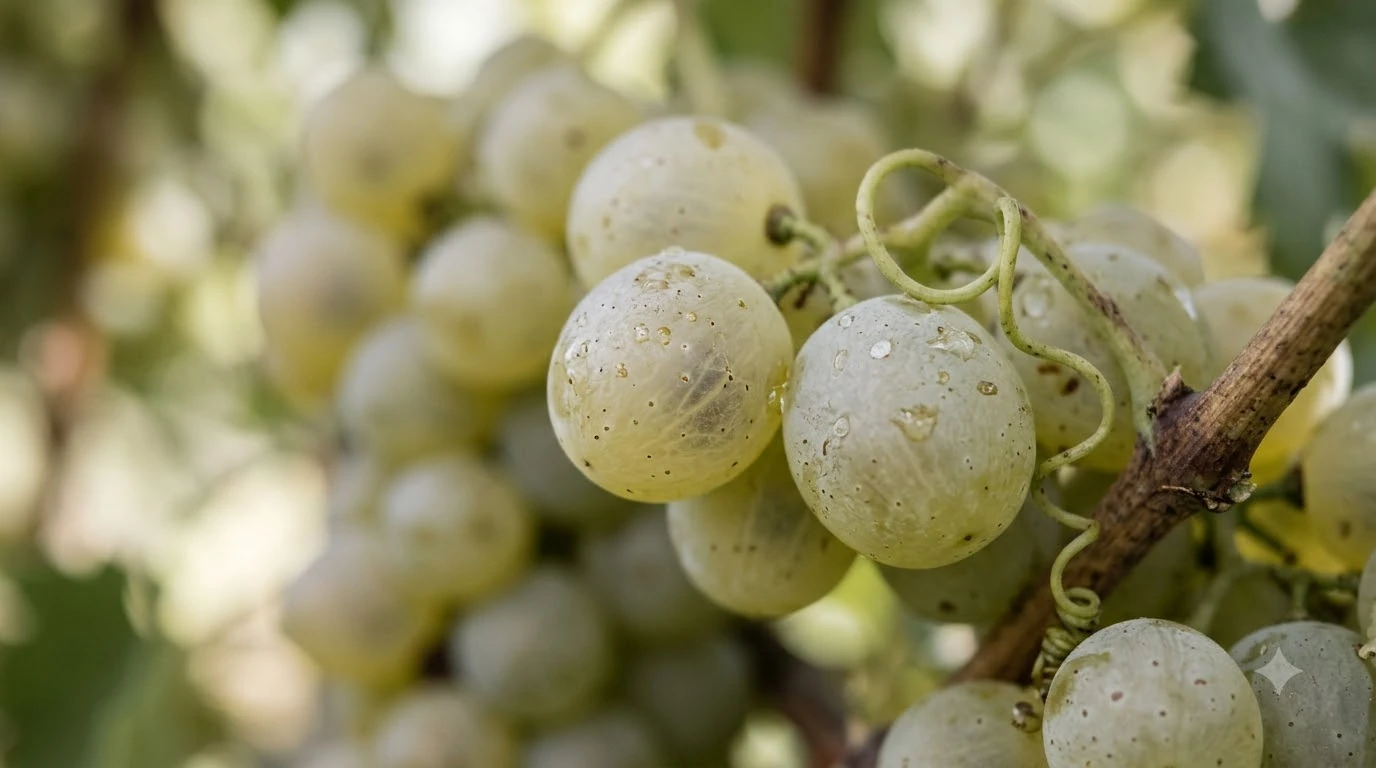
If you are wondering what is airen, it is a hardy white wine grape native to central Spain that ranks among the most widely planted wine varieties in the world. Grown predominantly across the arid plains of Castilla-La Mancha and Valdepeñas, the grape produces light-bodied, dry white wines with subtle notes of green apple, citrus, and melon. Historically used as a neutral base wine for Spanish brandy, modern winemakers are increasingly crafting crisp, single-varietal bottles from old bush vines.
Despite covering hundreds of thousands of acres across the Iberian Peninsula, Airén remains unfamiliar to many casual wine drinkers outside Spain. Understanding this drought-tolerant workhorse grape opens the door to affordable, food-friendly Spanish whites and distinctive skin-contact bottles that showcase central Spain’s high-altitude terroir.
What it is
Airén (pronounced eye-REN) is an indigenous Spanish white grape variety celebrated for its extraordinary resilience in extreme heat and drought. While it held the title of the world’s most cultivated grape in the 1990s before dropping to fourth place globally, it continues to dominate Spain’s vineyard landscape.
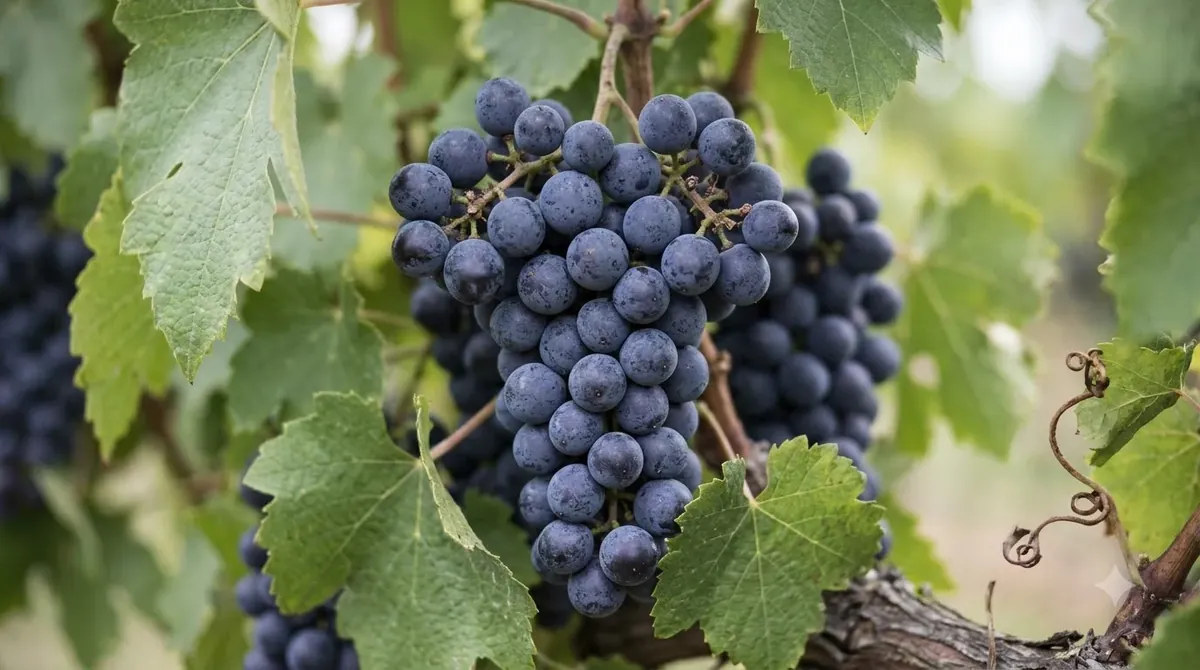
Written records of the grape date back to the 15th century, when it was known as Lairén, and a 1615 text referred to it as Datileña because its tightly packed clusters resembled dates. For centuries, growers relied on the airen grape because it thrives in poor, rocky soils without irrigation and reliably delivers fruit even during brutal summer dry spells. Because the vines are traditionally planted at low densities—often around 1,500 vines per hectare—each bush vine enjoys ample access to sunlight and scarce groundwater.
Historically, the vast majority of the harvest went straight into massive cooperative vats to produce neutral bulk wine or base wine for Spanish brandy, particularly around Valdepeñas and Tomelloso. In recent decades, however, quality-focused vintners have begun harvesting earlier and reducing yields on 50- to 100-year-old ungrafted bush vines, proving that airen wine offers far more character than its industrial reputation once suggested. If you want to order it with confidence at a wine bar or shop, checking a quick guide on how to pronounce airen ensures you hit the stress on the second syllable.
Flavor and styles
In the glass, dry Airén delivers a clean, light- to medium-bodied profile marked by restrained aromatics, gentle acidity, and zero tannins. Classic tasting notes include green apple, pear, lemon zest, honeydew melon, and faint herbal or almond undertones.
As Wine Folly notes, ripe examples can also show hints of pineapple, banana, and rose, while winemakers frequently blend Airén with higher-acid varieties like Viura, Verdejo, or Sauvignon Blanc to add brightness. Because the grape naturally carries lower acidity than Sauvignon Blanc or Albariño, harvest timing is critical. Picking early preserves crisp citrus and orchard-fruit tension, whereas later harvests yield rounder, softer wines with a subtle waxy texture.
Today, you will encounter Airén in several distinct expressions depending on cellar techniques and regional traditions. Most bottles fall between 11% and 13% ABV and are meant to be enjoyed young within one to two years of the vintage.
| Style | Winemaking Approach | Key Flavor Notes | Body and Texture |
|---|---|---|---|
| Unoaked Young White (Joven) | Early harvest, gentle pressing, cool stainless steel fermentation | Green apple, lemon rind, pear, fresh herbs | Light-bodied, crisp, clean finish |
| Old-Vine Lees-Aged White | Low-yielding bush vines, extended lees contact or brief oak maturation | Almond, ripe melon, pineapple, wet stone | Medium-bodied, waxy, rounded mouthfeel |
| Skin-Contact / Amber (Orange) | Extended maceration on grape skins, often in clay amphorae (tinajas) | Dried herbs, bruised apple, orange peel, spice | Textural, savory, subtle grip |
| Traditional Blending White | Co-fermented or blended with Verdejo, Viura, or Sauvignon Blanc | Grapefruit, white peach, lime, cut grass | Lively, balanced, refreshing |
Natural and minimal-intervention winemakers in central Spain have also revived traditional clay amphorae, known locally as tinajas, to ferment Airén on its skins. These amber-hued bottlings trade simple citrus refreshment for savory dried-herb complexity and a grippy, tactile finish.
Where it grows
Roughly 92% to 95% of the world’s Airén vineyards grow in Spain, anchored in the vast central plateau of Castilla-La Mancha south of Madrid. Small plantings also exist in France, North Africa, South America, and Australia, where the fruit typically goes into brandy distillation or inexpensive sparkling blends.
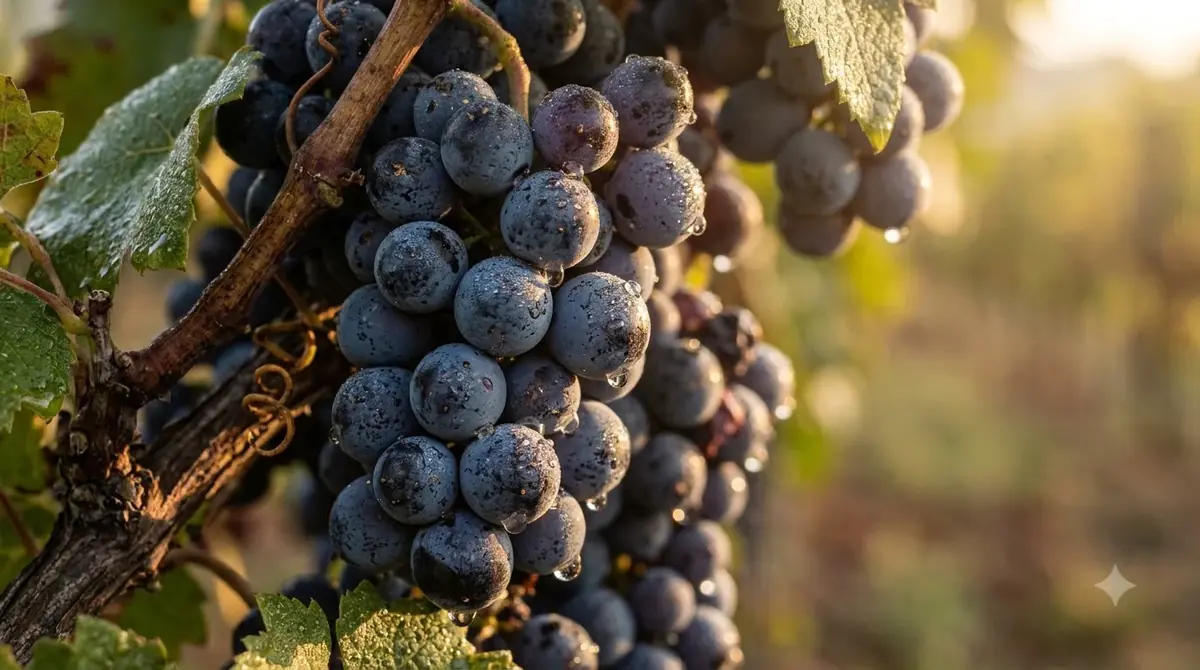
Within Castilla-La Mancha—the largest demarcated wine region on earth—Airén thrives at altitudes between 600 and 700 meters above sea level. The climate here is extreme continental, swinging from scorching summer highs near 45°C down to freezing winter lows around -10°C, with minimal annual rainfall. Permeable, sandy, and calcareous soils with chalk deposits force the vines to send roots deep underground, while pale, reflective earth amplifies sunlight to ripen the thick-skinned berries.
Adjacent Denominación de Origen (DO) Valdepeñas represents the other major stronghold for Airén, alongside broader Vino de la Tierra de Castilla bottlings. While total acreage has declined over the past few decades as growers uprooted high-yielding bulk vineyards in favor of international varieties or red grapes like Cencibel (Tempranillo), tens of thousands of hectares of historic bush-vine Airén remain. For readers exploring how regional climates shape different bottles across Wine by Type, La Mancha’s high-altitude plateau offers a textbook example of dry-farmed viticulture.
How to serve
Serve dry Airén well chilled at 46°F to 50°F (8°C to 10°C) in a standard white wine glass to accentuate its crisp citrus and green-apple aromas. Because the grape has naturally moderate-to-low acidity, proper chilling keeps the palate lively and prevents the wine from feeling flat.
If you are pouring a richer, old-vine bottling, a lees-aged expression, or a skin-contact amber Airén, let the bottle warm slightly toward 52°F to 55°F (11°C to 13°C). Serving textured styles a few degrees warmer reveals subtle notes of toasted almond, dried meadow herbs, and stone fruit that ice-cold temperatures otherwise mute. Standard stainless-steel bottlings require no decanting—simply uncork or unscrew and pour straight from the refrigerator.
Tip: Treat young, unoaked Airén like a fresh seasonal beer or crisp Pinot Grigio—drink it within 12 to 24 months of the harvest date printed on the label so its delicate orchard-fruit aromas stay vibrant.
Food pairing
Airén’s clean, unpretentious character makes it a versatile partner for light, salty, and citrus-driven dishes rather than heavy, sauce-laden entrees. Its gentle acidity complements delicate flavors without overpowering subtle ingredients on the plate.
In its Spanish homeland, Airén is the quintessential afternoon tapas pour. According to Wine-Searcher, the grape excels alongside grilled sardines, garlic prawns, steamed Chinese broccoli, and lemon-heavy seafood dishes, while heavy red meats and game birds will overwhelm its delicate frame. Crispy fried calamari, classic Spanish tortilla española, Marcona almonds, green olives, and young Manchego cheese all play right into the wine’s refreshing, palate-cleansing profile.
Beyond Spanish tapas, reach for a chilled bottle when serving chilled gazpacho, ceviche, poached salmon, herb-roasted chicken, or summer grain salads dressed with lemon vinaigrette. If you have a skin-contact amber Airén on the table, its extra grip and savory herbal edge stand up nicely to cured chorizo, grilled vegetables, and mild, creamy cow’s-milk or sheep’s-milk cheeses.
How to choose a bottle
When shopping for Airén, look closely at label clues that distinguish mass-market bulk wine from thoughtful, single-varietal bottlings. Prioritize bottles that explicitly list “Airén” on the front label rather than generic table-wine blends, and check the back label for references to low yields, cool fermentation, or estate bottling.
Spanish phrases such as viñas viejas (old vines) or pie franco (ungrafted vines planted on their original rootstocks) signal that the fruit comes from mature, low-yielding bush vines capable of deeper flavor concentration. Producers working with 50- to 100-year-old parcels in Castilla-La Mancha and Valdepeñas often highlight single-vineyard designations or traditional clay-jar aging on their packaging. Finally, always verify the vintage year—unless you are buying an intentionally oxidative or barrel-aged style, pick the most recent harvest available on the shelf to guarantee peak freshness.
Frequently Asked Questions
Is Airén wine sweet or dry?
Nearly all single-varietal Airén wines are fermented completely dry. In warmer vintages, ripe notes of honeydew melon, banana, or pineapple can give the wine a soft, fruity impression on the mid-palate, even though virtually no residual sugar remains.
What is Airén mainly used for besides table wine?
A substantial portion of Spain’s annual Airén harvest is distilled into Spanish brandy, particularly Brandy de Jerez and spirits produced around Tomelloso and Valdepeñas. Its neutral aromatic profile and moderate alcohol level make it an ideal base wine for distillation.
Does Airén taste like Pinot Grigio or Sauvignon Blanc?
Well-made, unoaked Airén shares the crisp, light-bodied, easy-drinking appeal of northern Italian Pinot Grigio. Compared to Sauvignon Blanc, however, Airén has noticeably lower acidity and far less pungent grassy or tropical aromatics, offering a softer, more understated glass of white wine.
Can you age Airén wine in a cellar?
Standard stainless-steel Airén is not built for long-term cellaring and tastes best within one to two years of harvest while its fresh apple and citrus notes are intact. Only rare, old-vine bottlings aged on their lees, in oak barrels, or in oxidative styles are meant to develop over several years.
From its roots on the sun-baked plains of La Mancha to modern cellar revivals using ungrafted bush vines, Airén proves that Spain’s quietest workhorse grape deserves a spot in your refrigerator. Whether you pour a crisp, stainless-steel bottle alongside afternoon tapas or explore a textured skin-contact release, this resilient white delivers authentic Spanish character without pretense.
More in Wine Types & Grapes
 What Is Black Muscat? Flavor, Styles, and How to Serve ItUpdated Nov 21, 2026
 What Is Baco Noir? Origins, Flavor Profile, and Pairing GuideUpdated Nov 21, 2026
 What Is Alvarinho? A Complete Look at Portugal’s Crisp Coastal GrapeUpdated Nov 21, 2026
 What Is Auslese? How to Read, Serve, and Pair This German WineUpdated Nov 21, 2026
 What Is Arneis? Tasting Notes, Origins, and Pairing GuideUpdated Nov 21, 2026
 What Is Aglianico? A Guide to Italy’s Bold Southern Red WineUpdated Nov 21, 2026