

We may earn a commission when you buy through links on this page, at no extra cost to you. Learn more.
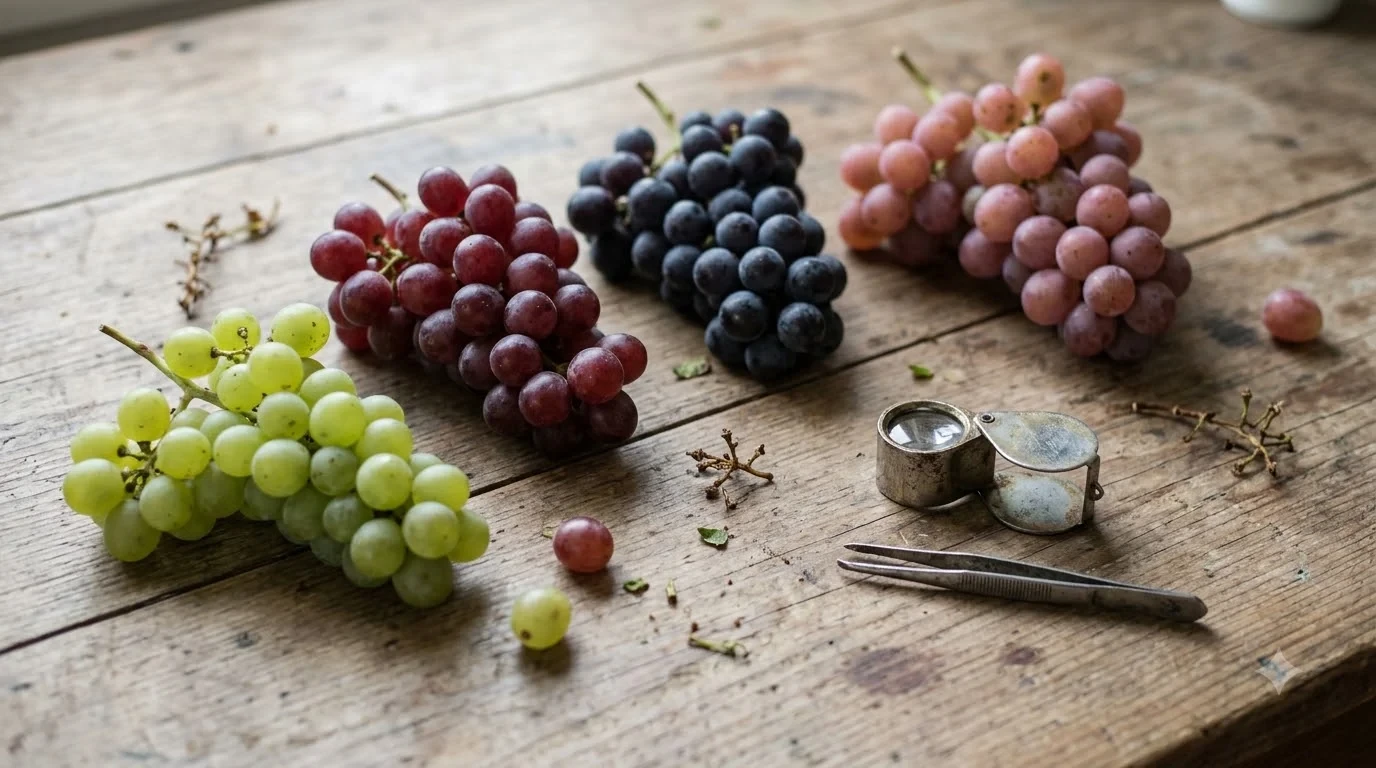
Wisconsin wine grapes are primarily cold-hardy hybrid varieties such as Marquette, Frontenac, La Crescent, Brianna, and Frontenac Gris, which produce distinctive red, white, rosé, and dessert wines suited to the state’s challenging climate. Unlike traditional European vineyards, Wisconsin growers depend on grapes bred to withstand freezing winters and relatively short growing seasons. These varieties offer flavors ranging from cherry, black pepper, and plum to apricot, citrus, and tropical fruit. Understanding the grapes makes it easier to recognize what gives Wisconsin wine its regional character.
Wisconsin has developed a recognizable wine identity through grape breeding, careful vineyard management, and experimentation with cold-climate varieties. Its vineyards stretch across different landscapes, from the Niagara Escarpment to the Mississippi River region and the rolling countryside of southern Wisconsin. Although the state does not rely on the same grapes as California or Bordeaux, its hybrid varieties can produce expressive wines with distinctive acidity, fruit, and structure. The following guide explains the leading grapes, where they grow, how their wines taste, and what to look for when choosing a Wisconsin bottle.
Why Wisconsin’s Climate Favors Cold-Hardy Wine Grapes
Wisconsin’s cold winters and comparatively short growing season make grape selection one of the most important decisions for vineyard owners. Cold-hardy hybrids offer a practical way to produce wine grapes without relying exclusively on winter protection for traditional European vines.
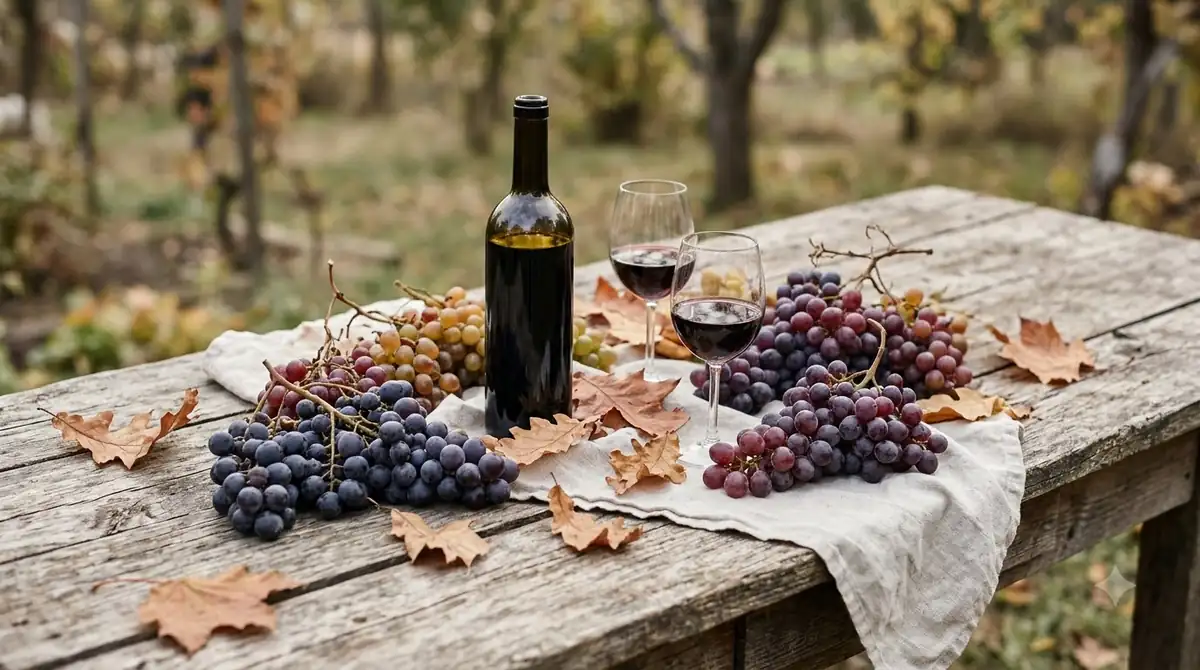
Many classic wine grapes belong to the European species Vitis vinifera. Cabernet Sauvignon, Merlot, Pinot Noir, and Chardonnay are familiar examples. While these grapes can grow in certain protected locations in colder climates, their vines and buds are generally more vulnerable to severe winter temperatures than varieties bred for the Upper Midwest.
Wisconsin growers therefore rely heavily on interspecific hybrids. These grapes combine genetic characteristics from European wine grapes and North American species, including Vitis riparia. The resulting cultivars can retain useful wine-quality characteristics while offering greater resistance to cold weather and certain vineyard diseases.
The University of Wisconsin Extension recommends considering three main factors when choosing grapes: winter hardiness, early ripening, and fruit quality. A vine that survives winter but cannot ripen its fruit before autumn temperatures fall is not necessarily a suitable commercial choice.
Site selection matters just as much as variety selection. Southern Wisconsin Extension guidance recommends warm, sunny, sheltered planting locations, preferably on southern-facing slopes. These sites can receive more sunlight and provide favorable conditions for fruit development. Low-lying areas are less desirable because cold air can accumulate there, increasing the risk of frost damage.
Growing-season length also influences the choice of cultivars. Some grapes ripen relatively early, while others need more time to develop sufficient sugar and flavor. Frontenac, for example, generally ripens later than Brianna, so harvest timing and autumn weather can affect the final wine style.
Cold hardiness does not mean that a grapevine is immune to vineyard problems. Downy mildew, powdery mildew, and black rot remain important concerns. University of Wisconsin research has documented how susceptibility differs between cultivars, making regular scouting and variety-specific disease management essential.
Wisconsin’s Leading Red Wine Grapes
Marquette, Frontenac, and Petite Pearl are three important red wine grapes associated with Wisconsin’s cold-climate wine industry. They offer different combinations of fruit intensity, acidity, tannin, and winemaking flexibility.
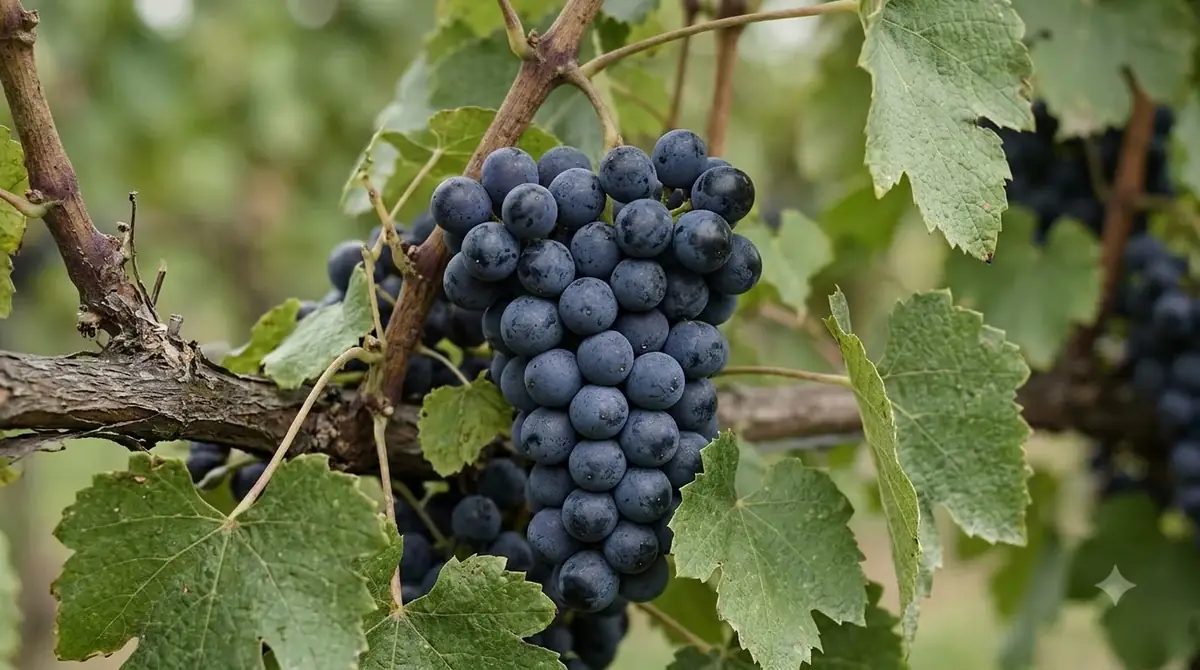
Marquette is one of the most recognizable cold-climate red grapes. Developed by the University of Minnesota and introduced in 2006, it is related to the Frontenac breeding family and has Pinot Noir in its broader genetic background. Its ability to withstand cold winters has made it an important option for vineyards across the Upper Midwest.
Marquette wines commonly feature cherry, blackberry, dark berry, black pepper, and spice characteristics. Their ruby color and noticeable tannin give them a recognizable red-wine structure. Depending on vineyard conditions and winemaking, the resulting wine can range from a relatively approachable medium-bodied red to a more structured bottle with oak influence.
Marquette also offers flexibility beyond traditional dry red wine. Producers can use it for rosé or include it in blends. Its fruit profile makes it particularly useful for drinkers who enjoy flavorful reds but want to explore something outside the familiar Cabernet Sauvignon and Merlot categories.
Frontenac is another important red variety. Introduced by the University of Minnesota in 1996, it is known for exceptional cold hardiness and vigorous vine growth. The University of Minnesota reports that it can survive winter temperatures around -35°F with relatively little damage compared with less hardy varieties.
Frontenac produces wines with cherry, blackberry, black currant, and plum notes. Its naturally high acidity is one of its defining characteristics. Winemakers may use different fermentation and blending approaches to achieve balance, including techniques that reduce excessive acidity when necessary.
Its versatility is another advantage. Frontenac can become dry red wine, rosé, or sweeter red wine. It can also be used for fortified and dessert-style bottlings. Some producers prefer a fruit-forward expression, while others use oak aging to develop additional texture and complexity.
Petite Pearl provides another option for Wisconsin red wine production. Its relatively late budbreak can be helpful in areas where spring frost presents a concern. The grape produces dark-red wines with ripe-fruit characteristics and comparatively soft, mid-mouth tannins.
Petite Pearl is moderately vigorous and has relatively manageable growth characteristics. Its flavor profile can suit both standalone bottlings and blends. For drinkers who find some cold-climate reds too sharp or tannic, Petite Pearl may offer a softer alternative.
Other red varieties found in Wisconsin include Maréchal Foch, St. Croix, Sabrevois, and Verona. These grapes give producers additional choices for different vineyard conditions and wine styles. Maréchal Foch, for example, is an early-budding variety that can produce red, rosé, and Port-style wines, while Sabrevois is often associated with darker, fruit-forward sweet reds.
White Wine Grapes That Define Wisconsin’s Style
Brianna, La Crescent, Frontenac Blanc, and Frontenac Gris are important white and gray-skinned grapes in Wisconsin. Their wines range from tropical and floral to citrus-driven, aromatic, and naturally high in acidity.
Brianna has a particularly strong connection to Wisconsin grape growing. Developed by Elmer Swenson, this winter-hardy white grape is known for vigorous growth and productive vines. It can produce wines with grapefruit, pineapple, and other tropical fruit characteristics.
Brianna is flexible in the winery. Depending on harvest conditions and fermentation choices, producers can make it in dry or sweeter styles. Its tropical fruit character makes it a useful introduction for drinkers who enjoy aromatic white wines with pronounced fruit flavors.
Vineyard management remains important, however. University of Wisconsin research has identified susceptibility to powdery mildew and black rot in Brianna plantings. The grape’s vigorous growth also makes canopy management important for maintaining airflow and fruit exposure.
La Crescent is one of the most aromatic cold-climate white grapes. Released by the University of Minnesota in 2002, it produces wines with apricot, citrus, honey, and tropical fruit characteristics. Its aromatic profile can remind drinkers of Muscat-family wines.
La Crescent naturally retains substantial acidity, making it suitable for several wine styles. Producers may make it dry, off-dry, or sweet. Its aromatic fruit and lively acidity can create a particularly appealing balance in wines with a touch of residual sugar.
The variety does require careful vineyard attention. La Crescent can be vigorous, and its berries may drop as they reach maturity. Downy mildew management is also important, especially on foliage later in the growing season.
Frontenac Blanc is a yellow-to-gold color mutation of Frontenac. It produces very light-colored wines and can be used for dry white blends, semisweet wines, and ice wine. Its flavor combines noticeable acidity with aromatic qualities that can suggest Riesling and Gewürztraminer.
Frontenac Gris is another member of the Frontenac family. Despite its name, it is generally used for white wine production. The grape produces peach, apricot, citrus, and tropical fruit aromas. It can be especially interesting in late-harvest and ice wine styles because of its aromatic concentration.
Itasca is a more recent white variety developed by the University of Minnesota, introduced in 2017. Wisconsin producers have adopted it for its cold hardiness and potential for dry white wine. Its reported flavor characteristics include pear, quince, melon, violet, minerals, and subtle honey.
Other white varieties include La Crosse, St. Pepin, and Louise Swenson. Together, these grapes demonstrate that Wisconsin white wines are not limited to a single aromatic profile. Some are crisp and citrus-driven, while others emphasize floral aromas, tropical fruit, or softer honeyed characteristics.
Wisconsin Wine Grapes Compared by Flavor and Harvest
Comparing the major varieties helps explain why Wisconsin producers can create such different wines from grapes grown in similar climatic conditions. The grape’s color, ripening period, acidity, and aroma all influence the finished wine.
The following comparison summarizes typical characteristics reported by University of Wisconsin Extension and University of Minnesota grape research. Harvest dates are approximate southern Wisconsin periods rather than fixed statewide picking dates.
| Grape | Wine color | Typical harvest | Common characteristics |
|---|---|---|---|
| Marquette | Red | Late September to early October | Cherry, berry, black pepper, spice |
| Frontenac | Red | Late September to early October | Cherry, black currant, blackberry, plum |
| Petite Pearl | Red | Late September to early October | Ripe fruit, softer tannins |
| Brianna | White | Early September | Grapefruit, pineapple, tropical fruit |
| La Crescent | White | Late September | Apricot, citrus, honey, tropical fruit |
| Frontenac Blanc | White | Mid-September | High acidity, aromatic fruit, spice |
| Frontenac Gris | White | Late September | Peach, apricot, citrus, tropical fruit |
| Trollhaugen | Red | Late August | Spicy, dark-fruited character |
One important distinction is that harvest dates vary with vineyard location, weather, crop load, and the intended wine style. A grape grown in a cooler northern location may ripen later than the same cultivar in a warmer southern vineyard. Winemakers also make picking decisions based on sugar, acidity, flavor development, and the style they want to produce.
For example, a producer making a crisp white wine may favor a different balance of acidity and ripeness than one preparing a sweeter late-harvest bottling. Likewise, the timing of Frontenac harvest can influence how much of its naturally pronounced acidity remains in the finished wine.
These differences help explain why two wines made from the same grape can taste quite different. Variety provides the starting point, but vineyard conditions and cellar decisions determine much of the final character.
Tip: When comparing Wisconsin wines, start with the grape rather than assuming that all local reds or whites taste alike. Marquette is a useful starting point for dry red wine, Brianna for tropical white wine, and La Crescent for aromatic white wine with lively acidity.
Wisconsin’s Main Wine-Growing Regions
Wisconsin’s wine industry is spread across several distinct growing areas, with the Wisconsin Ledge AVA providing one of its most recognizable regional identities. Geography, soil, elevation, lake influence, and exposure all contribute to differences between vineyards.
Wisconsin Ledge is an American Viticultural Area designated in 2012. Its name refers to the Niagara Escarpment, a prominent geological formation that influences the landscape of eastern Wisconsin. The region’s varied terrain and vineyard sites support cold-hardy grape varieties adapted to the state’s winter conditions.
The Wisconsin Ledge is particularly associated with hybrid varieties such as Marquette, Frontenac, Petite Pearl, Brianna, and La Crescent. Local wineries use these grapes to make dry reds, aromatic whites, rosés, and sweeter wines. The region is also an important destination for visitors interested in experiencing Wisconsin wine country.
The eastern part of the state benefits from the influence of Lake Michigan, although the degree of moderation varies between individual vineyard sites. Local topography is important, too. Slopes and elevated locations can improve air drainage, while exposure to sunlight can help fruit ripen during the relatively short growing season.
Southern Wisconsin also has favorable locations for cold-hardy grapes. University of Wisconsin Extension recommends sheltered southern slopes and warm sites for successful plantings. The region supports varieties including Frontenac, Marquette, Brianna, La Crescent, and Frontenac Gris.
Western Wisconsin has additional potential for cold-climate grape production, particularly around river valleys. The Mississippi River region provides a mixture of terrain and local growing conditions that can support selected hybrid varieties. Vineyard location remains important because a suitable slope can perform differently from a nearby low-lying field.
University of Wisconsin researchers have studied grape performance and disease symptoms at two important research locations: the West Madison Agricultural Research Station in Verona, classified as USDA Zone 5a, and the Peninsular Agricultural Research Station in Sturgeon Bay, classified as USDA Zone 5b.
These research locations demonstrate that Wisconsin viticulture is not limited to one small area. Nevertheless, not every cultivar is appropriate for every part of the state. Growers in colder locations generally need varieties with stronger winter hardiness and reliable early ripening.
Readers exploring regional wine destinations can also learn more through this overview of Wisconsin wine country, which provides a broader perspective on the state’s wineries and wine-growing destinations.
How Wisconsin Grapes Become Different Wine Styles
Wisconsin’s hybrid grapes support a wider range of wine styles than their unfamiliar names might suggest. Producers make dry reds, crisp whites, aromatic off-dry wines, rosés, dessert wines, and occasional fortified styles.
Red wine production often centers on Marquette, Frontenac, and Petite Pearl. Marquette can provide cherry and pepper notes with noticeable structure, while Frontenac offers darker fruit and high acidity. Petite Pearl is another option for reds with ripe-fruit characteristics and softer tannins.
Oak aging can change the character of these wines. Young Marquette may emphasize fresh cherry, berry, and spice, while time in oak can add vanilla, toast, and additional texture. Not every producer uses oak, and stainless-steel fermentation can preserve a more direct expression of the grape’s fruit.
Rosé is another useful style for cold-climate red grapes. Frontenac and Marquette can both be used to make rosé, with the final color and structure depending partly on how long the grape skins remain in contact with the juice. Shorter skin contact generally produces a lighter-colored wine.
White wine production offers a different set of possibilities. Brianna often contributes tropical fruit, while La Crescent is particularly aromatic and can have pronounced acidity. Frontenac Gris and Frontenac Blanc provide additional choices for dry, semisweet, and dessert-style wines.
Sweetness levels vary substantially between producers. A La Crescent wine may be dry, off-dry, or sweet, even though the same grape is used. Therefore, a grape’s typical aroma does not automatically tell you how sweet the finished wine will be.
Some Wisconsin producers also experiment with late-harvest and ice wine production. These wines can concentrate fruit and sugar while retaining acidity. Frontenac Gris and Frontenac Blanc are among the varieties associated with ice wine production, although suitable weather and harvesting conditions are necessary.
Food pairing should reflect the finished wine rather than simply the grape name. High-acidity white wines can complement rich foods, creamy sauces, and dishes with citrus elements. A tropical Brianna wine may also work well with grilled chicken, mild cheeses, and lightly spiced dishes.
For reds, Marquette can accompany grilled pork, roasted poultry, mushrooms, and moderately seasoned beef. Frontenac can work with barbecue, tomato-based dishes, and roasted meats. Salt and fat soften tannin, which can make structured red wines more approachable alongside rich foods.
Sweet Wisconsin whites can pair particularly well with spicy Asian dishes, fruit-based desserts, and foods with noticeable heat. However, the wine should generally be at least as sweet as the dessert. High alcohol and tannin can amplify chili heat, so an aromatic white with moderate alcohol and some sweetness may be a better choice than a powerful red.
Drinkers interested in broader grape comparisons can also explore Texas wine grapes and orange wine grapes to understand how climate and winemaking influence varieties in different wine-producing contexts.
Choosing, Serving, and Enjoying Wisconsin Wines
The best way to explore Wisconsin wines is to compare several grapes and styles rather than focusing on a single bottle. A Marquette red, a Brianna white, and a La Crescent bottling provide three very different introductions to the state’s wine identity.
For red wine drinkers, Marquette is a sensible starting point. Its cherry, berry, and black pepper characteristics provide familiar reference points, while its cold-climate origins make it different from conventional European red varieties. Those who prefer darker fruit and more pronounced acidity may enjoy Frontenac.
For white wine drinkers, Brianna offers tropical fruit characteristics, while La Crescent provides more pronounced aromatic complexity. Frontenac Gris is an interesting alternative for people who enjoy peach and apricot aromas. Itasca can appeal to those looking for dry white wines with pear, quince, and mineral notes.
Serving temperature has a meaningful effect on aroma and balance. Light-bodied whites and rosés are generally best served between 45°F and 50°F. Fuller-bodied whites benefit from slightly warmer temperatures of 50°F to 55°F. Light reds are usually best around 55°F to 60°F, while fuller reds generally suit 60°F to 65°F.
Sweet white wines are typically best served between 43°F and 50°F. Chilling them appropriately helps maintain freshness and balance their sweetness. Sparkling Wisconsin wines should generally be served between 40°F and 50°F.
Glass size and serving portions also influence the experience. A standard 750 ml bottle provides approximately five 5-ounce glasses. This makes it relatively easy to compare several wines during a tasting without pouring excessively large portions.
Once opened, still wines generally remain in good condition for approximately three to five days when refrigerated and properly sealed. Sparkling wines usually last one to three days with an appropriate sparkling-wine stopper. Fortified wines can last several weeks, depending on their style and storage conditions.
For longer-term storage, keep unopened bottles away from sunlight, major temperature changes, and excessive vibration. A consistent temperature near 55°F is a useful general target. Bottles with natural cork closures are traditionally stored on their sides to help keep the cork from drying out.
Exploring local wineries can also help clarify the differences between Wisconsin varieties. Tasting a dry Marquette alongside a Frontenac rosé, for example, reveals how the same broad category of cold-hardy red grapes can produce different expressions. Comparing a dry La Crescent with a sweeter version is another useful exercise.
For more detailed cultivar information, the University of Minnesota’s grape cultivar resource provides background on varieties such as Marquette, Frontenac Gris, La Crescent, and Itasca, including their development and growing recommendations.
Growers and wine enthusiasts interested in Marquette can also consult the University of Minnesota’s Marquette grape profile for specific information about its fruit characteristics, winter hardiness, harvest timing, and vineyard management.
For additional background on regional grape varieties and growing conditions throughout the country, the broader Wine Regions resource provides a helpful starting point.
Frequently Asked Questions
Are Wisconsin wine grapes mostly native American grapes?
Most commercial wine varieties in Wisconsin are interspecific hybrids rather than pure native American grape species. They combine genetic contributions from different grape species to achieve a useful balance of cold tolerance, disease resistance, and wine quality. Their genetic backgrounds can vary considerably between cultivars.
Can Wisconsin grapes be grown without grafting?
Many cold-climate hybrid grapes can grow on their own roots rather than requiring grafted rootstocks. North American grape species commonly contribute natural resistance to phylloxera, a root-feeding pest that historically caused serious problems in European vineyards. However, individual vineyard circumstances can still influence rootstock decisions.
Is Frontenac a patented grape variety?
Frontenac was introduced by the University of Minnesota in 1996 and is distinct from later patented selections in the Frontenac family. Several other University of Minnesota cultivars, including Marquette and La Crescent, have had separate plant patent protections. Growers should consult the relevant licensing and propagation information before commercially propagating protected varieties.
What does the term foxy mean in American grape wine descriptions?
Foxy describes a distinctive fruity, sometimes pungent aroma and flavor associated with certain American grape varieties and their wines. It is often recognizable in grapes with Vitis labrusca ancestry. The term is a traditional sensory description rather than a reference to an actual ingredient or animal-related flavor.
Which Wisconsin grape variety is associated with the earliest wine harvest?
Trollhaugen is listed by University of Wisconsin Extension as ripening in late August, earlier than many other recommended wine grapes for southern Wisconsin. Brianna generally follows in early September. Actual commercial picking dates depend on the vineyard’s location, seasonal temperatures, crop development, and the desired wine style.
Wisconsin’s wine industry demonstrates how carefully selected grape varieties can produce distinctive wines in a challenging climate. Marquette, Frontenac, Brianna, La Crescent, and Frontenac Gris each contribute different flavors and wine styles, giving the state an identity that extends beyond traditional European grapes. Whether you prefer a structured red, a tropical white, or an aromatic dessert wine, exploring Wisconsin’s grape varieties is an excellent way to understand the character of Upper Midwest winemaking.
More in Wine Regions
 Willcox Wine Trail: Discover Arizona’s High-Elevation Wine CountryUpdated Nov 20, 2026
 Yakima Valley Wine Region: Find the Best Styles to TryUpdated Nov 20, 2026
 Vosne Romanee Wine Tasting: Identify Aromas and Choose Better PairingsUpdated Nov 20, 2026
 Yakima Valley Wine Festival: Find the Best Seasonal Wine EventsUpdated Nov 20, 2026
 Wales Vineyards: Discover Cool-Climate Wines and Where to VisitUpdated Nov 20, 2026
 Yountville Wine Festival: Discover Napa Wines and Local FoodUpdated Nov 20, 2026