

We may earn a commission when you buy through links on this page, at no extra cost to you. Learn more.
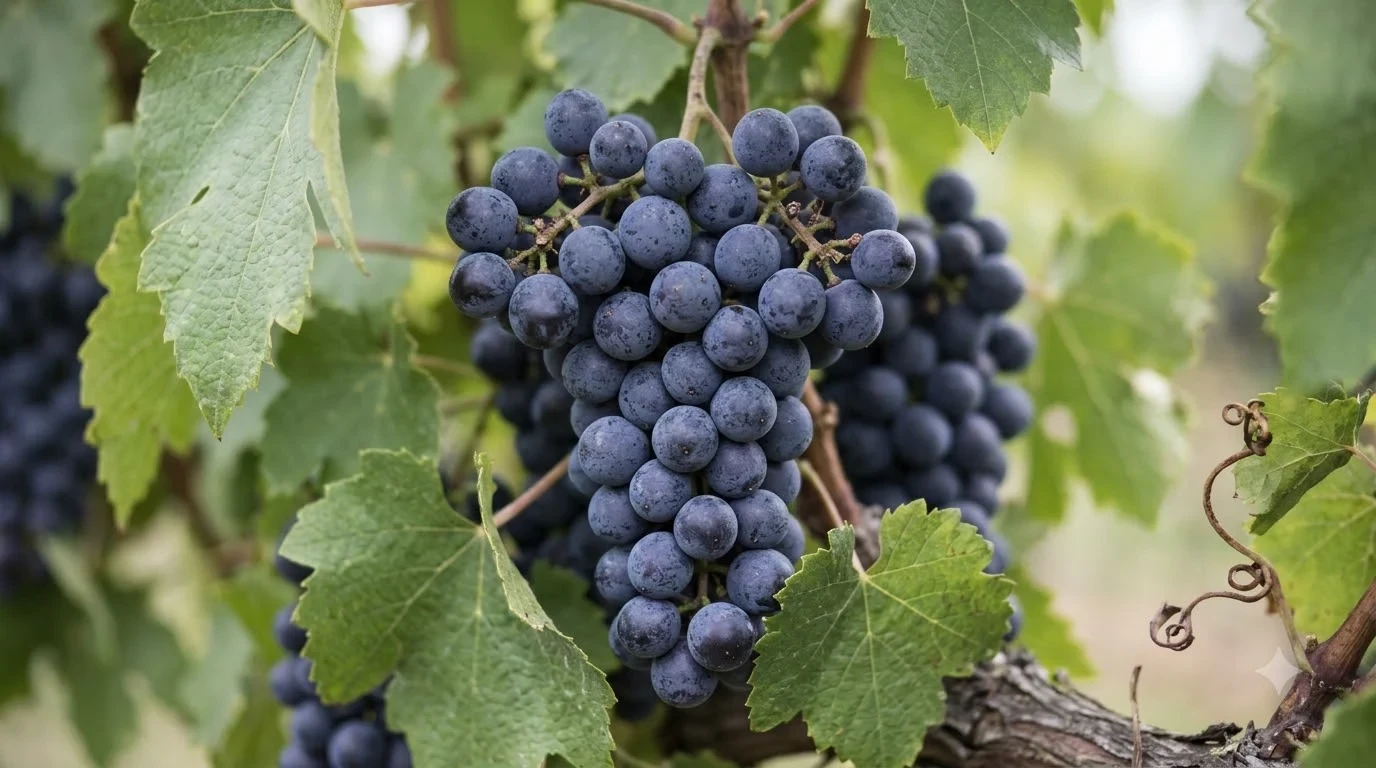
Savoie wine grapes are distinctive Alpine varieties from eastern France, led by white Jacquère and Altesse and red Mondeuse and Gamay. These grapes produce fresh, aromatic wines shaped by mountain vineyards, varied soils and cool growing conditions. Understanding their characteristics and regional appellations makes it easier to choose between crisp whites, structured reds, delicate rosés and traditional-method sparkling wines.
Located in the French Alps near Switzerland and Italy, Savoie is a relatively small wine-producing region with an unusually diverse collection of grape varieties. Many are indigenous, meaning they have strong historical connections to the area. Others, including Chardonnay, Pinot Noir and Gamay, have adapted to its distinctive growing conditions. The result is a collection of wines that often emphasizes freshness, aromatic detail and food-friendly acidity rather than sheer weight or concentration.
The Alpine Origins of Savoie’s Grape Diversity
Savoie has more than 20 authorized grape varieties across approximately 2,000 hectares of vineyards, according to the regional wine council. Its combination of indigenous grapes, varied elevations and different soil types explains why the region produces such a broad range of wine styles despite its relatively limited vineyard area.
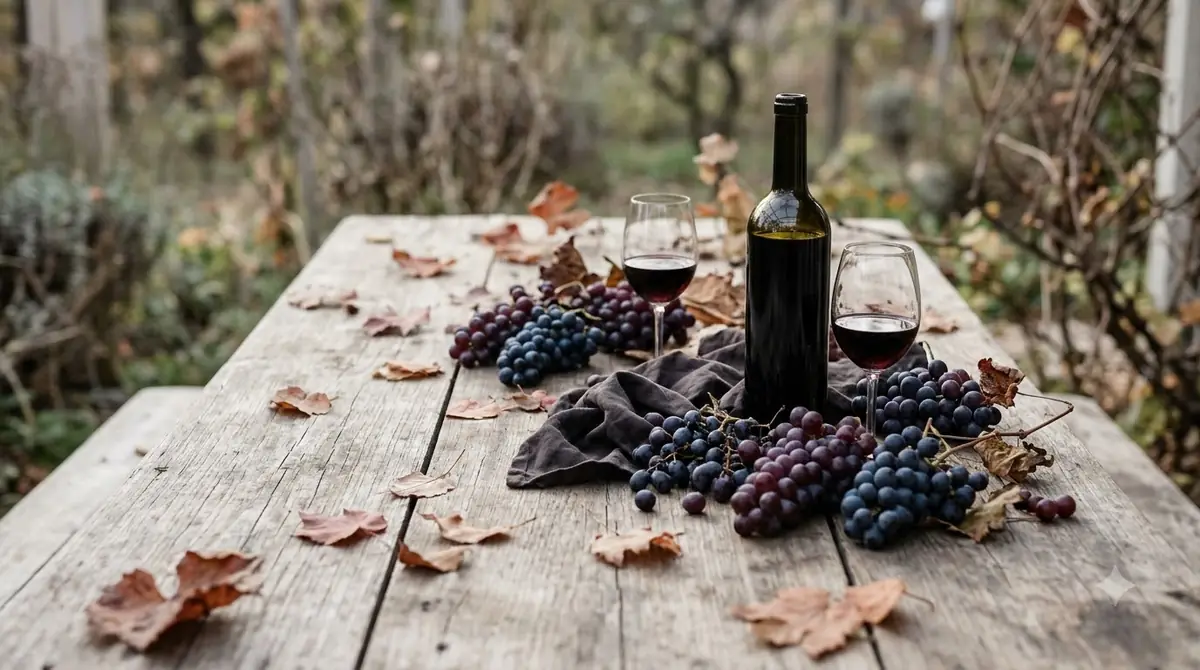
The vineyards extend through the departments of Savoie and Haute-Savoie in eastern France. They are distributed around Lake Geneva, Lake Bourget, the Arve Valley, the Combe de Savoie and the slopes surrounding Chambéry. Rather than forming one continuous vineyard, many plantings occupy separate valleys and hillsides with different exposures and local climates.
According to the Savoie wine council, the region’s vineyards cover approximately 2,000 hectares and include 22 grape varieties. Seven varieties identified in its regional presentation as unique to Savoie are Altesse, Gringet, Jacquère, Molette, Mondeuse Blanche, Mondeuse Noire and Persan. This concentration of distinctive grapes makes Savoie particularly interesting for wine drinkers who want to explore varieties outside the familiar international selections.
Geology also helps explain the region’s diversity. Limestone scree is widespread, particularly on slopes where broken mountain rock has accumulated over time. Glacial moraines, formed from material left behind by retreating glaciers, appear in other vineyard locations. Clay, marl, quartz and schist add further differences. The wine council identifies clay soils around Arbin, for example, as an important characteristic of an area known for longer-lived red wines.
Mountain conditions influence the grapes throughout the growing season. Cool nights help preserve acidity, while sunny vineyard exposures allow varieties to reach suitable ripeness. Slopes can improve drainage and sunlight exposure, but they also make vineyard work more demanding. These conditions help explain why Savoie is particularly associated with bright white wines and reds that combine freshness with aromatic intensity.
For a broader introduction to the geography, appellations and wine styles, the Savoie wine region provides useful context. The grape varieties are best understood as part of this larger landscape rather than as isolated names on wine labels.
Jacquère, Altesse and the Leading White Grapes
Jacquère and Altesse are the two essential white grapes to recognize when exploring Savoie. Jacquère produces light, refreshing wines, while Altesse generally offers more body, complexity and development potential. Gringet, Roussanne and Chasselas provide additional styles worth seeking out.
Jacquère is the signature everyday white grape of Savoie and the region’s most widely planted variety. The wine council estimates that it occupies approximately 800 hectares, representing around 40% of the region’s vines. It is associated with Abymes, Apremont, Chignin, Cruet, Jongieux and Saint-Jeoire-Prieuré.
Its wines are typically light-bodied, dry and crisp. Common flavor characteristics include green apple, lemon, citrus peel, white flowers and delicate herbal notes. Mineral impressions are also common, although these vary according to vineyard location and winemaking. Jacquère’s lively acidity makes it particularly refreshing as an aperitif or alongside the rich cheeses and traditional dishes of the French Alps.
Jacquère generally favors an uncomplicated, fresh style rather than heavy oak influence. Its relatively light body and brisk finish make it useful at the table, especially when a dish contains melted cheese, butter or cream. It is also an excellent introduction to the region because the grape clearly communicates Savoie’s preference for freshness.
Altesse, sometimes called Roussette, is another important indigenous white variety. Its wines usually have more weight and aromatic depth than Jacquère. The regional wine council identifies approximately 340 hectares of Altesse plantings, with important growing locations including Frangy, Marestel, Monterminod, Monthoux and Seyssel.
Altesse typically produces dry wines with pear, yellow apple, peach, quince and floral characteristics. Depending on the producer and vineyard, notes of almond, hazelnut, honey and mineral complexity may become more noticeable. It retains refreshing acidity, providing balance to its fuller texture.
Roussette de Savoie is particularly important when looking for Altesse. This appellation is based on the grape, and its wines can offer greater depth and complexity than simpler regional whites. Marestel and Frangy are two useful geographical names to recognize. Some Altesse wines are approachable when young, while better-structured examples can develop additional complexity with bottle age.
Gringet is considerably rarer. According to the Savoie wine council, fewer than 23 hectares are planted, concentrated around Ayze, Bonneville and Marignier. Its dry wines are aromatic and mineral, often showing citrus, green apple and fresh herbal notes. Gringet is also used to make sparkling wine, including traditional-method examples with fine bubbles and pronounced freshness.
Roussanne, locally known as Bergeron, produces a different expression of Savoie white wine. It is grown in Chignin, Francin and Montmélian, with approximately 100 hectares of plantings identified by the regional wine council. The grape produces fuller-bodied wines with apricot, ripe peach, honey and floral characteristics. Chignin-Bergeron is the designation to look for when seeking this style.
Chasselas is another useful variety, particularly in Haute-Savoie. Approximately 80 hectares are planted, with important locations including Crépy, Marignan, Marin and Ripaille. Chasselas generally makes softer, rounder whites with apple and floral aromas. Compared with Jacquère, it tends to offer a gentler impression of acidity and a more delicate overall profile.
Chardonnay also appears in the region, covering approximately 90 hectares. It is found in areas including Chautagne and Combe de Savoie. Its presence provides another point of comparison for drinkers familiar with Burgundy, although Savoie Chardonnay reflects its own vineyard conditions and regional winemaking choices.
Mondeuse, Gamay and the Red Grapes of Savoie
Mondeuse is the indigenous red grape that most clearly distinguishes Savoie from other French wine regions. Gamay and Pinot Noir provide lighter alternatives, while the rare Persan grape offers an opportunity to explore a lesser-known part of the region’s viticultural heritage.
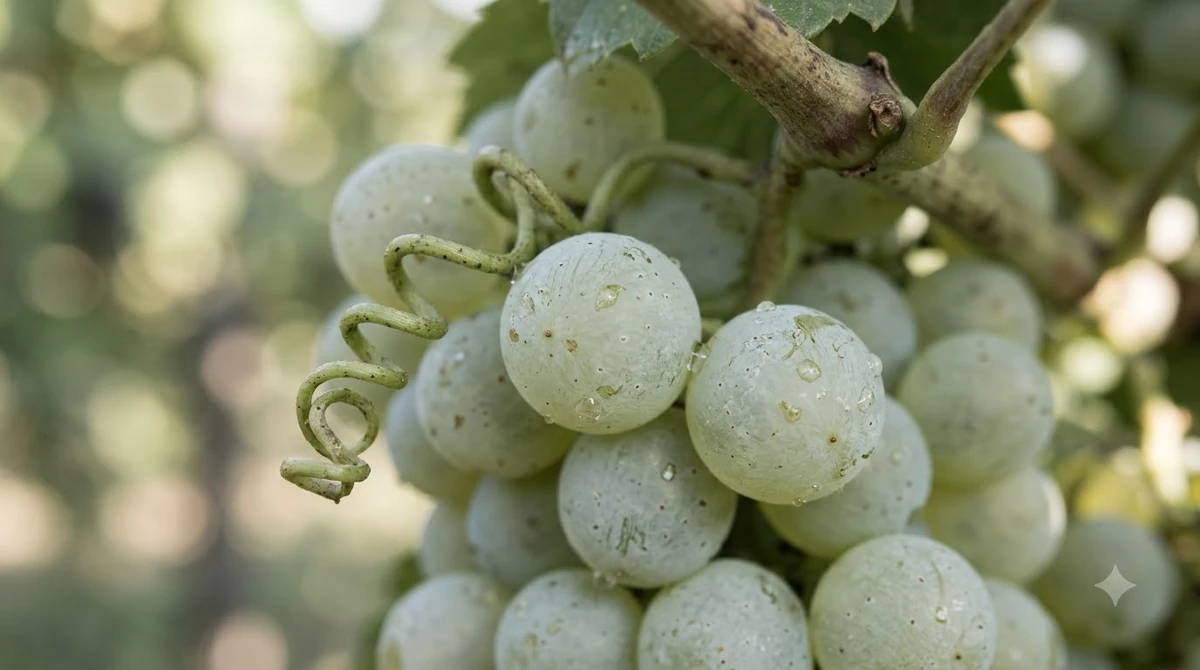
Mondeuse is one of Savoie’s defining red varieties. It covers approximately 240 hectares according to the regional wine council and is associated with locations including Arbin, Saint-Jean-de-la-Porte and Chignin. Its dark-skinned grapes produce wines with deep color, noticeable acidity and firm tannins.
Typical Mondeuse aromas include raspberry, blackberry, violet, black pepper and earthy forest-floor characteristics. Some wines are relatively approachable and fruit-driven, while others have considerable structure and can develop additional complexity with age. Vineyard conditions, yields and winemaking decisions all influence the final expression.
Arbin is particularly important for understanding Mondeuse. The local wines are associated with a firmer, more structured expression of the grape. Clay-rich soils are among the regional characteristics identified around this area, and they contribute to the distinct identity of its vineyard sites.
Mondeuse has a genetic relationship with Syrah, but the varieties should not be confused. Mondeuse has its own aromatic identity and regional traditions. Its combination of dark fruit, pepper, acidity and tannin gives it a recognizable Alpine character.
Gamay is the most widely planted red grape in Savoie, with approximately 270 hectares according to the regional wine council. Important growing locations include Chautagne, Chignin and Jongieux. It generally produces light-bodied, fresh wines with cherry, raspberry and other red-fruit characteristics.
Gamay is usually less tannic than Mondeuse and is often more immediately approachable. It can be enjoyed slightly chilled, making it especially useful with casual meals, charcuterie and grilled poultry. Its bright fruit and moderate structure also make it a good choice for drinkers who find heavily structured reds less appealing.
Pinot Noir occupies just under 100 hectares of Savoie vineyards. It appears in Chautagne, Combe de Savoie, Chignin and Jongieux. Its wines generally offer cherry and other red-fruit aromas, a softer texture and moderate structure. Compared with Mondeuse, Pinot Noir typically emphasizes finesse and fruit rather than firm tannins and peppery intensity.
Persan is one of the region’s most interesting rare red varieties. The regional wine council identifies approximately eight hectares of plantings. Its limited availability makes it less common than Mondeuse, Gamay or Pinot Noir, but it represents an important part of efforts to preserve traditional local grape material.
Persan is associated with fresh acidity, fine tannins and distinctive spicy character. Its wines can offer a different balance from the region’s more familiar reds, making them particularly interesting for experienced drinkers exploring indigenous French varieties.
These grapes also explain why the phrase Savoie red wine does not describe one single flavor profile. A Gamay-based wine may be light and fruit-forward, a Pinot Noir may emphasize cherry and elegance, and a Mondeuse may deliver considerably more structure. Persan adds another possibility for those interested in unusual regional wines.
Rare Indigenous Grapes and Lesser-Known Varieties
Beyond the major white and red grapes, Savoie preserves several varieties that are difficult to find outside the region. Gringet, Molette, Mondeuse Blanche and Persan are particularly interesting because their limited plantings make them important examples of local viticultural heritage.
Molette is a traditional white grape associated with Seyssel. The regional wine council identifies approximately 18 hectares of plantings. It contributes to the diversity of local white and sparkling wines, although it receives less international attention than Jacquère or Altesse.
Seyssel is especially relevant to understanding Molette because the designation is associated with both Altesse and Molette. The resulting wines include still and sparkling white styles. This gives Molette a practical role in the region’s wine identity rather than making it simply a historical curiosity.
Mondeuse Blanche is the white counterpart in the broader Mondeuse family. Its plantings are extremely limited, with approximately three hectares identified by the regional wine council. It is a useful variety to recognize because it demonstrates how much diversity exists beyond the better-known red Mondeuse.
Gringet deserves particular attention from sparkling wine enthusiasts. Its concentration around Ayze gives it a strong geographical identity. The grape’s aromatic character and natural freshness are well suited to sparkling production. Some producers use traditional-method techniques, creating wines that offer an alternative to more familiar French sparkling regions.
Several internationally recognized grapes have also become established in Savoie. Chardonnay and Pinot Noir originated in Burgundy, while Gamay is associated with Beaujolais. Their adaptation to Savoie shows that the region’s identity is not based exclusively on indigenous varieties. Rather, it comes from the interaction between local grapes, established international varieties and the Alpine environment.
There is an interesting parallel between Savoie’s rare grapes and the lesser-known varieties used in other wine regions. Readers interested in unusual skin-contact styles can also explore orange wine grapes, while those comparing indigenous European varieties with American plantings may find Texas wine grapes useful.
For anyone building a list of unusual grapes to discover, Gringet, Persan, Mondeuse Blanche and Molette are particularly good starting points. They represent different colors and styles, and their limited production means that finding them can be a rewarding part of exploring Savoie.
Appellations That Help Identify Savoie Grapes
Savoie wine labels frequently use geographical names rather than emphasizing the grape variety. Learning a handful of appellations makes it easier to identify the grapes behind the wine and understand the style that a bottle is likely to contain.
The region’s principal protected designations include Savoie, Roussette de Savoie and Seyssel. Crémant de Savoie is the recognized designation for its traditional-method sparkling wines. Within these broader designations, geographical denominations provide additional information about vineyard origin and, in many cases, the principal grape variety.
For white wines, Abymes and Apremont are particularly useful names. Both are associated with Jacquère and generally indicate fresh, light-bodied wines. Chignin and Cruet are also important locations for Jacquère. Jongieux and Saint-Jeoire-Prieuré provide further examples of the grape’s regional distribution.
Roussette de Savoie is the key designation for Altesse. Its geographical denominations include Frangy, Marestel, Monterminod and Monthoux. These names are useful when looking for fuller-bodied whites with greater aromatic development than the typical Jacquère style.
Chignin-Bergeron identifies the Roussanne-based specialty. It is a useful distinction because Bergeron wines are generally richer and more textured than the crisp whites associated with Jacquère. A bottle carrying this geographical designation is therefore a good starting point for drinkers who prefer fuller white wines.
Ayze is the location to recognize for Gringet, including sparkling expressions. Crépy, Marignan, Marin and Ripaille are associated with Chasselas, making these names particularly useful for discovering the gentler, softer white wines of Haute-Savoie.
Red-wine drinkers should look for Arbin when seeking Mondeuse. Saint-Jean-de-la-Porte and Chignin are additional places associated with the variety. Chautagne, meanwhile, is an important location for Gamay and Pinot Noir.
The following table summarizes the principal varieties and their regional planting areas. Figures are approximate hectares reported by the Savoie wine council, rather than exact measurements for individual producers or appellations.
| Grape variety | Color | Approximate area | Key location or designation |
|---|---|---|---|
| Jacquère | White | 800 hectares | Apremont, Abymes |
| Altesse | White | 340 hectares | Roussette de Savoie, Marestel |
| Gringet | White | Under 23 hectares | Ayze |
| Roussanne | White | 100 hectares | Chignin-Bergeron |
| Chasselas | White | 80 hectares | Crépy, Marin |
| Chardonnay | White | 90 hectares | Chautagne |
| Mondeuse | Red | 240 hectares | Arbin |
| Gamay | Red | 270 hectares | Chautagne |
| Pinot Noir | Red | Just under 100 hectares | Combe de Savoie |
| Persan | Red | 8 hectares | Rare indigenous plantings |
These figures reveal an important feature of Savoie: Jacquère is by far the dominant white variety, while Gamay has a larger planting area than Mondeuse among the reds. The most famous red grape is therefore not necessarily the most widely planted. Understanding that distinction helps prevent common assumptions about the region’s production.
For additional geographical context, the regional wine council publishes its Savoie grape variety overview, which connects individual varieties with their traditional growing locations.
Food Pairings and Serving Temperatures for Savoie Wines
Savoie wines are particularly effective with Alpine cuisine because their acidity and generally moderate weight balance rich cheeses, potatoes, freshwater fish and charcuterie. The best pairing depends on the grape’s body, acidity and tannin rather than simply whether the wine is white or red.
Jacquère is a natural match for fondue savoyarde, raclette and other melted-cheese dishes. Its freshness cuts through rich dairy flavors without overwhelming the food. It also works with freshwater fish, grilled white fish, salads and light poultry preparations. For cheese-based dishes, a crisp Jacquère is often more useful than a heavily oaked white wine.
Altesse has enough aromatic complexity and body to accompany roast chicken, pork, mushrooms and moderately rich seafood dishes. Its freshness helps balance creamy sauces, while its pear and stone-fruit characteristics complement roasted vegetables. More developed examples can work particularly well with dishes containing toasted nuts or browned butter.
Chignin-Bergeron is a stronger option for richer white-wine pairings. Roussanne’s fuller body and apricot character suit roast poultry, mushroom dishes and preparations with cream or butter. It can also accompany flavorful Alpine cheeses when the wine has sufficient structure to stand alongside the dish.
Mondeuse pairs especially well with grilled meats, pork sausages, game and traditional charcuterie. Its acidity and firm tannins provide structure for substantial food. Salt and fat soften the perception of tannin, making cured meats and rich meat preparations particularly suitable partners.
Gamay is more flexible with lighter meals. Try it with roast chicken, grilled sausages, mushroom dishes and charcuterie. Its fresh red-fruit character makes it suitable for dishes that might overwhelm a more powerful red wine.
Persan is worth trying with savory dishes featuring herbs, roasted meats and mushrooms. Its spicy character and acidity offer a different pairing experience from the softer fruit-forward profile of Gamay. Pinot Noir is another useful option for poultry, mushrooms and dishes where a lighter red is preferable.
Recommended serving temperatures
Serving temperature can significantly change how these wines taste. Excessive warmth makes acidity seem less refreshing and can emphasize alcohol, while very cold temperatures suppress aromatic detail. The following temperatures provide useful starting points for the major Savoie styles.
| Wine style | Serving temperature | Typical pairing |
|---|---|---|
| Jacquère and other light whites | 45–50°F | Fondue, freshwater fish |
| Altesse and fuller whites | 50–55°F | Roast poultry, mushrooms |
| Chignin-Bergeron | 50–55°F | Creamy dishes, roasted vegetables |
| Light Gamay and Pinot Noir | 55–60°F | Charcuterie, grilled chicken |
| Structured Mondeuse | 60–65°F | Game, pork and grilled meats |
| Crémant de Savoie | 40–50°F | Seafood, appetizers |
Food acidity matters as well. A dish containing lemon, vinegar or other acidic ingredients generally needs a wine with equal or higher acidity. This is one reason Jacquère works so well with many fresh Alpine dishes. For spicy food, be more cautious with alcoholic, tannic reds because alcohol and tannin can intensify the perception of chili heat.
Tip: For a simple introduction to Savoie, serve Apremont Jacquère at 45–50°F with cheese fondue, followed by Arbin Mondeuse at 55–60°F with roast pork or sausages. These two wines provide a clear contrast between the region’s crisp white and structured red styles.
Storage also matters. Keep unopened bottles on their sides in a cool, dark location near 55°F, away from temperature fluctuations. Once opened, refrigerate still wines and aim to finish them within approximately three to five days. Sparkling wines are generally best within one to three days when properly resealed and refrigerated.
Young, full-bodied Mondeuse can benefit from approximately 30–60 minutes of decanting, particularly when it has firm tannins. Lighter Jacquère and delicate Chasselas generally need no decanting. Serving a wine at the right temperature and matching its structure to the meal will usually make a greater difference than elaborate preparation.
Frequently Asked Questions
How many grape varieties are permitted in Savoie wine?
The regional wine council identifies 22 grape varieties used in Savoie wines. French wine regulations distinguish between authorized varieties and the specific varieties permitted for individual appellations. The exact blend requirements therefore depend on the designation under which a wine is produced.
What is the difference between Mondeuse Noire and Mondeuse Blanche?
Mondeuse Noire is the red variety responsible for Savoie’s distinctive peppery, structured red wines. Mondeuse Blanche is a separate white grape with extremely limited plantings. The two are part of the region’s historical grape heritage but produce different wine styles and have different roles in local production.
Is Savoie wine always made from a single grape variety?
No. Savoie produces both varietal wines and blends. Crémant de Savoie, for example, can combine several permitted varieties, with the regional wine council specifying a minimum proportion of Savoie varieties in its blend. The precise composition depends on the applicable production rules and the producer’s chosen style.
What is the relationship between Savoie and Seyssel sparkling wine?
Seyssel is a separate protected designation in the wider Savoie wine area, rather than simply another name for Crémant de Savoie. Its white wines can be still or sparkling and are associated with Altesse and Molette. Seyssel received its original controlled designation recognition in 1942.
What does the term Vin des Allobroges mean?
Vin des Allobroges is a Protected Geographical Indication associated with the historical Allobroges territory in the Northern Alps. It provides a separate geographical designation for wines made under its production rules. Producers can use it for a range of white, red and rosé wines that do not necessarily follow the narrower requirements of the regional appellations.
Savoie offers considerably more grape diversity than its relatively small vineyard area might suggest. Jacquère, Altesse and Mondeuse are the essential varieties to begin with, while Gringet, Persan, Molette and Mondeuse Blanche provide opportunities to discover unusual Alpine wines. Exploring these grapes alongside their geographical designations is one of the most rewarding ways to understand the character of eastern France’s mountain vineyards.
More in Wine Regions
 Willcox Wine Trail: Discover Arizona’s High-Elevation Wine CountryUpdated Nov 20, 2026
 Yakima Valley Wine Region: Find the Best Styles to TryUpdated Nov 20, 2026
 Vosne Romanee Wine Tasting: Identify Aromas and Choose Better PairingsUpdated Nov 20, 2026
 Yakima Valley Wine Festival: Find the Best Seasonal Wine EventsUpdated Nov 20, 2026
 Wales Vineyards: Discover Cool-Climate Wines and Where to VisitUpdated Nov 20, 2026
 Yountville Wine Festival: Discover Napa Wines and Local FoodUpdated Nov 20, 2026