

We may earn a commission when you buy through links on this page, at no extra cost to you. Learn more.
The term altesse wine refers to a dry, aromatic white wine made from the Altesse grape, especially in France’s Savoie region, where it is commonly bottled as Roussette de Savoie. Expect lively freshness, a rounded texture, and flavors that can move from citrus and white flowers to hazelnut, quince, and honey with bottle age. The best-known examples come from four Roussette de Savoie crus, including Marestel and Frangy, and pair naturally with fish, poultry, and regional cheeses.
Altesse offers a different side of French Alpine wine from the lighter, brisk whites often associated with the mountains. It has enough freshness for seafood and salads, but its broader texture and ability to develop savory, nutty complexity also make it suited to richer dishes. Learning the names on the label is the quickest way to understand what is in the bottle and where its character comes from.
What Altesse Wine Is and Where It Grows
Altesse is a white wine grape native to Savoie in southeastern France. Its most recognizable expression is Roussette de Savoie, an appellation made exclusively from Altesse; the grape is also found in neighboring Bugey and in the wines of Seyssel.
The grape is also known locally as Roussette or Roussette haute. The name is associated with the russet or coppery-gold color that the berries develop as they ripen. That name can create confusion because Roussette is not the same thing as Roussanne, another white grape used in the Rhône and in Savoie’s Chignin-Bergeron wines. Treat the names as separate varieties rather than interchangeable spellings.
Altesse is a late-ripening variety, so its site matters. It needs a warm, well-exposed slope and enough time to reach full maturity while retaining freshness. The Savoie wine trade describes favorable sites as clay-limestone or marl-limestone slopes; Marestel, above Lake Bourget, and Monterminod near Chambéry are two noted examples. The combination of Alpine conditions, strong sun, and hillside exposure helps explain why the wines can feel both ripe and taut.
For readers sorting out grape names and regional styles, the distinction between variety and appellation is central: the Altesse grape is the raw material, while Roussette de Savoie is one regulated wine identity made from it. Altesse can also appear under the broader Vin de Savoie designation, where the permitted grape mix is wider. The grape’s origin story once pointed to Cyprus or Byzantium, but the genetic research discussed by Wine Enthusiast instead places it within the Alpine grape family and identifies a close genetic link with Chasselas; Altesse is considered indigenous to Savoie.
Flavor, Acidity, and Texture in the Glass
Altesse is generally dry, aromatic, and more rounded than the lightest Alpine whites. Its defining balance is a substantial mouthfeel set against refreshing acidity, with fruit, flowers, and a distinctive nutty or stony quality providing the detail.
In a young bottle, look for lemon or lime peel, pear, apple, white peach, white flowers, and a hazelnut or almond note. Some examples bring bergamot, fresh herbs, or a faint pine-like scent. The palate is usually dry rather than sweet, with a medium to full texture and a clean, persistent finish. The fruit tends to feel ripe without turning tropical or heavy, particularly in wines from cooler or more exposed sites.
With age, Altesse can become broader and more layered. Fresh citrus and crisp orchard fruit may give way to quince, dried fruit, honey, beeswax, and toasted nuts; some bottles develop a subtle smoky or waxy impression. The key is that maturity should add savory depth, not erase the wine’s freshness. Wine Enthusiast’s overview of Altesse’s aromatic evolution describes older examples gaining a rounder, more viscous feel and tropical-fruit or apricot-preserve notes while keeping bright acidity.
Texture and aroma vary with vineyard and cellar choices. A stainless-steel or other neutral-vessel wine may emphasize citrus, flowers, and mineral detail, while lees contact or oak can give more breadth and a softer impression. Oak is not automatically a sign of quality: Decanter’s Andrew Jefford cautions that heavy-handed oak can cover Altesse’s more delicate character. A well-balanced wine lets the grape’s freshness and Alpine character remain clear.
The Four Roussette de Savoie Crus
Roussette de Savoie can carry one of four geographic names: Frangy, Marestel, Monterminod, or Monthoux. Each is made from Altesse, but the site names help indicate differences in exposure, terrain, and the style that growers and local wine authorities associate with each area.
Frangy lies in the Usses valley and is associated with floral, fresh expressions. This is a useful place to start for drinkers who want the aromatic side of Altesse without seeking the most powerful or weighty style. The floral profile makes it a natural partner for white fish, soft cheeses, and lighter poultry dishes.
Marestel is the best-known name for a richer, age-worthy expression. Its steep hillside vineyards are above Lake Bourget near Jongieux, and the site is associated with more pronounced ripeness, mineral depth, and a broad palate. Decanter’s survey of Savoie’s leading white wines describes the strongest examples from the slopes around Mont du Chat as combining walnut-and-honey richness with floral lift and sustained acidity. Marestel is a good option for drinkers who enjoy white wines that can develop over several years.
Monterminod, near Chambéry, is associated with morainic soils and aromas of citrus and white flowers. Its profile can be fine-boned and lifted, making it a useful contrast with the fuller style often associated with Marestel. Monthoux is a smaller, less widely encountered cru in the Jongieux area and is regarded as a distinctive, mineral expression of Altesse. The cru name is a geographic clue, not a quality score: a skilled producer can make a balanced wine from any of the four areas, and vintage conditions still matter. Compare wines from the same cru and different producers to see how farming and winemaking shape the site’s character.
Winemaking Choices and Appellation Labels
Most Altesse is made as a dry, still white wine, but the grape has more than one regional role. The label tells you whether you are looking at a single-variety Roussette, a broader Savoie wine, or a sparkling wine from Seyssel.
Roussette de Savoie is the clearest label for a wine made entirely from Altesse. The appellation’s four possible geographic additions are Frangy, Marestel, Monterminod, and Monthoux. Roussette du Bugey is the neighboring appellation in the Bugey wine region and is also based on Altesse. The place name changes, but the grape remains the central link.
Vin de Savoie is a broader appellation that includes several white grapes, with Altesse among the permitted varieties. A bottle carrying that regional name is not automatically a single-variety Altesse; the producer may bottle it on its own or use it in a blend. For context on other grape-led styles, Wine by Type can help distinguish a single-variety wine from an appellation that permits several grapes. That distinction is especially useful in Savoie, where Altesse appears in more than one appellation and production style.
Seyssel provides another expression. Altesse is important in the appellation’s still white wines and can also be used in sparkling wines, traditionally alongside the more neutral Molette; Wine Enthusiast also notes that Chasselas may appear in some Seyssel sparkling blends. Do not assume that all Altesse-based wine is sparkling, though: the familiar Roussette de Savoie style is still wine. Cellar choices can range from cool fermentation in neutral tanks to fermentation or maturation in oak, and some producers use lees contact to build texture. There is no single mandatory flavor profile, so compare the breadth of the palate and whether the finish remains fresh rather than woody.
Food Pairings for Altesse Wine
Altesse works especially well with foods that benefit from freshness but have enough flavor or texture to meet its broader palate. Start with lake fish, shellfish, poultry, creamy preparations, and regional cheeses; then match the wine’s age and richness to the intensity of the dish.
For a young, citrus-led bottle, choose trout, perch, white fish, scallops, shrimp, or simply grilled seafood with lemon and herbs. The wine’s freshness refreshes the palate, while pear, citrus, and floral notes complement delicate seafood without overwhelming it. Roast chicken, turkey, and pork tenderloin also work well, particularly with cream sauce, mushrooms, or browned vegetables; thyme, tarragon, parsley, and chives make natural bridges between the food and wine.
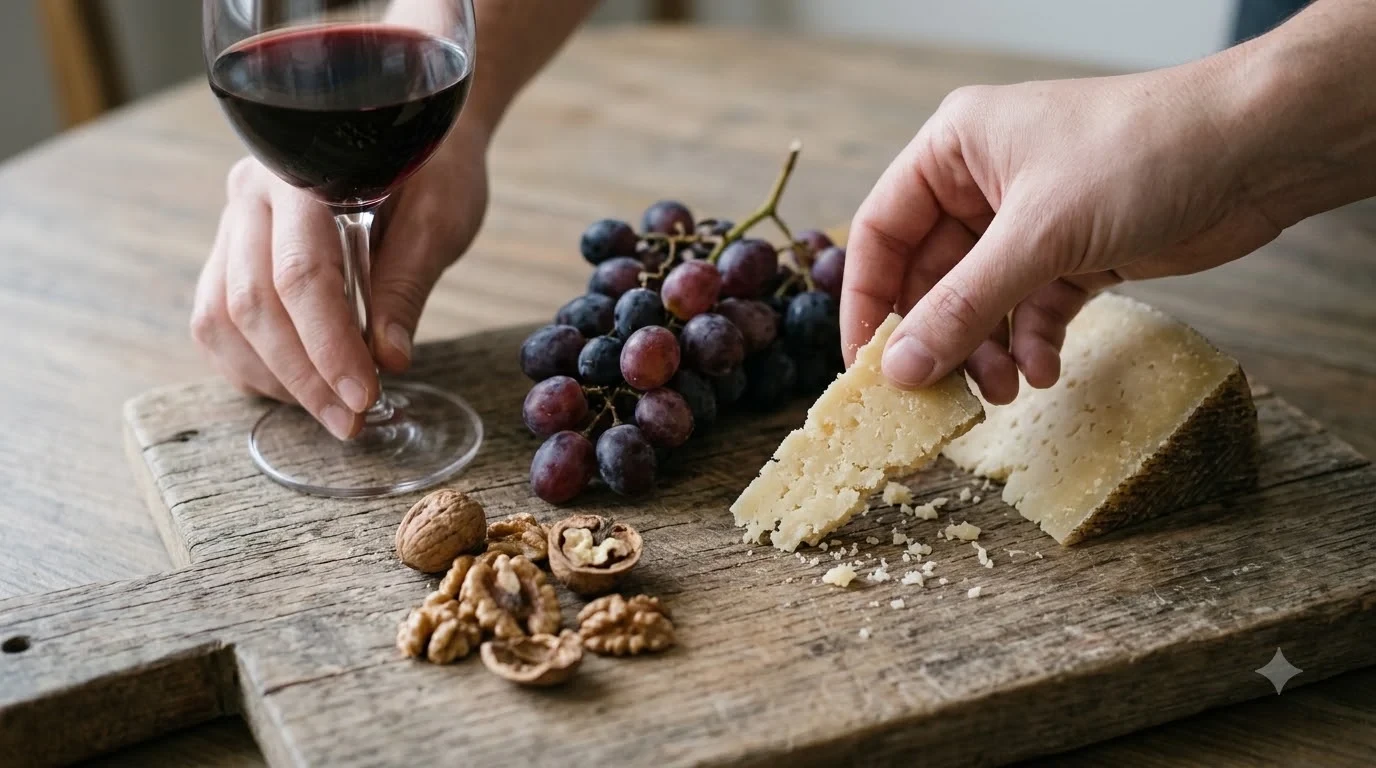
Cheese is another strong match. Try Beaufort, Tomme de Savoie, or other aged cow’s-milk cheeses from the Alpine region; the salt and fat soften the wine’s freshness and make its nutty notes seem more pronounced. Fresh goat cheese can work with a younger bottle. Older, richer examples can stand up to tartiflette, with potatoes, Reblochon, onion, and bacon, because the wine’s freshness cuts through the richness and its evolved nutty notes complement the browned cheese.
Creamy pasta, squash, roasted root vegetables, and savory gratins are also good choices. Altesse can work beyond classic French cooking with roast vegetables, herbed rice, and mild curries without strong chili heat. For acidic salad dressing, keep the dressing moderate and make sure the wine is at least as fresh as the food; otherwise the salad can make the wine seem flat. Avoid making a delicate bottle compete with very hot chili or heavily tannic red-wine sauces, since heat and tannin can make alcohol and bitterness seem more pronounced.
Tip: Match the wine’s maturity to the dish: pour a young, citrusy Altesse with shellfish or fresh cheese, and save a fuller, more developed bottle for creamy poultry, mushrooms, or a cheese-rich Savoyard dish.
Serving, Storing, and Choosing a Bottle
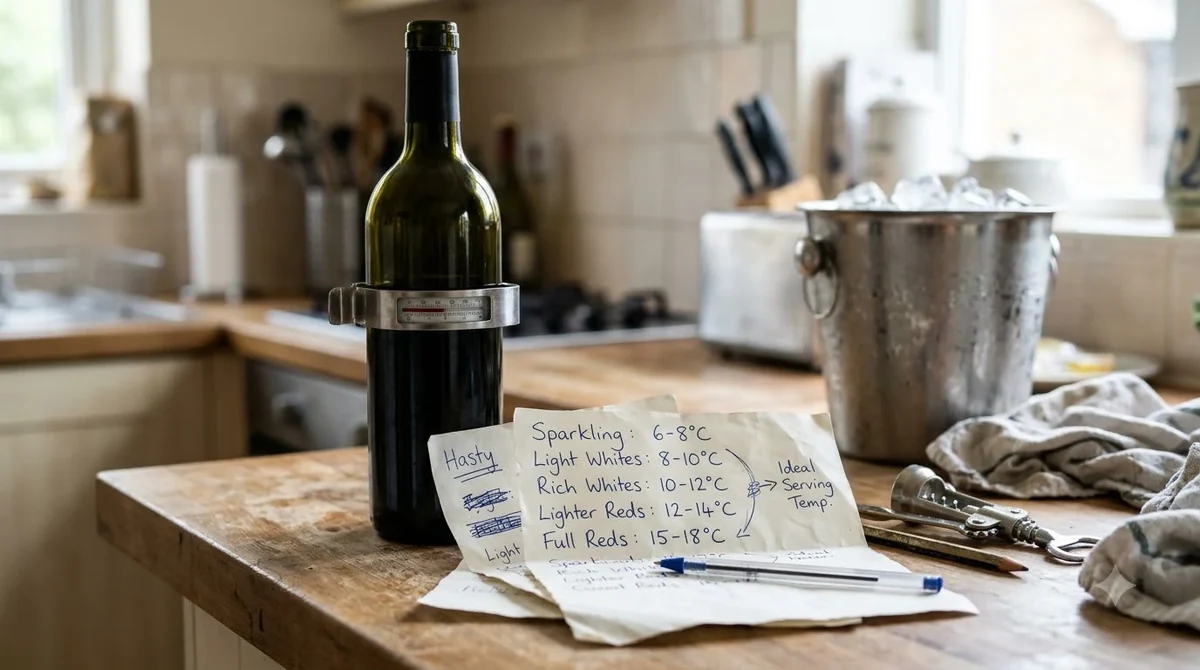
Serve Altesse cool, but not ice-cold, so its fragrance and texture can show. A practical starting range for a fuller white wine is 50–55°F; a very light or simple bottle can be served a little cooler, then allowed to warm in the glass.
Use a standard white-wine glass with enough room to swirl. A 5-ounce pour gives the wine space to release its aromas and leaves room for a second taste as it warms. A 750-milliliter bottle provides about five such pours, which is a useful planning measure for a meal with several courses.
| Serving detail | Typical guideline | Practical use |
|---|---|---|
| Serving temperature | 50–55°F | Start cool and let the glass warm gradually. |
| Standard pour | 5 oz | Leaves room in the glass for swirling. |
| Standard bottle | 750 mL | About five standard pours. |
| Opened still wine | 3–5 days refrigerated | Reseal promptly and keep the bottle cold. |
| Storage temperature | Near 55°F | Keep unopened bottles in a cool, stable place. |
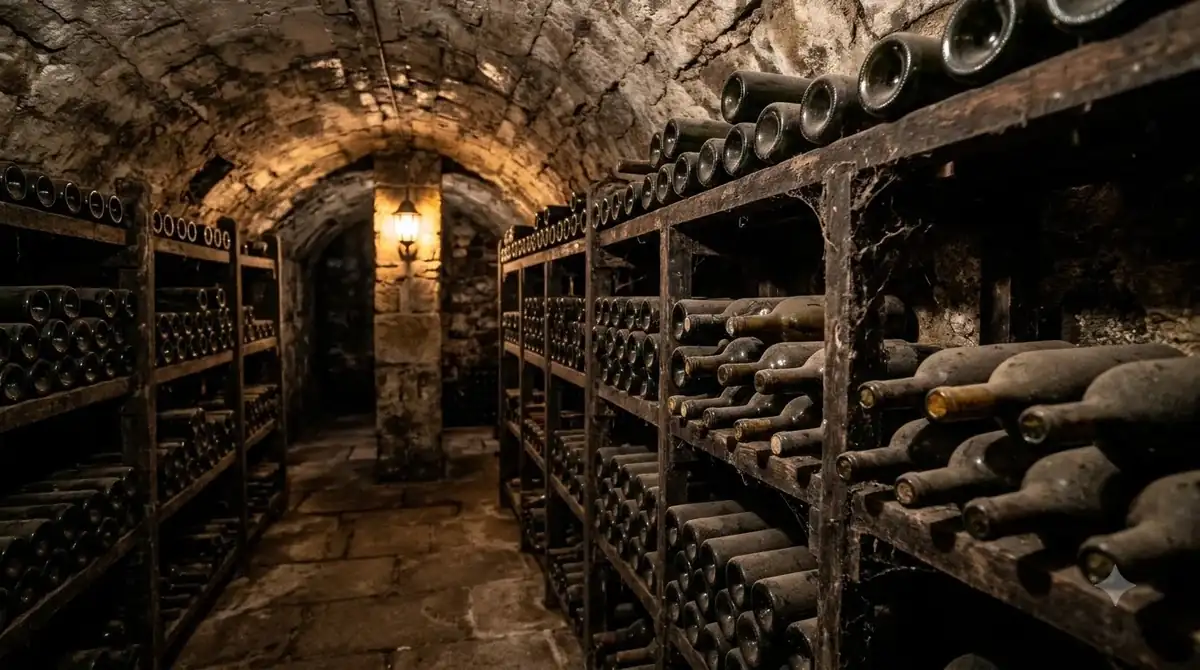
For an unopened bottle, choose a cool, dark storage place with a steady temperature near 55°F and keep a cork-finished bottle on its side. Avoid a warm kitchen, sunny shelf, or frequent temperature swings. After opening, reseal the bottle and refrigerate it; still wines generally hold for about 3–5 days, although the aroma will gradually fade. Bring the remaining wine back toward serving temperature before pouring.
When shopping, start with the appellation and cru, then look for a producer whose style suits the meal. Roussette de Savoie is the direct route to classic Altesse, while a cru name such as Marestel or Frangy provides more information about origin. Ask whether the wine is unoaked, aged in oak, or kept on its lees if you prefer a particular texture; these details can explain why two wines from the same appellation taste different. For a first bottle, choose a recent vintage from a reliable producer to discover the grape’s citrus, floral, and hazelnut character. If you already enjoy fuller whites and want more savory complexity, try an older Altesse or a Marestel bottling with some bottle age. Not every Altesse needs extended cellaring, and not every bottle improves at the same pace, so treat age-worthiness as a style possibility rather than a guarantee.
Frequently Asked Questions
These quick answers cover common points of confusion about the grape, its regional names, and the way Altesse is used in French wine.
How far back does Altesse’s history in Savoie go?
The French appellation authority records Altesse in Savoie by the 14th century. Early plantings are associated with terraced slopes around Jongieux and Lucey, where the wines were said to have been served at princely tables.
When was Roussette de Savoie officially recognized?
The appellation was recognized in 1957 and confirmed in 1973. That formal recognition covers an origin-controlled wine whose production steps, from grape growing to winemaking, take place within the defined area.
What does the name Marestel refer to?
The vineyard name is linked to Claude Mareste, an adviser to Duke Emmanuel Philibert of Savoy. The INAO account connects the name with Mareste’s ennoblement in 1563, giving the cru a specific local historical association.
How large is the Roussette de Savoie appellation area?
The INAO describes a geographic area spanning 53 communes in Savoie and Haute-Savoie, plus one commune in Isère. The wider Savoyard vineyard forms an arc along the foothills of the Alps, from the area north of Thonon-les-Bains toward the west of Albertville.
Does the Roussette de Savoie AOP control where the wine is made?
Yes. The INAO states that every production stage, from growing the grapes to making the wine, takes place within the defined geographic area. This is one of the central features of an appellation of origin.
Altesse rewards drinkers who enjoy white wines with both freshness and real texture. Start with a dry Roussette de Savoie, compare one or two of its four crus, and pair the bottle with fish, poultry, or Alpine cheese to see how the wine’s character changes at the table.
More in Wine Types & Grapes
 Zinfandel Sugar Content: Dry Red vs. White Zinfandel GramsUpdated Nov 21, 2026
 Best Zinfandel Substitute Options for Sipping and CookingUpdated Nov 21, 2026
 Zweigelt Food Pairing: Best Dishes, Cheeses, and Serving TipsUpdated Nov 21, 2026
 Zinfandel Tannins Explained: How Structure Shapes Every BottleUpdated Nov 21, 2026
 Zinfandel Sweetness Level: Dry Red vs. Sweet White Zin ExplainedUpdated Nov 21, 2026
 Xinomavro Food Pairing: Best Dishes, Styles, and Serving TipsUpdated Nov 21, 2026