

We may earn a commission when you buy through links on this page, at no extra cost to you. Learn more.
Savoie vineyards are located in the French Alps, where steep limestone slopes, glacial soils, and cool mountain conditions produce distinctive white, red, rosé, and sparkling wines. The region is especially known for Jacquère, Altesse, and Mondeuse, alongside unusual local varieties such as Gringet and Persan. Its best-known wine areas include Apremont, Chignin, Arbin, Jongieux, and the shores of Lake Geneva. Understanding the differences between these vineyard areas makes it easier to recognize the wines and choose bottles that suit different occasions and meals.
Eastern France offers a different wine landscape from the celebrated vineyards of Bordeaux, Burgundy, and the Rhône Valley. In Savoie, vineyards follow mountain foothills, lake-facing terraces, and narrow valleys, often appearing as separate patches of vines surrounded by forests, villages, and Alpine scenery. The result is a distinctive collection of wines that rewards attention to grape variety and geographical designation. For wine enthusiasts interested in regional character, Savoie provides an introduction to some of France’s most unusual traditional grapes.
Where Savoie Vineyards Are Located and How They Are Distributed
Savoie is an Alpine wine region in eastern France, extending across a series of vineyard districts between Lake Geneva and the areas south of Chambéry. Its vineyards are geographically fragmented, with individual growing areas following suitable slopes and valleys rather than forming one continuous agricultural landscape. This distribution explains why neighboring appellations can produce noticeably different wines.
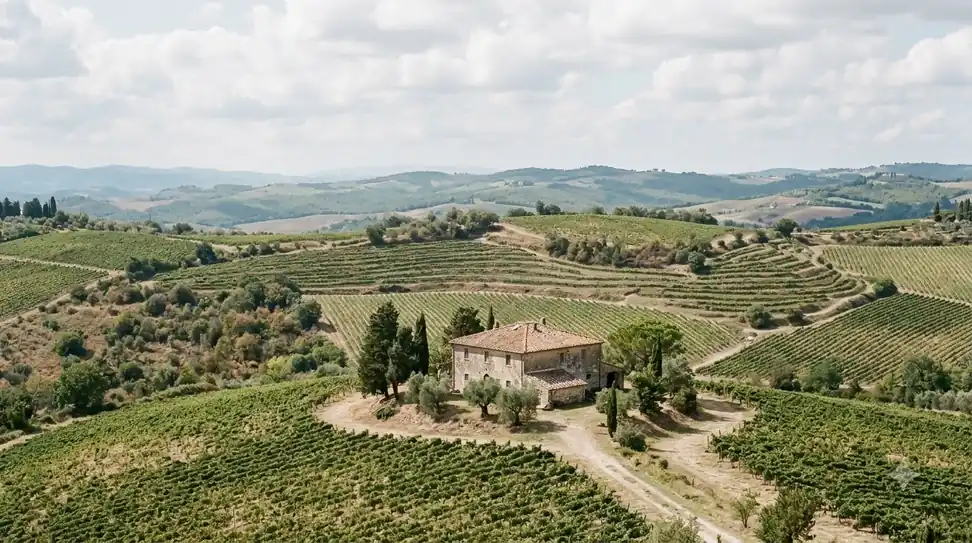
According to the Comité Interprofessionnel des Vins de Savoie, the vineyard area covers approximately 2,000 hectares. The vineyards generally occupy elevations between 250 and 450 meters, although the region’s historical wine-growing landscape extended much higher. The principal growing areas are found around Chambéry, the Combe de Savoie, the Rhône corridor, Lake Bourget, and the northern districts approaching Lake Geneva. Each area has its own combination of exposure, soil, and local climate.
The Combe de Savoie is particularly important because it contains several recognized wine-growing districts. Vineyards around Apremont, Abymes, Chignin, Arbin, and Cruet occupy slopes where sunlight exposure and drainage help support grape ripening. Further north, the vineyards of Ayze are associated with the unusual Gringet grape, while areas near Lake Geneva have a stronger connection with Chasselas.
The location of a vineyard matters because Alpine terrain creates considerable variation over relatively short distances. A hillside facing south may receive substantially more direct sunlight than a nearby north-facing slope. Differences in elevation, wind exposure, and proximity to water also influence how quickly grapes ripen and how much natural acidity they retain.
For readers comparing mountain wine regions internationally, Savoie offers an interesting contrast with Tasmania vineyards. Both regions are associated with cooler growing conditions and wines that can retain fresh acidity, but Savoie’s defining geographical feature is its combination of Alpine slopes, glacial deposits, and historic local varieties.
Rather than approaching Savoie as a single homogeneous wine district, it is more useful to think of it as a collection of connected vineyard communities. A bottle from Arbin, for example, communicates something different from one carrying the name Apremont. Recognizing these distinctions is the first step toward understanding the region.
Alpine Climate, Limestone Soils, and Vineyard Conditions
Savoie’s mountain climate creates a distinctive balance between sunlight, cool temperatures, and seasonal weather variations. The vineyards benefit from favorable hillside exposure and the moderating influence of nearby lakes, while their limestone and glacial soils help create growing conditions suited to fresh, aromatic wines.
According to the Fédération Nationale des Producteurs et Élaborateurs de Crémant, Savoie vineyards are concentrated mainly on steep slopes bordering the valleys, with elevations generally between 250 and 450 meters. The different hillside exposures create distinct microclimates, helping explain why nearby vineyard areas can produce different wine styles.
Altitude is an important part of the region’s identity, but Savoie should not be confused with a wine region in which every vineyard sits at extreme elevation. Most vineyards occupy moderate mountain elevations. This altitude, combined with mountain weather systems, creates cool nights that can help preserve aromatic freshness during the growing season.
Sun exposure is particularly valuable in this environment. South-facing and southeast-facing slopes generally receive more direct sunlight, helping grapes achieve ripeness in a climate where the growing season can be challenging. These favorable exposures are important for varieties such as Mondeuse and Roussanne, which need appropriate conditions to develop their full character.
Soil composition varies considerably. Limestone, clay-limestone mixtures, rocky slopes, and deposits left by glacial activity all contribute to local vineyard conditions. Stones and gravel can provide good drainage, while differences in soil depth influence water availability and vine vigor. These factors matter especially during wet periods or warmer summer conditions.
Mountain weather can also create difficulties. Spring frost, heavy rainfall, and sudden storms can threaten vines and reduce yields. The region’s growers must manage these conditions while maintaining the freshness that makes many Savoie wines distinctive. Warmer conditions can help certain traditional red varieties achieve fuller ripeness, but they also create new challenges for preserving the balance of sparkling wine grapes.
The combination of natural acidity, variable exposure, and challenging growing conditions is particularly suited to Jacquère and Altesse. Both varieties can produce fresh white wines, although their expressions differ. Jacquère tends toward a lighter, more direct style, while Altesse can produce wines with greater body, texture, and development potential.
Tip: When comparing two Savoie whites, look beyond the general regional name. A Jacquère from Apremont and an Altesse from Marestel can have very different textures, aromatic profiles, and aging potential even though both come from the same Alpine region.
The Main White Grapes Grown Across Savoie
White wine is central to Savoie’s reputation, with Jacquère, Altesse, and Roussanne among the most important varieties. Other grapes, including Chasselas and Gringet, contribute additional regional character and help explain the diversity found across the different vineyard districts.
Jacquère is the region’s signature white grape. According to the Comité Interprofessionnel des Vins de Savoie, it accounts for approximately 40 percent of the region’s vines, while the Chambéry Montagnes tourism authority describes it as representing about half of the vineyards. It ripens relatively slowly and retains naturally high acidity, making it particularly suitable for producing refreshing wines in a mountain environment.
Typical Jacquère wines are pale and light-bodied, with aromas of green apple, lemon, white flowers, and fresh herbs. Some examples have a subtle mineral character or a delicate spritz. They are generally intended for drinking relatively young, when their freshness and uncomplicated fruit expression are most apparent.
Apremont, Abymes, Chignin, Cruet, and Jongieux are among the geographical names associated with Jacquère. Although these wines share a principal grape variety, vineyard location and winemaking decisions influence their individual characteristics.
Altesse is another essential white variety. It is also known as Roussette and is responsible for wines that can combine floral aromas, ripe pear, citrus, and mineral characteristics with a more substantial texture than typical Jacquère. With bottle age, some examples develop almond, hazelnut, and beeswax notes.
The separate Roussette de Savoie appellation is particularly important for understanding Altesse. It produces wines exclusively from this grape and includes four named geographical crus: Frangy, Marestel, Monterminod, and Monthoux. These names provide useful clues for identifying more specific expressions of the variety.
Roussanne, locally called Bergeron, has a particularly strong association with Chignin-Bergeron. Unlike the generally light profile of Jacquère, Bergeron produces richer whites with ripe fruit characteristics. Apricot, honey, floral notes, and a fuller mouthfeel are common descriptors, while mountain acidity helps prevent the wines from becoming excessively heavy.
Chasselas is important in the northern parts of the region, particularly around Lake Geneva. It generally produces relatively delicate, light-bodied wines that can have floral and orchard-fruit aromas. Crépy, Marignan, Marin, and Ripaille are among the geographical names associated with this variety.
Gringet is considerably rarer. It is especially associated with the Ayze area in the Arve Valley, where it produces distinctive still and sparkling wines. Citrus, green apple, and herbal characteristics are common descriptions. Its limited geographical distribution makes it one of the more interesting varieties for wine enthusiasts exploring Savoie’s indigenous grapes.
Red Wine Grapes and the Best-Known Red Vineyard Areas
Although Savoie is especially associated with white wine, its red varieties deserve equal attention. Mondeuse is the region’s most distinctive indigenous red grape, while Gamay and Pinot Noir contribute approachable styles with different levels of body, acidity, and tannin.
Mondeuse is particularly important in the Combe de Savoie, especially around Arbin and Saint-Jean-de-la-Porte. It can produce deeply colored wines with blackberry, dark cherry, violet, and black pepper characteristics. Compared with lighter Alpine reds, Mondeuse generally has firmer tannins and a more structured personality.
Its acidity makes it an interesting food wine, while its tannin structure gives it the potential to develop with bottle age. Some examples are approachable relatively young, particularly when made in a fruit-focused style. More concentrated wines from suitable vineyard sites can develop additional earthy and savory characteristics over several years.
Arbin is one of the most useful geographical names to recognize when searching for Mondeuse. Its association with the grape makes it an important reference point for enthusiasts interested in the traditional red wines of Savoie. Saint-Jean-de-la-Porte is another important designation for Mondeuse-based reds.
Gamay provides a contrasting style. It is generally more immediately approachable, with red cherry, raspberry, and fresh berry characteristics. Its tannins are often softer than those of Mondeuse, making it suitable for serving slightly chilled. Chautagne, Chignin, and Jongieux are among the areas associated with Gamay production.
Pinot Noir is also grown in Savoie, although it is not as regionally distinctive as Mondeuse. It can produce relatively light-bodied reds with red fruit, earthy, and floral characteristics. Its naturally moderate tannin structure and fresh acidity make it a useful option for people who prefer less powerful red wines.
The region also has a smaller but interesting collection of less common red grapes. Persan is an indigenous variety receiving renewed attention from some producers. It is particularly interesting because it contributes to the preservation of Savoie’s historical grape heritage and offers an alternative to the more familiar Gamay, Pinot Noir, and Mondeuse styles.
When choosing between these varieties, consider the intended meal. Mondeuse works particularly well with roasted meats, mushrooms, and hearty dishes, while Gamay can complement charcuterie and grilled poultry. Pinot Noir is a useful choice for mushroom-based dishes, roasted chicken, and preparations that benefit from a less tannic red wine.
Important Savoie Appellations and Geographical Crus
Savoie’s appellation system gives wine drinkers a practical way to understand where grapes are grown and which varieties are associated with particular areas. The most useful names to learn include Apremont, Abymes, Chignin, Chignin-Bergeron, Arbin, and the separate Roussette de Savoie designation.
The broader Savoie designation covers a wide variety of wines, including white, red, rosé, and sparkling styles. Within this framework, geographical crus identify more specific production areas. The region also has separate designations for Roussette de Savoie and Seyssel, while Crémant de Savoie identifies its traditional-method sparkling wines.
Apremont is one of the best-known names for people beginning to explore Savoie. It is particularly associated with Jacquère and fresh, dry white wine. Abymes is another important Jacquère area, with wines traditionally linked to the rocky slopes and limestone-rich landscape near Mont Granier.
Chignin offers another useful reference point. It produces wines from several varieties, including Jacquère and red grapes such as Mondeuse and Gamay. However, Chignin-Bergeron should be understood as a distinct geographical designation associated with Roussanne rather than simply another name for ordinary Chignin white wine.
Arbin is particularly relevant for red wine enthusiasts. Its association with Mondeuse makes it a good starting point for understanding the grape’s more structured expressions. The wines can show dark fruit, pepper, firm tannins, and enough acidity to accompany substantial meals.
Roussette de Savoie is a separate appellation devoted to Altesse. Its four named crus provide a more detailed geographical classification:
- Frangy: A recognized Altesse area in the northern part of the regional vineyard landscape.
- Marestel: Associated with the Jongieux hillside and more concentrated expressions of Altesse.
- Monterminod: A small geographical designation near Chambéry associated with Altesse.
- Monthoux: Another recognized Altesse-growing hillside designation in the Jongieux area.
Seyssel is another important name to recognize, particularly for sparkling wine enthusiasts. Its wines include still whites and sparkling expressions associated with Altesse and Molette. This adds another dimension to a region better known internationally for its crisp still whites.
The following table summarizes useful starting points for exploring the principal vineyard names. The descriptions identify typical grape associations rather than suggesting that every individual producer follows an identical style.
| Vineyard area or designation | Principal grape | Typical wine style | Key characteristics |
|---|---|---|---|
| Apremont | Jacquère | White | Light, crisp, citrus-driven |
| Abymes | Jacquère | White | Fresh, floral, mineral |
| Chignin | Jacquère, Gamay, Mondeuse | White and red | Fresh whites and fruity reds |
| Chignin-Bergeron | Roussanne | White | Apricot, honey, fuller body |
| Arbin | Mondeuse | Red | Dark fruit, pepper, firm tannins |
| Chautagne | Gamay, Jacquère | Red, white, rosé | Fresh fruit and approachable styles |
| Marestel | Altesse | White | Floral, mineral, structured |
| Ayze | Gringet | White and sparkling | Citrus, herbs, lively acidity |
| Seyssel | Altesse, Molette | Still and sparkling | Fresh, aromatic, traditional styles |
These geographical distinctions are especially useful when building a small collection of regional wines. For example, comparing an Apremont with a Chignin-Bergeron provides a clear introduction to the difference between Jacquère and Roussanne. Comparing Arbin with Chautagne demonstrates the contrast between structured Mondeuse and more approachable Gamay-based reds.
For a broader introduction to the classification systems used in different wine-producing countries, the Wine Regions resource provides a useful starting point for understanding how geographical names communicate origin and wine style.
Crémant de Savoie, Wine Tourism, and Vineyard Traditions
Savoie produces more than still white and red wines. Crémant de Savoie provides a traditional-method sparkling alternative, while the region’s vineyard landscapes and long agricultural history make its wine culture particularly interesting for visitors.
Crémant de Savoie is the region’s designated traditional-method sparkling wine. Its production is associated with local varieties, particularly Jacquère and Altesse. Traditional-method production involves a second fermentation in the bottle, creating the bubbles and the characteristic texture associated with this style of sparkling wine.
Jacquère is especially suitable for fresh sparkling wines because its naturally high acidity and relatively restrained fruit profile can provide a lively foundation. Altesse can contribute additional aromatic complexity and texture. The resulting wines are useful alternatives to more familiar French sparkling styles, especially for drinkers who enjoy crisp acidity and regional grape varieties. The Crémant producers’ regional overview explains the designation’s Alpine setting and its required grape composition.
Crémant de Savoie received official AOC recognition on September 11, 2015. Its blending rules require at least 60 percent of the regional varieties Jacquère and Altesse, including a minimum of 40 percent Jacquère. Other authorized varieties include Chasselas, Chardonnay, Pinot Noir, and Gamay, subject to restrictions on the proportion of black grapes.
Seyssel provides another important sparkling wine reference. Its sparkling wines are associated with Altesse and Molette, while the broader designation also covers still white wines. This diversity demonstrates why Savoie should not be reduced to a single wine style.
The region’s wine-growing tradition is also unusually old. Chambéry Montagnes reports that vines have been cultivated in Savoie for more than 2,600 years. Roman writers mentioned wine from the area, and medieval monasteries played an important role in organizing vineyard ownership and improving wine production.
During the 16th, 17th, and 18th centuries, vineyards expanded considerably, sometimes reaching elevations above 1,000 meters. The historical landscape was therefore more extensive than the modern concentration of vineyards. The phylloxera crisis later devastated plantings, and the industry underwent substantial reconstruction.
The postwar period brought renewed investment in vineyard management, technical improvements, and regional promotion. In 1973, the wines received the AOC designation Vins de Savoie. This recognition helped establish a more formal framework for protecting regional wine identity and production practices.
Visitors interested in vineyard landscapes can explore the Chambéry Montagnes and Cœur de Savoie areas. Cycling routes and walking paths offer opportunities to see the hillsides from different perspectives, while cellar visits provide a closer look at individual producers and their approaches to local varieties. The Chambéry Montagnes wine and vineyard guide describes local grape varieties, historical landmarks, and visitor experiences.
Vineyard tourism is especially rewarding when visitors arrange their route around several neighboring designations. Apremont, Chignin, and Arbin make a practical introduction to the central vineyard areas because they demonstrate different grape varieties within a relatively concentrated geographical landscape.
For a useful comparison beyond France, Uruguay vineyards offer a different perspective on regional identity. Uruguay is particularly associated with Tannat and maritime influences, whereas Savoie is defined by Alpine conditions and its collection of indigenous white and red grapes.
How to Choose, Serve, and Pair Wines from Savoie
The easiest way to choose a Savoie wine is to begin with the grape variety and intended food pairing. Jacquère is a strong choice for light, refreshing white wine, Altesse offers more texture and development potential, Mondeuse provides structured reds, and Crémant de Savoie is suitable for occasions calling for sparkling wine.
For a first bottle, Apremont or Abymes is a sensible starting point. These Jacquère-based whites typically emphasize citrus, green apple, floral notes, and fresh acidity. They work well as aperitif wines and alongside seafood, freshwater fish, salads, and lighter vegetable dishes.
For a richer white wine, consider Chignin-Bergeron. Its Roussanne-based character offers more body and ripe fruit flavors than typical Jacquère. It can complement roasted poultry, creamy mushroom dishes, and richer preparations of freshwater fish.
Altesse is an especially interesting choice for people who enjoy aromatic whites with a combination of freshness and texture. Roussette de Savoie can accompany roast chicken, mushrooms, Alpine cheeses, and dishes with moderate richness. Older examples may also have the complexity to accompany more elaborate preparations.
Mondeuse is the most useful choice for those seeking a distinctive Savoie red. Its firm tannins and dark-fruit profile work well with roast beef, lamb, game, grilled sausages, and mushroom-based dishes. Salt and fat can soften its tannic impression, making it a particularly suitable companion for hearty regional cooking.
Gamay offers an easier-drinking alternative. It is a natural match for charcuterie, grilled chicken, casual meat dishes, and lighter meals. Pinot Noir is another option for dishes involving mushrooms, poultry, and moderate seasoning.
Cheese is central to the region’s culinary identity. Tomme de Savoie, Reblochon, Beaufort, and other Alpine cheeses provide useful pairing opportunities. Fresh Jacquère can balance the richness of melted cheese dishes, while structured Mondeuse is a better option for richer preparations involving meat and stronger flavors.
Serving temperature makes a noticeable difference. The following ranges provide practical starting points:
- Jacquère and other light whites: 45–50 F.
- Fuller Altesse and Chignin-Bergeron: 50–55 F.
- Light Gamay and Pinot Noir: 55–60 F.
- Fuller Mondeuse: 60–65 F.
- Crémant de Savoie: 40–50 F.
Very cold temperatures can suppress the aromatic complexity of Altesse and Roussanne, while excessively warm temperatures can make a structured Mondeuse seem heavier. A little attention to serving temperature helps preserve the balance between fruit, acidity, and texture.
Young Mondeuse wines with substantial tannin may benefit from 30–60 minutes of decanting. Lighter Gamay and Pinot Noir generally do not need the same treatment. For sparkling wines, use an appropriate sparkling wine glass and pour carefully to retain the bubbles.
Storage also matters. Keep unopened bottles on their sides in a cool, dark location near 55 F, away from significant temperature fluctuations. Once opened, refrigerate still wines and aim to finish them within approximately 3–5 days. Sparkling wines generally retain their best character for around 1–3 days when properly resealed and refrigerated.
Food pairing should account for the wine’s structure rather than relying only on its regional origin. Acidic foods generally need wines with equal or higher acidity. Salt and fat can soften tannin, which makes Mondeuse suitable for rich meat dishes and aged cheeses. Very spicy foods can exaggerate alcohol and tannin, so lighter, fresher whites are often more comfortable choices.
Frequently Asked Questions
Are Savoie vineyards considered part of Burgundy?
No. Savoie is a separate French wine region in the Alpine east, with its own protected geographical designations and traditional grape varieties. Although it shares some broader climatic similarities with Burgundy, its indigenous varieties and mountain geography give it a distinct identity. The historical Duchy of Savoy also had political and cultural connections that distinguish its wine heritage.
What is the difference between Savoie and Bugey wines?
Bugey is a neighboring wine-producing area in the Ain department, southwest of much of the Savoie vineyard landscape. It produces several styles, including sparkling wines and still wines, under its own geographical designation. Altesse is grown in both areas, so grape variety alone does not establish the wine’s precise geographical origin.
Is Savoie wine suitable for a wine cellar?
Yes, although aging potential depends heavily on the grape, producer, and individual wine. Well-made Roussette de Savoie and Chignin-Bergeron can develop additional aromatic complexity over several years. Mondeuse from suitable sites can also mature, developing more savory and earthy characteristics than it shows in its youth.
What does the word Bergeron mean on a Savoie wine label?
Bergeron is the traditional local name for the Roussanne grape in Savoie. It is particularly associated with the Chignin-Bergeron designation, which identifies a distinctive regional white wine style. The name helps distinguish these wines from the lighter Jacquère-based whites commonly found elsewhere in the region.
Why are some Savoie bottles difficult to find outside France?
The region has a relatively small vineyard area compared with major French wine regions, and many individual producers operate on limited production scales. Some indigenous grapes also have restricted growing areas, which limits the volume available for international distribution. Consequently, unusual varieties such as Gringet and Persan can be particularly difficult to encounter in overseas wine shops.
Savoie vineyards offer a distinctive combination of Alpine landscapes, historic grape varieties, and fresh, food-friendly wines. Start with Jacquère from Apremont, explore the richer Altesse and Bergeron whites, and then compare the structured Mondeuse reds of Arbin with the region’s lighter Gamay wines. These differences reveal why Savoie deserves a place among France’s most interesting regional wine destinations.
More in Wine Regions
 Willcox Wine Trail: Discover Arizona’s High-Elevation Wine CountryUpdated Nov 20, 2026
 Yakima Valley Wine Region: Find the Best Styles to TryUpdated Nov 20, 2026
 Vosne Romanee Wine Tasting: Identify Aromas and Choose Better PairingsUpdated Nov 20, 2026
 Yakima Valley Wine Festival: Find the Best Seasonal Wine EventsUpdated Nov 20, 2026
 Wales Vineyards: Discover Cool-Climate Wines and Where to VisitUpdated Nov 20, 2026
 Yountville Wine Festival: Discover Napa Wines and Local FoodUpdated Nov 20, 2026