

We may earn a commission when you buy through links on this page, at no extra cost to you. Learn more.
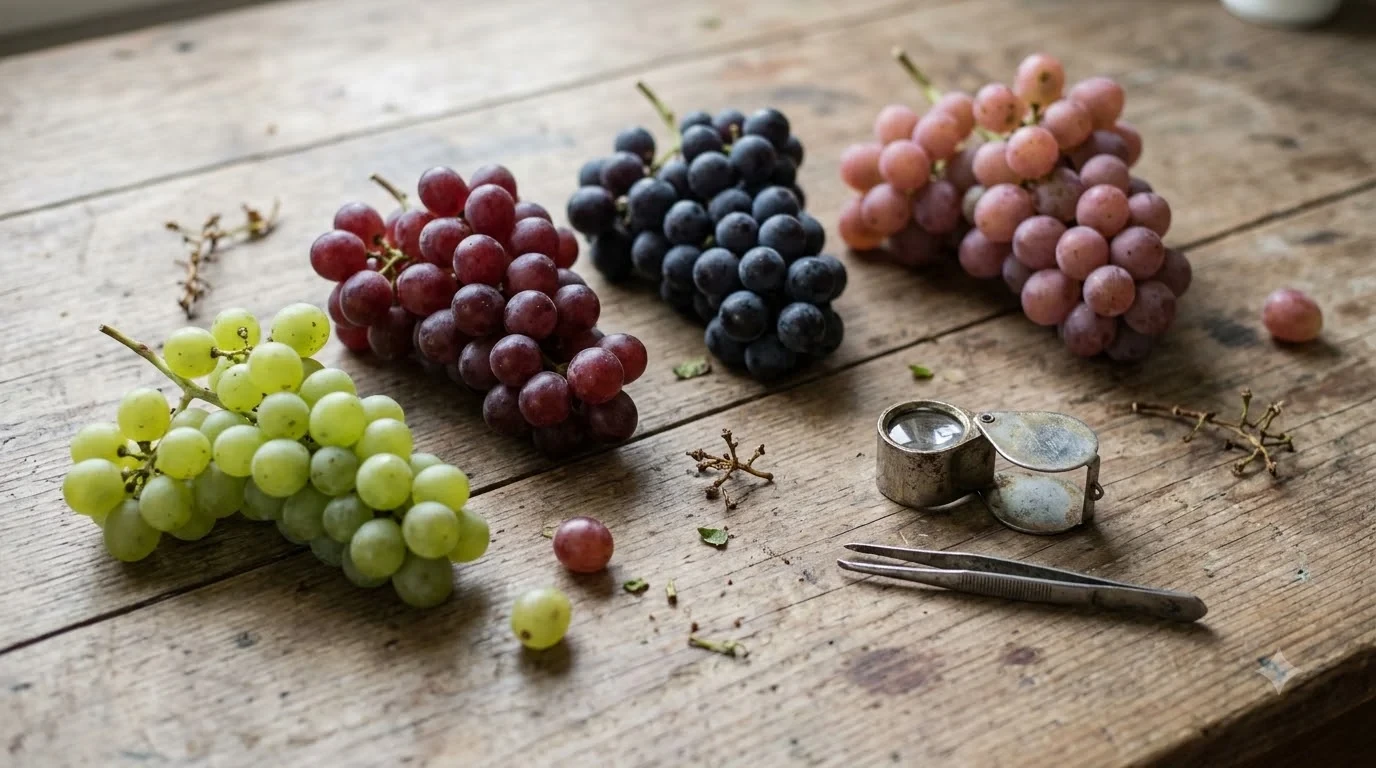
Ohio wine grapes include Riesling, Cabernet Franc, Vidal Blanc, Chambourcin, Pinot Noir, Chardonnay, and traditional American varieties such as Catawba and Concord. These grapes thrive across a range of Ohio growing conditions, producing everything from crisp dry whites and structured reds to fruity heritage wines and sweet ice wines. The state’s combination of Lake Erie moderation, varied vineyard sites, and cold-hardy grape hybrids gives Ohio a distinctive place in American winemaking.
Ohio’s wine industry brings together European grape varieties, American heritage grapes, and hybrids developed to handle challenging growing conditions. The result is a varied collection of wines that can surprise drinkers who associate the state primarily with sweet, fruity bottles. Understanding the grapes behind Ohio wine makes it easier to recognize regional differences, choose bottles that suit your preferences, and appreciate why certain varieties have become particularly important to local vineyards.
Three Grape Families Define Ohio Wine
Ohio vineyards grow three broad categories of wine grapes: American heritage varieties, French-American and other cold-hardy hybrids, and European Vitis vinifera grapes. Each group contributes different flavors and growing characteristics, helping winemakers produce a broad selection of wines despite the state’s cold winters and variable growing seasons.
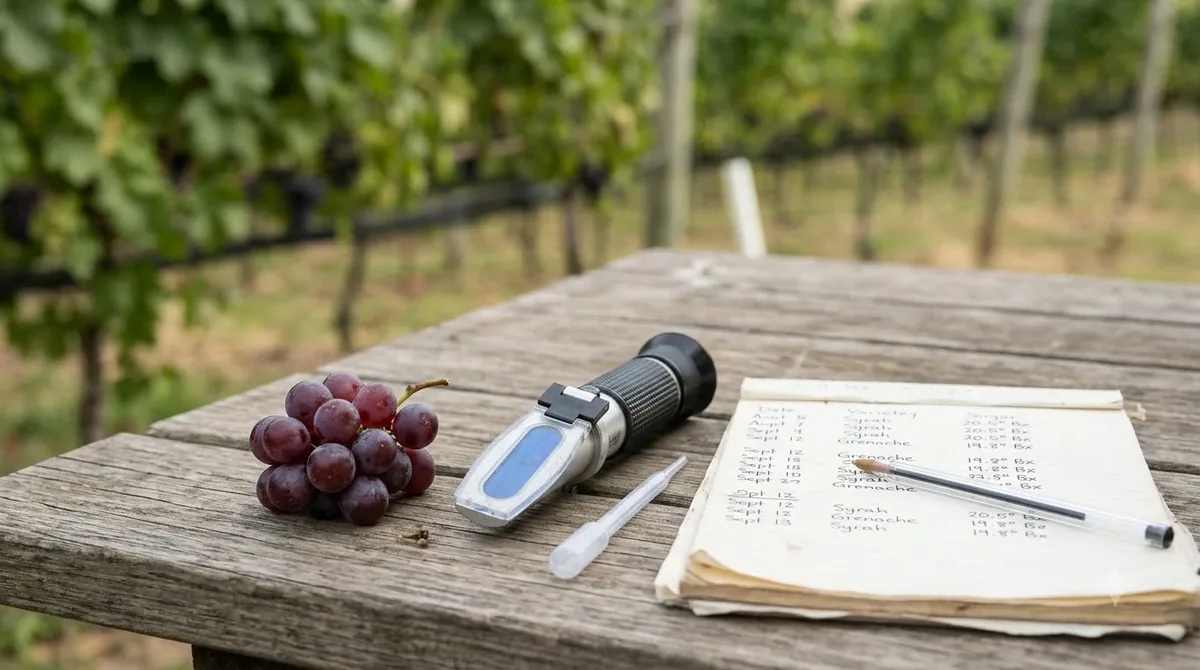
American heritage grapes include Concord, Catawba, Niagara, and Delaware. These varieties have a long history in the eastern United States and are particularly important to Ohio’s wine identity. Concord is known for its recognizable grapey aroma and flavor, while Niagara produces aromatic white wines with a fresh, sweet-leaning character. Catawba can be made in white, pink, and rosé-style expressions, and Delaware has historical importance in the region. These grapes often appeal to drinkers who enjoy fruit-forward wines rather than the restrained profiles associated with many European varieties.
French-American hybrids combine characteristics from European wine grapes and other grape species. Vidal Blanc, Chambourcin, Traminette, Chardonel, and Seyval Blanc are examples grown in Ohio. Their appeal comes partly from their ability to handle conditions that can challenge more delicate European varieties. They also provide winemakers with different combinations of acidity, aroma, color, and ripening behavior.
European vinifera grapes include Riesling, Chardonnay, Cabernet Franc, Cabernet Sauvignon, Pinot Noir, and Pinot Gris. These are familiar international varieties that allow Ohio producers to make wines with recognizable varietal identities. However, vinifera generally requires more carefully selected vineyard locations and management. Ohio State University notes that hybrids are typically more cold-hardy and more disease-resistant than vinifera, making hybrids an important part of the state’s commercial vineyards.
The three categories should not be treated as a simple quality ranking. A well-made hybrid can offer more regional character and balance than an unsuccessful vinifera wine. Similarly, an American heritage grape can produce an enjoyable bottle when its distinctive aroma and sweetness are handled thoughtfully. The most useful approach is to consider the grape’s characteristics, the producer’s winemaking decisions, and the style of wine being offered.
Important White Ohio Wine Grapes
White varieties are central to Ohio’s reputation as a cool-climate wine producer. Riesling, Vidal Blanc, Chardonnay, Pinot Gris, and Traminette offer different expressions of acidity, fruit, floral aromas, and sweetness, making them useful starting points for exploring the state’s vineyards.
Riesling is one of Ohio’s most important European varieties. It is especially associated with northeastern Ohio, where cooler conditions can help preserve acidity during the growing season. Depending on harvest timing and fermentation choices, Ohio Riesling can range from dry and citrus-driven to off-dry and richly fruity. Common descriptors include green apple, peach, apricot, lemon, and floral notes. Its naturally high acidity makes it particularly useful with food, especially seafood, poultry, and dishes with moderate spice.
Vidal Blanc is a French-American hybrid valued for its adaptability and versatility. It can produce dry, semi-sweet, sweet, and dessert-style wines. Its thick-skinned berries and relatively loose clusters contribute to its usefulness in Ohio vineyards, while its late budbreak helps reduce exposure to some spring frost events. Vidal Blanc commonly displays apple, peach, citrus, and apricot characteristics. It is also an important variety for Ohio ice wine, where concentrated grape sugars and acidity create a rich, sweet wine.
Chardonnay provides a more internationally familiar white wine profile. Ohio examples may emphasize apple, citrus, pear, and mineral impressions, while some producers use oak to introduce vanilla, toast, and buttery notes. Chardonnay is moderately acidic compared with Riesling and Sauvignon Blanc, so its texture and acidity can vary considerably according to vineyard conditions and cellar decisions.
Pinot Gris and Pinot Grigio are two names for wines made from the same grape variety, although the names can suggest different stylistic approaches. Pinot Grigio commonly emphasizes lighter body, citrus, green apple, and freshness. Pinot Gris may receive more skin contact or oak treatment, creating a fuller texture and more developed fruit character. Ohio’s cooler growing areas can support crisp expressions with refreshing acidity.
Traminette is another useful hybrid for Ohio producers. It is recognized for floral aromas, spice, and fruit characteristics that can resemble Gewürztraminer. Depending on the winemaking approach, it may be dry, off-dry, or sweet. Its aromatic character makes it particularly interesting for drinkers who enjoy expressive white wines rather than neutral, restrained styles.
Other white hybrids include Chardonel, Cayuga White, La Crescent, Aromella, and Vignoles. These grapes provide additional choices for vineyards operating in different parts of the state. Their commercial importance varies by location, vineyard conditions, and local demand.
Red Grapes That Thrive in Ohio
Ohio’s red wines include internationally recognized vinifera varieties and hybrids selected for greater winter hardiness. Cabernet Franc, Pinot Noir, Chambourcin, Marquette, and Frontenac demonstrate how different grapes can produce contrasting red wine styles in the state’s growing conditions.
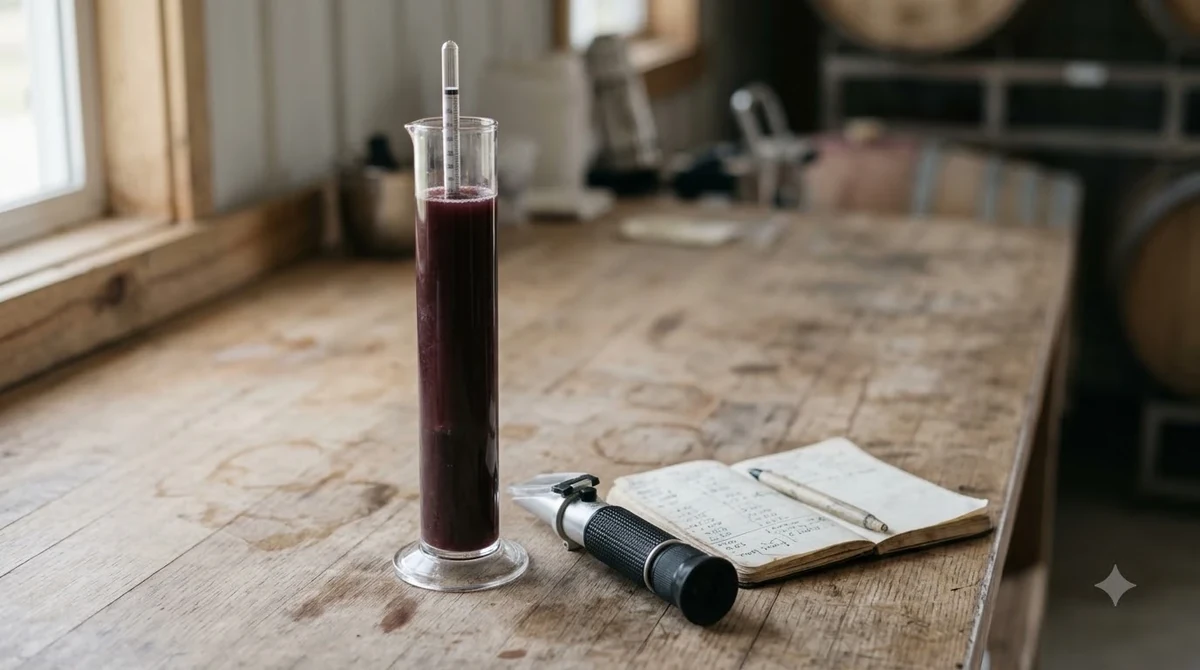
Cabernet Franc is one of the state’s leading red varieties. Ohio State University identifies it as an important red cultivar because of its relatively good winter hardiness and ability to ripen under Ohio conditions. It commonly produces medium-bodied to fuller wines with red berries, black pepper, herbs, and sometimes a recognizable green bell pepper character. Its acidity and moderate-to-firm tannins make it suitable for food pairing, especially with roasted meats, grilled vegetables, and tomato-based dishes.
Pinot Noir is associated with cooler wine regions and can perform well in carefully selected northern Ohio vineyard locations. It generally produces lighter-bodied wines with cherry, raspberry, earth, and subtle spice characteristics. Its naturally high acidity and relatively low-to-medium tannin level distinguish it from more structured grapes such as Cabernet Sauvignon. Ohio State University notes that fruit rot and uneven ripening can present significant challenges for Pinot Noir production.
Chambourcin is a French-American hybrid that has become an important red grape for Ohio producers. It can produce medium-bodied wines with cherry, plum, dark berry, and spice characteristics. The variety offers good resistance to bunch rot and downy mildew, two concerns in humid growing environments. Its ability to produce attractive red wine makes it an important alternative where more sensitive vinifera grapes may struggle. It generally benefits from a sufficiently long, warm growing season.
Marquette is a cold-hardy hybrid developed from the University of Minnesota grape-breeding program. Ohio State University describes it as a very hardy variety with good resistance to several common grape diseases. Its wines can show cherry, berry, and black pepper characteristics. Its suitability for colder vineyard regions makes it a useful alternative where tender European grapes face greater winter risks.
Frontenac offers another option for colder vineyard locations. Ohio State University classifies it as very winter hardy and suitable for the state’s colder growing regions. Its wines can show cherry, plum, blackberry, and substantial acidity. Frontenac is useful for dry reds, rosé, and fortified or port-style wines, although its high natural acidity may require blending or careful winemaking decisions.
Other red varieties found in Ohio include Cabernet Sauvignon, Merlot, Corot Noir, Noiret, Lemberger, and Norton. Cabernet Sauvignon needs particularly favorable sites and a long growing season, while Merlot is generally better suited to warmer southern locations. The range of available grapes means Ohio is not limited to sweet red wine, even though fruit-forward styles remain part of its identity.
Ohio’s Climate and the Importance of Lake Erie
Ohio’s grape-growing conditions are shaped by cold winter temperatures, spring frost, summer heat, rainfall, and local differences in elevation and drainage. Lake Erie plays an especially important role in northeastern Ohio by moderating temperatures and extending the useful growing season for selected grape varieties.
Ohio State University identifies winter injury as a major challenge for commercial grape production. Its vineyard recommendations divide the state into three broad growing regions according to winter temperatures and growing-season length. The coldest sites can experience temperatures of -15 degrees Fahrenheit or below, while the warmest locations generally have minimum temperatures of -10 degrees Fahrenheit or warmer. These differences influence which grapes can survive winter and reliably produce a crop.
Colder vineyard locations benefit from particularly hardy varieties such as Frontenac, Marquette, Frontenac Gris, and La Crescent. Other sites can accommodate moderately hardy hybrids and American varieties, although individual vineyard conditions still matter. Warmer locations provide more opportunities for European vinifera varieties, especially at well-positioned sites with favorable drainage and adequate growing-season warmth.
Lake Erie creates a moderating effect on the northeastern part of the state. Water heats and cools more slowly than land, helping reduce some temperature extremes. According to the Ohio Wine Producers Association, cool lake winds can slow tender bud growth during spring, while gentle warm breezes help extend the growing season into fall.
These conditions are particularly useful for varieties such as Riesling, Pinot Noir, Pinot Gris, and Chardonnay. They benefit from a growing season that allows grapes to develop flavor while retaining acidity. The lake’s influence does not eliminate frost risk, however. Vineyard elevation, proximity to water, air movement, and slope exposure all contribute to the conditions experienced by individual vines.
Ohio’s southern vineyards experience a somewhat different pattern. Warmer conditions along the Ohio River Valley can support later-ripening grapes such as Cabernet Sauvignon and Merlot at appropriate sites. The longer, warmer growing season can help these varieties achieve maturity, although winter cold remains an important consideration.
Growing-season length also matters. Ohio State University classifies grape ripening periods from early varieties that mature in late August to very late varieties that ripen in November. Choosing a grape that ripens reliably before unfavorable weather arrives is a major part of successful vineyard planning.
Tip: When comparing Ohio wines, pay attention to the grape variety and growing region together. A Riesling from a cool Lake Erie site may have a different balance of acidity and fruit from a wine made in a warmer southern Ohio vineyard.
Ohio’s Main Wine-Growing Regions
Ohio has five recognized American Viticultural Areas, with northeastern vineyards around Lake Erie and the Grand River Valley particularly important to the state’s wine identity. Different growing areas offer distinct combinations of water influence, soil, elevation, and seasonal temperatures that help determine which grapes perform best.
The Lake Erie AVA covers a large area along the southern shore of Lake Erie and extends into Pennsylvania and New York. Its Ohio vineyards benefit from the lake’s moderating influence, which can reduce temperature extremes and create favorable conditions for cool-climate grape varieties. Riesling, Chardonnay, Pinot Gris, Pinot Noir, and Cabernet Franc are among the wines associated with this area.
The Grand River Valley AVA is located in northeastern Ohio, including portions of Lake, Geauga, and Ashtabula counties. The Grand River and nearby Lake Erie influence its local growing conditions. Its gently rolling landscape and water-moderated climate help create opportunities for varieties that need a relatively long, cool growing season. Riesling, Pinot Gris, Pinot Noir, and Chardonnay are particularly relevant here, alongside hybrids such as Chambourcin and Vidal Blanc.
The Ohio Wine Producers Association highlights the concentration of vineyards in this northeastern area. Its Vines & Wines Wine Trail includes producers such as Debonné Vineyards, Ferrante Winery, M Cellars, and Markko Vineyard. These establishments illustrate the variety of wine styles available in the region, from familiar European grapes to hybrids and local specialties. The association’s Vines & Wines Wine Trail directory provides further information about the wineries and vineyards in this northeastern growing area.
Isle St. George AVA is associated with North Bass Island in Lake Erie. The surrounding water has a strong moderating influence, and growing-season temperatures can be warmer than those on the nearby mainland. This makes the island an interesting location for grape production in a state where winter conditions can limit cultivar choices.
Ohio River Valley AVA covers a much larger area across parts of Ohio, Indiana, Kentucky, and West Virginia. Ohio’s southern wine-growing areas can benefit from warmer conditions and a longer growing season. This helps provide opportunities for varieties that require more heat to ripen successfully, including selected Cabernet Sauvignon and Merlot plantings.
Loramie Creek AVA is a smaller recognized viticultural area in Shelby County, bordered by Loramie and Tuttle Creeks and State Route 47. It represents another part of the state’s diverse appellation structure, although its commercial wine presence is more limited than the northeastern Lake Erie region.
These areas demonstrate why Ohio wines should not be treated as one uniform category. A bottle from a Lake Erie vineyard may emphasize freshness and cool-climate acidity, while a southern Ohio wine may show riper fruit and a fuller body. For additional regional comparisons, explore our guides to Wine Regions and Texas wine grapes, where climate and grape selection create a different set of winemaking possibilities.
Wine Styles, Sweetness, and Food Pairings
Ohio grapes can produce dry whites, aromatic semi-sweet wines, structured reds, sparkling wines, rosé, and dessert wines. Understanding the relationship between grape variety and winemaking style is more useful than assuming that a particular Ohio grape always produces a specific level of sweetness.
Riesling is a good example of this flexibility. A dry version can emphasize citrus, green apple, mineral notes, and high acidity, while an off-dry version may show more peach and ripe apple character. Vidal Blanc can also range from crisp and dry to richly sweet. The final style depends on harvest decisions, fermentation, residual sugar, and the producer’s intended expression.
Red wines also vary considerably. Cabernet Franc generally produces a medium-bodied wine with noticeable acidity and moderate-to-firm tannins. Chambourcin can show ripe cherry and plum, while Marquette often delivers darker berry and pepper notes. Pinot Noir is usually lighter in body, with cherry and earthy characteristics. Cabernet Sauvignon, when successfully ripened, can offer more substantial tannin and darker fruit.
Ohio’s heritage varieties contribute another set of styles. Concord wines tend to have a pronounced grapey character and are often sweet. Catawba can be produced as a white or pink wine, while Niagara generally offers aromatic fruit and a sweeter impression. These wines are useful choices for people who enjoy straightforward fruit flavors and less austere profiles.
Ice wine is one of Ohio’s distinctive specialties. Vidal Blanc is particularly useful for this style because it can retain acidity while accumulating concentrated sugars in grapes left on the vine until suitable freezing conditions occur. The resulting wine can show honey, apricot, peach, pineapple, and concentrated citrus flavors. It is generally served in smaller pours and works particularly well with fruit desserts, pastries, and blue cheese.
Food pairing depends on sweetness, acidity, tannin, and alcohol rather than simply the color of the wine. High-acid Riesling works well with seafood, pork, and dishes containing citrus or moderate spice. Chardonnay can complement roast chicken, creamy pasta, and grilled fish. Cabernet Franc pairs naturally with grilled meats, roasted vegetables, and tomato-based dishes, while Pinot Noir is a good match for poultry, mushrooms, and salmon prepared without excessive oil or strong seasoning.
Sweet Ohio wines should generally be served with foods that are equally sweet or less sweet than the wine. A dessert that is sweeter than the wine can make the wine taste thin or sharply acidic. Vidal Blanc ice wine, for example, can work beautifully with peach tart or fruit-based desserts that complement its concentrated fruit flavors.
For serving temperatures, follow these practical ranges:
| Ohio wine style | Recommended temperature | Suggested food pairing |
|---|---|---|
| Dry Riesling | 45–50°F | Seafood, pork, citrus dishes |
| Chardonnay | 50–55°F | Roast chicken, creamy pasta |
| Pinot Gris | 45–50°F | Salads, white fish, vegetables |
| Traminette | 45–50°F | Spiced poultry, Asian-inspired dishes |
| Pinot Noir | 55–60°F | Mushrooms, poultry, roast pork |
| Cabernet Franc | 60–65°F | Grilled meats, tomato dishes |
| Chambourcin | 55–60°F | Roasted vegetables, sausages |
| Vidal Blanc ice wine | 43–50°F | Fruit desserts, blue cheese |
These temperatures are useful starting points rather than rigid rules. Light-bodied wines are generally more refreshing when served cooler, while fuller-bodied reds show more of their aromas when they are not excessively cold. A bottle of Pinot Noir served straight from a cold refrigerator may seem muted, while a warm Cabernet Franc may emphasize alcohol rather than fruit and structure.
For broader pairing ideas, it is also useful to consider other grape families. Our article on orange wine grapes explains how skin contact changes the texture and structure of white-grape wines. The same principles of acidity, tannin, and food intensity can help when comparing Ohio’s more unusual wine styles.
How to Choose and Appreciate Ohio Wines
The best way to explore Ohio wine is to start with a recognizable grape variety, then compare producers, regions, and sweetness levels. Reading the grape name and wine style together gives a clearer picture of what to expect than relying on a regional label alone.
If you normally drink dry white wine, begin with Riesling, Pinot Gris, or Chardonnay. A dry Riesling is a useful introduction to Ohio’s cool-climate character because its acidity and citrus-driven fruit provide a clear contrast with warmer-climate expressions of the same grape. Pinot Gris is another accessible choice, particularly if you prefer a lighter texture and less pronounced aromatics.
For people who enjoy aromatic wines, Traminette and Gewürztraminer are worth exploring. Both can offer floral and spicy characteristics, although sweetness varies. Traminette may be particularly appealing to drinkers who enjoy expressive fruit and floral notes without necessarily wanting a full-bodied white wine.
Red wine drinkers can begin with Cabernet Franc, Pinot Noir, and Chambourcin. Cabernet Franc offers a familiar combination of red fruit, herbs, and structure. Pinot Noir is a better starting point for people who prefer lighter-bodied reds with moderate tannin. Chambourcin can provide a fruit-forward alternative with a different balance of acidity and texture.
Drinkers who prefer sweeter wine can explore Catawba, Concord, Niagara, off-dry Riesling, and Vidal Blanc. These wines are not interchangeable. Concord tends to have a particularly recognizable grape-like aroma, Niagara offers fresh white-grape character, and Catawba can provide floral fruit and a softer impression. Vidal Blanc often offers more citrus, apple, and stone-fruit characteristics.
It is also useful to understand how much of a wine actually comes from Ohio. The Ohio Quality Wine program identifies qualifying wines made from at least 90% Ohio-grown grapes that have passed sensory and chemical analysis. Its classifications include Vintage, Specialty, and Heritage categories. The Heritage classification covers certain American grape species and varieties, while the other categories cover additional styles and grape groups.
This distinction matters because a wine made by an Ohio winery is not automatically made entirely from Ohio-grown fruit. A winery can produce local wines using grapes or juice sourced from outside the state. Consumers who specifically want wines made predominantly from local grapes can look for the Ohio Quality Wine designation and its identifying bottle markings.
Visiting a winery can also help clarify the differences among varieties. A tasting flight that includes Riesling, Vidal Blanc, Cabernet Franc, and Chambourcin provides an effective introduction to the state’s main wine styles. Comparing dry and semi-sweet versions of the same grape can be especially informative because it shows how residual sugar changes the perception of acidity and fruit.
When storing Ohio wines at home, keep bottles away from direct sunlight and large temperature changes. A consistent storage temperature near 55°F is a useful target, and cork-sealed bottles are generally stored on their sides. Serve most sparkling wines at 40–50°F, light whites at 45–50°F, fuller whites at 50–55°F, and light reds at 55–60°F. A 750-milliliter bottle provides approximately five standard 5-ounce pours.
After opening, refrigerate unfinished still wine and generally aim to enjoy it within 3–5 days. Sparkling wine is best consumed sooner, usually within 1–3 days when properly sealed. These simple practices help preserve the fruit, freshness, and balance that make Ohio’s diverse wines enjoyable.
Frequently Asked Questions
Are Ohio wine grapes grown commercially throughout the entire state?
Commercial vineyards are distributed across several Ohio growing areas, but production is concentrated in particular regions. Northeastern Ohio has a particularly significant share of the state’s wine grape acreage. Vineyard suitability depends on local temperatures, soil drainage, slope, and the length of the growing season rather than state boundaries alone.
What does Vitis labrusca mean on an Ohio wine discussion?
Vitis labrusca is the grape species associated with American varieties such as Concord, Niagara, Catawba, and Delaware. These grapes often have distinctive aromas that differ from European vinifera varieties. Their characteristic fruit profiles have played an important role in the history of eastern American winemaking.
Which Ohio grape variety is associated with the state’s early commercial wine history?
Catawba has a particularly important place in Ohio wine history. Nicholas Longworth helped establish commercial winemaking around Cincinnati using Catawba grapes during the nineteenth century. The variety became closely associated with the early development of American wine production in the Ohio River Valley.
Can Ohio grapes be used to make sparkling wine?
Yes. Ohio’s grapes can be used for sparkling wine, including varieties that retain good acidity in cooler growing conditions. Catawba, for example, has naturally high acidity that makes it suitable for sparkling wine production. Traditional-method sparkling wine undergoes its second fermentation in the bottle, while other sparkling wine methods use different fermentation arrangements.
What is the Ohio Quality Wine designation intended to confirm?
The Ohio Quality Wine program identifies qualifying wines made with at least 90% Ohio-grown grapes and subjected to sensory and chemical analysis. Its classifications distinguish Vintage, Specialty, and Heritage wines. The designation gives consumers a practical way to identify qualifying bottles when they specifically want wine made predominantly from grapes grown in Ohio.
Ohio’s wine identity comes from the combination of American heritage grapes, adaptable hybrids, and internationally recognized vinifera varieties. Riesling, Cabernet Franc, Vidal Blanc, Chambourcin, and Catawba each demonstrate a different side of the state’s growing conditions and winemaking traditions. Exploring bottles from different Ohio regions is an excellent way to discover how grape selection, climate, and cellar decisions shape the wines of the Buckeye State.
More in Wine Regions
 Willcox Wine Trail: Discover Arizona’s High-Elevation Wine CountryUpdated Nov 20, 2026
 Yakima Valley Wine Region: Find the Best Styles to TryUpdated Nov 20, 2026
 Vosne Romanee Wine Tasting: Identify Aromas and Choose Better PairingsUpdated Nov 20, 2026
 Yakima Valley Wine Festival: Find the Best Seasonal Wine EventsUpdated Nov 20, 2026
 Wales Vineyards: Discover Cool-Climate Wines and Where to VisitUpdated Nov 20, 2026
 Yountville Wine Festival: Discover Napa Wines and Local FoodUpdated Nov 20, 2026