

We may earn a commission when you buy through links on this page, at no extra cost to you. Learn more.
Ohio vineyards span five federally recognized American Viticultural Areas across the Buckeye State, producing cool-climate European varietals, cold-hardy French-American hybrids, and traditional native grapes. Concentrated primarily along the southern shore of Lake Erie and the rolling hills of the Ohio River Valley, the state supports more than 270 wineries. Moderating lake-effect breezes and fertile glacial limestone soils allow growers to craft crisp Riesling, expressive Cabernet Franc, and benchmark Vidal Blanc ice wine.
Long before California dominated American wine shelves, Cincinnati served as the nation’s first major commercial winemaking hub in the 1820s. Today, a modern revival driven by European-trained winemakers and disease-resistant plantings has brought renewed national attention to Wine Regions across the Midwest, with Ohio leading the charge in vineyard diversity and estate-grown quality.
Overview
Ohio sits at the crossroads of Great Lakes maritime moderation and inland continental climate, giving its winegrowers distinct microclimates within a single state. While many wine drinkers associate the Midwest with sweet fruit bottlings, contemporary estates across northern and southern Ohio dedicate substantial acreage to dry table wines and traditional-method sparkling releases.
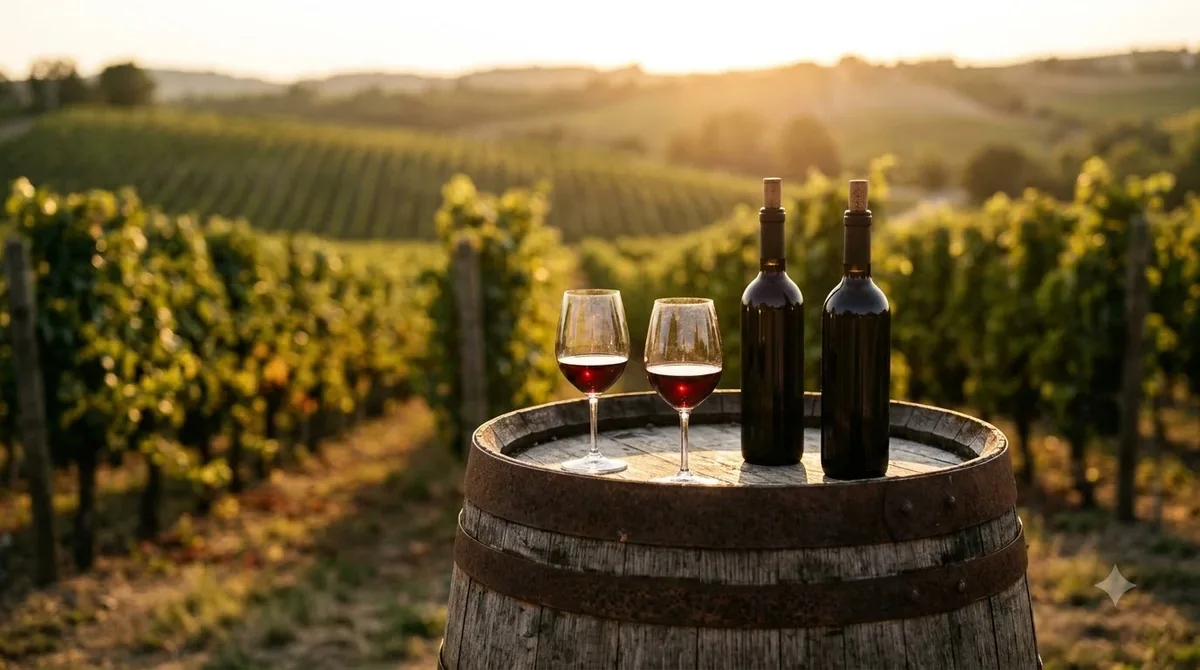
The state’s viticultural roots trace back to 1823, when lawyer and horticulturalist Nicholas Longworth planted native Alexander and Isabella grapes along the Ohio River near Cincinnati, according to Find Ohio Wines. By the mid-nineteenth century, Longworth’s sparkling Catawba earned acclaim both domestically and in Europe, establishing the Ohio River Valley as the birthplace of commercial American viticulture before vineyard diseases and Prohibition halted production.
Rebuilding began in the 1960s as researchers and growers introduced cold-hardy French-American hybrid varieties capable of withstanding harsh winter freezes. Over subsequent decades, improved vineyard drainage, site selection, and winter protection techniques enabled growers along Lake Erie to cultivate classic European Vitis vinifera vines alongside those resilient hybrids.
Sub-regions
The Alcohol and Tobacco Tax and Trade Bureau (TTB) recognizes five distinct American Viticultural Areas (AVAs) wholly or partially within Ohio’s borders. Each appellation reflects different soil compositions, waterway influences, and growing-season lengths.
| AVA Name | Geographic Location | Key Climate & Soil Traits | Signature Grapes |
|---|---|---|---|
| Lake Erie | South shore of Lake Erie (OH, NY, PA) | Lake-moderated temperatures, glacial till and sandy loam | Riesling, Pinot Gris, Concord, Niagara |
| Grand River Valley | Lake, Geauga, and Ashtabula counties | Warm thermal breezes off Lake Erie, extended autumn ripening | Pinot Noir, Cabernet Franc, Vidal Blanc, Chardonnay |
| Isle St. George | North Bass Island in Lake Erie | Warm island microclimate surrounded by shallow lake waters | Catawba, Vidal Blanc, Riesling |
| Ohio River Valley | Southern Ohio plus parts of IN, KY, and WV | Warm continental to humid subtropical climate, limestone soils | Cabernet Sauvignon, Seyval Blanc, Vidal Blanc, Chambourcin |
| Loramie Creek | Shelby County in west-central Ohio | Creek-bordered agricultural plain; currently no commercial wineries | Historic hybrid and native plantings |
Located within the broader 2,236,800-acre Lake Erie appellation, the Grand River Valley AVA encompasses land within two miles of the Grand River or fourteen miles of the Lake Erie shoreline. Because Lake Erie is shallower and warmer than the other Great Lakes, its autumn thermal release delays early frosts, giving finicky varieties extra weeks on the vine to reach physiological ripeness.
On North Bass Island, the Isle St. George AVA features grapevines covering more than half of the island’s landmass, where surrounding waters keep growing-season temperatures warmer than on the adjacent mainland. In stark contrast, the massive 16,640,000-acre Ohio River Valley AVA spans four states and ranks as the second-largest wine appellation in the United States, offering warmer summer heat units suited to fuller-bodied reds.
Key grapes and styles
Because winter lows and summer humidity vary sharply between Lake Erie and the Kentucky border, Ohio growers cultivate three separate grape species. Understanding these categories helps drinkers predict whether a bottle will taste bone-dry and mineral or lush and fruit-forward.
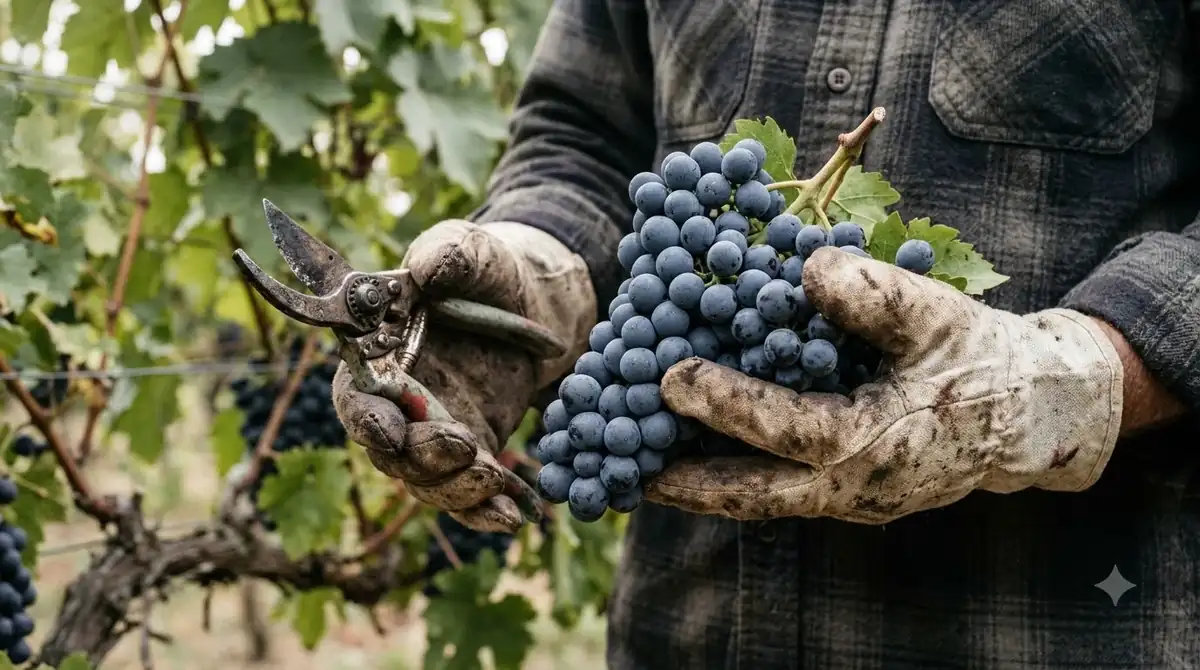
In the cool northern appellations, European Vitis vinifera varieties thrive on well-drained glacial ridges. Riesling stands out for its bright green apple, pear, and citrus acidity, while Chardonnay ranges from crisp, stainless-steel expressions to rich, oak-aged styles. Among reds, Pinot Noir delivers red cherry and floral aromatics, and Cabernet Franc offers crunchy red berry fruit with subtle herbal and pepper notes.
French-American hybrids form the backbone of many estates thanks to their winter hardiness and disease resistance. Vidal Blanc plays a dual role: winemakers ferment it into dry, refreshing white table wines or leave the clusters hanging into winter to harvest frozen grapes for luscious, concentrated ice wine. Chambourcin leads the red hybrids, yielding deeply colored wines with dark plum fruit and supple tannins that pair well with oak aging.
Heritage native varieties—primarily Vitis labrusca grapes such as Catawba, Concord, and Niagara—remain culturally and commercially vital, especially around the Lake Erie islands. Winemakers craft these grapes into aromatic off-dry whites, blush rosés, and nostalgic sweet sippers that celebrate the state’s nineteenth-century winemaking traditions.
Notable producers
While most of Ohio’s 280-plus wineries sell the majority of their bottles locally, several estates regularly earn medals at national and international competitions. Reviewers at Wine Enthusiast highlight a growing wave of benchmark producers elevating the state’s reputation.
- Ferrante Winery & Ristorante (Grand River Valley): A multi-generational family estate in Harpersfield recognized nationally for vibrant Riesling, signature Cabernet Franc, and gold-medal Vidal Blanc ice wine.
- Debonné Vineyards (Grand River Valley): Located in Madison, this expansive estate produces acclaimed Chardonnay, Riesling, and ice wines alongside lively outdoor music and festival programming.
- Kosicek Vineyards (Grand River Valley): Known for expressive estate vinifera bottlings, including structured Chardonnay, Pinot Noir, and cool-climate Cabernet Sauvignon.
- Laurentia Vineyard & Winery (Grand River Valley): A Madison producer focusing on estate-grown Cabernet Sauvignon, Cabernet Franc, and single-clone Riesling.
- Firelands Winery (Lake Erie): Operating in Sandusky since 1880, one of Ohio’s oldest and largest wineries, noted for aromatic Gewürztraminer, Pinot Grigio, and traditional sparkling wines.
- Gervasi Vineyard (Canton): A Tuscan-inspired destination estate featuring Italian-style red blends, upscale dining, and overnight villa accommodations.
- Heineman’s Winery (Put-in-Bay): A historic South Bass Island landmark celebrated for traditional Lake Erie island sweet wines and Catawba bottlings.
These wineries demonstrate the stylistic range across the state, proving that serious estate-grown vinifera sits comfortably alongside historic island cellars and hospitality-driven destination vineyards.
Visiting tips
Ohio organizes its wine country around six primary wine trails—including the Lake Erie Shores and Islands Trail, the Vines and Wines Trail in the Grand River Valley, and the Ohio River Valley Wine Trail—making self-guided tasting itineraries straightforward. Because northeastern Ohio holds the highest concentration of wineries per square mile, basing a weekend trip near Geneva-on-the-Lake or Madison allows easy access to a dozen tasting rooms within a twenty-minute drive.
Timing your visit shapes the cellar experience considerably. Late summer and early autumn bring harvest energy and lush vineyard views, whereas early March draws thousands of visitors to the Grand River Valley for annual ice wine festivals celebrating the winter harvest. Unlike high-elevation western enclaves such as diamond mountain vineyards or coastal historic estates like constantia vineyards, most Ohio tasting rooms welcome casual drop-in guests without advance reservations, though groups of six or more should call ahead on weekends.
Tip: Ask tasting room staff which bottles are made strictly from estate or Ohio-grown fruit—many wineries produce both local appellation wines and bottlings blended with out-of-state grapes.
How to buy
Because small-lot production keeps most bottles close to home, buying directly from winery tasting rooms or state-licensed retailers in Cleveland, Columbus, and Cincinnati offers the widest selection. When browsing shelves, look for the Ohio Quality Wine (OQW) seal established by the Ohio Grape Industries Committee, which certifies that a wine was crafted from at least 90 percent Ohio-grown grapes and passed sensory and chemical quality panels.
If you live outside the Midwest, several larger producers—such as Firelands Winery and Ferrante Winery—distribute select labels to neighboring Great Lakes states and ship directly to consumers in eligible jurisdictions through their websites. Much like planning a trip to grapevine vineyards in Texas, ordering a mixed case of dry Riesling, Cabernet Franc, and Vidal Blanc ice wine is the best way to sample the state’s signature styles at home.
Frequently Asked Questions
What wines is Ohio best known for?
Ohio is best known for crisp, aromatic white wines such as Riesling and Vidal Blanc, cool-climate reds like Cabernet Franc and Pinot Noir, and sweet Vidal Blanc ice wine. Along Lake Erie, traditional off-dry and sweet wines made from native Catawba, Concord, and Niagara grapes also remain regional staples.
How many wineries and wine regions are in Ohio?
Ohio is home to more than 270 commercial wineries spread across five federally recognized American Viticultural Areas: Lake Erie, Grand River Valley, Isle St. George, Ohio River Valley, and Loramie Creek. The highest density of estate vineyards sits in northeastern Ohio near Lake Erie.
Does Ohio grow real European wine grapes or only sweet native grapes?
Ohio grows both European Vitis vinifera grapes and native American varieties, alongside cold-hardy French-American hybrids. Lake-effect warmth along the Grand River Valley and Lake Erie shoreline extends the autumn growing season enough to ripen Riesling, Chardonnay, Pinot Noir, Cabernet Franc, and Cabernet Sauvignon.
When is the best time of year to visit Ohio vineyards?
September and October offer mild weather, fall foliage, and active harvest crush across the state’s wine trails. March is another peak season in northeastern Ohio, when Grand River Valley wineries host popular ice wine tasting trails and food-pairing weekends.
Whether you are touring Lake Erie island cellars or uncorking a bottle of Grand River Valley Riesling at dinner, Ohio vineyards reward curious wine lovers with genuine regional character. Exploring bottles carrying the Ohio Quality Wine designation or a specific state AVA on the label ensures you experience fruit grown right in the Buckeye State.
More in Wine Regions
 Willcox Wine Trail: Discover Arizona’s High-Elevation Wine CountryUpdated Nov 20, 2026
 Yakima Valley Wine Region: Find the Best Styles to TryUpdated Nov 20, 2026
 Vosne Romanee Wine Tasting: Identify Aromas and Choose Better PairingsUpdated Nov 20, 2026
 Yakima Valley Wine Festival: Find the Best Seasonal Wine EventsUpdated Nov 20, 2026
 Wales Vineyards: Discover Cool-Climate Wines and Where to VisitUpdated Nov 20, 2026
 Yountville Wine Festival: Discover Napa Wines and Local FoodUpdated Nov 20, 2026