

We may earn a commission when you buy through links on this page, at no extra cost to you. Learn more.
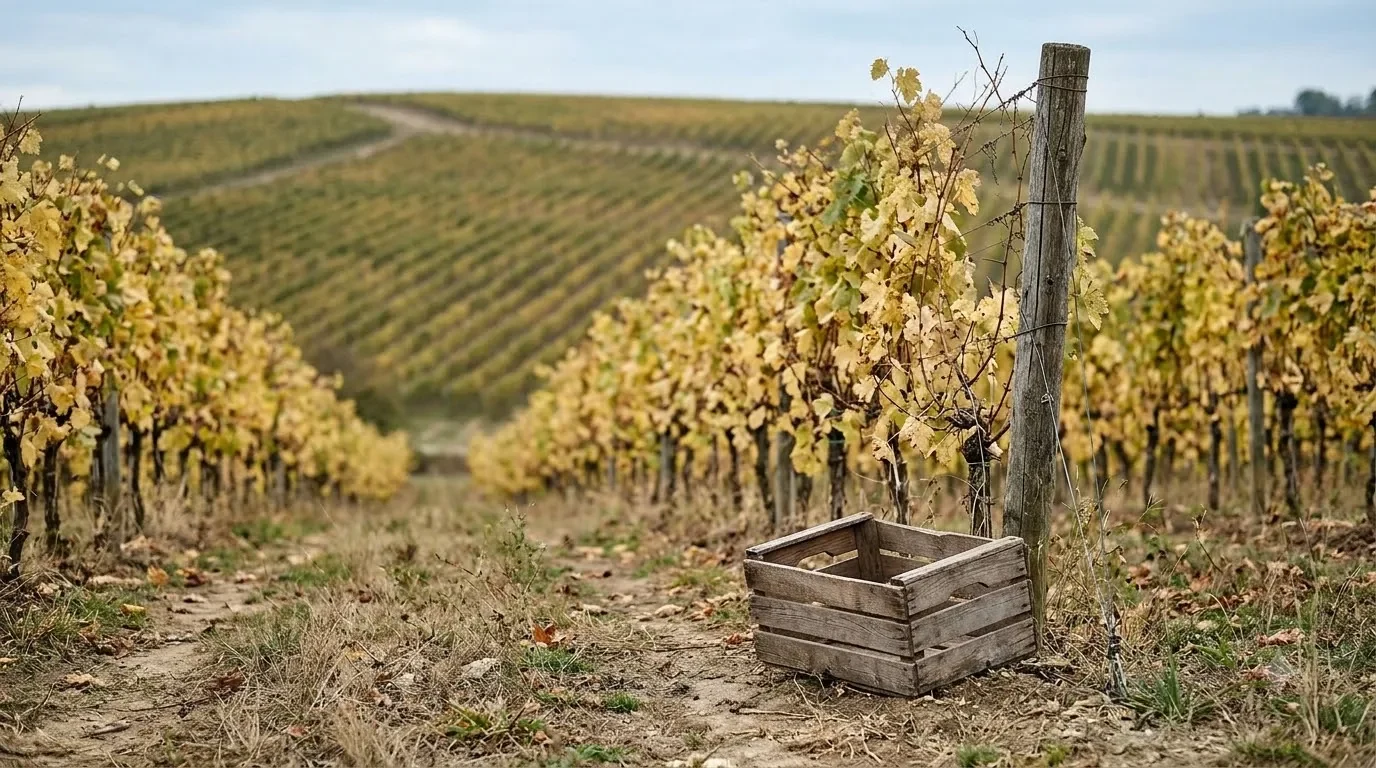
Constantia vineyards sit on the southern slopes of Table Mountain in Cape Town, and they make up South Africa’s oldest wine-producing area. Winemaking there dates back to 1685. The area is best known for its Sauvignon Blanc and for the sweet Muscat wines that once won favor across 18th-century Europe.
This guide explains what makes the area unusual, how its wine history unfolded, and which grapes and styles define it today. It also covers how American buyers can find these wines and what to check on a label before they buy.
What Is Constantia and Where Is It?
Constantia is a valley and suburban area on the southern edge of Cape Town. It is the country’s original wine-producing region, and it sits close enough to the city that many visitors reach it in a short drive.
According to the Wines of South Africa terroir article, the valley lies about 15 minutes from the city centre. The region is often called Cape Town’s Vineyard for that reason. The vineyards face east toward False Bay and catch cool sea breezes off the water.
The whole area was once a single 17th-century wine farm owned by governor Simon van der Stel. Today it is divided into eight estates spread across the mountain’s slopes. Constantia also belongs to the wider Cape Town wine-growing area, which includes Noordhoek, Hout Bay, Durbanville and Philadelphia. The Western Cape wine overview on Wikipedia describes the valley as mountainous and home to some of the country’s oldest estates.
A Brief History of Constantia Wine
Constantia’s wine story began in the late 1600s and reached its peak with sweet wines in the 1700s. Disease, financial trouble and long gaps in production shaped the rest of its history.
The estate was established in a valley facing False Bay in 1685. Governor Simon van der Stel’s wine, called Vin de Constance, soon earned a good reputation. The estate later passed to Hendrik Cloete, who bought the homestead in 1778 and made the name of Constantia famous.
Cloete’s unfortified wine was a blend, mostly of Muscat de Frontignan, with some related muscat types and a little Chenin Blanc. It became a favorite of European royalty, and sources list rulers from Frederick the Great to Napoleon among its admirers. Those sweet wines were then lost for much of a century.
The vineyards were later devastated by phylloxera, the Cloete family went bankrupt, and Groot Constantia was sold to the government as an experimental station. The revival came later. In 1980, Duggie Jooste bought Klein Constantia, redeveloped it, and began selling a new version of Vin de Constance made from Muscat Blanc à Petits Grains.
Key Grape Varieties and Notable Estates
Sauvignon Blanc is the signature grape of the region, and nearly half of its 421 hectares of vines are planted to it. Muscat, Chardonnay, Sémillon and several red Bordeaux varieties also play a part in the local mix.
| Grape | Role in Constantia | What to expect in the glass |
|---|---|---|
| Sauvignon Blanc | The region’s main variety, planted at Groot Constantia as early as the 1880s | Aromatic, bright and crisp, with good acidity |
| Muscat | The base of the historic Vin de Constance style | Sweet, floral and aromatic dessert wine |
| Sémillon | Grows well and pairs with Sauvignon Blanc in blends | Fuller white blends that can age |
| Chardonnay | Still being worked out by local growers | Varies as growers refine their methods |
| Cabernet Sauvignon, Merlot and Malbec | Grow well in the local soils and weather | Structured, Bordeaux-style reds |
The best-known estates include Groot Constantia, the country’s oldest wine estate, and Klein Constantia, famous for Vin de Constance. Other names include Steenberg, Constantia Glen, Buitenverwachting, Eagles’ Nest, Beau Constantia and Silvermist Organic Wine Estate. For a closer look at the wine itself, read our constantia wine page.
Constantia Wine Styles and Food Pairings
Constantia makes dry whites, sweet Muscat and Bordeaux-style reds, so the right pairing depends on the style. Dry Sauvignon Blanc suits light, fresh dishes, while the sweet wine belongs with dessert.
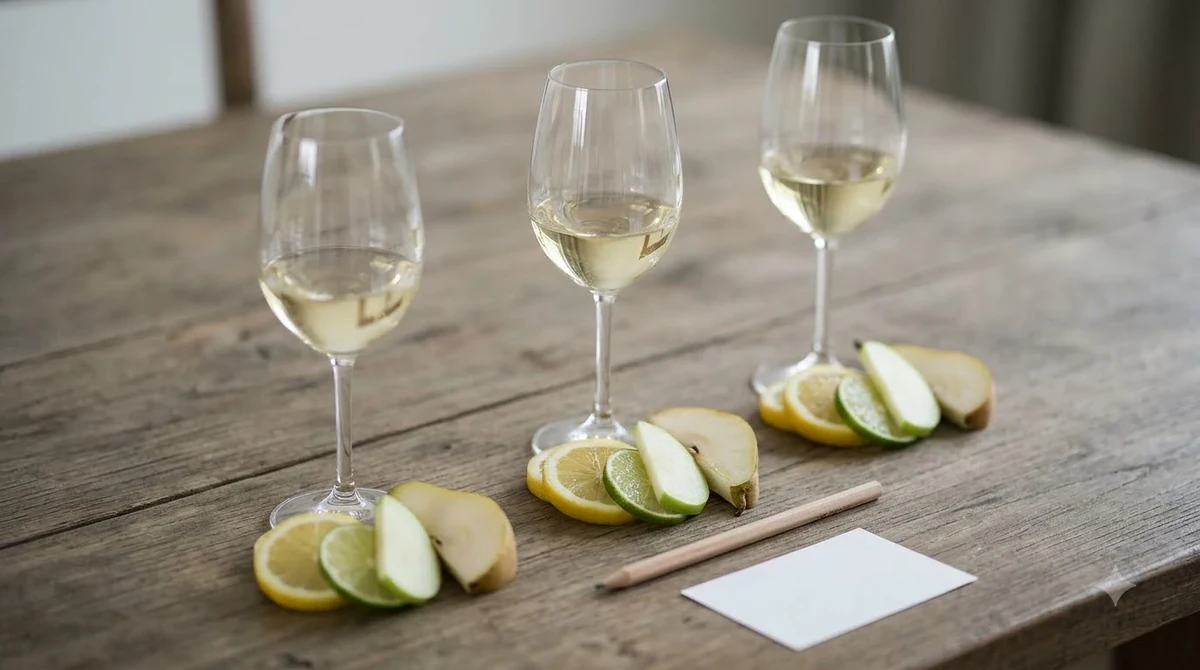
Sauvignon Blanc from the area is known for its aromatic brightness. Reviewers at Wines of South Africa note that the cool conditions help preserve acidity and concentrate flavor. The grape can lose intensity in heat, so the cooler sites matter. Many estates also use several slopes and soil types, which gives winemakers a range of blending components.
| Style | Typical grapes | Food ideas |
|---|---|---|
| Dry white | Sauvignon Blanc | Oysters, shellfish, goat cheese and green salads |
| Age-worthy white blend | Sauvignon Blanc with Sémillon | Roast chicken, creamy pasta and fish in sauce |
| Bordeaux-style red | Cabernet Sauvignon, Merlot, Malbec | Grilled lamb, beef and aged cheddar |
| Sweet Muscat | Muscat Blanc à Petits Grains | Fruit desserts and sharp blue cheese |
Tip: Serve dry whites well chilled and sweet wines in small pours. Always drink responsibly and plan a ride home before you open a bottle.
Visiting the Constantia Wine Route
Constantia is an easy day trip for visitors already in Cape Town, and its estates sit close together. Plan your visits around tasting hours and transport, and confirm each estate’s schedule before you go.
Because the estates sit on mountain slopes, each one offers a different view and a different soil profile. Winemakers at the region’s estates describe a patchwork of sites, so tasting several estates gives you a sense of how much the terroir changes over short distances.
The climate here is distinctive. The area receives substantial rain each year, and humidity runs fairly high, which brings some disease risk. Wind is also a constant feature. Local growers say it can harm young shoots early in the season but helps keep vines healthy later on.
Wildlife is part of the setting too. Baboons are active on the mountain estates, so keep food and bags secure during your visit. Choose one designated driver or book a driver, since the estates are spread out and tastings add up.
Buying and Storing Constantia Wines in the US
American buyers can find Constantia wines through specialty wine shops and online retailers that import South African bottles. Availability changes by state and by season, so check with shops near you. As of Nov 2026, many buyers rely on retailers that can order from importers.
Read the label carefully. Look for the producer name, the vintage and the style words that signal sweetness. A bottle labeled as a dessert wine is a Muscat-style sweet wine, while a dry Sauvignon Blanc will be marked as a dry white. The label also tells you whether the wine is a blend, which affects how it will age.
Store bottles in a cool, dark place away from heat and direct light. Aromatic whites such as Sauvignon Blanc are usually best enjoyed within a few years of the vintage. Structured reds and blends can develop more over time, so ask the shop staff or the producer’s website about aging potential before you buy a bottle to keep.
Frequently Asked Questions
What is Constantia best known for?
Constantia is best known as South Africa’s oldest wine-producing area and for its Sauvignon Blanc. It is also famous historically for Vin de Constance, a sweet Muscat wine that was admired by European royalty in the 1700s.
How far is Constantia from Cape Town?
According to Wines of South Africa, Constantia is roughly 15 minutes from the city centre. That short distance makes it a popular day trip for visitors staying in Cape Town. Check current travel times before you plan your route.
What grape should I try first from Constantia?
Start with Sauvignon Blanc, since it is the region’s signature grape and makes up nearly half of the vineyard area. If you enjoy sweet wines, try a Muscat-style dessert wine from the area as well. Compare styles to see which one you prefer.
Can I find Constantia wines in the United States?
Many specialty shops and online retailers carry South African wines, but selection changes by state and season. Ask a shop to order a specific producer if you have one in mind. Reading the label helps you confirm the style before you buy.
Constantia offers a rare combination of deep history and modern winemaking, all within a short distance of a major city. Start with Sauvignon Blanc, then explore the sweet wines that made the valley famous. For more background on the broader region, visit our Wine Regions section.
More in Wine Regions
 Willcox Wine Trail: Discover Arizona’s High-Elevation Wine CountryUpdated Nov 20, 2026
 Yakima Valley Wine Region: Find the Best Styles to TryUpdated Nov 20, 2026
 Vosne Romanee Wine Tasting: Identify Aromas and Choose Better PairingsUpdated Nov 20, 2026
 Yakima Valley Wine Festival: Find the Best Seasonal Wine EventsUpdated Nov 20, 2026
 Wales Vineyards: Discover Cool-Climate Wines and Where to VisitUpdated Nov 20, 2026
 Yountville Wine Festival: Discover Napa Wines and Local FoodUpdated Nov 20, 2026