

We may earn a commission when you buy through links on this page, at no extra cost to you. Learn more.
Where is ice wine from? Ice wine originated in Germany, where winemakers discovered that grapes naturally frozen on the vine could produce exceptionally concentrated, sweet wine. Known as Eiswein in German, this distinctive dessert wine developed a long tradition in Central Europe before Canada established itself as one of its most internationally recognized producers. Today, Germany, Austria and Canada are important sources of authentic ice wine, with Ontario particularly famous for its production.
Ice wine stands apart from other dessert wines because its sweetness comes from grapes that freeze naturally outdoors rather than from added sugar or artificial freezing. The technique depends on cold winters, healthy grapes and careful harvesting at temperatures below freezing. Understanding its German beginnings, its expansion into Canada and the rules governing production makes it easier to recognize authentic bottles and appreciate the differences between regional styles.
Germany Is the Original Home of Ice Wine
Ice wine originated in Germany, particularly in the country’s cool-climate wine-growing regions, where unexpected winter frosts revealed an unusual way to concentrate grape juice. The first well-documented German ice wine harvest occurred on February 11, 1830, in Dromersheim, near Bingen, in the Rheinhessen region. Germany is the country most closely associated with the development of modern ice wine.
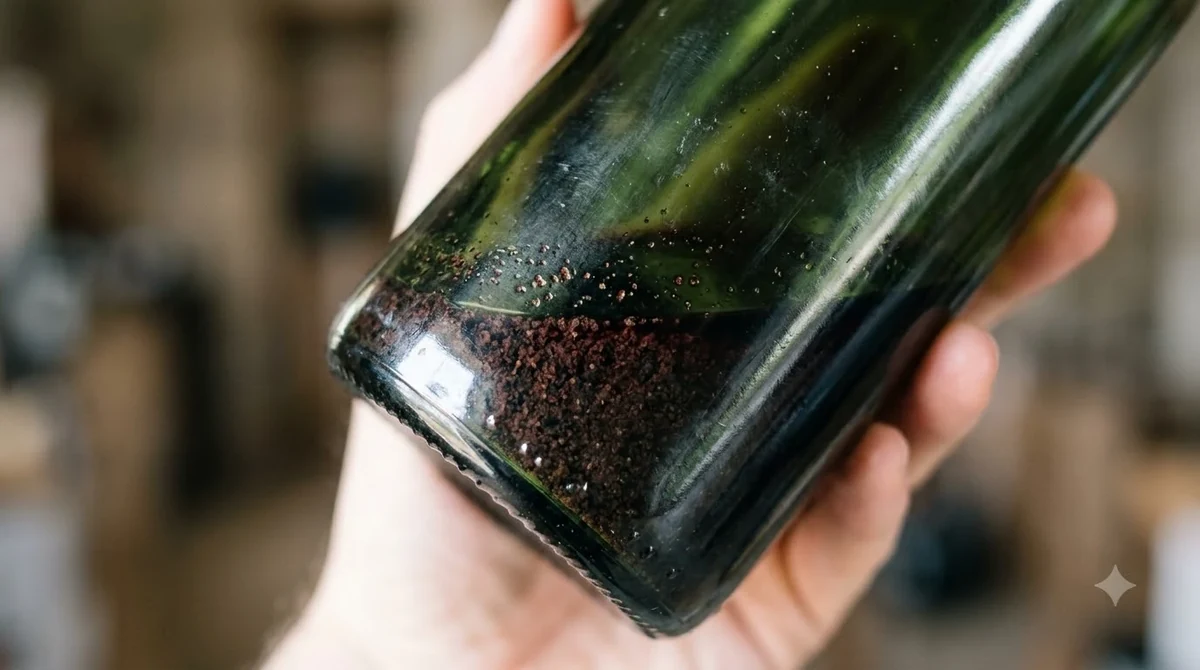
The story of German Eiswein is connected to the challenges of harvesting grapes in unpredictable weather. Traditionally, growers wanted to collect their ripe grapes before damaging winter conditions arrived. Occasionally, however, a sudden frost caught fruit that remained on the vines. Rather than discard the frozen grapes, growers discovered that pressing them could produce remarkably sweet, concentrated juice.
According to the German Wine Institute, the documented harvest at Dromersheim took place on February 11, 1830. The discovery demonstrated that freezing could be useful in winemaking rather than simply a threat to the harvest. The resulting wine was sufficiently distinctive to inspire continued interest in producing it intentionally.
There are references to frozen-grape wines in ancient Roman writing, including accounts associated with Pliny the Elder. These references suggest that people had recognized the possibilities of freezing grapes long before the modern German tradition became established. However, they do not demonstrate an uninterrupted commercial ice wine industry dating back to Roman times.
German ice wine eventually became a recognized category within the country’s quality wine system. A significant regulatory development came in 1982, when an amendment to German wine law established Eiswein as an independent Prädikat designation. Its requirements included specific grape maturity standards and the use of naturally frozen fruit.
Germany’s association with ice wine remains particularly strong because its producers developed the techniques and traditions that shaped the modern category. Regions such as Rheinhessen, the Mosel, the Nahe and the Rheingau have suitable vineyards and winemaking experience, although producing a successful ice wine harvest still depends on sufficiently cold winter weather.
German producers generally need temperatures of at least -7°C before harvesting. The grapes may remain on the vine until January or, in exceptional circumstances, February. This extended waiting period creates considerable risk because the fruit remains exposed to unpredictable weather and other vineyard hazards.
German ice wine also has specific maturity requirements. Minimum must weights range from 110 to 128 degrees Oechsle, depending on the growing region. The resulting wines commonly contain more than 100 grams per liter of natural residual sugar, while alcohol levels can remain relatively low because fermentation is difficult in highly concentrated grape juice.
For additional background on European wine origins and grape traditions, it helps to understand how other classic varieties developed. For example, where Syrah is from is another useful regional history to explore when comparing the geographical origins of familiar wine styles.
How Ice Wine Spread From Germany to Austria and Canada
Germany established the modern tradition, but ice wine eventually became an important specialty in neighboring Austria and a defining wine style in Canada. These countries share the same essential principle: grapes must freeze naturally on the vine and remain frozen during harvesting and pressing.
Austria developed a systematic ice wine industry during the twentieth century. Its cool continental climate provides opportunities for growers to leave selected grapes hanging after the regular autumn harvest. Austrian Eiswein is associated with established wine-growing areas, including northern Burgenland, Wagram and Weinviertel.
German and Austrian winemaking traditions helped introduce ice wine to other regions through migration and international wine knowledge. Canada became particularly important because its winters offered suitable conditions for naturally freezing grapes, while its established vineyards provided the necessary fruit varieties and production infrastructure.
Canada entered the ice wine story during the 1970s. German and Austrian immigrants helped introduce the technique, and Canadian growers recognized that their continental winters offered favorable conditions for naturally freezing grapes. The country’s cold climate eventually allowed producers to develop an internationally important ice wine industry.
Canadian ice wine received significant international recognition through Inniskillin’s 1989 Vidal Icewine. According to Wine Country Ontario, the wine won the Grand Prix d’Honneur at Vinexpo in Bordeaux in 1991. This achievement helped introduce Canadian ice wine to a much wider international audience.
Ontario’s reputation grew particularly quickly through the Niagara wine region. The province’s combination of warm growing seasons and cold winters provides conditions that support both grape ripening and winter freezing. This combination is important because grapes must reach sufficient maturity before being left on the vine for a winter harvest.
Canada and Europe therefore have different historical roles. Germany is the birthplace of the modern documented tradition, Austria developed its own established production culture, and Canada transformed ice wine into a prominent international specialty.
These distinctions are useful when exploring other famous wine origins. A wine’s most recognizable modern producing country is not necessarily the place where its style first developed. The same distinction appears in the history of Port wine’s Portuguese origins, which are closely tied to the Douro Valley.
Ontario Is Canada’s Leading Ice Wine Region
Ontario is the center of Canada’s ice wine industry and is particularly associated with the Niagara Peninsula. The province has earned its reputation through cold winters, established vineyards and production regulations that protect the identity of authentic Canadian Icewine.
According to Wine Country Ontario, the province produces more than 90% of Canada’s ice wine. Its Niagara region is especially important because Lake Ontario helps moderate local temperatures during the growing season, while winter conditions can become cold enough to freeze grapes naturally.
Several wine-growing areas contribute to Ontario’s production, including Niagara-on-the-Lake, the Niagara Escarpment and the Twenty Mile Bench. Their vineyards grow varieties suited to both conventional winemaking and late winter harvesting.
Ontario’s Vintners Quality Alliance, commonly called VQA, establishes strict requirements for wines labeled Icewine. These standards distinguish authentic wine made from naturally frozen grapes from products made using artificial freezing or other concentration methods.
Under Ontario’s VQA requirements, grapes must freeze naturally on the vine and be harvested and pressed continuously while the air temperature remains at or below -8°C. A VQA-appointed monitor oversees production and stops the harvest if the temperature rises above that threshold.
The regulations also require the juice to achieve an average sugar concentration of at least 35 degrees Brix. The grapes must come entirely from a designated viticultural area, and the finished wine’s alcohol and residual sugar must originate from the natural sugars in the grapes.
| Production detail | Ontario VQA requirement or typical figure |
|---|---|
| Maximum harvest temperature | -8°C or colder |
| Minimum average juice sugar | 35° Brix |
| Grape freezing method | Natural freezing on the vine |
| Harvest method | Harvesting and pressing in a continuous process |
| Geographical origin | 100% from the stated viticultural area |
| Leading Canadian province | Ontario, producing over 90% of Canadian ice wine |
These standards are important because the word Icewine has a protected identity in Canada. A sweet wine made by freezing grapes in a commercial freezer is not equivalent to authentic Canadian Icewine. The natural freezing process is central to the category’s character and legal requirements.
Ontario’s production also illustrates why ice wine is relatively rare. Grapes must survive weeks or months of exposure to winter weather after the usual autumn harvest. Wind, birds, animals, rot and changing temperatures can reduce the available crop before the harvest can take place.
Wine Country Ontario reports that producing one 375-milliliter bottle can require approximately 3.5 kilograms of Riesling grapes or 3 kilograms of Vidal grapes. Those quantities would produce six to seven times as much conventional table wine, illustrating why the finished product requires so much fruit.
Ontario is an excellent starting point for anyone comparing bottles from different countries. Its established regulations and international reputation make it one of the most recognizable places to look for authentic ice wine.

Other Countries That Produce Authentic Ice Wine
Although Germany, Austria and Canada are the best-known sources, ice wine is not exclusive to these three countries. Other wine-growing regions with sufficiently cold winters have experimented with naturally frozen grape production, although availability and production volumes vary considerably.
Germany remains important because it has the longest established modern tradition. Its principal wine regions include the Mosel, Rheinhessen, Rheingau and Nahe. Riesling is especially suitable for German ice wine because its natural acidity can balance substantial residual sugar.
Austria is another traditional producer. Its most relevant regions include Burgenland, Wagram and Weinviertel. The country’s ice wines are classified as Prädikatswein, a quality category based on grape maturity and production conditions. Austrian rules prohibit adding sugar to achieve the required sweetness.
The United States also produces ice wine, particularly in cooler wine-growing areas. New York’s Finger Lakes region is a notable example because its cold winters can provide suitable freezing conditions. Some producers in other northern states also make small quantities when weather permits.
Other countries with ice wine production include the Czech Republic, Slovakia, Slovenia, Hungary, Croatia, Switzerland and China. These producers use different local grape varieties and regional labeling traditions, but authentic examples share the essential requirement of naturally frozen grapes.
The international terminology can vary. Germany and Austria commonly use Eiswein, while Canada and the United States use Icewine or ice wine. Some Central European producers use their own language’s equivalent of frozen or ice wine.
It is also important to distinguish a country’s ability to produce ice wine from its ability to produce it reliably. A region may experience a sufficiently cold winter in one year but not another. Producers cannot guarantee a successful harvest simply by planting suitable grapes in a cool climate.
The International Organisation of Vine and Wine, or OIV, defines ice wine as wine made exclusively from the fermentation of fresh grapes that undergo natural cryoselection in the vineyard. The grapes must be frozen during harvesting and pressed while still frozen. The organization recommends harvesting and pressing at temperatures of -7°C or lower.
This international definition helps explain why ice wine is a specialized category rather than a general description for every sweet wine made in a cold country. The defining feature is the natural freezing of grapes on the vine, not simply the finished wine’s sweetness.
For a closer look at the international production definition, consult the OIV’s official ice wine and Eiswein standards, which describe the freezing, pressing and minimum strength requirements.
How Natural Freezing Creates Ice Wine
Ice wine is produced by leaving ripe grapes on the vine until sufficiently cold weather freezes them naturally. When the frozen berries are pressed, much of their water remains as ice, allowing a smaller quantity of concentrated juice to be extracted.
The process begins well before winter. Growers select suitable vineyard blocks and manage the vines carefully during the growing season. They want healthy, ripe fruit with enough acidity to balance the sweetness that will become concentrated during freezing.
After the normal autumn harvest, selected bunches remain attached to the vines. Producers protect them against birds and other animals, and some German vineyards use protective netting or film. The grapes must remain healthy throughout the extended waiting period.
The crucial moment arrives when temperatures fall sufficiently low. German producers use a minimum threshold of -7°C, while Ontario VQA regulations require temperatures at or below -8°C. These standards reflect the importance of naturally freezing the grapes before harvesting.
Harvesting often takes place during the early morning hours, when temperatures are lowest. Workers pick the frozen clusters by hand and transport them quickly to the winery. The grapes must remain frozen during pressing because the separation of ice from concentrated juice is essential to the style.
During pressing, ice crystals remain behind while the concentrated liquid flows out. The resulting must contains high levels of natural sugars, acids and grape flavor compounds. This concentrated juice then undergoes fermentation.
Fermentation can be slow because the yeast must work in a highly concentrated sugar environment. Yeast activity eventually slows or stops, often leaving substantial residual sugar in the finished wine. This is one reason many ice wines have a lower alcohol content than some other dessert wines.
The production method is also responsible for the limited yield. According to Wines of Germany, only about 5-10% of the original harvest quantity is bottled as ice wine on average. Typical yields can be around 300-500 liters per hectare.
Ontario’s figures demonstrate the same challenge from another perspective. Wine Country Ontario reports that producing one 375-milliliter bottle can require approximately 3.5 kilograms of Riesling grapes or 3 kilograms of Vidal grapes. Those quantities would produce six to seven times as much conventional table wine.
The following figures illustrate the different standards used by major producing countries:
| Country or standard | Harvest temperature | Additional production detail |
|---|---|---|
| Germany | At least -7°C below zero | Minimum must weight of 110-128° Oechsle, depending on region |
| Ontario, Canada | -8°C or colder | Minimum average juice sugar of 35° Brix |
| OIV international recommendation | -7°C or colder | Minimum acquired alcohol of 5.5% ABV |
These figures should not be treated as interchangeable legal requirements. Each country has its own wine regulations, and the OIV provides an international definition and production recommendations. The central principle remains the same: genuine ice wine depends on naturally frozen grapes harvested and pressed in their frozen condition.
Tip: When choosing an ice wine, look for a recognized regional designation and the appropriate certification. A Canadian VQA Icewine, German Eiswein or Austrian Eiswein has a defined production identity that helps distinguish authentic naturally frozen wine from artificially concentrated sweet wine.
Grape Varieties and the Flavor of Ice Wine
Ice wine can be made from several grape varieties, but Riesling and Vidal are particularly important. The grape used has a noticeable influence on acidity, fruit character, aroma and overall weight, even though the naturally frozen harvesting process gives these wines their shared identity.
Riesling is a classic choice in Germany and Canada. Its naturally high acidity provides balance against the concentrated sugar in the finished wine. Riesling ice wine often shows aromas and flavors associated with peach, apricot, citrus, apple and honey.
In Germany, Riesling is especially valued because it can preserve freshness even when the wine contains substantial residual sugar. Its aromatic character also works well with the concentrated fruit flavors created during freezing.
Vidal Blanc is particularly associated with Ontario. This hybrid grape is widely used for Canadian ice wine and is valued for its ability to withstand the region’s winter conditions. Vidal ice wines often display ripe tropical fruit, peach, apricot, mango and honey characteristics.
Vidal and Riesling are not the only options. Ontario producers also use Gewürztraminer, Chardonnay, Cabernet Franc, Merlot, Pinot Gris and Gamay. Each variety produces a different interpretation of the ice wine style.
Cabernet Franc ice wine is an especially interesting alternative because it is made from red grapes. These wines can show berry and cherry flavors alongside concentrated sweetness. Depending on the producer’s approach, the resulting wine can have a different aromatic profile from the more familiar white ice wines.
Gewürztraminer can contribute floral and spice-like aromas, while Chardonnay may offer apple, citrus and stone-fruit characteristics. The grape variety is therefore a useful starting point when selecting a bottle for a particular occasion.
Despite their sweetness, good ice wines should not taste simply sugary. Their acidity is an essential part of the style. The balance between sweetness and freshness gives them enough structure to accompany food rather than functioning only as a sugary drink.
German ice wine typically emphasizes fresh fruit and pronounced acidity. Canadian examples can be especially concentrated and expressive, particularly those made from Vidal. Austrian wines offer another regional interpretation, often with a strong emphasis on ripe fruit and concentrated grape character.
It is also useful to distinguish ice wine from wines made using noble rot. Botrytis-affected wines, such as some Beerenauslese and Sauternes, develop sweetness through the action of a beneficial fungus that concentrates the berries. Authentic ice wine achieves its concentration through naturally freezing healthy grapes.
Serving Ice Wine and Choosing Food Pairings
Ice wine is best served chilled, generally around 43-50°F, in relatively small pours. Its natural sweetness and concentrated flavors make it particularly suitable as an after-dinner wine, although it can also accompany savory dishes and cheese.
Temperature matters because excessive warmth can make concentrated sweetness seem heavy. Chilling the wine helps preserve its refreshing acidity and makes its fruit aromas more balanced. Avoid serving it so cold that its aromas become difficult to appreciate.
A small dessert-wine glass or a standard white wine glass works well. Ontario’s Wine Country recommends a traditional white wine glass to allow the wine’s bouquet to develop. A modest pour of approximately 1.5-2 ounces is often sufficient because ice wine is concentrated and intended to be enjoyed slowly.
Food pairing begins with one important principle: the dessert should be no sweeter than the wine. If a dessert is sweeter than the ice wine, the wine can seem less expressive and even taste sour by comparison.
Fruit-based desserts are natural partners. Peach cobbler, apple tart, apricot desserts, fresh mango and fruit sorbet can complement the concentrated fruit flavors in the wine. A moderately sweet cheesecake can also work particularly well with a bottle that has enough acidity to balance its richness.
Cheese provides another excellent pairing opportunity. Blue cheese, mature cheddar and other salty cheeses create a contrast with the wine’s sweetness. Salt can soften certain flavor impressions, while the combination of rich cheese and refreshing acidity makes the pairing particularly satisfying.
Foie gras and pâté are traditional savory options. Their richness and texture contrast with the wine’s concentrated sweetness. For a lighter pairing, try fresh fruit and soft cheeses, which can emphasize the wine’s aromatic character without overwhelming it.
Ice wine can also be enjoyed without food. A small glass after dinner allows the wine’s fruit, acidity and sweetness to remain the focus. It works especially well as an alternative to richer fortified dessert wines.
However, very spicy dishes are generally less suitable for delicate ice wines. Although sweetness can provide a contrast to chili heat, strongly spiced dishes may overwhelm subtle fruit aromas and flavors. Milder savory dishes and fruit-based desserts are more dependable choices.
Storage is relatively straightforward. Unopened bottles should be kept in a cool, dark environment, ideally around 55°F, away from strong temperature fluctuations. Bottles with natural cork closures are generally stored on their sides to keep the cork from drying out.
Once opened, ice wine should be resealed and refrigerated. Because of its high sugar concentration and acidity, it can remain enjoyable for several weeks under suitable storage conditions, although its aroma and freshness are best appreciated relatively soon after opening.
For a broader introduction to different wine styles, including sweet, sparkling, white and red categories, explore Wine by Type. Understanding how sweetness, acidity and grape varieties differ can make selecting an appropriate dessert wine much easier.
Frequently Asked Questions
Is ice wine the same as frozen grape wine?
Not necessarily. Authentic ice wine uses grapes that freeze naturally while still attached to the vine. A wine made by placing harvested grapes in a freezer is produced through a different method and does not meet the natural vineyard cryoselection principle used in recognized ice wine standards.
Why is ice wine sometimes spelled as one word?
The spelling depends partly on the country and its labeling conventions. Canadian producers commonly use Icewine as a single word, while German producers use Eiswein. Ontario’s VQA system protects the Canadian Icewine designation, making the spelling an important part of the regional identity.
Can ice wine be made from red grapes?
Yes. Cabernet Franc is an established example of a red grape used for ice wine production in Ontario. Depending on the grape and winemaking approach, these wines can show red berry, cherry and other ripe fruit characteristics rather than the citrus and tropical fruit profiles commonly associated with white ice wine.
Does ice wine improve with age?
Some high-quality ice wines can develop additional complexity over several years or even decades, depending on their acidity, sugar concentration, grape variety and storage conditions. Riesling ice wine is particularly suitable for extended cellaring when produced with strong acidity and sound balance. Not every bottle needs long aging, however, and many are enjoyable when young.
Is ice wine considered a fortified wine?
No. Authentic ice wine is not fortified with added spirits. Its sweetness comes from concentrated natural grape sugars, some of which remain after fermentation. This distinguishes it from fortified dessert wines such as Port, where grape spirit is added during production to increase alcohol content and preserve sweetness.
Ice wine began as a German specialty, developed an important tradition in Austria and became an internationally recognized Canadian wine through Ontario’s producers. Its distinctive sweetness, refreshing acidity and demanding winter harvest make it one of the most unusual dessert wines available. Whether you choose a German Riesling Eiswein, an Austrian specialty or an Ontario Vidal Icewine, understanding its origin and production helps you appreciate what makes every authentic bottle special.
More in Wine Types & Grapes
 Zinfandel Sugar Content: Dry Red vs. White Zinfandel GramsUpdated Nov 21, 2026
 Best Zinfandel Substitute Options for Sipping and CookingUpdated Nov 21, 2026
 Zweigelt Food Pairing: Best Dishes, Cheeses, and Serving TipsUpdated Nov 21, 2026
 Zinfandel Tannins Explained: How Structure Shapes Every BottleUpdated Nov 21, 2026
 Zinfandel Sweetness Level: Dry Red vs. Sweet White Zin ExplainedUpdated Nov 21, 2026
 Xinomavro Food Pairing: Best Dishes, Styles, and Serving TipsUpdated Nov 21, 2026