

We may earn a commission when you buy through links on this page, at no extra cost to you. Learn more.
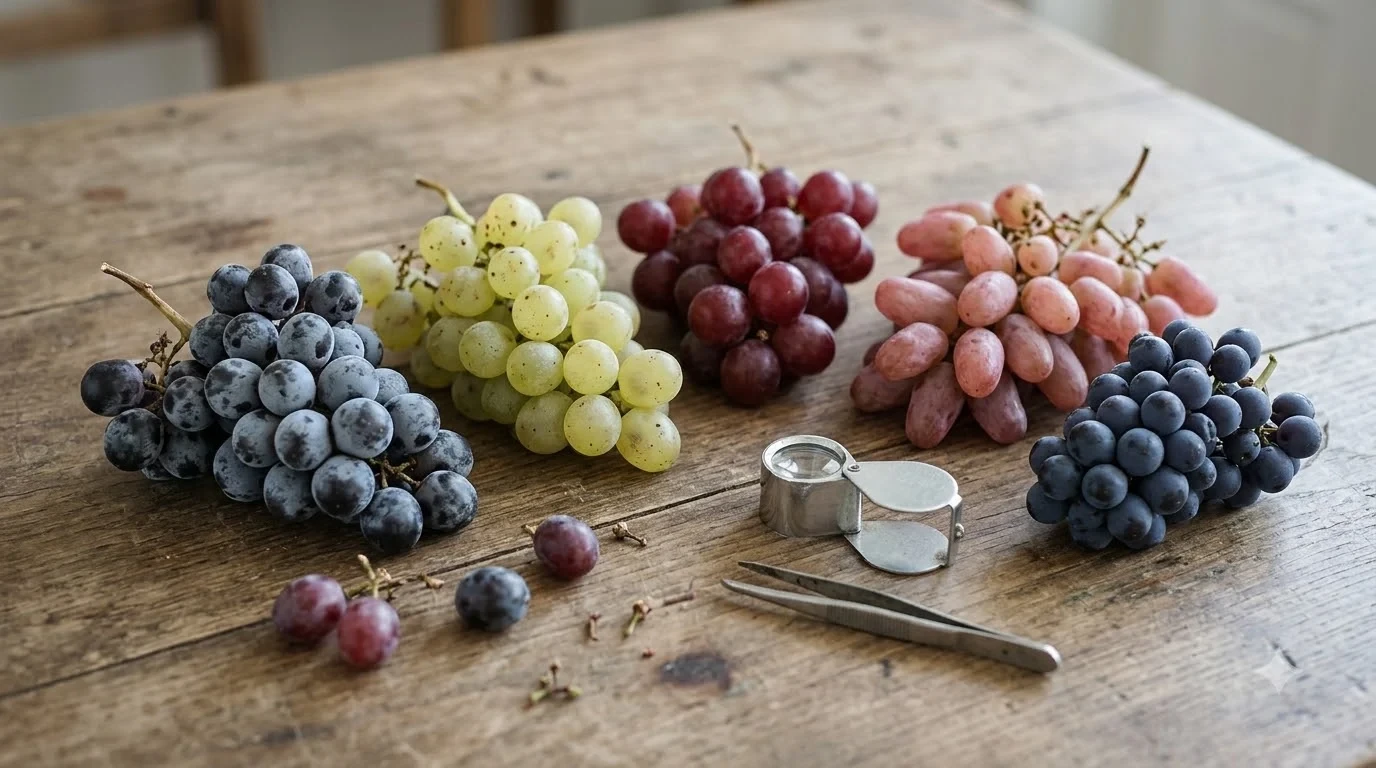
Missouri wine grapes include Norton, Chambourcin, Vignoles, Chardonel, Vidal Blanc, Seyval Blanc and Traminette, varieties that produce distinctive reds, whites, rosés and dessert wines. Missouri’s continental climate makes cold-hardy American and French-American hybrid grapes particularly important to its vineyards. Norton is the state’s signature red variety, while Vignoles and Chardonel are among its most recognizable white grapes. Understanding these varieties makes it easier to choose Missouri wines by flavor, sweetness, structure and food pairing.
Missouri has a distinctive place in American wine history, and its vineyards offer a different experience from regions dominated by Cabernet Sauvignon, Chardonnay and Pinot Noir. Many of the state’s most important wines come from grape varieties developed in North America or bred to handle challenging growing conditions. Some produce full-bodied reds with dark fruit and spice, while others make crisp whites, aromatic wines and richly flavored dessert wines. Whether exploring the wineries around Hermann, Augusta or the Ozark foothills, learning the grape names is a practical way to understand what makes Missouri wine distinctive.
Why Missouri’s Climate Shapes Its Wine Grapes
Missouri’s climate favors grapes that can withstand cold winters, humid summers and changing seasonal conditions. American varieties and French-American hybrids are important because they offer growing characteristics that many traditional European wine grapes cannot reliably provide in the state.
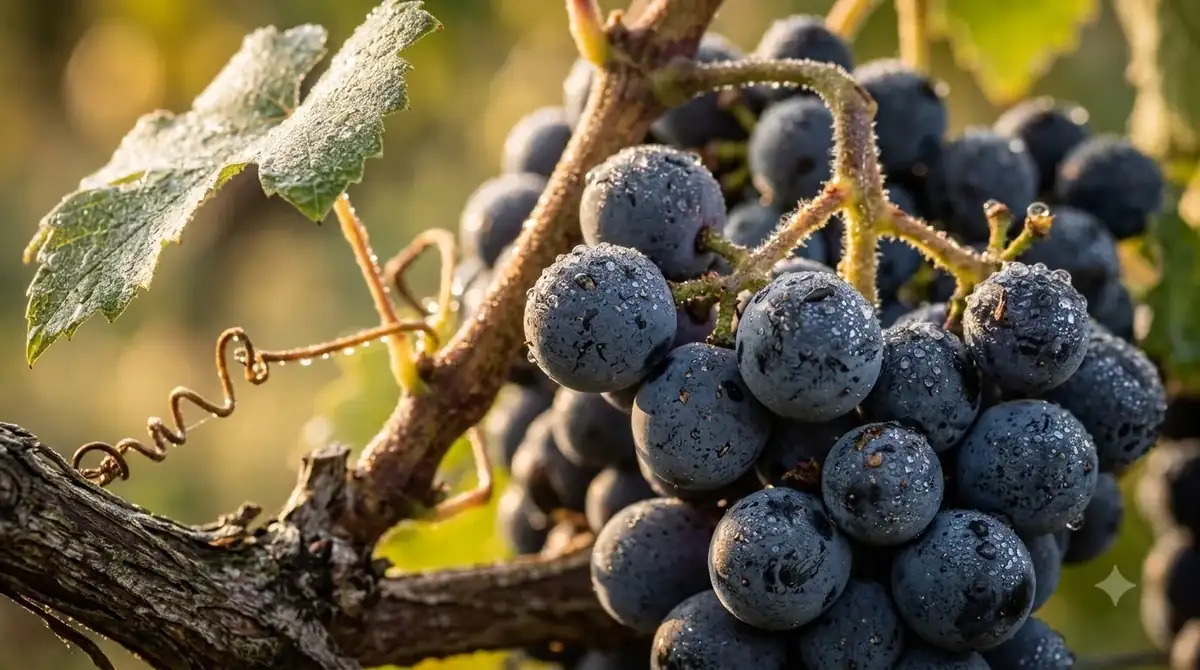
Missouri experiences four distinct seasons. Winter temperatures can expose grapevines to cold injury, while spring frosts can damage developing buds and flowers. Summer humidity also creates conditions that encourage fungal diseases. These factors influence which varieties growers plant, how they manage their vineyards and when they harvest their fruit. A grape that performs well in California’s dry climate may require considerably more attention in a Missouri vineyard.
American grape species have contributed important characteristics to the state’s wine industry. Norton, for example, is associated with Vitis aestivalis, a North American grape species. Its reputation for winter hardiness and disease tolerance makes it especially valuable in Missouri. French-American hybrids combine American grape genetics with European wine-grape ancestry, offering a combination of regional adaptability and recognizable wine characteristics.
Examples include Chambourcin, Vidal Blanc, Seyval Blanc and Vignoles. These grapes can deliver recognizable fruit flavors and different levels of acidity, body and sweetness while offering practical advantages for growers. Chardonel is another important hybrid, combining Chardonnay and Seyval Blanc genetics.
Missouri’s geography also contributes to differences between vineyard sites. The Missouri River valley, the Ozark region and the state’s eastern wine-growing areas offer variations in elevation, exposure, drainage and local temperatures. A well-drained hillside with good sunlight can provide different growing conditions from a low-lying site where cold air collects.
The state’s wine identity is not based on one uniform growing environment. Individual vineyards must select cultivars according to their location, soil, frost exposure and disease-management requirements. This helps explain why Missouri producers work with several grape varieties rather than relying on a narrow selection.
For a broader comparison of how regional conditions shape grape selection, explore our guide to Wine Regions. Missouri demonstrates how climate adaptation can become an important part of a region’s wine identity.
Norton and Chambourcin: Missouri’s Important Red Grapes
Norton and Chambourcin are two of the most recognizable red wine grapes associated with Missouri. Norton produces powerful, dry reds with concentrated fruit and spice, while Chambourcin generally creates softer, more approachable wines with cherry and earthy characteristics.
Norton
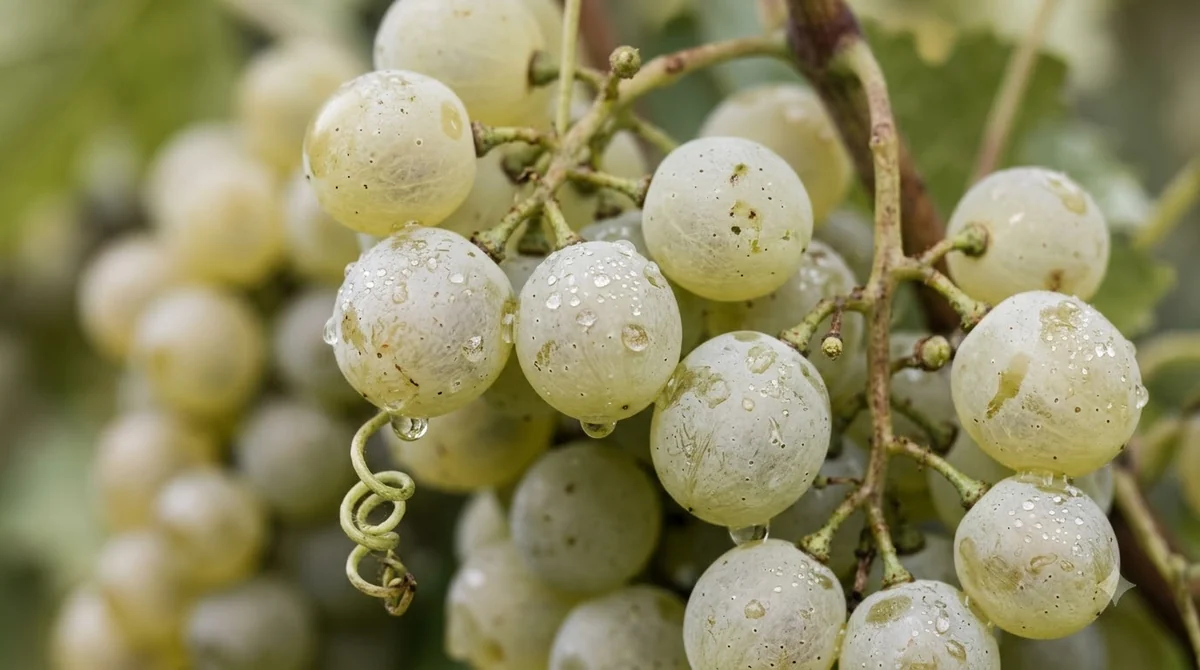
Norton is Missouri’s official state grape and one of the varieties most closely associated with the state’s wine identity. It is also known as Cynthiana. The grape has North American origins and is generally recognized for its ability to handle conditions that can challenge less-adapted European varieties.
In the vineyard, Norton is a late-ripening variety. Missouri State University’s Clean Grapevine Program describes it as an October-harvest grape with small berries and clusters. Its disease resistance and hardiness are important advantages, although successful cultivation still depends on vineyard location, pruning, crop management and seasonal weather.
Norton wines are typically dry, full-bodied reds with pronounced fruit and spice. Common aromas and flavors include ripe berries, cherries and currants, alongside vanilla, chocolate and earthy or peppery notes. The exact balance depends on fruit ripeness, fermentation decisions, oak treatment and the producer’s preferred style.
Its firm structure makes Norton a natural choice for people who enjoy substantial red wines. It can work especially well with smoked meats, grilled beef, lamb, venison and hearty barbecue. Cheddar and blue cheese are useful accompaniments because their salt and fat can soften the perception of tannin in a structured red.
Chambourcin
Chambourcin is a French-American hybrid red grape valued for its deep color and flexible winemaking potential. It can produce both red wines and rosé, giving Missouri wineries another useful option beyond Norton.
The Missouri wine industry describes Chambourcin as a grape with cherry, dark-fruit and earthy characteristics. Its tannins are generally softer than those found in more structured red varieties. Depending on the winemaking approach, the resulting wine can be fresh and fruit-forward or more concentrated, with additional complexity from oak aging.
Chambourcin is also useful in blends because its dark color can contribute visual depth and its fruit character can complement other varieties. Some producers prefer to make it as a single-varietal wine, allowing its cherry and berry profile to remain the focus.
Food pairings include pork loin, burgers, roasted mushrooms, short ribs and tomato-based dishes. A medium-bodied Chambourcin can be particularly appealing with grilled chicken or pork because it provides red-fruit character without necessarily overwhelming the food.
Although Chambourcin is a productive vineyard grape, it requires attention to disease management. University of Missouri Extension identifies susceptibility to black rot, mildews and gray mold. Its growing requirements are therefore different from Norton’s, despite both being important Missouri red grapes.
Tip: If you are comparing Missouri reds for the first time, start with Norton for a fuller, firmer wine and Chambourcin for a softer, fruit-focused alternative. Serve lighter Chambourcin bottlings around 55–60°F and fuller Norton wines around 60–65°F.
Vignoles, Chardonel and Other Missouri White Grapes
Missouri’s white wine selection includes several hybrids with different flavor profiles and winemaking possibilities. Vignoles is particularly versatile, Chardonel offers body and structure, and Vidal Blanc and Seyval Blanc provide alternatives for drinkers who prefer crisp, refreshing whites.
Vignoles
Vignoles is one of Missouri’s best-known white wine grapes. It is a French-American hybrid with the ability to produce several styles, including dry, semi-sweet, sweet and late-harvest dessert wines. This flexibility makes it valuable to wineries that want to offer different sweetness levels without relying on completely different grape varieties.
Its typical flavor profile includes pineapple, peach, apricot, citrus and floral notes. The wines can feel lively and expressive, with fruit characteristics that remain appealing in both dry and sweeter interpretations. Vignoles is also used in white blends, where its aromatic qualities can add another dimension.
Vignoles is generally a midseason-ripening grape. Missouri State University’s Clean Grapevine Program identifies its clusters as very tight, an important viticultural characteristic because tightly packed fruit can create additional disease-management concerns. University of Missouri Extension also identifies susceptibility to powdery mildew, gray mold and anthracnose.
In the glass, dry Vignoles can accompany seafood, poultry, salads and soft cheeses. Sweeter versions work well with spicy dishes, fruit desserts and creamy desserts. For a particularly effective pairing, match a sweeter Vignoles with a dessert that has at least as much sweetness as the wine.
Chardonel
Chardonel combines Chardonnay and Seyval Blanc genetics. Developed at Cornell in 1953 and released in 1990, it was selected for its wine quality, productivity and improved cold hardiness compared with its Chardonnay parent.
This is a late-ripening white grape that can produce wines with considerable body. Depending on the fermentation and aging method, Chardonel may be crisp and fresh or richer and more rounded. Stainless-steel fermentation generally preserves fresh fruit characteristics, while oak fermentation or aging can contribute additional texture and wood-derived aromas.
Common tasting notes include pear, apple and apricot. Oak-aged examples may also show vanilla, toast and other barrel-related characteristics. This range makes Chardonel a useful option for drinkers who enjoy Chardonnay but want to explore a wine more closely associated with Missouri viticulture.
Pair Chardonel with grilled chicken, creamy pasta, roasted mushrooms, almonds and mild cheeses. Fuller oak-influenced versions can accompany richer dishes, while fresher stainless-steel examples are better suited to lighter preparations.
Vidal Blanc
Vidal Blanc is another important Missouri white grape. It is generally hardy and produces crisp wines with pear, apple and citrus characteristics. Its flexibility extends beyond conventional dry white wine, as it can also be used for semi-dry wines, dessert wines, sparkling wines and ice wine.
Vidal Blanc is a midseason-ripening hybrid with long, relatively loose clusters and medium-sized berries. The Missouri State University Clean Grapevine Program notes that cluster thinning may be necessary. Managing the number and arrangement of grape clusters helps growers maintain fruit quality and healthy vine development.
Dry Vidal Blanc pairs well with white fish, shellfish, roasted chicken and fresh cheeses. Sweeter examples are better suited to fruit-based desserts and dishes with a noticeable sweet component.
Seyval Blanc
Seyval Blanc is a French-American hybrid that typically produces clean, crisp white wines. Missouri versions can range from dry to semi-dry, with fresh fruit and herbal notes. It also plays an important role in Chardonel’s parentage.
Although University of Missouri Extension describes Seyval Blanc as generally hardy, it also notes considerable susceptibility to powdery mildew and gray mold. This is a useful reminder that cold tolerance and disease resistance are separate vineyard characteristics.
Seyval Blanc is a good choice for people who enjoy refreshing whites with food-friendly acidity. Try it with shellfish, fresh goat cheese, green vegetables and lightly seasoned poultry.
Traminette, Catawba and Concord: Aromatic and Traditional Styles
Not every Missouri grape produces a conventional dry table wine. Traminette, Catawba and Concord offer aromatic, floral, fruity and sweeter expressions that broaden the state’s selection and appeal to different preferences.
Traminette
Traminette is a hybrid related to Gewürztraminer. It is known for pronounced aromatics, floral qualities and spicy characteristics. Missouri State University’s Clean Grapevine Program identifies it as a late-ripening grape, an important consideration in a region where the length of the growing season can influence harvest decisions.
Traminette can be made in dry, semi-dry and semi-sweet styles. Its aromatic character makes it particularly recognizable, with floral and spice notes that can accompany fruit flavors. The variety is a useful introduction for people who enjoy aromatic white wines rather than neutral or heavily oak-influenced styles.
Dry Traminette works with aromatic Asian dishes, grilled chicken and moderately spiced foods. Semi-sweet versions can complement spicy cuisine because some residual sweetness helps balance the sensation of heat. However, alcohol and tannin can intensify chili heat, so a lighter, lower-tannin wine is generally a more comfortable choice with very spicy food.
Catawba
Catawba is a North American hybrid grape with a long association with American wine production. In Missouri, it is particularly interesting for rosé and pink wines, although it can also produce dry and sweet wine styles.
The grape is recognized for strawberry-like aromas, floral notes and a slightly woodsy character. Its distinctive fruit profile makes it different from the citrus and green-fruit characteristics often found in conventional dry white wines.
Catawba wines can be especially appealing when served chilled. Rosé versions are suitable for picnics, light lunches, grilled chicken and summer salads. Sweeter examples can accompany fruit desserts or moderately spicy dishes.
University of Missouri Extension classifies Catawba as a late-season wine grape and notes that its vigorous vines produce large berries. It also identifies susceptibility to common grape diseases, making vineyard management important.
Concord
Concord is one of the most recognizable American grape varieties, particularly among people familiar with grape juice and jelly. Its unmistakable fruity character carries into wine, producing a sweet, medium-bodied style that differs substantially from dry European-inspired reds.
Concord wines are generally a good starting point for drinkers who prefer sweetness and straightforward fruit flavors. They can be served slightly chilled and enjoyed alongside mild cheeses, fruit plates and simple desserts.
The variety has a distinctive character that some drinkers find nostalgic. Others may find its recognizable grape-juice flavor different from the cherry, berry and spice profiles associated with Norton and Chambourcin. Neither style is inherently better; they simply serve different preferences.
University of Missouri Extension notes that Concord is widely adapted in Missouri outside the Bootheel area, although it is susceptible to black rot and phomopsis. Hot weather can also cause uneven ripening, making vineyard location and seasonal conditions relevant to fruit quality.
Missouri Wine Grapes Compared by Style and Flavor
The easiest way to understand Missouri’s grape selection is to compare the varieties by color, typical wine style, flavor and food compatibility. These characteristics provide a starting point for choosing bottles, although individual producers can make very different wines from the same grape.
| Grape | Color | Typical style | Common characteristics |
|---|---|---|---|
| Norton | Red | Dry, full-bodied | Berry, cherry, spice |
| Chambourcin | Red | Dry to semi-sweet | Dark cherry, earth, berries |
| Vignoles | White | Dry to dessert | Pineapple, peach, apricot |
| Chardonel | White | Dry, full-bodied | Pear, apple, apricot, oak |
| Vidal Blanc | White | Dry to dessert | Pear, apple, citrus |
| Seyval Blanc | White | Dry to semi-dry | Fresh fruit, herbal notes |
| Traminette | White | Dry to semi-sweet | Floral, aromatic, spice |
| Catawba | Pink or white | Dry to sweet | Strawberry, floral, woodsy |
| Concord | Red or purple | Generally sweet | Grape, fruity aromas |
This comparison highlights an important point: Missouri wine cannot be described accurately as simply sweet, fruity or rustic. The state produces structured red wines, crisp whites, aromatic bottlings, rosés and dessert wines. The individual grape and the winemaker’s decisions matter more than the state name alone.
Sweetness is particularly important when choosing Vignoles, Vidal Blanc, Traminette or Catawba. A grape variety does not automatically determine whether a finished wine is sweet or dry. Fermentation decisions and the amount of residual sugar left in the finished wine have a substantial influence on the final result.
For example, dry Vignoles can be a refreshing alternative to Chardonnay, while a late-harvest Vignoles can provide a richer dessert-wine experience. Vidal Blanc also demonstrates this flexibility, with producers using it for dry table wines and sweeter specialty bottlings.
For an additional variety-by-variety overview, the Missouri Wines guide to the grapes of Missouri describes the state’s principal varieties, including Norton, Chambourcin, Chardonel, Vignoles and Vidal Blanc. It is a useful starting point for comparing the grape names found on local wine labels.
Regional comparisons can make these differences easier to understand. Readers interested in other American growing environments can explore Texas wine grapes, where heat and drought conditions influence grape selection. Those interested in how different grape-growing traditions shape regional wine styles can also explore orange wine grapes.
How to Choose, Serve and Pair Missouri Wines
Choosing a Missouri wine becomes easier when you consider sweetness, acidity, tannin, body and serving temperature. Start with the grape’s typical style, then consider the dish or occasion rather than assuming that every wine from the same producer or variety will taste alike.
Choose by preferred wine style
For a substantial dry red, Norton is a natural starting point. Its fuller body, fruit concentration and spice characteristics make it appropriate for people who usually enjoy structured red wines. Chambourcin is another good option, particularly for drinkers who prefer softer tannins and approachable cherry and berry flavors.
For white wine, choose Chardonel if you enjoy Chardonnay-like body and fruit. Oak-aged examples are suitable for people who appreciate richer white wines, while stainless-steel versions can offer fresher fruit expression. Vignoles is more versatile in sweetness, making it a useful choice for people who want to compare dry and sweet styles.
Traminette is particularly suitable for aromatic wine enthusiasts. Its floral and spicy characteristics offer a different experience from the more restrained fruit profile of many conventional white wines. Vidal Blanc and Seyval Blanc are useful alternatives when a crisp, refreshing white is preferred.
Serve at the right temperature
Serving temperature can significantly change the way wine smells and tastes. Excessive warmth can make alcohol feel more prominent, while overly cold temperatures can conceal aromas and make a wine seem less expressive.
Use these general temperature ranges as a starting point:
- Full-bodied red wines, including structured Norton: 60–65°F.
- Light-bodied reds and softer red styles: 55–60°F.
- Light white wines and rosé: 45–50°F.
- Fuller-bodied white wines, including richer Chardonel: 50–55°F.
- Sweet white wines: 43–50°F.
A bottle of Norton does not need to be served at a warm room temperature. Slightly cooling a full-bodied red can make its fruit and structure feel more balanced. Similarly, a richer Chardonel benefits from being cool without becoming so cold that its aromas disappear.
Match wine with food
Norton pairs naturally with beef, lamb, venison, smoked meats and hearty tomato-based dishes. Its structure can handle rich proteins and strongly flavored preparations. Salt and fat soften the perception of tannin, which helps explain why a structured red can work particularly well with fatty meats and aged cheeses.
Chambourcin offers greater flexibility with pork, roasted vegetables, burgers and mushroom dishes. Its softer tannins and fruit-forward character make it useful with foods that might overwhelm a more powerful red.
For whites, Vignoles and Vidal Blanc work well with poultry, shellfish and fruit-oriented dishes. Chardonel can accompany creamy pasta, grilled chicken and mushrooms. Traminette is a particularly interesting partner for aromatic dishes and moderately spicy cuisine.
Sweetness deserves special attention. A wine should generally be at least as sweet as the dessert served alongside it. Otherwise, the wine may taste thin or sour by comparison. This makes late-harvest Vignoles and sweet Vidal Blanc useful choices for fruit desserts and other sweet finishes.
Acidic foods also need attention. Dishes with strong lemon, vinegar or tomato components benefit from wines with equal or higher acidity. A crisp white is often a better choice than a heavy red for a highly acidic seafood preparation. Oily fish can also clash with tannic red wines, making fresh whites a more dependable option.
Store opened bottles correctly
Once opened, still Missouri wines generally keep for about 3–5 days in the refrigerator, depending on the wine’s structure, age and exposure to oxygen. Sparkling wines usually retain their best character for approximately 1–3 days when properly sealed. Fortified wines can last several weeks after opening, while bag-in-box wines may remain usable for 4–6 weeks.
For unopened bottles, a cool and stable storage environment is preferable. A temperature near 55°F is a useful general target, and cork-finished bottles are traditionally stored on their sides. Avoid repeated temperature changes, direct sunlight and excessive heat.
With young, full-bodied red wines, decanting for approximately 30–60 minutes can help the wine open up. This can be useful with a structured Norton, although the ideal amount of aeration depends on the particular bottle.
Growing Missouri Wine Grapes and Vineyard Challenges
Growing wine grapes in Missouri requires attention to site selection, cold-weather protection, disease management and harvest timing. A suitable variety is only one part of successful production; the vineyard’s drainage, sunlight and management practices are equally important.
Site selection and soil
University of Missouri Extension recommends planting grapevines in full sun and well-drained soil. Grapes can tolerate a broad range of soil conditions, including relatively rocky or infertile ground, but poor drainage can create significant problems for vine health.
Missouri growers must also consider air movement and frost exposure. Low-lying areas can collect cold air, increasing the risk of spring frost damage. Sloping sites can provide better cold-air drainage, although the direction and steepness of the slope influence sunlight exposure and moisture conditions.
Soil testing is useful before establishing a vineyard. It helps identify nutrient deficiencies and provides a basis for appropriate soil preparation. Excessive fertilization is not a substitute for good site selection and can encourage unwanted vegetative growth.
Planting and vine spacing
University of Missouri Extension recommends planting in late winter or early spring when the soil can be worked. Its regional guidance places the preferred planting period around March in southern Missouri and mid-April in northern Missouri.
For most grape cultivars trained using a cordon system, approximately 8 feet between plants is recommended. The exact layout of a commercial vineyard depends on its trellis design, machinery, variety and site conditions.
Young vines need appropriate support and training as they develop. Pruning establishes the vine’s structure, encourages productive growth and helps maintain a manageable canopy. Once mature, grapevines can remain productive for approximately 20–30 years with reasonable care, according to University of Missouri Extension.
Cold and disease management
Winter injury is a major consideration for Missouri growers. Even varieties selected for cold hardiness can suffer damage during severe cold spells. Spring frost is another concern because it can injure developing buds and reduce the potential crop.
Different grapes also have different disease vulnerabilities. University of Missouri Extension identifies Chambourcin as susceptible to black rot, mildews and gray mold. Vignoles is susceptible to powdery mildew, gray mold and anthracnose, while Seyval Blanc can be highly susceptible to powdery mildew and gray mold.
These differences explain why growers must manage each variety according to its specific needs. Canopy management, appropriate spacing, vineyard sanitation and monitoring are important parts of maintaining healthy fruit.
Planting material matters as well. Missouri State University’s Clean Grapevine Program emphasizes the importance of beginning with vines tested free of major grapevine viruses. Viral infections can affect berry quality, weaken vines and contribute to premature vine decline. Starting with clean planting material reduces an avoidable source of vineyard problems.
The program identifies several Missouri-relevant cultivars, including Norton, Chambourcin, Chardonel, Traminette, Vidal Blanc and Vignoles. Its information illustrates how Missouri’s grape industry balances fruit quality with the practical requirements of growing vines in a variable climate.
Frequently Asked Questions
Does Missouri have an official state grape?
Yes. Missouri recognizes Norton as its official state grape. Missouri’s state grape designation reflects its longstanding importance to local wine production and its association with the state’s American viticultural heritage. Norton is also known by the name Cynthiana.
What is the oldest Missouri wine grape variety?
Norton has a particularly long history in American viticulture, with historical accounts tracing its discovery to Virginia in 1835. It later became strongly associated with Missouri’s wine identity. Its North American origins distinguish it from the European Vitis vinifera varieties that dominate many internationally recognized wine regions.
Can Missouri grow European wine grapes?
Some European wine grapes can be cultivated in suitable Missouri locations, but consistent commercial production can be difficult. Missouri State University’s grape-growing guidance identifies winter hardiness as a limitation for conventional vinifera varieties. Growers therefore often favor American grapes and hybrids selected for greater adaptability.
What does the term teinturier mean for Chambourcin?
Teinturier describes a grape variety with colored flesh and juice rather than the mostly clear juice found in many red wine grapes. Chambourcin is recognized for this characteristic, which contributes to its deeply colored wines. It can therefore add useful color when included in red blends.
Which Missouri grape is used for ice wine?
Vidal Blanc is one of the varieties used for ice wine in Missouri. Its ability to produce concentrated sweet wines makes it suitable for this style. Ice wine production requires grapes to freeze naturally on the vine under appropriate conditions, concentrating their sugars and other components before pressing.
Missouri’s wine identity comes from a diverse selection of American grapes and hybrids adapted to the state’s growing conditions. Norton and Chambourcin offer distinctive red wines, while Vignoles, Chardonel, Vidal Blanc and Traminette provide an equally interesting range of white styles. Exploring these varieties by grape name, sweetness and flavor is one of the best ways to discover the character of Missouri wine country.
More in Wine Regions
 Willcox Wine Trail: Discover Arizona’s High-Elevation Wine CountryUpdated Nov 20, 2026
 Yakima Valley Wine Region: Find the Best Styles to TryUpdated Nov 20, 2026
 Vosne Romanee Wine Tasting: Identify Aromas and Choose Better PairingsUpdated Nov 20, 2026
 Yakima Valley Wine Festival: Find the Best Seasonal Wine EventsUpdated Nov 20, 2026
 Wales Vineyards: Discover Cool-Climate Wines and Where to VisitUpdated Nov 20, 2026
 Yountville Wine Festival: Discover Napa Wines and Local FoodUpdated Nov 20, 2026