

We may earn a commission when you buy through links on this page, at no extra cost to you. Learn more.
Maryland wine grapes include Cabernet Franc, Chambourcin, Barbera, Albariño, Chardonnay, Vidal Blanc, and Petit Manseng, among other varieties suited to the state’s diverse growing conditions. Maryland has four principal wine-growing regions, each with different temperatures, soils, elevations, and weather patterns. These differences allow producers to make everything from aromatic white wines and fresh rosés to structured red blends and distinctive hybrid-grape wines.
Maryland occupies an interesting position in American winegrowing. Its vineyards experience humid summers, variable rainfall, occasional late spring frosts, and significant differences between coastal plains and mountain slopes. Rather than relying on one grape variety, growers select cultivars according to their individual vineyard conditions. Understanding these grapes makes it easier to recognize what Maryland wine does well and which bottles are worth exploring.
Maryland’s Four Wine-Growing Regions Shape Grape Selection
Maryland’s four principal growing regions are the Western Mountains, Piedmont Plateau, Southern Maryland, and Eastern Shore. Their different elevations, soil compositions, and seasonal temperatures influence which grapes ripen reliably and how growers manage their vineyards.
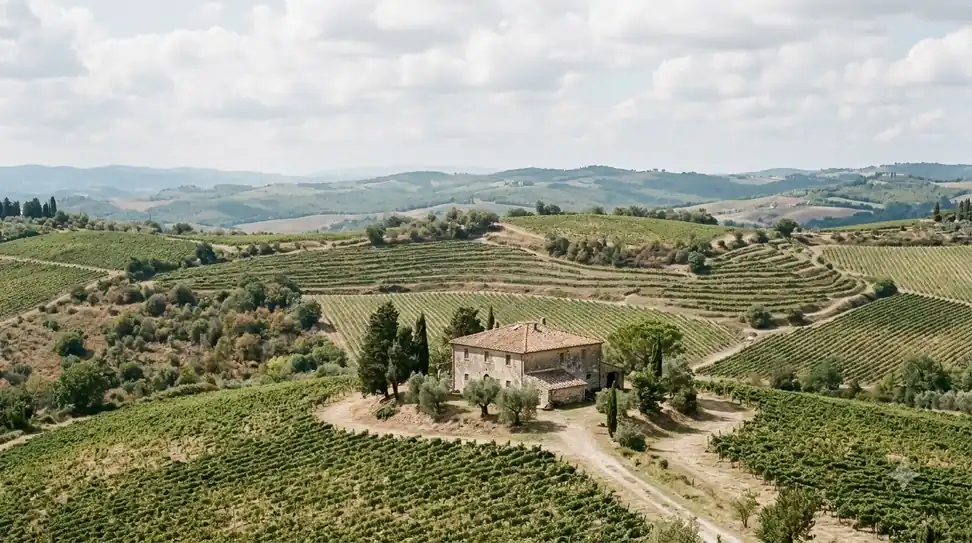
The Piedmont Plateau is an important center of Maryland viticulture. Its rolling terrain, elevation changes, and limestone-based soils provide a range of vineyard conditions. The slopes can help reduce late spring frost exposure and moderate summer temperatures. Cabernet Franc, Chardonnay, Albariño, Merlot, and Petit Verdot are among the varieties associated with this broader growing area. The Linganore AVA, located within the Piedmont region, is particularly associated with Cabernet Franc and several internationally recognized grape varieties.
Western Maryland has a cooler growing environment because of its higher elevations and proximity to the Appalachian Mountains. The longer ripening period can benefit grapes that need moderate temperatures, but winter cold creates a greater risk of vine damage. Growers must consider cold hardiness and early ripening when choosing varieties. Marquette, a particularly cold-hardy hybrid, is specifically recommended for the western mountains.
Southern Maryland has warmer summer conditions and relatively mild winter lows. These conditions help many cultivars reach full ripeness, including varieties associated with warmer European wine regions. Barbera and Sangiovese are among the red grapes suited to the state’s southern growing areas. However, high humidity and heavy soils can create additional vineyard-management challenges, particularly when excessive moisture encourages disease or excessive vine growth.
The Eastern Shore benefits from the Chesapeake Bay’s moderating influence. Sandy, well-drained soils can help control excessive moisture around vine roots, while relatively mild winters reduce some cold-injury risks. The flat landscape provides less elevation-related temperature moderation than the Piedmont, however. Growers must pay close attention to summer heat, humidity, and vineyard drainage.
According to the Maryland Wineries Association’s vintage reporting, these regional differences create distinct opportunities and challenges rather than one uniform Maryland growing environment. A variety that performs successfully in a warm southern vineyard may need different management in a cooler western location.
For wine travelers, these geographical distinctions also make the state’s Maryland wine trail interesting to explore. Visiting producers in different areas offers a practical way to compare how the same grape variety changes across Maryland’s growing environments.
Red Maryland Wine Grapes: Cabernet Franc, Barbera, and Chambourcin
Maryland produces red wines from both traditional European vinifera grapes and American hybrid varieties. Cabernet Franc is particularly prominent, while Barbera, Petit Verdot, Sangiovese, and Chambourcin give producers additional options for single-variety wines and blends.
Cabernet Franc
Cabernet Franc is one of the most recognizable red varieties in Maryland. It ripens in the mid-to-late part of the growing season and is recommended for the state’s eastern, southern, and western zones by University of Maryland Extension. Its flexibility across different Maryland growing areas helps explain its importance to local producers.
The grape typically produces medium-bodied wines with red cherry, raspberry, plum, and herbal aromas. Depending on ripeness, vineyard location, and winemaking choices, it can show pepper, leafy notes, or more concentrated dark-fruit flavors.
Maryland Cabernet Franc often emphasizes freshness and aromatic character rather than extremely heavy structure. Advanced Sommelier Ethan Gladner has described local examples as softer and more aromatic, with relatively restrained tannins. This makes the variety particularly useful for people who enjoy expressive reds but do not necessarily want the weight of a heavily structured Cabernet Sauvignon.
Barbera
Barbera is an Italian red grape that offers another promising option for Maryland vineyards. It is a mid-to-late-ripening variety, with University of Maryland Extension listing a typical yield of 3–4 tons per acre. Its natural acidity makes it useful in warmer growing environments where maintaining freshness is important.
Expect red cherry, blackberry, plum, and sometimes earthy or spicy notes. Barbera generally has lower tannin than Cabernet Sauvignon, allowing its acidity and fruit character to play a larger role in the finished wine. Maryland versions can work particularly well with tomato-based dishes, grilled sausages, roasted vegetables, and pizza.
Petit Verdot and Sangiovese
Petit Verdot is another recommended Maryland red vinifera grape. It has a mid-to-late ripening period and is grown in the eastern, southern, and western zones. The grape is known for deep color, dark-fruit flavors, firm tannins, and floral characteristics. Producers can use it in blends to provide additional color, structure, and concentration.
Sangiovese, the principal grape of many Italian red wines, is also included in the University of Maryland’s recommended varieties. It typically brings bright acidity, cherry fruit, herbal notes, and moderate tannin. This combination makes it an interesting option for Maryland producers seeking food-friendly reds with an Italian-inspired profile.
Chambourcin
Chambourcin deserves particular attention because it represents Maryland’s longstanding experience with hybrid grape varieties. Unlike Cabernet Franc and Barbera, it is a French-American hybrid rather than a pure Vitis vinifera variety.
University of Maryland Extension lists Chambourcin as a late-ripening red hybrid suitable for the eastern, southern, and western growing zones. Its recommended yield range is 3–8 tons per acre, reflecting its productive potential under appropriate vineyard conditions.
Wines made from Chambourcin can show dark cherry, blackberry, plum, and earthy flavors. Depending on the producer, the wine may be made in a lighter, fruit-forward style or given more extraction and oak influence for a richer result. It also works well as a blending grape.
Chambourcin was historically one of Maryland’s important workhorse varieties. Although producers increasingly plant international vinifera grapes, it remains part of the state’s wine identity and deserves attention from anyone exploring local bottles.
White Maryland Wine Grapes: Albariño, Chardonnay, and Vidal Blanc
Maryland’s white wine selection includes international vinifera varieties and established hybrids. Albariño, Chardonnay, Sauvignon Blanc, Petit Manseng, and Vidal Blanc are particularly useful examples of the diversity available to local producers.
Albariño
Albariño has become one of the most interesting white grapes in Maryland. Originally associated with Spain’s Atlantic coast, particularly Galicia, it is well suited to maritime growing conditions. Its thicker grape skins and ability to perform in humid environments make it attractive to Maryland growers.
The resulting wines commonly show lemon, lime, peach, green apple, and citrus blossom. They usually have refreshing acidity and can offer a slightly rounded texture. Some producers emphasize a crisp, stainless-steel style, while others explore additional texture through lees contact or different fermentation methods.
Albariño works particularly well with seafood, oysters, shellfish, grilled fish, and lighter poultry dishes. Its acidity and citrus character help balance salty and rich flavors without overwhelming delicate ingredients.
Chardonnay
Chardonnay is one of the most adaptable international white varieties grown in Maryland. University of Maryland Extension lists it as an early-to-mid-ripening grape suitable for the state’s eastern, southern, and western zones.
Its flavor profile depends heavily on vineyard conditions and cellar decisions. Cooler or earlier-harvested fruit can emphasize green apple, lemon, and fresh pear. Riper fruit may show peach, melon, and tropical characteristics.
Winemaking choices also influence the final style. Stainless-steel fermentation tends to preserve fresh fruit and acidity, while malolactic fermentation and oak aging can contribute creamier textures, buttery notes, vanilla, and toasted spice.
Sauvignon Blanc and Grüner Veltliner
Sauvignon Blanc is another recommended Maryland white vinifera variety. It ripens relatively early and can produce wines with citrus, green apple, fresh herbs, and sometimes tropical fruit. Its naturally high acidity is useful in warm climates because it can help preserve a refreshing finish.
Grüner Veltliner adds another international dimension. Originally associated with Austria, this variety can produce wines with citrus, pear, white pepper, and herbal characteristics. Its acidity and savory notes make it an appealing partner for salads, vegetables, seafood, and dishes containing fresh herbs.
Vidal Blanc
Vidal Blanc is one of Maryland’s established white hybrid grapes. It has historically been important to the state’s wine industry and remains a useful variety for growers working in challenging eastern growing conditions.
University of Maryland Extension lists Vidal Blanc as a mid-to-late-ripening hybrid suitable for all three broad eastern, southern, and western zones. Its listed yield range is 4–6 tons per acre.
Depending on harvest ripeness and winemaking, Vidal Blanc can produce dry, off-dry, and sweet wines. Common flavor characteristics include citrus, green apple, peach, and floral notes. Its natural acidity makes it especially useful for wines with a little residual sugar.
Petit Manseng
Petit Manseng is a late-ripening white grape associated with southwestern France. It is particularly interesting in Maryland because its thick skins and naturally concentrated fruit can help it cope with humid conditions.
The University of Maryland recommends it for the eastern and southern growing zones, with a listed yield range of 3–4 tons per acre. Wines can show tropical fruit, citrus peel, pineapple, honey, and floral characteristics.
Producers can make dry wines with noticeable freshness or sweeter styles with concentrated fruit. Petit Manseng is a good example of how Maryland growers are experimenting beyond the familiar Chardonnay and Sauvignon Blanc categories.
Hybrid and Vinifera Grapes: Understanding the Difference
Maryland vineyards grow both Vitis vinifera grapes and hybrid varieties developed through crosses involving European and other grape species. The distinction matters because the two groups can differ in cold tolerance, disease resistance, vineyard management requirements, and typical wine styles.
Vitis vinifera is the European grape species responsible for many of the world’s most familiar wine varieties. Cabernet Franc, Chardonnay, Merlot, Albariño, and Barbera belong to this group. These grapes can produce wines with recognizable international profiles, but their performance depends on careful site selection and vineyard management.
Hybrid grapes are produced through crosses involving different grape species. Breeders have developed many hybrids to address growing challenges such as cold temperatures, disease pressure, and difficult ripening conditions. Chambourcin, Vidal Blanc, Seyval Blanc, Cayuga White, and Traminette are examples relevant to Maryland.
Hybrid varieties are not automatically inferior to vinifera grapes. Their suitability depends on the vineyard, the intended wine style, and the grower’s objectives. A well-grown hybrid can produce an expressive and distinctive wine that reflects its growing environment.
| Grape variety | Type | Ripening period | Typical recommended yield |
|---|---|---|---|
| Cabernet Franc | Red vinifera | Mid to late | 2–4 tons/acre |
| Barbera | Red vinifera | Mid to late | 3–4 tons/acre |
| Petit Verdot | Red vinifera | Mid to late | 2–4 tons/acre |
| Chambourcin | Red hybrid | Late | 3–8 tons/acre |
| Albariño | White vinifera | Mid | 2–4 tons/acre |
| Chardonnay | White vinifera | Early to mid | 2–3 tons/acre |
| Petit Manseng | White vinifera | Late | 3–4 tons/acre |
| Vidal Blanc | White hybrid | Mid to late | 4–6 tons/acre |
| Seyval Blanc | White hybrid | Mid | 4–6 tons/acre |
| Marquette | Red super-hardy hybrid | Very early | 2–4 tons/acre |
The figures in this table come from the University of Maryland Extension’s recommended wine grape varieties. They represent typical recommended yields rather than guaranteed commercial harvests. Actual production depends on soil, vineyard location, vine age, weather, crop management, and disease pressure.
For a broader understanding of how different grape families influence wine styles, comparing Maryland varieties with orange wine grapes can also help explain why grape skin characteristics, extraction, and fermentation methods matter in the finished wine.
How Maryland’s Climate Influences Vineyard Management
Maryland’s humid growing season creates several challenges that influence which grapes producers plant and how they care for their vines. Temperature swings, rainfall, fungal disease pressure, winter cold, and late spring frost all play a role in determining whether a variety succeeds in a particular vineyard.
Humidity is an especially important consideration. Rain and moisture around grape clusters can increase pressure from fungal diseases, making canopy management and vineyard airflow important. Growers may need to adjust leaf removal, shoot positioning, crop loads, and spraying schedules according to local conditions.
Grape skin characteristics also matter. Albariño, for example, has relatively thick skins and is considered a promising choice for humid maritime climates. However, no variety is completely protected from vineyard disease, and good site selection remains essential.
Winter temperatures create a different challenge in the western part of the state. Higher elevations can expose vines to colder conditions, increasing the possibility of winter injury. Cold-hardy hybrids such as Marquette offer an alternative for mountain vineyards where some traditional varieties may be less dependable.
Spring frost is another concern. Early budbreak can expose developing shoots to damaging temperatures after a period of warm weather. Slopes, elevation, air drainage, and vineyard orientation can influence frost exposure. The Piedmont Plateau’s varied terrain offers opportunities to select sites that reduce some of these risks.
Summer heat also changes the equation. Southern Maryland can provide enough warmth for later-ripening cultivars, but high temperatures and humidity can make canopy management and disease prevention more demanding. In contrast, the western mountains offer a cooler growing environment that favors earlier-ripening and cold-tolerant varieties.
University of Maryland Extension provides regional recommendations rather than treating Maryland as one uniform growing zone. Its cultivar listings distinguish eastern, southern, and western suitability, making them a useful starting point for understanding why different vineyards favor different grapes.
Tip: When choosing a Maryland wine, start with the grape variety and growing region rather than assuming every bottle from the state will have the same style. Try Cabernet Franc from the Piedmont, Albariño from a suitable maritime-influenced vineyard, and a Chambourcin from another region to compare differences in acidity, fruit character, and structure.
Maryland Wine Styles, Food Pairings, and Serving Temperatures
Maryland’s combination of international varieties and hybrids produces several distinct wine styles. The most useful way to explore them is to consider grape structure, acidity, tannin, sweetness, and the foods that complement each wine.
Pairing Maryland Red Wines
Cabernet Franc is a versatile partner for roasted chicken, pork tenderloin, grilled mushrooms, and herb-seasoned vegetables. Its moderate tannin and aromatic herbal notes can complement savory dishes without overwhelming them.
Barbera works especially well with tomato-based food because its naturally high acidity can match the acidity of tomato sauces. Try it with pizza, lasagna, grilled sausages, or pasta with roasted vegetables.
Chambourcin can complement barbecue, grilled pork, burgers, and dishes with roasted peppers. The best pairing depends on whether the producer has made a lighter fruit-forward wine or a richer, more structured example.
Petit Verdot is generally more structured and tannic. It can pair with grilled beef, lamb, aged hard cheeses, and other rich dishes. Salt and fat help soften the perception of tannin, making these foods useful partners.
Pairing Maryland White Wines
Albariño is a natural choice for seafood. Serve it with oysters, shrimp, crab cakes, grilled white fish, or shellfish prepared with lemon and fresh herbs. Its acidity and citrus flavors complement seafood without adding excessive weight.
Chardonnay is flexible enough for roasted chicken, creamy pasta, grilled vegetables, and baked fish. A lightly oaked version can complement buttery sauces, while a crisp unoaked style is more suitable for simpler seafood dishes.
Vidal Blanc can work with spicy Asian-inspired dishes, roasted pork, soft cheeses, and lighter desserts when made in an off-dry or sweeter style. The sweetness should be at least as pronounced as the dessert when serving a sweet wine alongside food.
Petit Manseng is particularly interesting with spicy food, fruit-based dishes, and rich cheeses. Its acidity can balance sweetness, while its concentrated fruit flavors complement dishes with aromatic spices.
Recommended Serving Temperatures
Serving temperature can significantly influence how Maryland wines smell and taste. Whites served too cold may lose their aromatic detail, while reds served too warm can seem overly alcoholic and heavy.
- Albariño and Sauvignon Blanc: 45–50°F.
- Chardonnay: 50–55°F for fuller-bodied examples.
- Vidal Blanc: 43–50°F for sweeter styles.
- Cabernet Franc: 55–60°F for lighter-bodied examples.
- Barbera: 55–60°F for fresh, fruit-forward styles.
- Petit Verdot: 60–65°F for fuller-bodied versions.
These temperatures are useful starting points rather than rigid requirements. Slight adjustments can help highlight the wine’s acidity, fruit, and structure.
For everyday serving, a standard 5-ounce pour is a useful reference. A 750-milliliter bottle contains approximately five such glasses. Store unopened bottles on their sides in a cool location near 55°F, away from direct sunlight and significant temperature fluctuations.
Exploring Maryland Producers and Finding Your Favorite Grapes
The best way to understand Maryland wine is to compare different grape varieties and producers rather than focusing on one supposed signature style. The state’s regional diversity and continued experimentation make winery visits and comparative tastings particularly rewarding.
The Linganore AVA is a useful starting point. According to Wine Enthusiast, the area covers approximately 90 square miles and contains more than 180 acres of vines. Cabernet Franc is its most planted red variety, while Chardonnay and Albariño are leading white grapes.
The AVA’s gravel and loam soils over shale bedrock provide good drainage. Wine Enthusiast also describes the area’s climate as cooler and drier than other coastal American viticultural areas, an important part of its growing environment.
For more detail about this distinctive Maryland growing area, read Wine Enthusiast’s overview of the Linganore AVA, including its history, vineyard geography, and leading grape varieties.
Other Maryland producers explore different combinations of international and hybrid varieties. Old Westminster Winery, for example, has planted Cabernet Franc, Syrah, Chardonnay, and Albariño. Its work illustrates the range of grapes being cultivated in the central part of the state.
When visiting wineries, consider tasting at least three contrasting styles. A Cabernet Franc offers an opportunity to understand Maryland’s red vinifera production, an Albariño shows how local growers approach maritime-influenced white grapes, and a Chambourcin demonstrates the state’s hybrid heritage.
It is also useful to compare wines made from the same grape by different producers. Differences in harvest timing, fermentation vessels, oak treatment, and vineyard location can produce noticeably different results even when the grape variety is identical.
Maryland’s grape-growing calendar also offers opportunities for people interested in vineyard production. Local wine grapes are generally available from mid-August to early October, depending on the variety, location, and weather. Growers may have different harvesting dates, so availability needs to be arranged directly with individual vineyards.
For additional regional comparisons, exploring Texas wine grapes can illustrate how another American wine-producing state adapts its grape selection to different temperatures, growing seasons, and regional conditions. Maryland’s approach is distinct, but the same principle applies: successful winegrowing begins with matching the grape to the site.
Readers interested in other American growing areas can also explore our broader Wine Regions coverage to understand how geography, climate, and grape selection influence wine styles across the country.
Frequently Asked Questions
What is Maryland’s official state wine grape?
Maryland does not have an officially designated state wine grape. Cabernet Franc is one of the state’s most prominent red varieties, but Albariño, Chardonnay, and Chambourcin are also important to its wine identity. The diversity of plantings makes it difficult to define Maryland through a single grape.
Does Maryland produce sparkling wine from locally grown grapes?
Yes, Maryland producers explore sparkling wine styles using locally grown grapes. Chardonnay and other suitable white varieties can provide fruit for traditional-method sparkling wines, while some producers also experiment with pétillant-naturel production. Old Westminster Winery attracted attention for its early Maryland pét-nat releases.
What is the Linganore AVA named after?
The name Linganore comes from an Algonquian word that, according to winery president Anthony Aellen, means copiously flowing in the springtime. The area received its AVA designation in 1983. Its geographic identity is associated with a drainage basin on Maryland’s Piedmont Plateau.
Are Maryland wine grapes available for home winemaking?
Some Maryland growers sell freshly harvested grapes to home winemakers and other buyers. The Maryland Grape Growers Association maintains a local grape resource listing producers offering picked and pick-your-own grapes. Availability depends on the grower, grape variety, harvest conditions, and quantity requested.
How many grape varieties are suitable for commercial Maryland vineyards?
The University of Maryland Extension’s recommended and trial cultivar listings cover more than 30 named grape varieties across red and white vinifera grapes, hybrids, and cold-hardy selections. The list includes experimental choices such as Tannat, Tempranillo, Vermentino, Gamay Noir, and Verdelho. Inclusion on a trial list indicates a variety being evaluated, not a guarantee of commercial success.
Maryland’s wine identity comes from its varied growing conditions and willingness to work with both established European grapes and hybrid varieties. Cabernet Franc, Albariño, Barbera, Chambourcin, and Vidal Blanc provide an excellent introduction to the state’s vineyards. Exploring different regions and producers reveals just how much variety Maryland wine has to offer.
More in Wine Regions
 Willcox Wine Trail: Discover Arizona’s High-Elevation Wine CountryUpdated Nov 20, 2026
 Yakima Valley Wine Region: Find the Best Styles to TryUpdated Nov 20, 2026
 Vosne Romanee Wine Tasting: Identify Aromas and Choose Better PairingsUpdated Nov 20, 2026
 Yakima Valley Wine Festival: Find the Best Seasonal Wine EventsUpdated Nov 20, 2026
 Wales Vineyards: Discover Cool-Climate Wines and Where to VisitUpdated Nov 20, 2026
 Yountville Wine Festival: Discover Napa Wines and Local FoodUpdated Nov 20, 2026