

We may earn a commission when you buy through links on this page, at no extra cost to you. Learn more.
The maryland wine trail is a collection of self-guided winery routes connecting visitors with vineyards, tasting rooms, and regional wine experiences throughout Maryland. The routes cover four principal grape-growing regions, from the Piedmont Plateau to the Eastern Shore and Southern Maryland. Visitors can choose individual wineries, explore several destinations in one day, or organize a weekend around wine tastings and local attractions. Popular starting points include Frederick County, the Antietam Highlands, and the Chesapeake region.
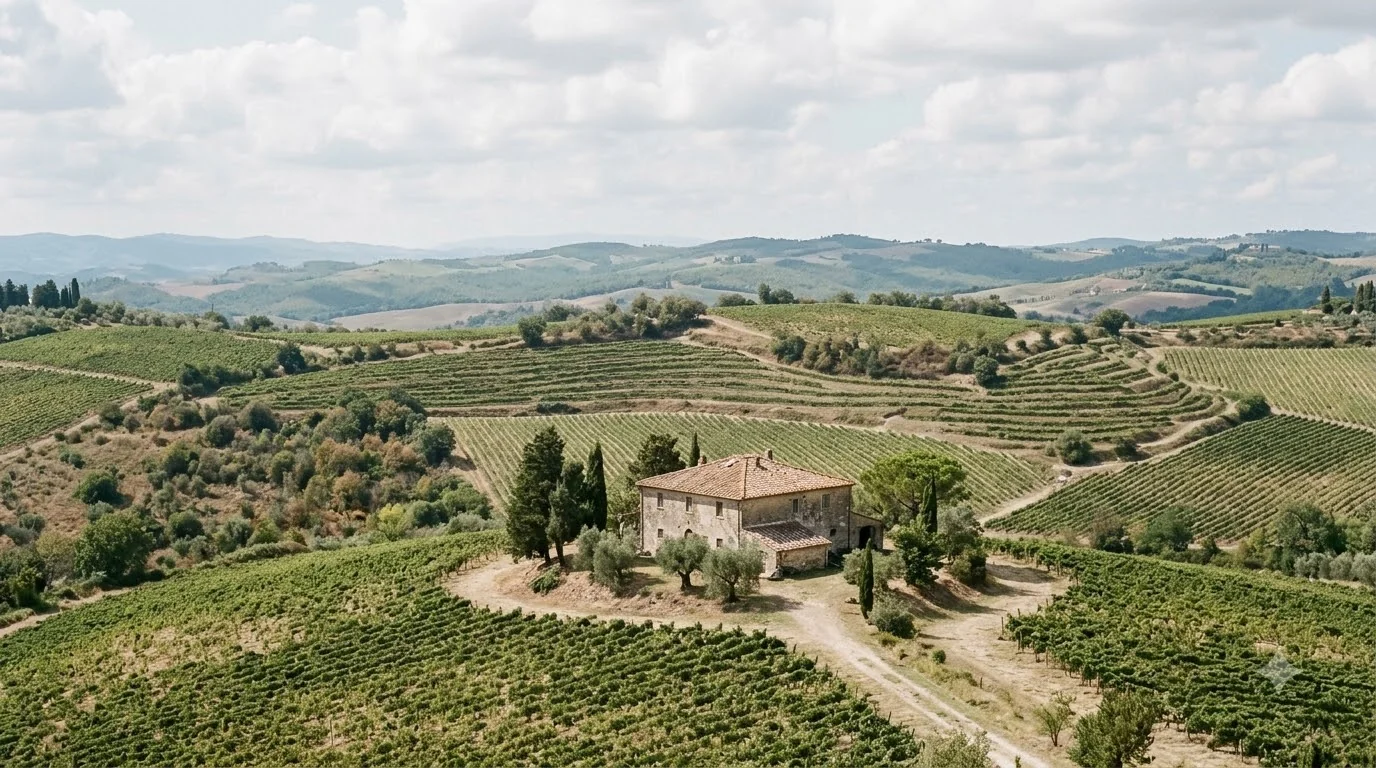
Maryland offers a surprisingly varied wine experience for a state that many travelers associate more strongly with Chesapeake seafood, historic towns, and coastal scenery. Its vineyards occupy rolling hills, mountain foothills, fertile agricultural land, and landscapes influenced by the Chesapeake Bay. This geographic variety supports different grape-growing conditions and a broad selection of wine styles. Understanding the state’s regional trails makes it easier to plan a rewarding visit, whether the priority is estate-grown Cabernet Sauvignon, refreshing white wine, small-production blends, or a relaxed afternoon among the vineyards.
Understanding Maryland’s Wine Trail System
Maryland’s wine trails are self-guided routes rather than organized tours with fixed departure times. Visitors choose participating wineries, arrange their own transportation, and create an itinerary that matches their interests and available time.
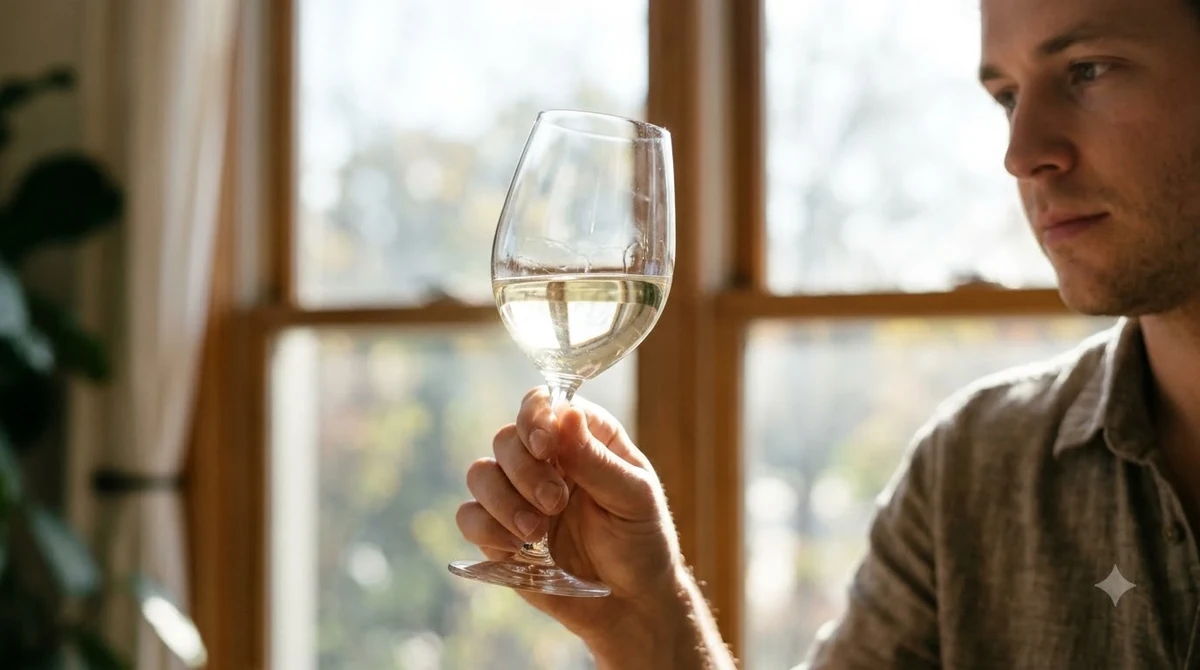
The Maryland Wineries Association provides a useful starting point through its winery directory and trail information. Its listings connect individual wineries with their associated routes, making it easier to identify clusters of tasting destinations. Several established routes include the Frederick Wine Trail, Piedmont Wine Trail, Chesapeake Wine Trail, Carroll Wine Trail, Patuxent Wine Trail, Capital Wine Trail, and Antietam Highlands Wine Trail.
These routes are not identical experiences. Some emphasize traditional vineyard estates and countryside tasting rooms, while others bring together wineries with cider producers, meaderies, distilleries, and nearby attractions. The Antietam Highlands route, for example, combines wine tourism with Civil War history. The Chesapeake-oriented routes offer a different atmosphere, with coastal scenery, agricultural communities, and access to waterfront destinations.
Visitors should think of the trails as planning frameworks rather than roads that must be completed from beginning to end. There is no requirement to visit every participating business. A traveler interested in dry red wines might choose a few vineyards specializing in traditional grape varieties, while someone organizing a relaxed weekend might prioritize outdoor seating, food availability, and scenic surroundings.
The official Maryland winery directory is especially useful because participating businesses and their affiliations can change. It provides a way to compare counties, identify wineries, and build a route around actual destinations instead of relying on an outdated printed itinerary. Start with the Maryland Wineries Association winery directory before choosing individual tasting stops.
Maryland also promotes the Maryland Wine Tasting Pass. According to VisitMaryland, this program provides participating visitors with full pours and exclusive bottle discounts through their phones. It can be useful for people planning multiple winery visits, although travelers should confirm participating locations and current program conditions before setting out.
A practical first visit usually includes two or three wineries rather than attempting to cover an entire trail. This leaves time for conversations with tasting-room staff, vineyard views, lunch, and travel between destinations. It also makes it easier to compare wines without rushing through each tasting.
Maryland’s Four Principal Wine Regions
Maryland’s wine-growing landscape is divided into four principal regions: Western Maryland, the Piedmont Plateau, Southern Maryland, and the Eastern Shore. Their differences in elevation, soil, temperature, and proximity to the Chesapeake Bay contribute to the state’s range of grape varieties and wine styles.
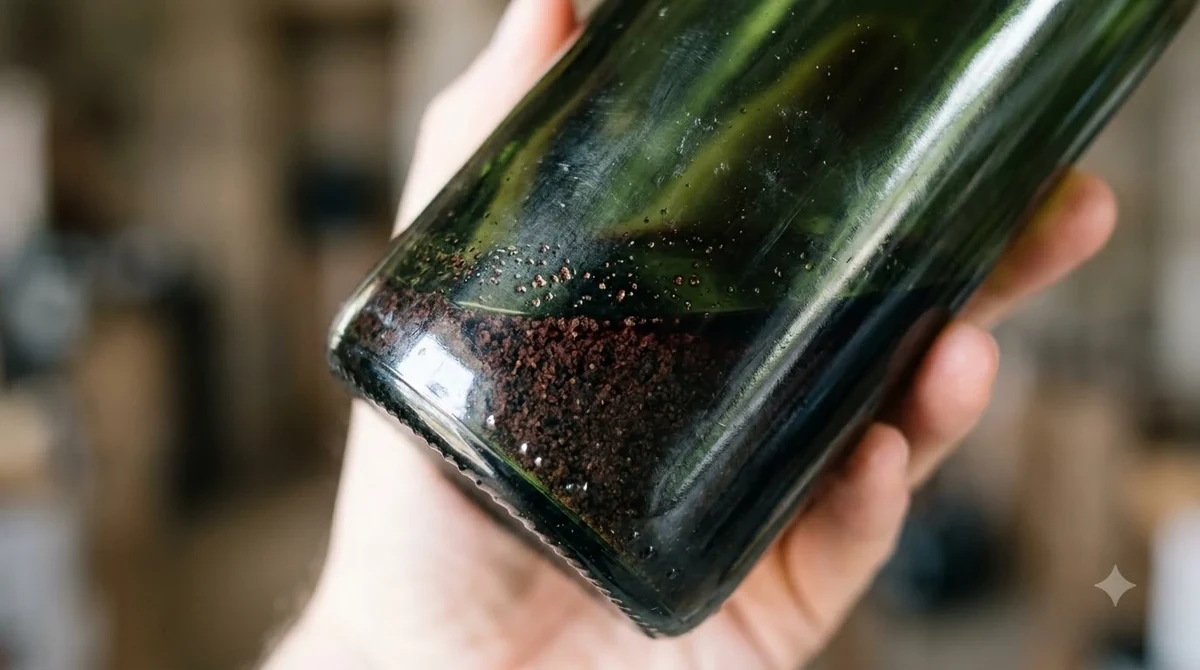
The Piedmont Plateau is an important starting point for visitors interested in established vineyard estates. It covers central and north-central parts of the state, including Frederick, Carroll, Baltimore, Howard, and Montgomery counties. Rolling hills and varied soils create vineyard sites with different growing conditions. The region is associated with wineries producing familiar European grape varieties, including Cabernet Sauvignon, Merlot, Cabernet Franc, Chardonnay, and Pinot Gris.
Western Maryland has a different growing environment. The mountainous landscape and colder winters create additional challenges for vineyard management. Grape varieties must be suited to shorter growing seasons and colder conditions. Wine enthusiasts may encounter both traditional vinifera grapes and more cold-tolerant hybrid varieties. This region is particularly interesting for visitors who want to understand how elevation and climate influence wine production.
Southern Maryland has warmer growing conditions, with summer temperatures that can remain high during the growing season. The region’s climate supports interest in Mediterranean grape varieties, including Sangiovese, Barbera, and Montepulciano. Visitors interested in wines beyond the familiar Cabernet Sauvignon and Chardonnay categories may find Southern Maryland especially rewarding.
The Eastern Shore is influenced by its proximity to the Chesapeake Bay and surrounding coastal environment. Sandy soils provide drainage, while maritime influences contribute to a different growing environment from the state’s mountainous western areas. The Upper, Mid, and Lower Eastern Shore each offer their own agricultural character and winery destinations.
These regional differences are important because a grape variety does not necessarily produce the same wine everywhere. Temperature, soil, rainfall, vineyard exposure, and harvest timing all influence ripeness, acidity, and flavor development. A Chardonnay grown in one Maryland region may show a different balance of fruit and acidity from a Chardonnay grown elsewhere.
| Wine region | Geographic character | Grape and wine interests | Counties and areas |
|---|---|---|---|
| Western Maryland | Mountainous terrain and colder winters | Cold-tolerant hybrids and selected vinifera varieties | Garrett, Allegany, Washington |
| Piedmont Plateau | Rolling hills and varied inland soils | Cabernet Sauvignon, Merlot, Cabernet Franc, Chardonnay | Frederick, Carroll, Baltimore, Howard, Montgomery |
| Southern Maryland | Warm southern growing conditions | Sangiovese, Barbera, Montepulciano, Chardonnay | Anne Arundel, Prince George’s, Calvert, Charles, St. Mary’s |
| Eastern Shore | Coastal influence and sandy soils | Varied grape varieties suited to maritime conditions | Cecil, Kent, Queen Anne’s, Talbot, Caroline, Dorchester, Wicomico, Somerset, Worcester |
These regional categories are useful for narrowing a trip, but they should not be treated as strict rules about what every winery produces. Individual vineyards select grapes according to their particular growing conditions and winemaking goals. Visitors can discover both familiar international varieties and less common regional interpretations throughout the state.
For broader comparisons with other American wine destinations, the Wine Regions resource provides useful context for understanding how geography influences wine character.
Frederick County and the Piedmont Wine Experience
Frederick County is one of Maryland’s most practical starting points for a winery-focused weekend. Its agricultural countryside, established tasting rooms, and selection of vineyard estates make it particularly appealing to visitors who want several different wine experiences within one general area.
The Frederick County agriculture directory identifies 15 wineries in the county. Among its listed destinations are Black Ankle Vineyards, Catoctin Breeze Vineyard, Celebration Cellars, Elk Run Vineyards, Hidden Hills Farm and Vineyard, and Linganore Winecellars. Each offers a different reason to stop, from traditional vineyard tastings to small-production wines and scenic outdoor settings.
Black Ankle Vineyards is located at 14463 Black Ankle Road in Mount Airy. Its vineyard landscape features rolling hillsides and rocky soils, and the winery offers tastings, outdoor seating, and tours. Frederick County lists vineyard tours at 1 p.m. on Saturdays and Sundays when weather permits. This makes it a useful destination for visitors who want to learn about the relationship between vineyard conditions and finished wine.
Catoctin Breeze Vineyard, located on Roddy Road in Thurmont, focuses on small-production Maryland wines. Its offerings include varietal wines and mead, which is made through the fermentation of honey rather than grapes. This gives visitors an opportunity to compare conventional grape wines with a different style of fermented beverage during the same outing.
Elk Run Vineyards is another interesting Mount Airy destination. Frederick County’s directory reports that its tasting selection includes more than 10 varietals and that the vineyard has received more than 600 medals. Its location also provides broad countryside views, making it a strong choice for visitors interested in combining wine tasting with a traditional estate setting.
Linganore Winecellars offers another kind of experience. The Frederick County directory describes its family estate as covering 230 acres, with a vineyard exceeding 80 acres. Its selection includes 30 wine varieties made from vinifera and hybrid grapes. That variety makes it a useful stop for people interested in comparing different grape families and wine styles.
Celebration Cellars provides a more private tasting experience. Located in Frederick near the Catoctin Mountain area, it operates by appointment. Visitors who want to include it in a weekend itinerary should arrange their visit before traveling rather than assuming that the tasting room accepts walk-ins.
A Frederick County itinerary can therefore include several different styles of winery experience. One possible plan is to visit Black Ankle for vineyard scenery, Catoctin Breeze for small-production wines and mead, and Linganore for a broad selection of grape varieties. This combination provides a more varied introduction than visiting three wineries with nearly identical tasting programs.
Antietam Highlands and Maryland’s Historic Wine Country
The Antietam Highlands Wine Trail is particularly appealing to travelers who want to combine wine tasting with history and rural scenery. Its destinations connect the Washington County countryside with some of Maryland’s most recognizable Civil War landmarks.
Visit Hagerstown describes the route as including five wineries, a distillery, and a meadery. This combination makes it more than a conventional vineyard circuit. Visitors can organize a trip around wine, other locally produced beverages, and historic attractions without needing to travel between completely separate tourism regions.
Three named winery destinations on this route are Big Cork Vineyards, Antietam Creek Vineyards, and Red Heifer Winery. Each gives visitors a different reason to explore the Washington County area.
Big Cork Vineyards is located at 4236 Main Street in Rohrersville. Its countryside setting and tasting-room experience make it a recognizable destination for visitors exploring the Antietam Highlands. The winery is also listed in the Maryland Wineries Association’s directory among the participants associated with this trail.
Antietam Creek Vineyards is located near Sharpsburg and is known for estate-grown Bordeaux-style wines. Its location offers a particularly strong connection between vineyard scenery and the area’s historic landscape. Visitors interested in structured red wines can look for Cabernet Sauvignon and Merlot-based selections where available.
Red Heifer Winery is another named stop in the local tourism directory. Including more than one winery gives visitors an opportunity to compare the producers’ approaches rather than judging the region by a single tasting-room experience.
The historical setting is an important part of this route’s appeal. Antietam National Battlefield is one of the major attractions associated with the trail, and visitors can organize their day around both the area’s history and its vineyards. A morning visit to a historic site followed by an afternoon winery tasting provides a balanced itinerary.
Travelers should allow enough time for driving between destinations and avoid scheduling tastings too closely together. A relaxed visit to two wineries, combined with time for a battlefield or historic-town stop, can make a more enjoyable day than attempting to visit every participating producer.
The Antietam Highlands route also illustrates how Maryland’s wine tourism differs from destinations built entirely around vineyard estates. The state’s trails frequently connect agriculture, local history, small businesses, and countryside attractions into one flexible experience.
Other Maryland Wine Trails Worth Exploring
Beyond Frederick County and the Antietam Highlands, Maryland offers several additional routes that appeal to visitors with different geographic preferences. The Chesapeake, Carroll, Piedmont, Capital, and Patuxent trails provide alternatives for travelers based in different parts of the state.
The Chesapeake Wine Trail is a natural choice for visitors interested in the Eastern Shore and coastal Maryland. The Maryland Wineries Association directory associates wineries such as Boordy Vineyards and Bohemia Manor Winery with the Chesapeake route. The region offers a combination of agricultural landscapes and access to communities shaped by the Chesapeake Bay.
Boordy Vineyards is located in Hydes, Baltimore County, and is one of the established winery names in the Maryland directory. Its association with the Chesapeake Wine Trail makes it a useful destination to investigate when planning a visit in the eastern and central parts of the state.
The Carroll Wine Trail provides another option for exploring central Maryland. Its associated wineries include Old Westminster Winery and other participating producers listed by the Maryland Wineries Association. Visitors who enjoy countryside settings and a more focused winery itinerary may find this route a practical choice.
The Piedmont Wine Trail is worth considering for travelers interested in the central Maryland wine landscape. Its directory listings include wineries such as Basignani Winery and Boordy Vineyards. The route gives visitors an opportunity to explore different vineyard settings while remaining within a broader inland region.
The Capital Wine Trail is useful for people visiting the greater Washington metropolitan area. Its winery listings provide a way to identify wine destinations without planning a trip exclusively around Western Maryland or the Eastern Shore. The associated area also makes it possible to combine wine tasting with other attractions and overnight stays.
The Patuxent Wine Trail provides another option for Southern Maryland exploration. Visitors interested in a warmer growing environment and a different selection of grape varieties can use it as a starting point for discovering the region’s wineries.
Trail listings can include different types of craft beverage producers, so visitors should distinguish between a winery, cidery, meadery, and distillery when selecting stops. Someone primarily interested in grape wine may prefer a route with several vineyards, while a mixed group might appreciate a broader selection.
For travelers who enjoy comparing destinations in other states, the Traverse City wine trail and Charlottesville wine trail offer useful comparisons with Maryland’s regional approach to winery tourism.
Maryland Wine Styles, Grapes, and Tasting Experiences
Maryland produces a broad selection of wines, including red, white, rosé, sparkling, and sweet styles. The state’s different growing regions and individual vineyard conditions allow producers to work with both internationally recognized grape varieties and hybrids selected for local growing environments.
Cabernet Sauvignon is an important variety for visitors who enjoy full-bodied red wines. It generally produces wines with high tannin, firm structure, and dark fruit characteristics. Maryland wineries may offer it as a single-variety wine or as part of a Bordeaux-style blend with Merlot, Cabernet Franc, or other grapes.
Merlot offers a softer alternative. Its tannins are generally medium in intensity, and its fruit-forward profile can make it approachable for visitors who prefer less aggressive structure. Comparing a Cabernet Sauvignon with a Merlot during the same tasting can demonstrate how grape variety influences texture.
Cabernet Franc is another variety worth exploring. It can contribute red fruit, herbal notes, and acidity to a blend or stand on its own. Its role in regional wine production makes it a useful reference point for understanding Maryland’s interest in traditional European grape varieties.
White wine drinkers should look for Chardonnay, Sauvignon Blanc, and other locally produced white varieties. Chardonnay generally has medium acidity and can vary considerably according to fermentation and aging methods. Sauvignon Blanc typically has higher acidity and can provide a fresher contrast to fuller-bodied whites.
Maryland producers also work with hybrid varieties. These grapes can be valuable in regions where climate and growing-season conditions make some European vinifera varieties more difficult to cultivate. Their inclusion gives visitors an opportunity to taste wines that reflect local agricultural decisions rather than simply reproducing styles found elsewhere.
Sweet wines, fruit wines, and mead are also part of the broader Maryland tasting experience. A winery may offer wines ranging from dry reds to sweeter whites and fruit-based selections. Visitors who prefer sweeter wine should mention their preference when beginning a tasting so staff can recommend an appropriate progression.
For a more useful tasting experience, compare wines by style rather than simply choosing the largest number of samples. For example, tasting two dry red blends followed by a Cabernet Sauvignon and a Merlot can reveal differences in tannin, body, and fruit character. Comparing Chardonnay with a higher-acidity white wine can provide a similarly useful lesson.
Food pairings can also help visitors understand a wine’s structure. High-tannin Cabernet Sauvignon pairs naturally with fatty or protein-rich foods because salt and fat soften the perception of tannin. High-acidity Sauvignon Blanc is often a useful match for acidic foods, seafood, and fresh vegetable dishes. Very spicy foods can make wines with high alcohol or tannin seem more aggressive.
Tip: Ask the tasting-room staff to compare two wines made from different grape varieties or grown under different conditions. A side-by-side tasting of Cabernet Sauvignon and Merlot, or Chardonnay and Sauvignon Blanc, often teaches more than sampling several unrelated wines without a comparison.
Serving temperature matters as well. Light whites and rosé are generally best served around 45–50°F, while fuller-bodied whites are more expressive around 50–55°F. Light reds benefit from approximately 55–60°F, and fuller-bodied reds generally suit 60–65°F. These ranges can help visitors appreciate the differences between wines after bringing bottles home.
Planning a Maryland Wine Trail Visit
A successful Maryland winery trip begins with choosing one geographic area and checking the individual tasting-room arrangements. Because the trails are self-guided, visitors should not assume that every winery operates on the same schedule or accepts visitors without reservations.
Start by identifying the region that best matches the available travel time. Frederick County works well for visitors interested in multiple wineries and established agricultural destinations. The Antietam Highlands is attractive for people combining wine with history, while the Eastern Shore provides a different setting influenced by coastal landscapes.
Next, select two or three wineries that offer distinct experiences. A good itinerary might include one estate with a vineyard tour, one producer with a broad tasting selection, and one destination with outdoor seating or food options. This variety helps make the day interesting without creating an overly demanding schedule.
Check opening hours, reservation policies, group restrictions, tasting formats, and tour availability directly with each winery. Some wineries offer walk-in tastings, while others may require advance arrangements. Celebration Cellars in Frederick, for example, is identified by the county directory as an appointment-only destination. Black Ankle’s listed weekend tour time is 1 p.m. when weather permits.
March deserves particular attention because Maryland celebrates its Wine Month during this period. VisitMaryland identifies March as a time when wineries organize special events and trail activities. Visitors who enjoy seasonal programming may find this an attractive time to explore, although individual event schedules and operating hours should be confirmed before traveling.
Spring and fall are also appealing for vineyard scenery. Spring brings new vine growth and changing countryside landscapes, while fall offers the visual appeal of harvest activity and changing foliage. Summer can be pleasant for outdoor tastings, although warm temperatures may affect the comfort of longer vineyard visits.
Transportation should be planned before the first tasting. Visitors should arrange a designated driver, private transportation, or another safe option that does not require anyone who has been drinking to drive. This is particularly important when visiting several wineries spread across rural roads.
Allow approximately 60–90 minutes for a relaxed winery stop, with additional time if a guided tour, meal, or special event is involved. Two or three stops can therefore occupy most of an afternoon once travel time and breaks are included. A weekend itinerary offers more flexibility for visiting wineries in separate parts of the state.
Visitors should also consider the practical details of the tasting experience. Bring identification, wear comfortable footwear if vineyard walking is planned, and ask whether outdoor seating is available. If traveling with children or pets, confirm the winery’s policies before departure rather than assuming every property welcomes them.
For bottle purchases, consider how the wine will be transported and stored. A standard 750-milliliter bottle provides approximately five 5-ounce glasses. Bottles intended for longer storage should be kept away from direct sunlight and excessive heat, ideally in a cool environment near 55°F.
Finally, keep the itinerary flexible. A conversation with a winemaker, a scenic overlook, or an unexpected local event can become the highlight of a visit. Maryland’s self-guided format allows visitors to spend more time at destinations they particularly enjoy rather than following a rigid tour schedule.
Frequently Asked Questions
How many wineries are there on the Maryland Wine Trail?
Maryland has a network of winery destinations organized into multiple regional trails rather than one single continuous route. The Maryland Wineries Association maintains a directory of participating businesses, while individual county directories provide additional listings. The number of wineries available to visitors can differ according to membership, operating status, and the particular trail being explored.
Can visitors bring their own food to Maryland wineries?
Policies vary by winery, and some tasting rooms provide outdoor picnic areas while others have their own food service arrangements. For example, Frederick County identifies picnic and outdoor seating facilities at Black Ankle Vineyards. Contact the winery before bringing outside food because picnic permissions and event restrictions may differ.
Are Maryland wineries suitable for private events and weddings?
Several Maryland wineries offer facilities for private gatherings, celebrations, and weddings. Frederick County’s directory identifies private event facilities at multiple vineyard destinations, including Black Ankle Vineyards and Elk Run Vineyards. Availability, guest capacity, catering arrangements, and event requirements should be discussed directly with the venue.
What is the oldest Maryland wine-growing area?
The Piedmont Plateau has a long-established association with Maryland viticulture and includes some of the state’s older winery operations. Linganore Winecellars is particularly notable because Frederick County identifies its estate as home to Maryland’s first Viticultural Area. Visitors interested in the history of local wine production can use the Frederick County region as a starting point.
Does Maryland produce wine from grapes other than European varieties?
Yes. Maryland wineries work with hybrid grapes in addition to traditional European vinifera varieties. Hybrids can provide useful growing characteristics in areas with colder winters or more challenging vineyard conditions. Some producers also make fruit wines and mead, offering alternatives to conventional grape-based wines.
The Maryland wine trail offers an accessible way to explore a diverse wine-producing state, with options ranging from Frederick County vineyard estates to the historic landscapes of Antietam Highlands and the Chesapeake region. Choose a manageable route, compare different wine styles, and confirm winery arrangements before setting out. With a little planning, a Maryland winery visit can become an enjoyable combination of local wine, agricultural scenery, regional food, and history.
More in Wine Regions
 Willcox Wine Trail: Discover Arizona’s High-Elevation Wine CountryUpdated Nov 20, 2026
 Yakima Valley Wine Region: Find the Best Styles to TryUpdated Nov 20, 2026
 Vosne Romanee Wine Tasting: Identify Aromas and Choose Better PairingsUpdated Nov 20, 2026
 Yakima Valley Wine Festival: Find the Best Seasonal Wine EventsUpdated Nov 20, 2026
 Wales Vineyards: Discover Cool-Climate Wines and Where to VisitUpdated Nov 20, 2026
 Yountville Wine Festival: Discover Napa Wines and Local FoodUpdated Nov 20, 2026