

We may earn a commission when you buy through links on this page, at no extra cost to you. Learn more.
A dry red blend is a red wine made by combining two or more grape varieties or wine components, with little or no residual sugar left after fermentation. Its flavor can range from juicy and smooth to structured and savory, depending on the grapes, growing region, and winemaking choices. The best bottle for you is the one whose body, tannin, acidity, and fruit profile match the food and drinking occasion. A blend is not automatically sweeter, stronger, or better balanced than a single-variety wine.
For shoppers, the phrase can be both useful and incomplete: it tells you the wine is red and intended to taste dry, but it may not reveal which grapes do the work. Understanding a few common combinations makes a shelf of unfamiliar labels easier to read.
What “Dry Red Blend” Means on a Wine Label
A dry red blend combines red wine made from multiple grape varieties, vineyard parcels, barrels, or other components, and finishes with little residual sugar. “Dry” refers to sweetness, while “blend” describes how the wine is assembled; neither term specifies a single flavor profile. A bottle can taste ripe and fruit-forward without tasting sugary, because aroma, alcohol, tannin, and acidity all shape the impression of sweetness.
Residual sugar is the sugar that remains after fermentation. Wine Enthusiast describes 10 grams per liter or less as a common guide to dry wine, while noting that acidity and tannin can change how sweet a wine seems. There is no single U.S. legal sugar cutoff attached to the everyday word “dry,” so the term is best treated as a style description rather than a laboratory number. Most dry red blends taste savory, crisp, or fruit-driven rather than distinctly sweet. The same word appears on sparkling labels, where a separate sweetness scale applies; dry Cava is a different style from a still red blend.
“Blend” does not always mean a list of grape varieties. The Wine & Spirit Education Trust explains that winemakers may combine varieties, vineyard parcels, barrels, regions, or vintages. Even a wine labeled with one grape can combine several lots to achieve balance or consistency. Read the WSET’s explanation of why winemakers blend wine for a clear account of those choices.
For U.S. shoppers, a “red blend” label often leaves the exact recipe open. The Alcohol and Tobacco Tax and Trade Bureau (TTB) says grape variety names are optional on American wine labels. When a single variety is used as the type designation, the general rule is at least 75% of that grape; when two or more varieties are used as the type designation, all grapes must be among those named and the percentages must be shown. Those are rules for varietal designations, not a guarantee that every red blend will print a complete recipe. The TTB labeling explanation sets out the distinction.
How the Main Grapes Shape Flavor and Structure
Grape varieties are the most practical clues to a blend’s likely texture. Cabernet Sauvignon often supplies firm tannin and dark-fruit structure; Merlot brings a softer, rounder impression; Syrah adds spice and deeper structure; and Grenache contributes ripe fruit and a supple feel. A smaller proportion of a strongly flavored grape can still change the final wine noticeably.
Cabernet Sauvignon is typically high in tannin, so a Cabernet-led blend often feels firm, with flavors associated with blackcurrant, dark cherry, cedar, or savory spice. Merlot is usually medium in tannin and softer in texture, often suggesting plum, cherry, and cocoa. Put together, Cabernet can provide a frame while Merlot fills out the middle of the palate. This is one reason Bordeaux-inspired blends are common reference points for shoppers who want a structured red that is not entirely austere.
Cabernet Franc can add freshness, red-fruit character, and herbal or floral notes. Petit Verdot is often used in smaller amounts because it can contribute color, tannin, and intensity. Malbec can bring dark fruit and color, while Syrah tends toward pepper, blackberry, and a firmer feel. Grenache is generally fruit-forward and can make a blend seem more generous; Mourvèdre often adds savory depth and structure. These are tendencies, not guarantees: climate, ripeness, vineyard site, and cellar decisions can shift the balance.
Use grape names as clues, not as a rigid recipe. More Cabernet Sauvignon or Syrah usually points toward assertive tannin, while Merlot- or Grenache-led blends tend to feel softer. Pinot Noir offers a lighter reference point, with low-to-medium tannin and high acidity; it is not a standard major component in classic Bordeaux or GSM blends. Compare a dry Merlot or dry Malbec to see which grape profile you prefer.
Common Blend Styles and the Regions Behind Them
Several regional traditions give shoppers a useful shorthand. Bordeaux-inspired blends center on varieties such as Cabernet Sauvignon, Merlot, Cabernet Franc, Petit Verdot, and Malbec; Southern Rhône-style GSM wines combine Grenache, Syrah, and Mourvèdre; California producers make versions of both, along with Zinfandel-led combinations. The name on the front label may signal a tradition, but the local climate and the producer’s choices determine the finished style.
A Bordeaux red blend usually draws on at least two traditional Bordeaux varieties. Cabernet Sauvignon, Merlot, Cabernet Franc, Petit Verdot, Carmenère, and Malbec are among the grapes associated with the style. On the Left Bank, Cabernet Sauvignon often plays a larger structural role; blends from the Right Bank are commonly associated with Merlot and Cabernet Franc. Those are broad patterns, not mandatory formulas. Decanter notes that “Bordeaux blend” does not prescribe fixed percentages.
GSM stands for Grenache, Syrah, and Mourvèdre, a combination associated with the Southern Rhône and widely made elsewhere. Grenache can supply red-berry fruit and a softer feel, Syrah adds darker fruit, pepper, and structure, and Mourvèdre can contribute savory, earthy, or firm elements. Côtes du Rhône is a familiar regional reference, while California’s Central Coast and South Australia also produce Rhône-inspired blends. A GSM may be juicy or structured, depending on proportions and growing conditions.
California red blends are especially varied. They can be Bordeaux-inspired, Rhône-style, or built around Zinfandel, and they may draw on grapes from different parts of the state. Italy offers another route: Super Tuscans can combine native grapes such as Sangiovese with international varieties including Cabernet Sauvignon, Cabernet Franc, and Merlot. The same broad term can therefore describe wines with very different body, acidity, oak influence, and tannin.
How to Choose a Bottle That Matches Your Taste
Start with body and tannin rather than with a long list of tasting notes. For dense, structured reds, look for Cabernet Sauvignon, Syrah, or Petit Verdot; for softer texture, start with Merlot- or Grenache-led wines. If you know a grape you enjoy, comparing a blend with a familiar varietal bottle is often more useful than relying on an elaborate label illustration or a generic phrase such as “smooth red.”
Next, decide whether you want freshness, ripe fruit, or oak influence. Higher acidity helps a red feel lively beside tomato-based dishes. Riper-fruited blends suit grilled meat or barbecue, while oak can contribute vanilla, toast, clove, or baking spice. Oak is a style choice, not a quality score.
Check the back label for grape varieties, origin, alcohol by volume, and producer tasting notes. Alcohol level is one clue to weight: a higher number can accompany a riper impression, but it does not establish sweetness or quality. If the blend percentages are printed, use them to understand the dominant grape; if they are absent, do not assume the producer is hiding a poor recipe. The label may simply use “red wine” as the class or type designation rather than a formal multi-variety designation.
Buy by a clear preference rather than a vague promise. “Dark fruit,” “full-bodied,” and “firm tannins” suggest a different experience from “bright red fruit,” “fresh acidity,” or “soft finish.” For a group, a medium-weight, fruit-forward blend is often more flexible than a highly tannic bottle. See these Wine Buying Guides for more buying basics.
Tip: Keep a quick note of the grape names, region, and alcohol level on bottles you enjoy. After comparing two or three blends, those details will reveal your preferences more reliably than broad words such as “bold” or “smooth.”
Food Pairings for Dry Red Blends
Match the wine’s weight and structure to the food’s weight and intensity. Tannin generally feels softer beside salt and fat, while high-acid dishes work best with a wine that has equal or higher acidity. A fuller Cabernet-led blend can suit beef and rich sauces, while a softer Merlot or Grenache blend can be more flexible with roast chicken, pizza, and tomato-based pasta.
For grilled steak, burgers, lamb chops, or braised short ribs, try a full-bodied blend with Cabernet Sauvignon, Syrah, or a measured amount of Petit Verdot. Salt and fat help soften firm tannin, so the wine can feel more balanced with food. A fruit-forward Zinfandel blend can also work with smoky barbecue, especially when the sauce is savory rather than very sweet. If the sauce is intensely sweet, choose a wine with enough fruit and body to avoid tasting thin beside it.
For tomato sauce, pizza, sausage, or roasted vegetables, prioritize freshness. Tomato has notable acidity, so an equally or more acidic wine is less likely to seem flat. A Sangiovese-based Tuscan blend is a useful starting point. Herbs such as rosemary, oregano, and thyme can echo savory notes in many Mediterranean-inspired blends. With mushrooms, lentils, or roasted eggplant, look for earthy notes and moderate tannin. Aged cheddar, Gouda, and hard sheep’s-milk cheese can suit structured reds because salt and fat soften tannin; mild fresh cheese is better with a lighter blend. Oily fish such as salmon or sardines usually clashes with tannic reds, so choose a high-acid white or a low-tannin red instead.
Spicy food needs care: chili heat can feel stronger with high alcohol and firm tannin, so a powerful Cabernet-led blend may make a hot dish seem hotter. For very spicy food, choose lower alcohol and tannin. Sweet sauces and desserts call for a wine at least as sweet as the dish, or the wine may taste harsh.
Serving, Opening, and Storing the Wine
Temperature changes how a red blend feels in the glass. A lighter red is generally best served at 55–60°F, while a fuller red is better around 60–65°F; serving a very full wine too warm can make alcohol feel more prominent. A brief chill is often useful for a fruit-forward, lighter-bodied bottle, especially in a warm room, while a structured Cabernet-based blend usually needs less chilling.
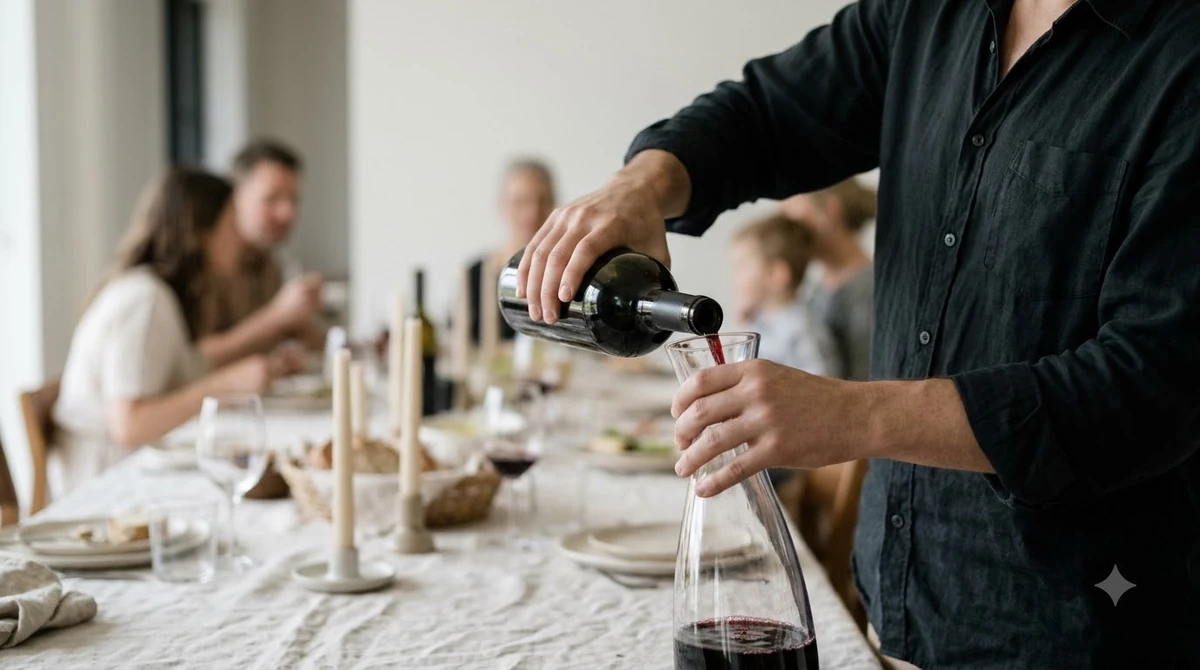
For a typical 750-milliliter bottle, plan on about five standard 5-ounce pours. Open the bottle shortly before serving. Young, full-bodied reds can benefit from 30–60 minutes in a decanter, though not every blend needs it. Start with a small pour after opening; if the aromas and texture already seem open, there is no reason to wait out a fixed timetable.
| Wine style or serving measure | Practical guideline | When it helps |
|---|---|---|
| Lighter-bodied dry red blend | 55–60°F | Fresh, more delicate fruit and less obvious alcohol warmth |
| Full-bodied dry red blend | 60–65°F | Structured reds with firmer tannin and deeper flavor |
| Standard pour | 5 oz | About five pours from a 750 ml bottle |
| Young, full-bodied red decant | 30–60 minutes | Can help a tight wine open before serving |
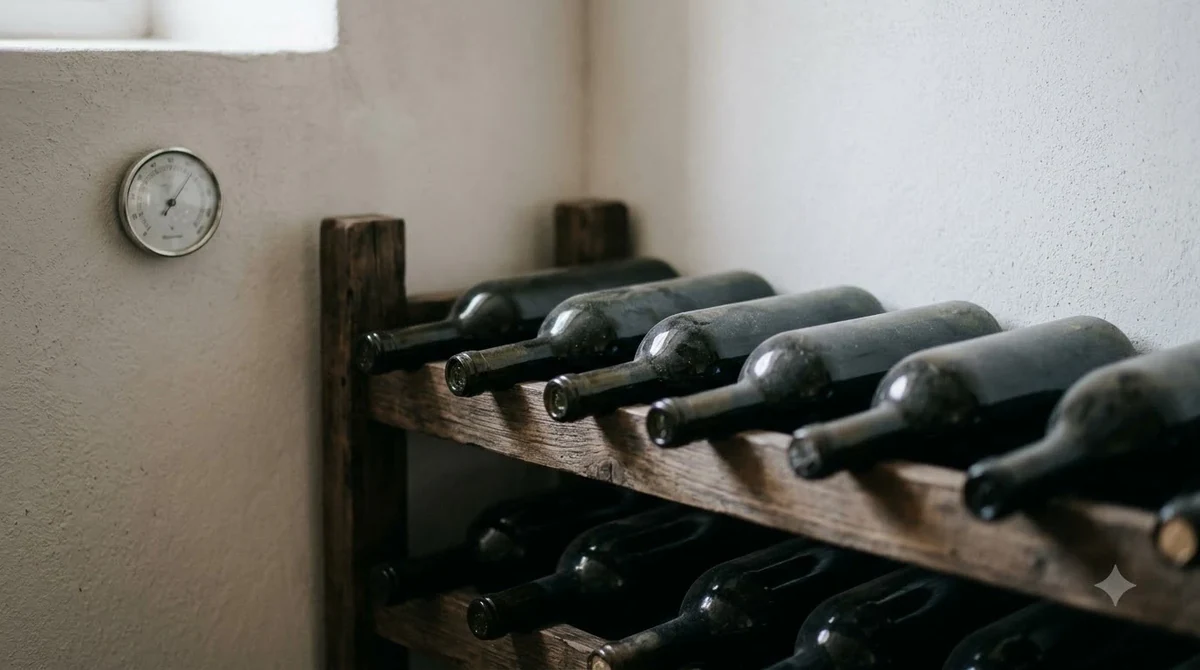
Store an unopened bottle on its side if it has a cork, in a cool, dark place near 55°F with stable conditions. Avoid sunlight, heat near the oven, and repeated temperature swings. After opening, reseal the bottle and refrigerate it, including red wine; cold storage slows the changes that make wine fade. Most opened still wines keep for about 3–5 days in the refrigerator, though delicate aromas may diminish before the wine becomes unpleasant. For a second evening, bring the wine toward its serving range rather than leaving it out for hours; a short chill can sharpen a lighter blend, while a fuller one can warm in the glass.
Frequently Asked Questions
These answers address five common points that can be confusing on a wine shelf, from grape names and sweetness to regional terminology and label rules.
Can a dry red blend contain a little residual sugar?
Yes. “Dry” does not mean every molecule of sugar has been removed. A small residual amount can remain, while tannin and acidity influence how the wine seems on the palate.
Does a red blend always contain only red grapes?
No. Some established red wine styles include a small share of white grapes. Wine Enthusiast notes that Chianti DOCG may include up to 10% Malvasia and Trebbiano, alongside its principal grape, Sangiovese.
What does GSM stand for on a bottle?
GSM stands for Grenache, Syrah, and Mourvèdre. In Australia, Syrah is commonly called Shiraz, so some labels use that name. The initials do not specify fixed percentages.
Is a red blend the same thing as a Meritage wine?
No. “Red blend” is broad, while Meritage is a trademarked term with rules for its use. Decanter says a U.S. red Meritage combines at least two eligible Bordeaux varieties, and no single variety may exceed 90%.
Can a red blend be made from grapes grown in different regions?
Yes. Components can come from different regions, vineyards, parcels, or barrels. On U.S. labels, a multi-state or multi-county appellation can trigger additional origin-percentage disclosures for named grape varieties.
A dry red blend can be an approachable everyday wine or a structured bottle built for a substantial meal; the category covers both. Start with the grapes and region, then use body, tannin, acidity, and alcohol level to narrow the choice. The more you notice which combinations suit your palate and food, the easier it becomes to choose a blend with confidence.
More in Wine Buying Guides
 Cheap Red Blend: How to Find a Flavorful Bottle for LessUpdated Nov 20, 2026
 Pinot Grigio Gift: How to Choose a Bottle They’ll EnjoyUpdated Nov 20, 2026
 Best White Wine at Total Wine for Every MealUpdated Nov 20, 2026
 Wine Fridge Replacement Shelves: Find the Right FitUpdated Nov 20, 2026
 Best Sparkling Wine Under 20: Find Bubbles Worth BuyingUpdated Nov 20, 2026
 Best Wine For Birthday Celebrations With Perfect Party PairingsUpdated Nov 20, 2026