

We may earn a commission when you buy through links on this page, at no extra cost to you. Learn more.
Maryland wine is produced by a small but established group of wineries spread across four growing regions, from the Piedmont Plateau near Baltimore to the Western Mountain counties on the edge of Appalachia. The state has a winemaking history that stretches back to the 1600s, and its modern industry is built on cold-hardy hybrids, a few European varieties, and Mediterranean grapes suited to the hot Southern Plain. If you are looking for Maryland wine, expect variety in style and a strong local tasting culture.
This guide explains where Maryland wine comes from, which grapes and styles show up most often, how the state’s regions differ, and how to choose or visit a Maryland winery without relying on guesswork.
A long history in a small state
Winemaking in Maryland goes back further than many visitors expect. The Wikipedia article on Maryland wine dates the first attempts to 1648, when European grapes were planted on about 200 acres on the east bank of the St. Marys River. The modern industry took shape much later. The first winery of the modern era, Boordy Vineyards, opened in 1945, and the state’s growers and winery associations formed in the 1980s.
Today the industry is modest in size compared with California or New York, but it has real regional roots. The same Wikipedia article puts the number of registered vineyards and wineries at over 80 as of 2019 and estimates the industry’s economic contribution at around 50 million dollars a year. Those figures are a few years old, so check current listings before you plan a trip.
The four Maryland growing regions
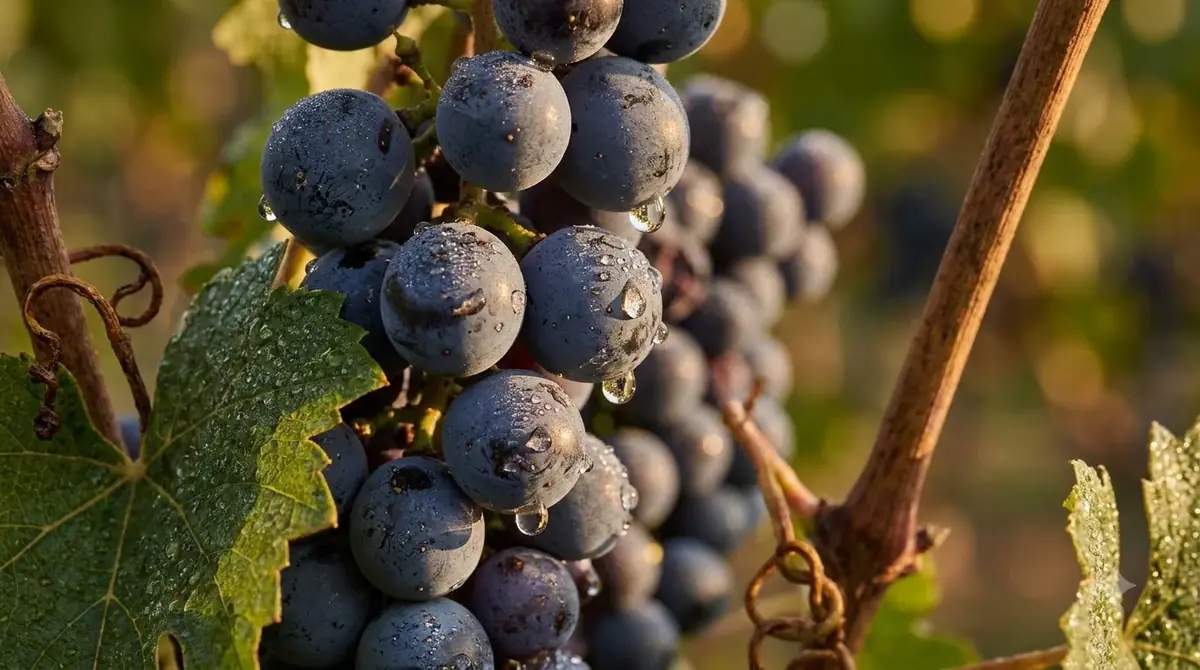
Maryland is small, but its climate changes quickly from east to west. Most of the state’s vineyards sit in the Piedmont Plateau, which covers the rolling land around Westminster and north of Baltimore. Its soils and mild winters suit many hybrid and vinifera grapes, and it is home to some of the state’s oldest wineries.
The Eastern Shore has sandy, well-drained soil, and the Chesapeake Bay moderates its climate. The Southern Plain gets hot summers and favors Mediterranean varieties such as Barbera, Sangiovese, and Montepulciano. The Western Mountain region is the coolest, with cold winters and a short growing season, so growers there rely on cold-hardy grapes such as Norton, Chambourcin, Vidal, and Seyval.
| Region | Climate and soil | Grapes you will often see |
|---|---|---|
| Piedmont Plateau | Rolling hills, most of the state’s vineyards | Cabernet Sauvignon, Merlot, Cabernet Franc, Chardonnay |
| Eastern Shore | Sandy, well-drained soil moderated by the bay | Mixed hybrids and vinifera, shaped by the bay’s mild air |
| Southern Plain | Hot summers | Barbera, Sangiovese, Montepulciano |
| Western Mountain | Cold winters, short season | Norton (Cynthiana), Chambourcin, Vidal, Seyval |
Tip: A Maryland label that names a specific county or AVA usually tells you more about the wine’s style than a general “Maryland” claim. Cumberland Valley, Catoctin, and Linganore are the state’s named sub-regions.
Grapes and wine styles to look for
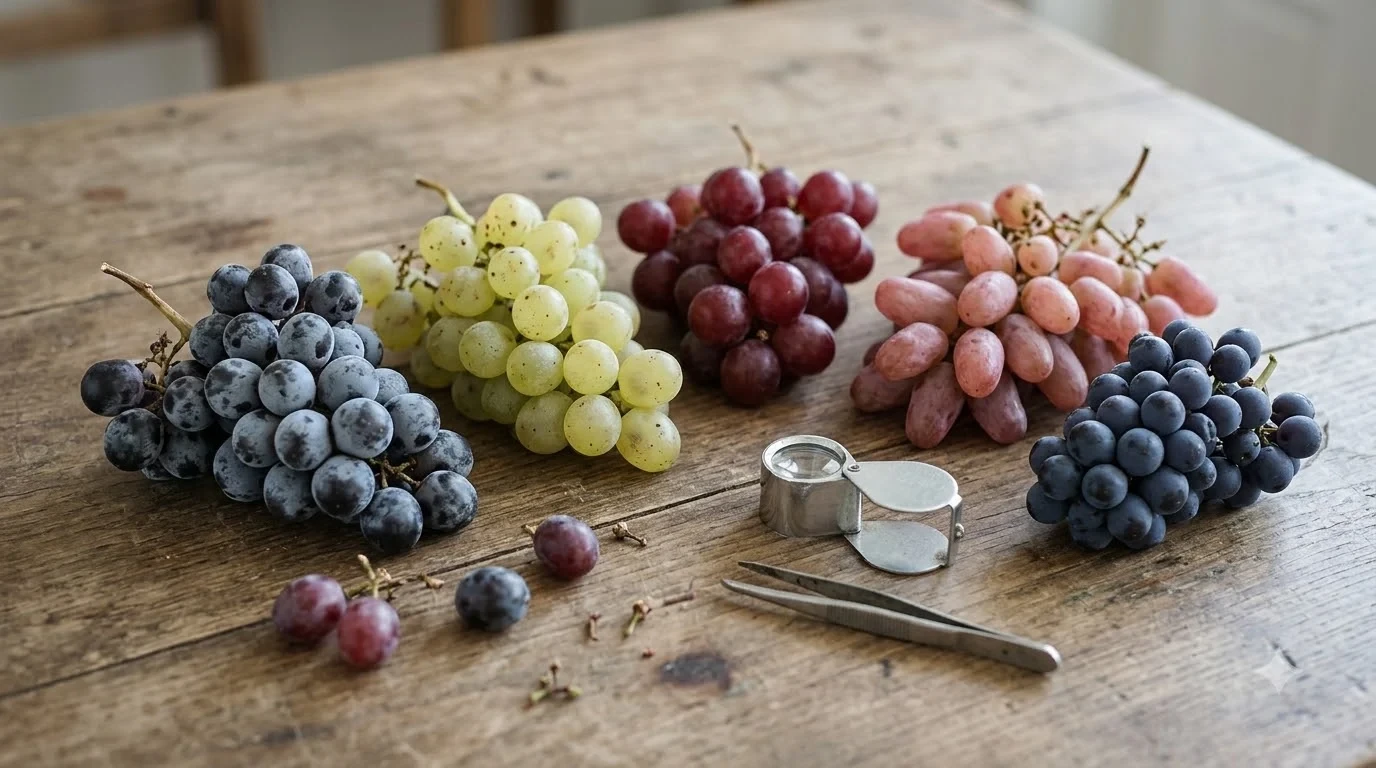
Maryland wineries work with a wide mix of grapes. Hybrids and French-American varieties are common because they handle humid summers and cold winters with fewer losses. Chambourcin gives bright, fruity reds, while Vidal Blanc and Seyval Blanc make crisp whites that are often lightly sweet. Norton, a native American grape, produces deep, dark reds with a bold character that people either love or find unusual.
Vinifera grapes appear too, especially in the Piedmont and on the Eastern Shore. Chardonnay and Cabernet Sauvignon are planted in many vineyards, and the Southern Plain’s Italian-style varieties are a distinct local strength. If you want to understand a winery’s approach, look at the list of grapes on the tasting menu first. It usually shows whether the house focuses on hybrids, vinifera, or a blend of both.
Visiting Maryland wineries and festivals
Tasting rooms across the state range from farm-style spaces with a few picnic tables to larger properties with event halls and restaurants. Many wineries are within an easy drive of Baltimore, Washington, and the Eastern Shore towns, so a day trip is practical. A good route is to visit one winery in the Piedmont for hybrid reds and whites, then one closer to the bay for a different set of grapes.
One of the state’s most visible annual gatherings is the Maryland Wine Festival, held on the third weekend of September. According to the Wikipedia entry, it has been held at the Carroll County Farm Museum in Westminster since 1985, draws more than 25,000 visitors, and features more than 200 wines. Festival crowds can be large, so arrive early if you want a relaxed tasting. Boordy Vineyards, which is listed at 12820 Long Green Pike in Hydes, is one of the long-established names to start with, and its own website describes the estate as founded in 1945.
Food and Maryland wine at the table
Maryland’s cuisine leans on seafood, crab, sweet corn, tomatoes, and summer produce, and many local wines were chosen with those flavors in mind. A crisp white with good acidity cuts through steamed shellfish and lighter fish dishes, while a Vidal or Seyval with a little residual sweetness can soften the heat of a spicy seasoning. Those wines tend to be lively rather than heavy, which suits a long summer meal.
Reds are more of a supporting role at a seafood table, but a light Chambourcin or a fruity hybrid works well with grilled sausages, burgers, and tomato-based pasta. Firmer Cabernet Franc or Merlot from the Piedmont suits roast meats and mushroom dishes. Italian-style grapes from the Southern Plain, such as Sangiovese, pair naturally with pasta, pizza, and charcuterie, which fits the region’s Mediterranean-leaning vineyards.
Dessert pairings are simple. A semi-sweet Vidal or a late-harvest white works with fruit tarts and peach desserts, and a dry red is a better match for dark chocolate than a sweet wine. When in doubt, ask the tasting room staff which bottle they would serve with your meal, since many can name the one that suits their own kitchen.
How to choose a Maryland bottle
When buying Maryland wine at a store or restaurant, start with the grape and the region. A Piedmont red made from Cabernet Franc or Merlot will generally be fuller and more structured than a hybrid red from the Western Mountain. Whites from Vidal or Seyval often work as a crowd-pleasing choice for a casual meal, and they tend to be fruitier and more aromatic than the average imported white.
Ask the shop or server whether the wine is dry or sweet. Many Maryland wines sit in the off-dry range, which suits spicy food, and dry styles are increasingly common among newer producers. For a dinner party, a Maryland rosé or a light Chambourcin served slightly chilled is a versatile choice that suits seafood, grilled chicken, and summer vegetables.
Storage is simple. Keep bottles out of direct sunlight and away from heat, and drink fresh whites and rosés within a year or two of the vintage. Heavier reds can age longer, but most Maryland wines are made to be enjoyed young.
Frequently Asked Questions
What is Maryland wine known for?
Maryland wine is known for its variety. Hybrids such as Chambourcin, Vidal Blanc, and Seyval Blanc are common, and the state also grows Norton, Chardonnay, and Mediterranean grapes in the south.
How many wineries are in Maryland?
The Wikipedia entry for Maryland wine reports more than 80 registered vineyards and wineries as of 2019. Counts change as new wineries open, so check a current state listing before planning a route.
Where are Maryland’s best wine regions?
Most of the state’s vineyards are in the Piedmont Plateau, and the Eastern Shore, Southern Plain, and Western Mountain regions each produce distinct styles. Named sub-regions include the Catoctin, Cumberland Valley, and Linganore AVAs.
When is the Maryland Wine Festival?
The festival is usually held on the third weekend of September at the Carroll County Farm Museum in Westminster. Dates can change from year to year, so confirm them before you go.
Maryland wine rewards a curious taste. Start with a Piedmont white, try a hybrid red, and compare them with a wine from a different climate. For more background on how regions shape flavor, see the Wine Regions guide, or compare the arizona wine and calistoga vineyards pages to see how other growing conditions change the glass.
More in Wine Regions
 Willcox Wine Trail: Discover Arizona’s High-Elevation Wine CountryUpdated Nov 20, 2026
 Yakima Valley Wine Region: Find the Best Styles to TryUpdated Nov 20, 2026
 Vosne Romanee Wine Tasting: Identify Aromas and Choose Better PairingsUpdated Nov 20, 2026
 Yakima Valley Wine Festival: Find the Best Seasonal Wine EventsUpdated Nov 20, 2026
 Wales Vineyards: Discover Cool-Climate Wines and Where to VisitUpdated Nov 20, 2026
 Yountville Wine Festival: Discover Napa Wines and Local FoodUpdated Nov 20, 2026