

We may earn a commission when you buy through links on this page, at no extra cost to you. Learn more.
The Maryland Wine Festival is an annual event held on the third weekend of September, and it gives visitors a single place to taste Maryland wines. According to the reference summary of Maryland wine, the festival was first held in 1984 in Union Mills and has been staged at the Carroll County Farm Museum in Westminster since 1985. It draws a large crowd and features more than 200 wines from the state’s producers.
This guide explains what to expect at the Maryland Wine Festival, how the event fits into the state’s wine scene, and how to plan a visit. It also covers the regions and grapes you are likely to taste, so you can get more from the tasting tables.
What the Maryland Wine Festival offers
The festival is built around tasting. Visitors can move from table to table to sample wines from many different producers in one place, which makes it a practical way to compare styles without visiting several wineries. The wines on offer reflect the range of the state’s vineyards, from European-style reds and whites to hybrid varieties grown in cooler areas.
Events like this are also a useful way to meet the people who make the wine. Winemakers and owners often attend in person, and their answers about growing conditions and winemaking choices can add context that a label does not give.

A short history of Maryland wine
Winemaking in Maryland is recorded as early as 1648, which makes it one of the older wine traditions in the United States. The modern industry took shape much later. The Maryland Grape Growers Association was formed in 1981, and the Maryland Wineries Association followed in 1984, the same year the festival began.
Boordy Vineyards, opened in 1945, is cited as the state’s first winery. A change in state law in 2000 allowed wineries to sell wine by the glass on site, and the reference summary notes a record year of sales that same year. Today the reference counts more than 80 registered vineyards and wineries as of 2019, and it lists about 54 grape varieties grown across the state.
That history helps explain why the festival matters. It gives the state’s producers a shared stage, and it lets visitors see how far Maryland wine has developed from its early roots.
When and where the festival takes place
The event is held on the third weekend of September each year. Its long-standing home is the Carroll County Farm Museum in Westminster, which has hosted the festival since 1985. The festival began earlier, in 1984, in Union Mills, so the history of the event reaches back several decades.
Because the date is fixed, wine lovers can plan around it each year. Check the current schedule before you travel, since details such as entry times, ticket options and the list of participating producers can change from year to year.
Maryland’s wine regions in context
Maryland’s wine scene is spread across four growing regions, each with its own climate and soils. The Piedmont Plateau holds most of the state’s vineyards, in central Maryland near Frederick and Westminster. The Eastern Shore is sandy and well drained, with a climate moderated by the Chesapeake Bay. The Southern Plain has hot summers that suit Mediterranean varieties, and the Western Mountain region grows cold-hardy grapes.
| Region | Setting | Grapes often seen |
|---|---|---|
| Piedmont Plateau | Central Maryland, near Frederick and Westminster | Cabernet Sauvignon, Merlot, Cabernet Franc, Chardonnay, Pinot Gris |
| Eastern Shore | Sandy, well-drained soil; Chesapeake Bay moderates the climate | A wide variety of grapes across the Upper, Mid and Lower Shore |
| Southern Plain | Hot summers | Barbera, Sangiovese, Montepulciano |
| Western Mountain | Cold-hardy climate | Norton/Cynthiana, Chambourcin, Vidal, Seyval |
The variety of regions means that a festival tasting can cover very different styles. A wine from the Eastern Shore may feel fresher and more saline than one from the Piedmont, and a Western Mountain red can taste quite unlike a Bordeaux-style blend from central Maryland.
Grapes to look for at the tasting tables
Norton is one of the most distinctive wines a visitor can taste in Maryland. It is a red grape that the reference describes as an American hybrid of Vitis vinifera and Vitis aestivalis. Its flavour profile leans toward black currant, black cherry, dill, black pepper and chocolate, with a dry, medium-full body and bright acidity.
The Wine Folly guide to Norton describes the wine as a good match for hearty dishes, and notes that its acidity and fuller body let it stand in for a Cabernet Sauvignon at the table. A festival is a good place to try it next to a more familiar red, so you can compare the two directly.
Tip: Ask the pourers which grapes come from the Western Mountain region. Those wines are often less familiar but give a clear picture of what the state’s cooler vineyards produce.
Why the regional mix matters at a festival
A festival brings together producers from several parts of the state, so a single afternoon can show how much the wines change with place. A red from the warmer Southern Plain may show riper fruit than a red from the cooler Western Mountain, while a white from the Eastern Shore can carry a different kind of freshness. Comparing these side by side is one of the most useful things a tasting event offers.
When you taste, try to group wines by region rather than by colour alone. You will notice patterns more quickly, and you will have a clearer idea of which region suits your taste when you go shopping later.
Planning your visit
Plan your day around the tasting schedule and allow time to move between tables without rushing. Many visitors start with lighter whites and move toward reds, which keeps the palate fresh. Water, food and a designated driver or ride service are sensible choices, and you should pace each tasting so you can enjoy the event safely.
Wear comfortable shoes and bring something to protect you from the weather, since September can still be warm in the sun and cool in the evening. Festival grounds are often crowded in the afternoon, so an early start can make the tasting easier.
How to get more from a tasting
Serving temperature matters. Many reds are best served a little below room temperature, and the Wine Folly guide to Norton suggests a range of about 60 to 68 degrees Fahrenheit for that variety. Whites should be cool but not cold, so their aromas stay visible. Pour small amounts, swirl the glass and taste several wines in order from lightest to heaviest.
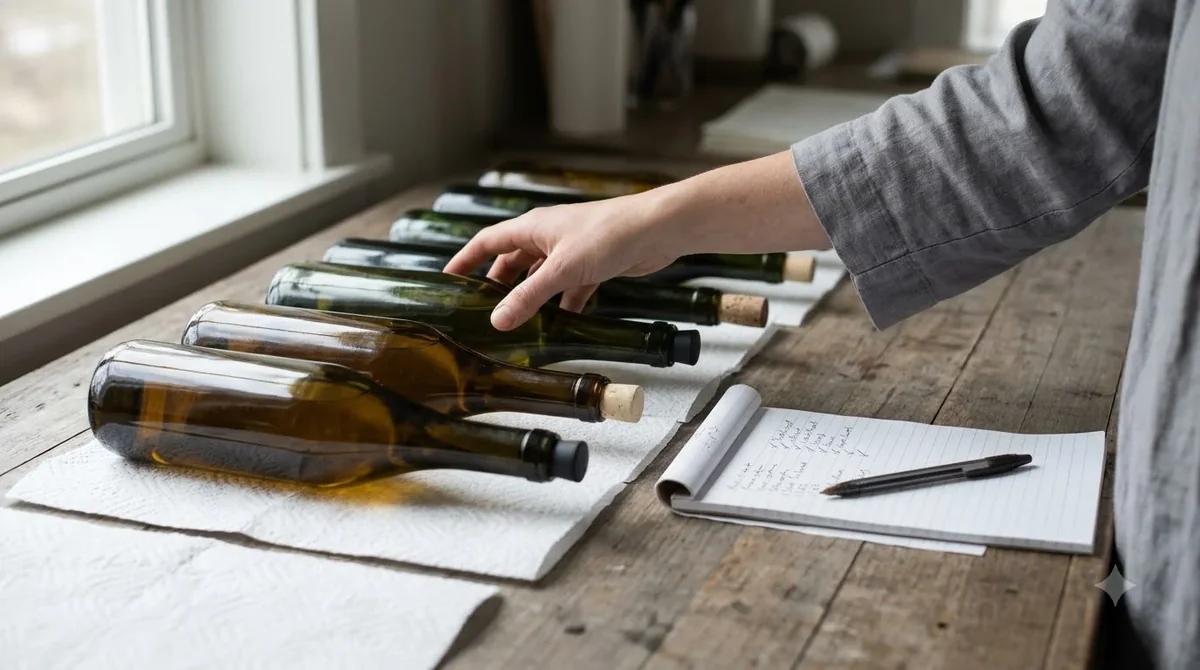
Take notes on the wines you enjoy, including the producer and the region named on the label. Those notes will help you choose bottles later, when the festival is over and you are shopping for a dinner or gift.
Choosing Maryland wines after the festival
Once you know which wines you enjoy, it becomes easier to find more. Look for the region on the label, because Maryland wines from the Piedmont and Eastern Shore can differ noticeably in character. Ask a local wine shop for bottles from the same producer or region, and check whether the grape is named on the label, since many Maryland wines are sold under a blend name.
Vintage also matters. Growing seasons vary, so two bottles from the same producer in different years may not taste the same. If a wine impressed you at the festival, the producer’s website or tasting room is often the best place to find the vintage you tried.
Frequently Asked Questions
When is the Maryland Wine Festival held?
The festival takes place on the third weekend of September each year. Check the current year’s dates before you plan a trip, since the schedule can change.
Where is the Maryland Wine Festival held?
The festival has been held at the Carroll County Farm Museum in Westminster since 1985. It began in 1984 in Union Mills, so the event has a long history in the state.
How many wines are usually poured?
The reference summary of Maryland wine describes more than 200 wines at the festival. The exact list varies from year to year, so check the festival’s published information for the current lineup.
Do I need to be a wine expert to enjoy the festival?
No. The tasting tables are a good way to learn what you like. Ask the pourers about the grape, region and style, and take notes so you can find similar bottles later.
The Maryland Wine Festival is one of the simplest ways to see what the state’s vineyards can produce in one afternoon. Start with the regions and grapes covered here, take notes as you taste, and use what you learn to choose bottles afterward. For more ideas on similar events, see the guides to hudson valley wine festival, new mexico wine festival and hawaii wine festival.
More in Wine Regions
 Willcox Wine Trail: Discover Arizona’s High-Elevation Wine CountryUpdated Nov 20, 2026
 Yakima Valley Wine Region: Find the Best Styles to TryUpdated Nov 20, 2026
 Vosne Romanee Wine Tasting: Identify Aromas and Choose Better PairingsUpdated Nov 20, 2026
 Yakima Valley Wine Festival: Find the Best Seasonal Wine EventsUpdated Nov 20, 2026
 Wales Vineyards: Discover Cool-Climate Wines and Where to VisitUpdated Nov 20, 2026
 Yountville Wine Festival: Discover Napa Wines and Local FoodUpdated Nov 20, 2026