

We may earn a commission when you buy through links on this page, at no extra cost to you. Learn more.
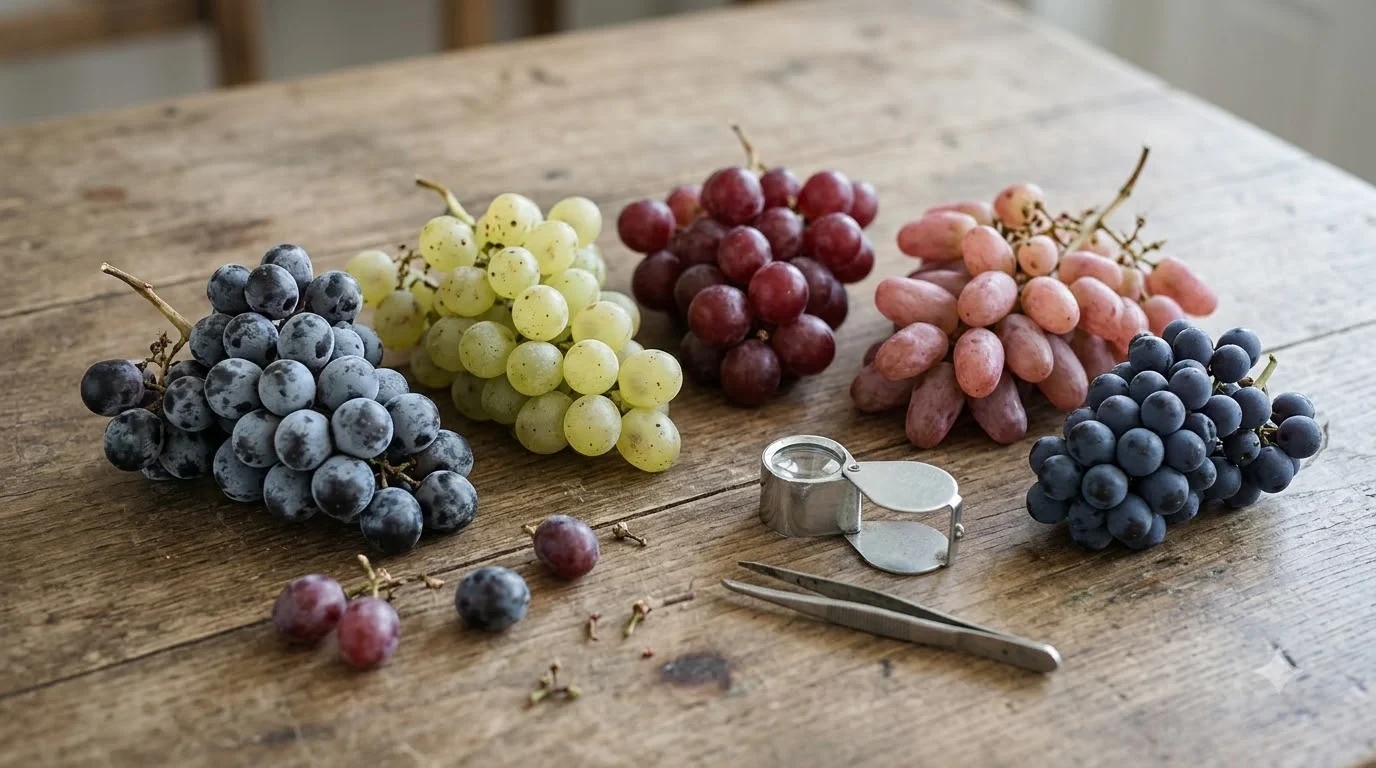
Illinois wine grapes are primarily cold-hardy American and French-American hybrid varieties that produce distinctive red, white, rosé, sparkling, and sweet wines suited to the state’s continental climate. Leading varieties include Chambourcin, Vignoles, Norton, Seyval Blanc, Chardonel, Traminette, and Frontenac. Illinois vineyards also grow selected European vinifera grapes, including Cabernet Franc and Chardonnay, particularly in favorable southern locations. Understanding these varieties makes it easier to recognize regional differences and choose wines that match your preferred flavors and food.
Illinois might not be the first state that comes to mind when considering American wine, but its vineyards have developed a recognizable identity through grapes selected for cold winters, humid summers, and varying growing conditions. From the hills of southern Illinois to vineyards near the Mississippi River, growers work with different grape families to produce wines ranging from crisp citrus-driven whites to deeply colored reds. The state’s wine industry also offers an interesting alternative to familiar California and Oregon varieties, especially for drinkers interested in regional American wines.
Why Illinois Vineyards Depend on Cold-Hardy Grapes
Illinois grape growing requires varieties that can withstand winter temperatures while ripening during a relatively limited growing season. American grapes and French-American hybrids are especially important because they offer characteristics suited to the state’s climate and disease pressures.
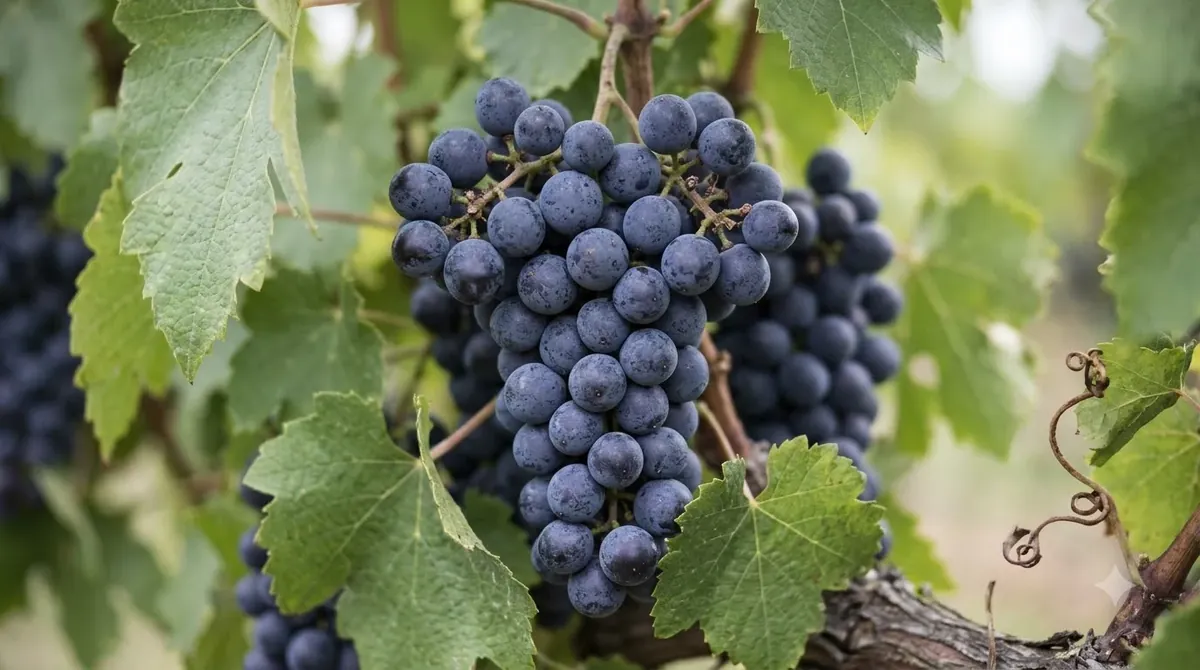
According to Illinois Extension, the state spans USDA hardiness zones 5a through 6b. These conditions create challenges for grapevines that are sensitive to winter injury. A severe winter can damage dormant buds, reduce the following year’s crop, or injure permanent vine structures.
American grape varieties provide one solution. Concord, Catawba, and Niagara are examples of grapes with strong cold tolerance and comparatively good disease resistance. These grapes belong to the American grape-growing tradition and have long been used for fresh fruit, juice, and wine. Their recognizable fruit character also gives Illinois winemakers useful options for producing approachable, aromatic wines.
French-American hybrids provide another important group. These grapes combine European wine-grape ancestry with genetic contributions from American grape species. Depending on the variety, this breeding can improve winter survival, disease resistance, or the ability to ripen fruit under challenging conditions.
Popular examples include Chambourcin, Seyval Blanc, Vignoles, and Marechal Foch. Newer cold-climate varieties such as Frontenac and La Crescent also contribute to the state’s selection of grapes. These varieties are not simply substitutes for familiar European grapes; they have their own flavor profiles and winemaking possibilities.
Vineyard owners must also consider factors beyond winter survival. Illinois Extension identifies flavor, sugar content, intended use, maturity, and disease resistance as important selection criteria. A grape that survives winter but ripens too late for a particular vineyard may still be a poor commercial choice.
Humidity creates additional considerations. Rainfall and moisture around grape clusters can increase fungal disease pressure, making canopy management, vineyard airflow, and appropriate variety selection important parts of production. Growers therefore balance the desired wine style against the practical requirements of maintaining healthy vines.
For growers interested in the practical side of cultivation, Illinois Extension’s grape-growing guidance covers variety selection and vineyard management throughout the growing season.
Tip: When exploring Illinois wines, begin with Chambourcin, Vignoles, and Norton. These varieties provide a useful introduction to the state’s distinctive red and white wine styles before moving on to less familiar hybrids.
Important White Illinois Wine Grapes
Illinois white grapes produce a broad range of wines, from crisp and citrus-driven bottles to intensely aromatic and naturally sweet selections. Vignoles, Seyval Blanc, Chardonel, and Traminette are particularly useful starting points for understanding the state’s white wine identity.
Vignoles is one of the most recognizable white hybrid varieties associated with Illinois. Developed by French breeder J.F. Ravat during the 1930s, it was originally called Ravat 51. The grape is now grown throughout all four Illinois wine-growing regions. Its aromatic profile can include green apple, grapefruit, pineapple, peach, banana, and honey.
Vignoles is particularly versatile in the winery. Depending on growing conditions and winemaking decisions, it can become dry, semi-dry, sweet, or dessert wine. Its aromatic character and refreshing acidity make it useful for both still and sweeter expressions. Some versions emphasize citrus and orchard fruit, while sweeter examples can display more pronounced tropical fruit and honey characteristics.
Seyval Blanc is another important French-American hybrid. It can produce dry and unoaked whites, oak-aged wines, semi-dry selections, and sweeter bottlings. Common flavor descriptions include peach, grapefruit, and pineapple, with occasional grassy complexity. Its relatively adaptable winemaking profile makes it useful for producers seeking a versatile white variety.
Chardonel is a white hybrid associated with Chardonnay-like winemaking possibilities. It can be produced as an unoaked or oak-aged wine, as well as in semi-dry and sweet styles. Citrus is a common flavor characteristic, sometimes accompanied by grassy or spicy notes. Oak treatment can introduce buttery and vanilla impressions.
Chardonel is a useful option for drinkers who enjoy the texture and broad stylistic range of Chardonnay but want to explore a grape developed for more challenging growing conditions. An unoaked version typically emphasizes fruit and freshness, while an oak-aged bottling can have a fuller impression.
Traminette stands out for its aromatic intensity. Its floral character can be accompanied by ginger and mint, giving it a distinctive personality among Illinois whites. Producers make it in styles ranging from dry to sweet, so sweetness is an important consideration when choosing a bottle.
Other notable white varieties include La Crescent, Frontenac Gris, Vidal Blanc, Niagara, Cayuga White, and St. Pepin. La Crescent is associated with apricot and grapefruit aromas, while Frontenac Gris can show pineapple, peach, and apricot. Niagara offers a more pronounced grape-like aroma, making it particularly accessible to drinkers familiar with traditional American grape wines.
For anyone who prefers fragrant wines with noticeable fruit character, Traminette and Vignoles are excellent starting points. Drinkers seeking a drier, more restrained style can begin with an unoaked Seyval Blanc or Chardonel.
Leading Red Grapes Grown in Illinois
Illinois red wine production relies on grapes that can handle winter conditions while developing sufficient ripeness and color. Chambourcin, Norton, and Frontenac are particularly interesting examples because they offer different combinations of fruit, structure, and winemaking versatility.
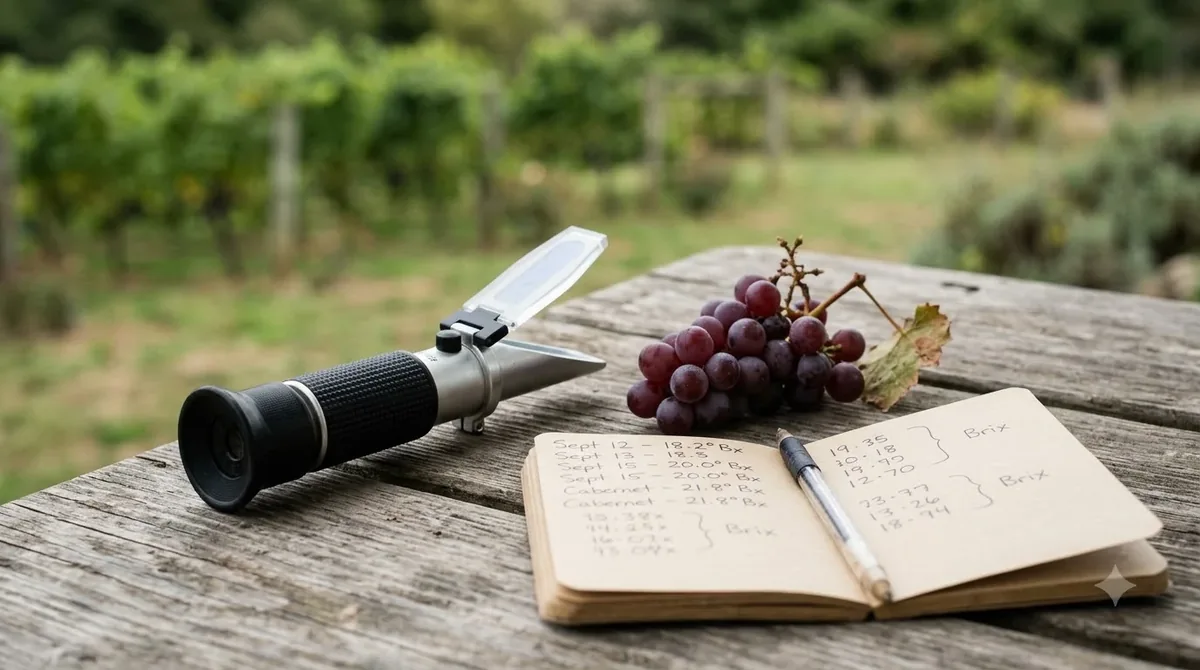
Chambourcin is one of the best-known red hybrid varieties in Illinois. It produces wines with dark fruit and berry characteristics, sometimes accompanied by dried fruit, cherry, and tobacco notes. Depending on the producer, Chambourcin can be made into dry red wine, semi-sweet wine, sweet wine, rosé, sparkling wine, or fortified Port-style wine.
Its flexibility is one of its biggest advantages. A dry Chambourcin can be a useful dinner wine, particularly when paired with grilled meats or roasted dishes. A sweeter version offers a different experience, emphasizing ripe fruit and a softer impression. Rosé and sparkling expressions provide additional ways to explore the grape.
Norton, also known as Cynthiana in some wine-growing traditions, is an American grape associated with dark-colored red wines. It is valued for its ability to withstand cold conditions and its potential to produce substantial color and concentrated fruit character. Its wine styles can range from fruit-forward selections to more structured bottles with noticeable acidity and tannin.
Norton is especially interesting for drinkers seeking a distinctly American red rather than a direct imitation of Cabernet Sauvignon or Merlot. Depending on ripeness and winemaking, its flavor profile can include dark berries and earthy impressions.
Frontenac is another cold-hardy red variety. It can produce wines with dark cherry, blackberry, and plum characteristics, often accompanied by spicy or earthy notes. Its natural acidity is a defining feature, making it useful for producing structured reds and rosé wines.
Other red varieties found in Illinois include Marechal Foch, Baco Noir, Cabernet Franc, and selected additional hybrids. Marechal Foch is valued for its ability to grow in cold climates, while Cabernet Franc represents a European vinifera variety that can perform in favorable vineyard locations.
These red grapes do not all produce the same experience. Chambourcin is particularly versatile, Norton can provide a more substantial American red style, and Frontenac is notable for its bright acidity and dark fruit character. Comparing the three offers a good introduction to Illinois red wine.
For food pairing, dry Chambourcin and Norton can work with grilled beef, lamb, sausages, and roasted vegetables. Salt and fat help soften the perception of tannin in red wines. Frontenac’s acidity can also provide a useful contrast to richer meat dishes.
Illinois Wine Regions and Their Growing Conditions
Illinois grape varieties reflect several distinct growing environments, including northern vineyards, central agricultural landscapes, western river-influenced locations, and the hills of the south. These differences influence ripening schedules, grape selection, and the character of finished wines.
The Illinois Grape Growers and Vintners Alliance identifies two American Viticultural Areas associated with the state: the Shawnee Hills AVA and the Upper Mississippi River Valley AVA. These official geographical designations recognize areas with particular growing conditions and wine-growing characteristics.
Shawnee Hills AVA
The Shawnee Hills AVA is located in southern Illinois and is particularly interesting for its elevation, limestone geology, and varied topography. Blue Sky Vineyard, located in Makanda, describes its surroundings as part of the unglaciated Ozark foothills.
The vineyard reports an elevation of approximately 600 feet and grows varieties including Chambourcin, Norton, Vignoles, Seyval, Traminette, Niagara, Cabernet Franc, and Chardonnay. Its approximately 13 planted acres include more than 11 acres in production.
According to the vineyard, the broader Shawnee Hills AVA encompasses approximately 2,139 square miles. Its landscape includes limestone bedrock, karst features, and predominantly thin loess soils that support surface and internal drainage.
Elevation and terrain can help create a longer growing season than in some surrounding locations. This can support fuller grape ripening and allow selected vinifera varieties to succeed under suitable vineyard conditions.
Upper Mississippi River Valley AVA
The Upper Mississippi River Valley AVA covers portions of Illinois, Iowa, Minnesota, and Wisconsin. Its broad geographical area includes a range of growing conditions, but cold-climate grape varieties are especially important.
La Crosse, St. Pepin, and St. Croix are examples of varieties associated with vineyards in the northwestern Illinois portion of the AVA. These grapes are useful for producers working in areas where winter survival is a major concern.
Northern, Central, and Western Illinois
Northern Illinois has a relatively short growing season, and vineyards must account for early frost risks. Frontenac and Marquette are among the varieties associated with this part of the state. Grapes can ripen by late August, making harvest timing especially important.
Central Illinois has hot summers and substantial sunlight, with Vignoles and Seyval Blanc among the varieties grown there. Harvest activity commonly reaches full swing around mid-September, although individual vineyards can differ according to location and weather.
Western Illinois benefits from the influence of the Mississippi River, which can moderate local temperatures. Chambourcin and Norton are among the varieties associated with the region, and the additional growing time in some locations can help develop fuller fruit flavors.
These regional differences explain why two wines made from the same grape can have noticeably different characteristics. Vineyard elevation, soil drainage, temperature patterns, and harvest timing all contribute to the finished wine.
Harvest Timing and Vineyard Management in Illinois
Illinois grape harvest generally takes place from August through October, with some southern locations extending picking into November. White grapes usually ripen before many red varieties, although local weather and vineyard conditions can shift the schedule.
According to the Illinois Office of Tourism, Seyval, Vignoles, Chardonel, and Vidal Blanc are among the varieties that tend to be harvested earlier. Chambourcin generally takes longer to reach its desired ripeness, particularly when producers want fully developed red fruit characteristics.
Location is an important factor. Northern vineyards can begin harvesting by late August, while central Illinois picking commonly reaches full activity in mid-September. Western Illinois vineyards near the Mississippi River may benefit from moderated temperatures that support a longer ripening period.
Southern Illinois has a particularly varied harvest window. Warm days and cool nights can support extended grape development, and the hills create local differences between vineyards. Picking can begin in August and continue into November in some locations.
Winemakers monitor several indicators before deciding when to harvest. Sugar accumulation helps determine potential alcohol, while acidity influences freshness and balance. Grape color, skin condition, seed maturity, and flavor development also contribute to the decision.
Harvest timing is especially important for aromatic white grapes. Picking Vignoles or Seyval Blanc too early can result in a wine with less developed fruit expression, while delaying harvest can change the balance between sugar and acidity. Producers must decide whether the intended wine is dry, semi-sweet, or sweet before choosing the ideal harvest point.
Red grapes require additional attention to color and tannin development. Chambourcin may remain on the vine longer than early-ripening whites so that its fruit characteristics become more developed. However, waiting too long introduces weather risks, including rain and the possibility of early frost.
Vineyard management continues throughout the growing season. Growers monitor new shoots, manage canopy density, control weeds, and protect fruit from disease. Good airflow around grape clusters can help reduce moisture-related problems, while careful canopy management helps balance sunlight exposure against excessive heat.
Establishing a vineyard also requires patience. Blue Sky Vineyard reports that its vines generally begin producing a partial crop after approximately three years and reach a full crop after approximately five years. These timelines help explain why vineyard development requires long-term planning rather than a quick transition from planting to commercial production.
Harvest season also provides an opportunity to explore the state’s wine culture. The Illinois autumn harvest overview describes regional picking patterns, vineyard activities, and events that give visitors a closer look at grape production.
How Illinois Grape Varieties Translate Into Wine Styles
Illinois grapes can produce dry, semi-dry, sweet, sparkling, rosé, and fortified wines. Understanding the relationship between grape variety and winemaking style helps consumers select bottles according to their preferences rather than assuming every hybrid wine is sweet.
White varieties provide some of the widest stylistic choices. Seyval Blanc and Chardonel can produce dry wines with citrus and orchard fruit characteristics. Vignoles can range from dry to dessert-style, while Traminette offers floral aromas that remain noticeable across different sweetness levels.
Red varieties are equally flexible. Chambourcin is particularly adaptable, with producers making everything from dry table wines to sweet reds and sparkling expressions. Norton and Frontenac are useful choices for drinkers seeking deeper color and more substantial red fruit characteristics.
Rosé is another category worth exploring. Red grapes such as Chambourcin and Frontenac can provide the fruit and color needed for pink wines. Depending on production choices, these wines may be dry, fruity, or slightly sweet.
Sweet wines deserve particular attention because sweetness can balance the natural acidity of certain hybrid grapes. Vignoles and Traminette are useful examples of varieties that can support sweeter styles without losing their aromatic identity.
When comparing bottles, consider the following general characteristics:
| Grape | Wine color | Common style | Typical flavor characteristics |
|---|---|---|---|
| Vignoles | White | Dry to dessert | Apple, pineapple, apricot |
| Seyval Blanc | White | Dry to sweet | Peach, grapefruit, pineapple |
| Chardonel | White | Dry to sweet | Citrus, grass, spice |
| Traminette | White | Dry to sweet | Flowers, ginger, mint |
| Chambourcin | Red or rosé | Dry to sweet | Cherry, berries, dried fruit |
| Norton | Red | Dry to fuller-bodied | Dark berries, earthy notes |
| Frontenac | Red or rosé | Dry to sweet | Dark cherry, blackberry, plum |
| Frontenac Gris | White or rosé | Semi-sweet to dessert | Peach, apricot, pineapple |
These descriptions represent common characteristics rather than fixed rules. Ripeness, fermentation choices, oak aging, residual sugar, and blending can all change how a particular wine tastes.
For example, an unoaked Chardonel will generally emphasize fruit and citrus, while an oak-aged version may develop a richer texture with buttery and vanilla impressions. A dry Vignoles can emphasize freshness, while a sweeter example may highlight tropical fruit and honey.
Consumers interested in grape diversity can also explore orange wine grapes to understand how skin contact changes the appearance, texture, and flavor of white-grape wines. This comparison is particularly useful when considering the different ways winemakers can transform aromatic white varieties.
Food Pairings and Serving Illinois Wines
Food pairing depends more on sweetness, acidity, tannin, and body than on whether a grape is American or European. Illinois wines offer enough stylistic variety to accompany seafood, poultry, grilled meats, vegetables, and desserts.
Vignoles and Seyval Blanc are useful partners for seafood, especially when served in dry or semi-dry styles. Their fruit and acidity can complement shrimp, white fish, and grilled vegetables. Vignoles also works with spicy Asian and Mexican dishes, particularly when the wine has enough sweetness to balance the food’s heat.
Chardonel can accompany roast chicken, creamy pasta, grilled vegetables, and dishes featuring mild cheeses. An unoaked version is a good choice for lighter preparations, while an oak-aged bottle can stand up to richer sauces and roasted poultry.
Traminette’s aromatic floral character makes it interesting with dishes containing ginger, fresh herbs, and aromatic spices. A slightly sweet version can pair particularly well with moderately spicy food, provided the alcohol level is not too high.
For red wines, dry Chambourcin works with grilled pork, burgers, roasted chicken, and sausages. Norton can accompany lamb, beef, and hearty dishes where its darker fruit profile and tannin have enough flavor to match the food.
Frontenac can be served with grilled meats, barbecue, and richer roasted dishes. Its natural acidity helps provide contrast to fatty foods, while the fruit character complements smoky flavors.
Sweet Illinois wines are best paired with foods that are not sweeter than the wine. A sweet Vignoles or Traminette can accompany fruit desserts, pastries, and certain soft cheeses. For dessert pairings, the wine should generally be at least as sweet as the food to avoid tasting thin or sour.
Temperature also influences how these wines taste. Serving a white too warm can make its alcohol and sweetness seem more prominent, while serving a red too cold can make tannin and acidity feel more pronounced.
| Wine style | Serving temperature | Suggested Illinois grape |
|---|---|---|
| Light white | 45–50°F | Seyval Blanc |
| Fuller-bodied white | 50–55°F | Oak-aged Chardonel |
| Sweet white | 43–50°F | Sweet Vignoles |
| Light red | 55–60°F | Light Chambourcin |
| Full-bodied red | 60–65°F | Norton |
| Sparkling wine | 40–50°F | Frontenac Gris sparkling wine |
For standard wine service, a 750 ml bottle provides approximately five 5-ounce glasses. Young, full-bodied red wines may benefit from 30 to 60 minutes of decanting, depending on their structure.
Opened still wines generally keep for approximately three to five days in the refrigerator when properly resealed. Keeping bottles on their sides in a cool storage area near 55°F is suitable for longer-term storage when the closure and bottle design allow it.
For additional regional context, compare Illinois varieties with Texas wine grapes. Both states demonstrate how American wine producers adapt grape selection to challenging local climates rather than relying exclusively on traditional European varieties.
Frequently Asked Questions
Are Illinois wine grapes mostly hybrids?
Hybrid varieties are especially important to Illinois vineyards, but the state also grows American native grapes and European vinifera varieties. The exact mix depends on vineyard location and growing conditions. Some southern Illinois vineyards successfully cultivate Cabernet Franc and Chardonnay alongside hybrids.
What is the most recognizable Illinois white wine grape?
Vignoles is one of the most recognizable white varieties associated with Illinois. It is grown in all four of the state’s wine-growing regions and has an unusually broad range of possible wine styles. Its ability to produce both dry and dessert wines makes it particularly versatile.
Is Chambourcin related to Cabernet Sauvignon?
Chambourcin is a French-American hybrid rather than a conventional Cabernet Sauvignon clone or synonym. Its breeding history is not the same as that of classic Bordeaux varieties. Winemakers value it for its own fruit profile, growing characteristics, and ability to produce multiple wine styles.
Can Illinois grapes be used to make sparkling wine?
Yes. Several Illinois varieties can be used for sparkling wine, including Frontenac Gris, La Crescent, and Chambourcin. The grape’s acidity and fruit profile help determine the final result. Producers can use different fermentation techniques to create sparkling wines with different levels of sweetness and complexity.
What does the Illinois wine-growing region classification mean?
An American Viticultural Area is a federally recognized geographical wine-growing designation based on distinctive geographical characteristics. The Shawnee Hills AVA was established in 2006, while the Upper Mississippi River Valley AVA extends across four states. An AVA designation identifies grape-growing geography rather than guaranteeing a particular sweetness level, quality rating, or grape variety.
Illinois wine grapes demonstrate how climate, geography, and grape breeding can create a distinctive American wine identity. From aromatic Vignoles and Traminette to dark-fruited Chambourcin, Norton, and Frontenac, the state offers plenty of variety for curious wine drinkers. Exploring wines from the Shawnee Hills and Upper Mississippi River Valley is a practical way to discover the differences between Illinois growing regions and find new favorites.
More in Wine Regions
 Willcox Wine Trail: Discover Arizona’s High-Elevation Wine CountryUpdated Nov 20, 2026
 Yakima Valley Wine Region: Find the Best Styles to TryUpdated Nov 20, 2026
 Vosne Romanee Wine Tasting: Identify Aromas and Choose Better PairingsUpdated Nov 20, 2026
 Yakima Valley Wine Festival: Find the Best Seasonal Wine EventsUpdated Nov 20, 2026
 Wales Vineyards: Discover Cool-Climate Wines and Where to VisitUpdated Nov 20, 2026
 Yountville Wine Festival: Discover Napa Wines and Local FoodUpdated Nov 20, 2026