

We may earn a commission when you buy through links on this page, at no extra cost to you. Learn more.
Hemel en aarde vineyards are located near Hermanus in South Africa’s Western Cape, where a cool maritime climate, varied ancient soils, and three distinctive wine wards produce outstanding Pinot Noir and Chardonnay. The area’s name means “Heaven and Earth” in Afrikaans, reflecting its dramatic mountain-and-valley landscape. Its three appellations are Hemel-en-Aarde Valley, Upper Hemel-en-Aarde Valley, and Hemel-en-Aarde Ridge. Together, they offer different expressions of South African cool-climate wine, with individual vineyard sites contributing distinctive textures, aromas, and structures.
South Africa is famous for its diverse wine regions, but few areas have developed such a recognizable identity around two grape varieties as Hemel-en-Aarde. Situated inland from Walker Bay and the Atlantic coast, the region combines ocean breezes, mountain slopes, and complex geological formations. Its vineyards attract wine enthusiasts interested in elegant reds, mineral-driven whites, and wines that express the character of individual sites. Understanding the three wards makes it easier to explore the region, recognize its producers, and choose bottles that match your preferences.
Where Hemel-en-Aarde Vineyards Are Located
Hemel-en-Aarde lies in the Walker Bay district of South Africa’s Western Cape, close to the coastal town of Hermanus. Its position approximately 120 kilometers from Cape Town places it among the country’s most southerly established winegrowing areas.
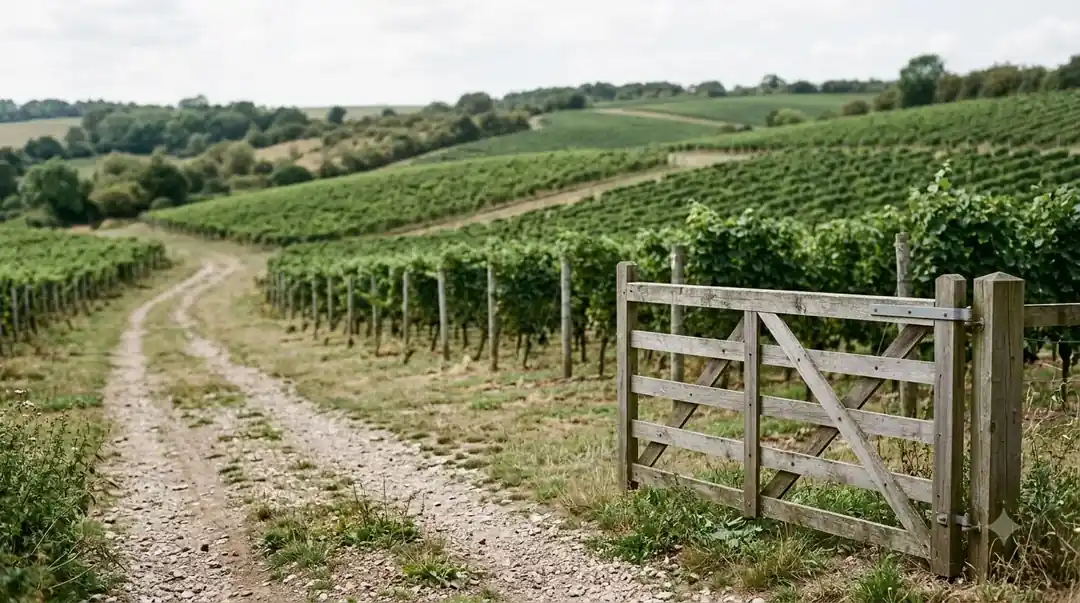
The vineyards extend northeast from Hermanus along the R320, following a valley surrounded by hills and mountain slopes. The route connects the lower valley with the higher Upper Hemel-en-Aarde and Ridge areas. This geographical arrangement is important because elevation, distance from the ocean, and slope orientation influence how grapes develop throughout the growing season.
Hermanus provides a convenient base for exploring the wine country. The town is known for its coastal scenery and whale-watching opportunities, while the surrounding countryside offers vineyard visits, restaurants, and tasting rooms. Visitors can combine a wine-focused itinerary with coastal activities without traveling far between destinations.
The area’s maritime location distinguishes it from warmer inland South African wine districts. The South Atlantic brings cooling influences that moderate vineyard temperatures, particularly during periods when inland areas experience stronger heat. Some vineyard properties are only a short distance from Walker Bay, allowing ocean breezes and coastal weather patterns to influence grape development.
Vineyard elevations vary considerably between the three wards. Lower Valley vineyards commonly occupy elevations between 50 and 100 meters, while Upper Valley vineyards reach approximately 150 to 350 meters. Ridge vineyards occupy still higher ground, generally between 300 and 400 meters above sea level.
The region belongs to the broader Walker Bay district, but its three smaller wine wards have individual identities. These official geographical distinctions are useful when comparing bottles because a wine’s ward designation provides information about where its grapes were grown.
For geographical context, the Wines of South Africa overview of the country’s winegrowing areas explains how Walker Bay fits into the national Wine of Origin system and identifies the region’s principal grape varieties.
The Three Hemel-en-Aarde Wine Wards
The region contains three officially recognized wards, each with distinctive geography and growing conditions. Hemel-en-Aarde Valley is the closest to the coast, Upper Hemel-en-Aarde occupies a higher and more inland position, and Hemel-en-Aarde Ridge has the highest and most varied vineyard terrain.
The development of these appellations followed the recognition that the broader Walker Bay area contained several distinct vineyard environments. Hemel-en-Aarde Valley and Upper Hemel-en-Aarde Valley received official approval in August 2006. Hemel-en-Aarde Ridge followed in June 2009.
All three wards follow the R320 from Hermanus toward Caledon. Their combined geographical extent runs from approximately 1 kilometer beyond the road’s turn-off to 18.2 kilometers farther along the route. This relatively compact arrangement makes the differences between their vineyard conditions especially interesting.
| Wine ward | Geographical position | Typical soil | Wine characteristics |
|---|---|---|---|
| Hemel-en-Aarde Valley | Closest to Hermanus and the ocean | Bokkeveld shale and clay | Structured Chardonnay, mineral character, deeper fruit |
| Upper Hemel-en-Aarde Valley | Higher and farther inland | Decomposed granite and sandstone | Freshness, citrus, herbs, linear structure |
| Hemel-en-Aarde Ridge | Highest and farthest along the R320 | Stony Bokkeveld shale and clay-rich soils | Concentrated fruit, structure, natural acidity |
These descriptions represent broad tendencies rather than strict rules. A vineyard’s precise elevation, aspect, soil depth, farming methods, and winemaking decisions can create considerable variation within each ward. For a more detailed explanation of the area’s appellations and geographical identity, explore the hemel en aarde wine region overview.
Comparing wines from the three wards is one of the most interesting ways to understand the area. A producer working with fruit from multiple locations can demonstrate how the same grape variety responds to different growing conditions.
Climate and Ancient Vineyard Soils
The character of Hemel-en-Aarde wine begins with its maritime climate and complex geology. Cooling ocean influences help retain natural acidity, while differences between Bokkeveld shale, sandstone, and decomposed granite contribute to the texture and structure of individual wines.
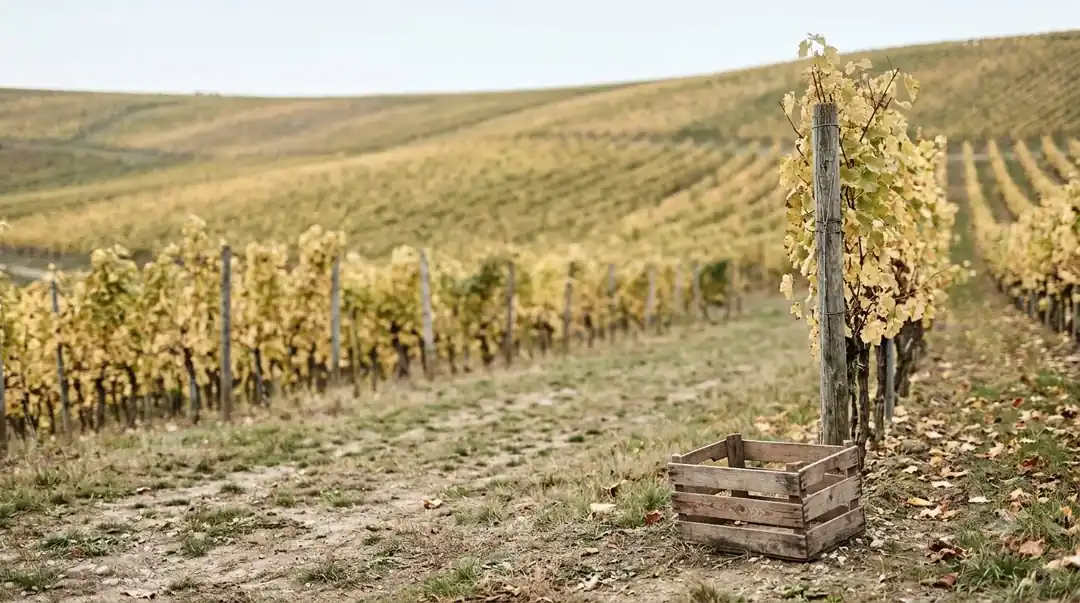
The South Atlantic plays a central role in the area’s growing conditions. The cold Benguela Current and the prevailing summer southeasterly wind help moderate temperatures. These influences can extend the ripening period, allowing grapes to develop flavor while retaining freshness.
Cool nights are particularly important for varieties such as Pinot Noir and Chardonnay. Differences between daytime and nighttime temperatures can help preserve aromatic definition and natural acidity. This combination of ripe fruit and freshness is an important characteristic of many successful wines from the area.
Bokkeveld shale and clay
Bokkeveld shale is an important geological component of Hemel-en-Aarde Valley and Ridge. In the lower valley, shale-derived soils frequently contain substantial clay and iron-rich material. These soils are generally shallow and stony, creating growing conditions that can contribute to structured wines with considerable texture.
According to the regional appellation information, clay content in many lower-valley Bokkeveld shale-derived soils ranges from approximately 25% to 55%. This variation affects soil structure and water retention, creating different conditions even among neighboring vineyard properties.
Clay-rich vineyard soils can retain moisture, an important consideration in a region where seasonal rainfall and soil water availability influence vine development. The lower valley’s predominantly north-facing slopes also receive favorable sunlight exposure, contributing to earlier ripening than in the higher wards.
Ridge vineyards contain their own combinations of shale and clay, often with substantial stones and variations in soil depth. The elevated landscape and different slope orientations create a wider range of site conditions than a simple description of the ward might suggest.
Decomposed granite and Table Mountain sandstone
Upper Hemel-en-Aarde is especially associated with decomposed granite. According to Decanter’s regional analysis, granite represents approximately 76% of the area’s soil composition, while Table Mountain sandstone accounts for another 8%.
These lighter soils contrast with the heavier clay-rich conditions found in much of the lower valley. They are associated with wines that can emphasize tension, freshness, citrus character, and mineral impressions rather than sheer weight.
The area’s geological history is remarkably old. Regional formations include sediments associated with the ancient Agulhas Sea, followed by the development of Malmesbury shale, Table Mountain sandstone, and Bokkeveld shale. These formations were subsequently influenced by the geological forces that created the Cape Fold Mountains.
The combination of ancient bedrock, changing elevation, and maritime weather makes Hemel-en-Aarde particularly interesting for site-specific viticulture. Producers increasingly pay attention to soil management and vineyard health rather than relying exclusively on cellar techniques to shape wine style.
Pinot Noir and Chardonnay: The Signature Grapes
Pinot Noir and Chardonnay define the identity of Hemel-en-Aarde vineyards. Both varieties respond well to the region’s cool conditions, and their wines can communicate differences in elevation, soil, and vineyard exposure particularly clearly.
The Hemel-en-Aarde wine association identifies more than 20 producers in the area and emphasizes the importance of Pinot Noir and Chardonnay in its vineyard plantings. This focus gives the region a distinctive identity within South Africa, where many other districts are more strongly associated with varieties such as Cabernet Sauvignon, Chenin Blanc, and Pinotage.
Pinot Noir and Chardonnay are particularly useful for comparative tasting because both can reveal differences in vineyard location without requiring dramatically different winemaking approaches. A wine from the lower valley may have a different texture from one grown in the Upper Valley, even when the same grape variety is involved.
Pinot Noir
Pinot Noir is a thin-skinned red grape that can be sensitive to excessive heat. Its preference for moderate temperatures makes Hemel-en-Aarde an appealing growing environment. The wines often emphasize red fruit, fresh acidity, delicate spice, and a balance between fruit expression and earthy complexity.
Typical aromas include cherry, raspberry, strawberry, cranberry, and subtle forest-floor notes. Depending on the producer and vineyard site, additional characteristics may include savory herbs, floral impressions, spice, or mineral suggestions.
Pinot Noir generally has low-to-medium tannin and high acidity. That combination makes it a flexible food wine, particularly alongside roasted poultry, duck, salmon, mushroom dishes, and pork. Its relatively restrained tannin also makes it suitable for dishes where a heavily structured Cabernet Sauvignon might feel excessive.
Chardonnay
Chardonnay is equally important to the area’s reputation. Hemel-en-Aarde examples are frequently recognized for freshness, mineral character, and texture rather than excessive richness. The region’s maritime influence helps preserve acidity, while individual vineyard soils contribute differences in weight and structure.
Typical flavor profiles can include lemon, lime, green apple, pear, white peach, and subtle citrus zest. Some wines also show hazelnut, toast, cream, or restrained spice, depending on fermentation, oak treatment, and maturation.
Chardonnay from the lower valley may offer a fuller texture and more pronounced stone-fruit character. Upper Valley examples can lean toward citrus, salinity, and a tighter structure. Ridge wines may combine concentration with freshness.
Oak use varies between producers. Some prefer fermentation or maturation in barrels to add texture and complexity, while others emphasize fruit purity and mineral definition through more restrained oak treatment.
For a broader introduction to the grape varieties and regional wine styles, the hemel en aarde wine guide provides useful additional context.
Other Grape Varieties and Notable Wine Styles
Although Pinot Noir and Chardonnay dominate the region’s reputation, Hemel-en-Aarde produces several other interesting varieties. Sauvignon Blanc, Syrah, Cabernet Sauvignon, Pinotage, Viognier, and other grapes provide additional expressions of the local climate and soils.
Sauvignon Blanc is particularly suited to cool growing conditions because it naturally retains high acidity. Hemel-en-Aarde examples can emphasize citrus, green fruit, fresh herbs, and lively mineral character. They offer a different interpretation from warmer South African Sauvignon Blanc styles.
Syrah is another important alternative. Depending on the site and producer, it can show dark berries, pepper, savory herbs, and a more substantial structure. The cooler environment can help maintain freshness while allowing sufficient flavor development.
Several producers have developed individual identities through varieties beyond the region’s two principal grapes. Examples include Restless River’s Cabernet Sauvignon, Ashbourne’s Pinotage, Southern Right’s Sauvignon Blanc, and Newton Johnson’s Albariño.
These wines demonstrate that Hemel-en-Aarde is not limited to a single formula. Its vineyard conditions can support a broader range of grapes, although the region’s strongest international recognition remains associated with Pinot Noir and Chardonnay.
Why producer style matters
Two wines made from the same grape and ward can differ considerably. Harvest timing, whole-bunch fermentation, extraction, fermentation vessels, oak maturation, and aging decisions all influence the final result.
Some Pinot Noir producers favor delicate fruit and fine tannins, while others make more structured wines with greater concentration. Chardonnay can range from restrained and mineral to broader and more textured, depending on fruit maturity and cellar practices.
This diversity makes it useful to approach the region by producer as well as by appellation. A tasting that compares several producers from the same ward can reveal differences in winemaking philosophy, while a single producer’s wines from different wards can highlight terroir.
Notable Wineries and Vineyard Producers
Hemel-en-Aarde is home to more than 20 wine producers, many of which are relatively small family-run operations. Several established wineries have helped build the region’s reputation through their focus on site-specific wines and careful vineyard management.
Hamilton Russell Vineyards
Hamilton Russell Vineyards is central to the modern history of Hemel-en-Aarde. Tim Hamilton Russell purchased 170 hectares of property in the area in 1975, helping establish the foundation for the region’s modern quality-focused wine industry. The estate produced its first wines in 1981.
Today, the winery is particularly associated with Pinot Noir and Chardonnay. Its position in Hemel-en-Aarde Valley makes it an important reference point for understanding the region’s original winegrowing area and the influence of its coastal location.
Bouchard Finlayson
Bouchard Finlayson is another prominent name in the lower valley. Its wines include Chardonnay and Pinot Noir, with Galpin Peak Pinot Noir among its recognized bottlings.
The winery’s history connects Burgundian wine influences with the distinctive conditions of the Western Cape. Its location in the lower valley makes it relevant when exploring the more ocean-influenced side of the appellation.
Newton Johnson Family Vineyards
Newton Johnson is associated with Upper Hemel-en-Aarde. The producer has developed a reputation for Chardonnay and Pinot Noir while also working with varieties such as Syrah and Albariño.
Its location provides an opportunity to explore the lighter soils and higher-elevation conditions associated with the Upper Valley. The winery’s range also demonstrates the area’s ability to produce more than its two signature varieties.
Creation Wines
Creation Wines is particularly associated with Hemel-en-Aarde Ridge. Its portfolio includes Pinot Noir and Chardonnay, alongside other varieties that demonstrate the diversity of the surrounding vineyards.
The winery’s elevated location highlights the importance of cool nights and slow ripening. Its wines are often discussed in connection with freshness, elegance, and the expression of individual vineyard sites.
Ataraxia and Storm Wines
Ataraxia is another recognized producer in Hemel-en-Aarde Ridge, with a strong emphasis on cool-climate wines and site expression. Its location makes it a useful reference when exploring the higher and more elevated part of the region.
Storm Wines is especially interesting because it produces Pinot Noir from different Hemel-en-Aarde vineyard sites. Its approach emphasizes small production, careful viticulture, and minimal intervention in the cellar.
Comparing wines from these producers offers a practical way to understand the influence of geography. Rather than assuming that every Pinot Noir from the region tastes the same, drinkers can observe how differences in soil and elevation influence the finished wine.
How to Taste, Serve, and Pair Hemel-en-Aarde Wines
The best way to appreciate Hemel-en-Aarde is to taste its wines at appropriate temperatures and compare their structures alongside suitable food. Pinot Noir benefits from slightly cool service, while Chardonnay generally shows its balance best when served cool but not excessively cold.
For Pinot Noir, aim for approximately 55–60 degrees Fahrenheit. This temperature helps preserve aromatic freshness while allowing the wine’s texture and fruit character to emerge. Serving it too warm can make alcohol more noticeable and reduce the impression of freshness.
Chardonnay is generally best served at 50–55 degrees Fahrenheit when it has a fuller texture. Lighter, unoaked examples can be served slightly cooler, around 45–50 degrees Fahrenheit, particularly in warm weather.
Food pairings for Pinot Noir
Hemel-en-Aarde Pinot Noir works particularly well with roasted chicken, duck breast, grilled salmon, pork tenderloin, and mushroom-based dishes. Its moderate structure and fresh acidity help balance savory flavors without overwhelming delicate ingredients.
For a simple pairing, serve Pinot Noir with roast chicken, rosemary potatoes, and sautéed mushrooms. The earthy flavors complement the wine’s savory character, while the moderate fat in the dish softens its tannins.
Salmon can also be a successful match, particularly when grilled or roasted with herbs. Pinot Noir generally has lower tannin than Cabernet Sauvignon or Syrah, making it a more suitable red wine partner for oily fish.
Food pairings for Chardonnay
Chardonnay pairs well with grilled fish, roast chicken, seafood pasta, scallops, creamy vegetable dishes, and mild cheeses. Its acidity provides freshness alongside richer foods, while its texture complements dishes prepared with butter or cream.
Try a mineral-driven Chardonnay with grilled sea bass, lemon, and fresh herbs. A fuller-bodied example can work particularly well with roast chicken or pasta with a light cream sauce.
For a detailed tasting itinerary and practical advice on exploring the region’s wineries, see the hemel en aarde wine tasting guide.
Tip: When comparing Hemel-en-Aarde wines, taste Pinot Noir or Chardonnay from two different wards side by side. Keep the grape variety consistent so that differences in acidity, fruit, texture, and structure are easier to recognize.
How to organize a comparative tasting
A useful tasting can include three wines from the same grape variety, with one bottle representing each ward. Start with the lower valley, move to Upper Hemel-en-Aarde, and finish with Ridge. This sequence provides a geographical framework for considering the differences between the vineyards.
Pay attention to five characteristics: acidity, fruit concentration, body, tannin, and finish. For Chardonnay, consider whether the wine emphasizes citrus, stone fruit, mineral notes, or creamy texture. For Pinot Noir, look for differences between red fruit, darker berries, floral aromas, and savory complexity.
Pour approximately 5 ounces per glass and allow a little time for the wines to develop in the glass. A standard 750-milliliter bottle provides approximately five such servings, making it practical to compare several wines with a small group.
There is no need to decant every bottle. Young, structured red wines can benefit from approximately 30–60 minutes of aeration, but delicate Pinot Noir may be better served with a gentler approach. Chardonnay generally does not require decanting, although allowing it to warm slightly in the glass can reveal additional aromas.
Frequently Asked Questions
What does Hemel-en-Aarde mean in Afrikaans?
Hemel-en-Aarde translates as “Heaven and Earth.” The name reflects the area’s striking landscape, where mountain slopes, valleys, and expansive skies create a distinctive setting near Hermanus. It is also the name associated with the area’s three wine wards.
Is Hemel-en-Aarde part of Stellenbosch?
No. Hemel-en-Aarde belongs to the Walker Bay district in the Cape South Coast winegrowing region of the Western Cape. Stellenbosch is a separate South African wine district with different geographical and climatic conditions.
When is the grape harvest in Hemel-en-Aarde?
Harvest generally takes place during the Southern Hemisphere’s late summer and early autumn, commonly between February and April. Exact timing depends on the grape variety, seasonal weather, vineyard elevation, and the ripeness targets of individual producers.
Can visitors drive between the three wine wards?
Yes. The three wards can be explored along the R320 northeast of Hermanus. The road provides access to the lower valley and continues toward the Upper Valley and Ridge, making a comparative winery itinerary possible without changing accommodation locations.
How much rainfall does Hemel-en-Aarde receive annually?
The regional wine association reports average annual rainfall of approximately 750 millimeters. Actual rainfall varies by location and season, and vineyard water availability also depends on soil composition, drainage, slope, and farming practices.
Hemel-en-Aarde is one of South Africa’s most distinctive cool-climate wine regions, with three wards that offer different expressions of Pinot Noir and Chardonnay. Understanding its maritime climate, ancient soils, and leading producers makes it easier to appreciate the individuality of its wines. Whether exploring the vineyards near Hermanus or comparing bottles at home, the region offers a rewarding introduction to the diversity of South African wine.
More in Wine Regions
 Willcox Wine Trail: Discover Arizona’s High-Elevation Wine CountryUpdated Nov 20, 2026
 Yakima Valley Wine Region: Find the Best Styles to TryUpdated Nov 20, 2026
 Vosne Romanee Wine Tasting: Identify Aromas and Choose Better PairingsUpdated Nov 20, 2026
 Yakima Valley Wine Festival: Find the Best Seasonal Wine EventsUpdated Nov 20, 2026
 Wales Vineyards: Discover Cool-Climate Wines and Where to VisitUpdated Nov 20, 2026
 Yountville Wine Festival: Discover Napa Wines and Local FoodUpdated Nov 20, 2026