

We may earn a commission when you buy through links on this page, at no extra cost to you. Learn more.
The hemel en aarde wine region is a cool-climate wine-producing area in South Africa’s Western Cape, renowned for elegant Pinot Noir, expressive Chardonnay, and three distinctive wine wards near Hermanus. Located within the Walker Bay district, it benefits from cooling Atlantic Ocean influences, varied elevations, and ancient geological formations. Its three appellations, Hemel-en-Aarde Valley, Upper Hemel-en-Aarde Valley, and Hemel-en-Aarde Ridge, each produce wines with recognizable differences in structure, texture, and flavor.
South Africa is famous for its diverse wine landscapes, from the established vineyards of Stellenbosch to the coastal growing areas of the Cape South Coast. Hemel-en-Aarde has developed a particularly strong reputation among wine enthusiasts interested in refined, cool-climate wines. Understanding its geography, grape varieties, and individual wards makes it easier to appreciate why bottles from this relatively small area have attracted international attention.
Location, Meaning, And Wine History
Hemel-en-Aarde combines a distinctive South African coastal setting with a relatively young modern winemaking history. Its location near Hermanus and its position overlooking Walker Bay explain much of its cool-climate identity.

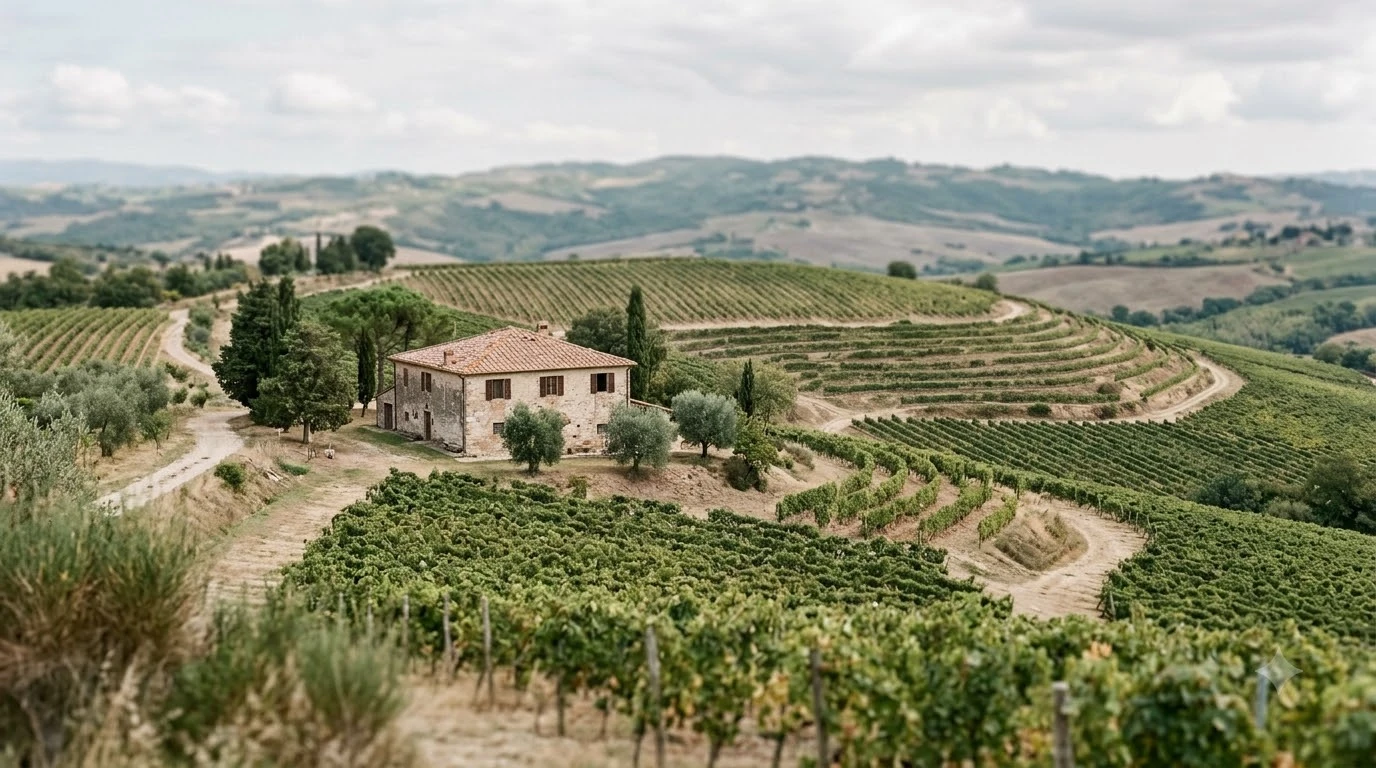
The name Hemel-en-Aarde translates to Heaven and Earth in Afrikaans and old Dutch. The landscape helps explain the expression: hills surround the valley, creating a dramatic setting of mountain slopes, vineyards, and distant ocean views. The regional wine community traces the name’s memorable description to a visiting Moravian missionary, Brother Schmidt, who commented on the surrounding hills in 1899.
The region sits within the Walker Bay district of the Western Cape, approximately 50 miles southeast of Cape Town. Hermanus is the principal nearby town, and the vineyards extend inland from the coastal environment along the R320. The area’s position near the South Atlantic gives it a maritime influence that distinguishes it from many warmer South African wine districts.
Modern quality-focused viticulture began taking shape in 1975, when Tim Hamilton Russell acquired land and established Hamilton Russell Vineyards. The estate’s first wines followed in 1981, with Peter Finlayson as winemaker. Initially, several grape varieties were planted, but Pinot Noir and Chardonnay soon emerged as particularly promising choices for the local conditions.
Walker Bay was officially recognized as a wine ward in 1981 before being reclassified as a district in May 2004. This change allowed the distinctive growing areas around Hemel-en-Aarde to receive more specific geographic recognition. Hemel-en-Aarde Valley and Upper Hemel-en-Aarde Valley became official wards in August 2006, followed by Hemel-en-Aarde Ridge in June 2009.
The resulting three-ward structure gives wine drinkers a useful framework for understanding the region. Rather than treating every bottle as having the same character, consumers can compare individual appellations and consider how distance from the ocean, soil composition, elevation, and vineyard orientation influence the finished wine. The regional organization, Hemel-en-Aarde Wines, provides an introduction to these appellations and their shared identity.
Climate, Ocean Influence, And Vineyard Conditions
The region’s cool maritime climate is central to its wine identity. Ocean breezes, relatively cool growing conditions, and differences in vineyard elevation help preserve natural acidity while allowing grapes to develop flavor and structure.
Hemel-en-Aarde lies close to the South Atlantic Ocean, with some vineyards particularly near Walker Bay. The cold Benguela Current influences the broader southwestern South African coastline, helping maintain relatively cool maritime conditions. During the growing season, ocean breezes moderate vineyard temperatures and can slow grape development compared with warmer inland locations.
This extended ripening process is particularly valuable for Pinot Noir and Chardonnay. Both varieties can lose freshness or develop overly ripe characteristics in excessively warm conditions. In Hemel-en-Aarde, cooler temperatures can help grapes retain acidity while developing ripe fruit flavors and sufficient physiological maturity.
Elevation introduces another important variable. Many vineyards throughout the broader region occupy sites between approximately 650 and 1,300 feet above sea level. Higher sites can experience cooler temperatures, different wind exposure, and slower ripening patterns than lower valley vineyards.
Sea breezes and morning mist also influence vineyard conditions. Temperature differences between the land and ocean can create fog that moves inland, temporarily lowering temperatures and extending the growing season. These conditions are not identical across every property, which is why individual vineyard locations matter as much as the general regional classification.
The region also experiences seasonal variation. Winter rainfall, spring growth, summer wind, and the timing of harvest can all influence the character of a particular vintage. Growers must balance canopy development, fruit exposure, disease management, and harvest decisions to preserve the freshness that defines the area’s wines.
For wine enthusiasts, the practical result is a regional style that often emphasizes freshness rather than sheer ripeness. Pinot Noir can show red fruit, savory detail, and lively acidity, while Chardonnay frequently combines citrus or stone fruit with texture and restrained oak influence.
The Three Hemel-en-Aarde Wine Wards
The three official wards share a cool maritime setting but differ in soil, elevation, ocean proximity, and vineyard exposure. Comparing them side by side is one of the most useful ways to understand the region’s wines.
Hemel-en-Aarde Valley is the first ward encountered when traveling northeast from Hermanus along the R320. It is the closest to Walker Bay, with some vineyards approximately 2 kilometers from the ocean. Many vineyard sites sit between 50 and 100 meters above sea level.
Upper Hemel-en-Aarde Valley lies farther inland and is generally higher. Its vineyards occupy elevations of approximately 150 to 350 meters, and its soils contain substantial decomposed granite alongside Table Mountain sandstone. The additional elevation and distance from the ocean contribute to differences in ripening and wine structure.
Hemel-en-Aarde Ridge is the highest and smallest of the three wards. Vineyard elevations generally range from 300 to 400 meters. Its amphitheater-like landscape provides varied slope orientations, while Bokkeveld shale and clay-rich, stony soils contribute to the area’s distinctive growing conditions.
| Wine ward | Typical elevation | Key soil characteristics | General wine character |
|---|---|---|---|
| Hemel-en-Aarde Valley | 50–100 meters | Bokkeveld shale, iron-rich clay | Structured, textured, mineral-driven |
| Upper Hemel-en-Aarde Valley | 150–350 meters | Decomposed granite, sandstone | Fresh, linear, citrus-oriented |
| Hemel-en-Aarde Ridge | 300–400 meters | Bokkeveld shale, stony clay-rich soils | Concentrated, structured, naturally fresh |
The differences are particularly interesting in Chardonnay. Lower Valley examples can have greater palate weight and a firm mineral impression. Upper Valley wines frequently emphasize citrus, lime, tension, and saline characteristics. Ridge Chardonnay can combine concentrated fruit with freshness and structure, although individual producers and vineyard sites create considerable stylistic variation.
Pinot Noir also responds to these differences. Soil depth, exposure, ripening conditions, and fruit selection can influence the balance between red fruit, darker fruit, acidity, and earthy or savory characteristics. A comparison of wines from all three wards provides a clearer understanding of the region than concentrating on a single appellation.
Principal Grapes And Regional Wine Styles
Pinot Noir and Chardonnay form the foundation of Hemel-en-Aarde’s international reputation. Sauvignon Blanc is another important variety, while smaller plantings and individual producer specialties add diversity to the region’s wine portfolio.
Pinot Noir
Pinot Noir is arguably the region’s signature red grape. Its relatively thin skins and sensitivity to excessive heat make cool-climate vineyard conditions especially valuable. Hemel-en-Aarde provides a suitable environment for developing aromatic complexity while maintaining the acidity that gives Pinot Noir its freshness.
Typical examples can show red cherry, raspberry, strawberry, and cranberry, with additional notes of forest floor, dried herbs, spice, and earthy complexity. Some wines emphasize delicate red fruit, while others have darker fruit, more pronounced structure, and a firmer mineral impression.
Pinot Noir generally has low-to-medium tannin and high acidity. This makes it particularly useful at the dinner table because it can complement many dishes without overwhelming their flavors. Oak treatment and extraction vary by producer, so not every bottle will have the same body or texture.
Chardonnay
Chardonnay is equally important to the regional identity. The cool growing conditions encourage fresh acidity, while vineyard soils and winemaking decisions influence whether a wine feels lean and mineral or broader and more textured.
Common flavor characteristics include lemon, lime, green apple, pear, white peach, and subtle stone fruit. Depending on the producer, additional aromas can include toasted nuts, vanilla, brioche, and gentle spice from oak maturation.
Some producers use barrel fermentation or aging to develop texture and complexity, while others favor more restrained oak influence. The best way to understand the range is to compare examples from different wards and producers rather than assuming every Chardonnay has a similar profile.
Other Grape Varieties
Sauvignon Blanc is another notable variety, generally offering crisp acidity and citrus, herbal, and green-fruit characteristics. It provides a refreshing contrast to the region’s more structured Chardonnay styles.
Other varieties include Cabernet Sauvignon, Merlot, Syrah, Pinotage, Viognier, and Albariño. Producer specialties help make the region more diverse without changing its principal focus on Pinot Noir and Chardonnay. Restless River is associated with Cabernet Sauvignon, Ashbourne with Pinotage, Southern Right with Sauvignon Blanc, and Newton Johnson with Albariño.
For a broader understanding of how these varieties fit into the country’s wine landscape, the Wine Regions section offers useful geographic context.
Notable Wineries And Vineyard Producers
Hemel-en-Aarde is home to more than 20 wine producers, many of which are small, family-operated estates. Several pioneering wineries helped establish the region’s reputation, while newer producers continue exploring the differences between individual vineyards and appellations.
Hamilton Russell Vineyards
Hamilton Russell Vineyards is closely associated with the modern development of the region. Founded by Tim Hamilton Russell in 1975, the estate helped demonstrate the potential of the area for premium Pinot Noir and Chardonnay.
The winery focuses on these two varieties, emphasizing vineyard expression, restrained winemaking, and wines with structure and aging potential. Its historical importance makes it an excellent starting point for anyone studying Hemel-en-Aarde.
Bouchard Finlayson
Bouchard Finlayson is another important producer in the lower valley. Its wines demonstrate the potential of the coastal vineyards for Pinot Noir and Chardonnay, with an emphasis on freshness, texture, and regional character.
The winery is particularly useful when comparing the character of the lower valley with wines from higher inland sites.
Newton Johnson Family Vineyards
Newton Johnson is associated with Upper Hemel-en-Aarde and its cooler, higher-elevation vineyard environment. The producer is known for Pinot Noir and Chardonnay, alongside other varieties that illustrate the broader area’s versatility.
The winery’s location makes its wines useful examples when exploring the influence of granite soils, elevation, and distance from the ocean.
Ataraxia And Creation Wines
Ataraxia is associated with Hemel-en-Aarde Ridge and its varied vineyard exposures. Its location helps demonstrate how differences in aspect and elevation can influence wine character within a relatively small geographic area.
Creation Wines is another recognized Ridge producer, with a focus on site expression and the region’s leading grape varieties. Its range provides opportunities to compare different expressions of Pinot Noir and Chardonnay.
Storm Wines And Restless River
Storm Wines has developed a strong identity through its focus on site-specific Pinot Noir and Chardonnay. Its work across the region’s different growing environments highlights the importance of individual vineyard conditions.
Restless River is associated with Upper Hemel-en-Aarde and is particularly recognized for its Chardonnay and Cabernet Sauvignon. Its wines illustrate how the region can support varieties beyond its two principal grapes.
Exploring the different Hemel-en-Aarde vineyards is an effective way to understand how producer decisions and vineyard location combine to shape the wines.
Food Pairing And Serving Hemel-en-Aarde Wines
The region’s naturally fresh wines work particularly well with dishes that emphasize clean flavors, moderate richness, and fresh ingredients. Pinot Noir and Chardonnay offer different pairing opportunities, making them useful choices for a varied dinner menu.
Pairing Pinot Noir With Food
Hemel-en-Aarde Pinot Noir is a natural partner for roasted chicken, duck, grilled pork, and mushroom dishes. Its moderate body, relatively low tannin, and lively acidity complement savory flavors without overpowering delicate ingredients.
For a simple pairing, serve Pinot Noir with roast chicken, sautéed mushrooms, and herbs. The earthy character of the mushrooms complements the wine’s savory notes, while the acidity provides freshness alongside the meat.
Salmon can also work with lighter Pinot Noir, particularly when prepared with mushrooms, herbs, or roasted vegetables. However, heavily tannic reds are generally less suitable for oily fish.
Pairing Chardonnay With Food
Chardonnay offers considerable flexibility because its texture and oak influence can vary. Fresh, unoaked examples pair well with shellfish, grilled fish, oysters, and light seafood dishes.
More textured or barrel-aged Chardonnay can complement roast chicken, creamy pasta, lobster, and dishes containing butter-based sauces. Its acidity helps balance the richness of these foods.
For an especially straightforward combination, pair a textured Hemel-en-Aarde Chardonnay with roast chicken and lemon-herb sauce. The wine’s citrus character complements the seasoning, while its body stands up to the dish’s richness.
Serving Temperature And Storage
Temperature has a significant effect on aroma, acidity, and perceived structure. Serving Pinot Noir slightly cool helps preserve its freshness and aromatic detail, while Chardonnay benefits from a temperature that allows its texture and complexity to emerge.
| Wine style | Recommended serving temperature | Suggested pairing |
|---|---|---|
| Pinot Noir | 55–60°F | Roast chicken, duck, mushrooms |
| Fresh Chardonnay | 45–50°F | Oysters, shellfish, grilled fish |
| Fuller-bodied Chardonnay | 50–55°F | Creamy pasta, roast chicken, lobster |
| Sauvignon Blanc | 45–50°F | Goat cheese, seafood, salads |
Standard wine servings are approximately 5 ounces, with a 750 ml bottle providing about five glasses. Opened still wines generally keep for three to five days in the refrigerator when properly resealed, although freshness gradually declines.
Tip: If a Hemel-en-Aarde Pinot Noir has been stored at room temperature, place it in the refrigerator briefly before serving. Aim for 55–60°F rather than serving it warm. For Chardonnay, avoid serving straight from an especially cold refrigerator because excessive chilling can hide its aromas and texture.
For longer-term storage, keep bottles away from direct sunlight and major temperature fluctuations. Bottles with natural corks are best stored horizontally in a cool environment near 55°F. These conditions help preserve the wine’s quality as it develops in the bottle.
Visitors interested in exploring the area can also arrange Hemel-en-Aarde wine tasting experiences. Comparing Pinot Noir and Chardonnay from different wards during the same visit is particularly informative because the differences in acidity, texture, and fruit character become easier to recognize.
Frequently Asked Questions
Is Hemel-en-Aarde part of Stellenbosch?
No. Hemel-en-Aarde belongs to the Walker Bay district within the Cape South Coast wine region of the Western Cape. Stellenbosch is a separate wine district farther northwest. The two areas have different geographic settings and climate influences.
Is Hemel-en-Aarde considered part of the Overberg?
Yes. Hemel-en-Aarde is geographically associated with the broader Overberg area of the Western Cape. Walker Bay and Hermanus are important geographic references for understanding its position within this larger landscape.
What language is spoken in the name Hemel-en-Aarde?
The name comes from Afrikaans and older Dutch linguistic roots. Both components have recognizable meanings: hemel refers to heaven, while aarde means earth. The name therefore translates as Heaven and Earth.
Can Hemel-en-Aarde wines age in the bottle?
Yes. Well-made examples of Pinot Noir and Chardonnay can develop additional complexity with bottle age. The exact aging potential depends on the producer, vintage, grape maturity, acidity, structure, and storage conditions. Some wines are intended for earlier drinking, while more concentrated examples can reward several years of cellaring.
Does Hemel-en-Aarde produce sparkling wine?
Yes. Although Pinot Noir and Chardonnay dominate the region’s reputation for still wine, sparkling wine is also produced. South African traditional-method sparkling wines are known as Méthode Cap Classique, or MCC, and use a second fermentation in the bottle to develop their bubbles.
Hemel-en-Aarde offers a distinctive expression of South African winemaking, combining maritime freshness, varied geological formations, and a strong focus on Pinot Noir and Chardonnay. Exploring its three wards and comparing wines from different producers reveals why this small coastal region has earned such a respected place among the world’s cool-climate wine destinations.
More in Wine Regions
 Willcox Wine Trail: Discover Arizona’s High-Elevation Wine CountryUpdated Nov 20, 2026
 Yakima Valley Wine Region: Find the Best Styles to TryUpdated Nov 20, 2026
 Vosne Romanee Wine Tasting: Identify Aromas and Choose Better PairingsUpdated Nov 20, 2026
 Yakima Valley Wine Festival: Find the Best Seasonal Wine EventsUpdated Nov 20, 2026
 Wales Vineyards: Discover Cool-Climate Wines and Where to VisitUpdated Nov 20, 2026
 Yountville Wine Festival: Discover Napa Wines and Local FoodUpdated Nov 20, 2026