

We may earn a commission when you buy through links on this page, at no extra cost to you. Learn more.
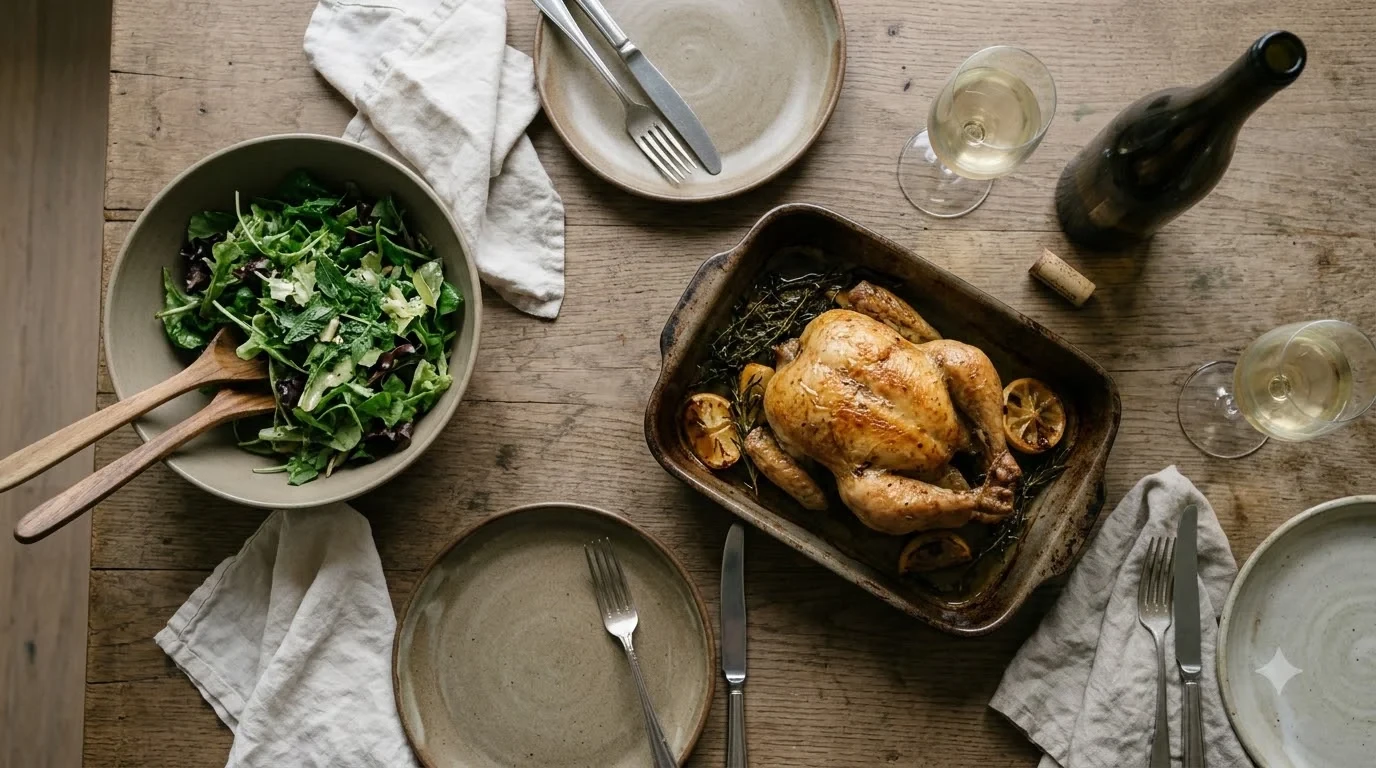
Pinot noir with roast chicken is an excellent food and wine pairing because the wine’s bright acidity, gentle tannins, and red-fruit flavors complement the chicken’s savory meat and crispy skin without overpowering them. A lightly chilled Pinot Noir from Burgundy, Oregon, or California works particularly well with a simply roasted bird seasoned with rosemary, thyme, garlic, and black pepper. The best bottle depends on the chicken’s seasoning, the richness of its pan juices, and the side dishes served alongside it.
Roast chicken is one of the most versatile dishes for red wine because its flavor is savory but relatively delicate. The skin develops richness and caramelized flavors in the oven, while the breast and thigh meat offer different levels of fat and intensity. Pinot Noir has enough acidity and fruit to complement both without the heavy tannins or powerful structure associated with bigger reds. Whether you’re preparing a traditional Sunday roast, a lemon-and-herb chicken dinner, or a mushroom-filled chicken with gravy, choosing the right Pinot Noir can make the entire meal more harmonious.
Why Pinot Noir Works So Well With Roast Chicken
Pinot Noir matches roast chicken because its moderate body, bright acidity, and relatively low tannin complement the bird’s mild flavor and rich roasted skin. Its red-fruit and earthy characteristics also connect naturally with the herbs, browned juices, and vegetables commonly served with poultry.
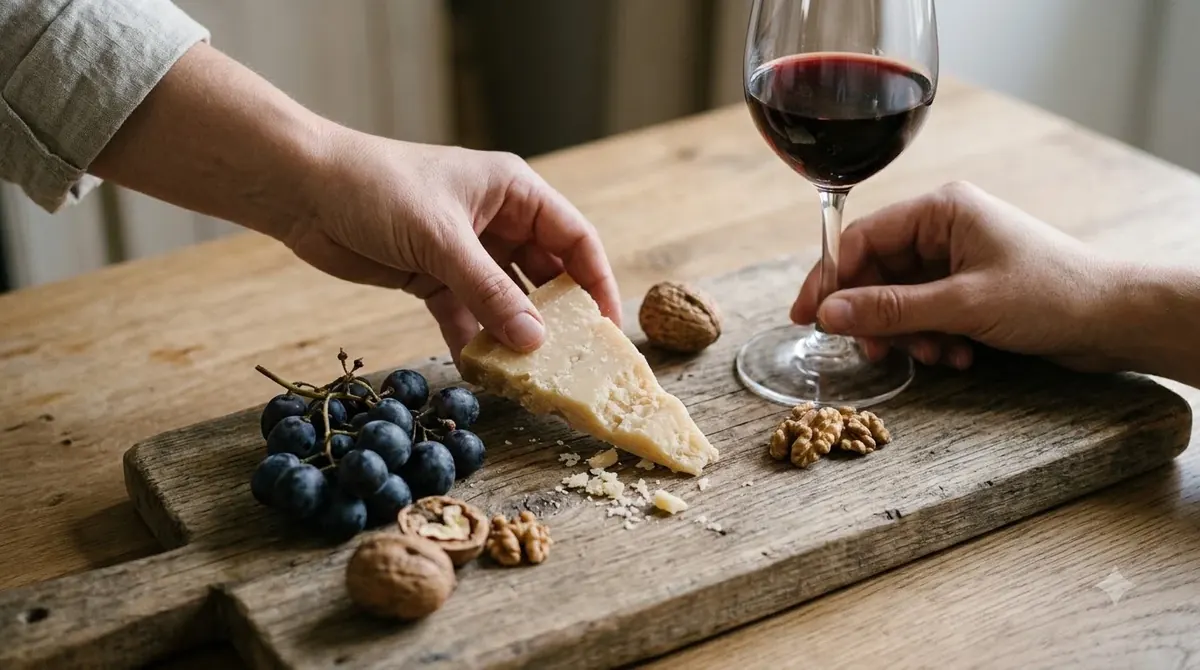
Chicken has a relatively delicate flavor compared with beef, lamb, or heavily seasoned game. A powerful Cabernet Sauvignon can overwhelm its subtle savory qualities, while Pinot Noir offers a gentler structure. Its cherry, raspberry, and cranberry flavors provide contrast without making the chicken taste bland or the wine seem excessively heavy.
Acidity is another important part of the pairing. During roasting, chicken skin releases fat that contributes a rich, satisfying texture. Pinot Noir’s natural acidity refreshes the palate between bites, making the next mouthful of crispy skin, tender breast meat, or buttery pan juices taste balanced rather than greasy.
Tannin also matters. Pinot Noir generally has low to medium tannin, which creates less drying sensation than the firmer structure of Cabernet Sauvignon or many young Syrah wines. That softer texture is useful with lean white meat because there is not always enough fat or protein richness to balance an aggressive red wine.
The wine’s earthy characteristics provide another connection. Cooler-climate Pinot Noir can develop aromas of mushrooms, forest floor, dried herbs, and savory spices. These flavors complement the browned exterior of roasted poultry and ingredients such as thyme, rosemary, onions, and roasted mushrooms.
Wine Enthusiast specifically identifies roast chicken and vegetables as a favorite Pinot Noir pairing. The recommendation makes sense because the wine can complement several elements of a complete dinner instead of matching only the main protein.
For a traditional roast, start with a dry Pinot Noir that has noticeable acidity, moderate alcohol, and restrained oak. A wine that tastes primarily of fresh cherries and raspberries will usually be more versatile at the dinner table than an unusually concentrated, heavily oaked example.
Choosing Pinot Noir From Burgundy, Oregon, or California
The best regional style depends on how rich the roast chicken is and whether its seasoning emphasizes herbs, mushrooms, butter, or roasted fruit. Burgundy generally offers an elegant, savory expression, Oregon often balances red fruit with freshness, and California frequently provides a fuller, fruitier profile.
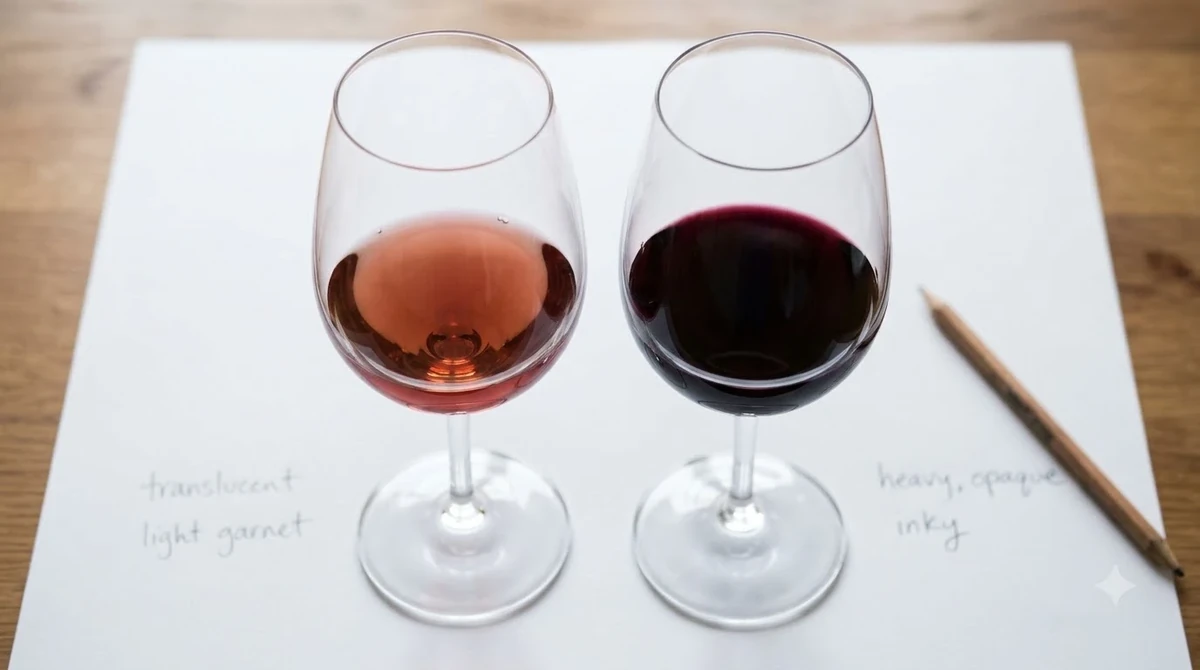
Burgundy, France: Red Burgundy is made from Pinot Noir and offers a classic choice for traditional roast chicken. Cooler growing conditions can produce wines with fresh acidity, delicate red fruit, and earthy aromas. Look for examples with cherry, cranberry, subtle floral notes, and restrained oak. These characteristics work especially well with a simply seasoned bird, roasted root vegetables, and a light pan sauce.
Willamette Valley, Oregon: Oregon Pinot Noir is another excellent option. The region’s cool nights and extended growing season help preserve acidity while allowing flavors to develop. Depending on the producer and growing site, the wine may show raspberry, cherry, forest-floor notes, and savory herbal characteristics. These wines are particularly useful with rosemary chicken, mushroom stuffing, and roasted carrots.
California: Pinot Noir from California can offer more concentrated fruit, with cherry, raspberry, plum, and sometimes cola spice. A balanced example from a cooler coastal growing area is a strong match for garlic-butter chicken, caramelized onions, or a bird with a generous amount of pan juices. Fuller examples can also suit roasted chicken thighs better than a very delicate Burgundy.
New Zealand: Pinot Noir from regions such as Central Otago and Marlborough can provide another attractive direction. Depending on the producer and site, expect combinations of fresh red fruit, darker cherry, spice, and lively acidity. These styles can work particularly well with chicken seasoned with black pepper, thyme, or roasted garlic.
When choosing among these regions, consider the intensity of the finished dish rather than assuming that one country always produces the best pairing. A delicate Burgundy can be excellent with a simple herb-roasted chicken, while a fruitier California Pinot Noir may feel more appropriate with caramelized skin, buttery juices, and richer accompaniments.
For additional background on regional differences, the Wine Enthusiast guide to Pinot Noir explains how growing conditions influence acidity, fruit character, body, and aroma.
Matching Pinot Noir to Chicken Seasonings and Cooking Styles
Seasoning often determines whether a Pinot Noir pairing feels especially successful or merely acceptable. Rosemary, thyme, sage, garlic, mushrooms, and black pepper complement the wine, while intense chili heat, strongly sweet glazes, and overpowering sauces can make the match more difficult.
Rosemary and thyme roast chicken
Classic herb-roasted chicken is one of the safest combinations. Rosemary and thyme have savory, slightly woody aromas that complement the herbal and earthy side of Pinot Noir. The wine’s cherry and raspberry flavors also provide a pleasant contrast to the golden, browned skin.
For this preparation, choose an elegant Burgundy Pinot Noir or a medium-bodied Oregon example. Avoid a wine with excessive oak or very high alcohol because the goal is to complement the herbs rather than introduce another dominant flavor.
Garlic and butter chicken
Garlic-butter roast chicken has more richness than a simply seasoned bird. Butter adds fat and a smooth texture, while roasted garlic develops a softer, sweeter flavor than raw garlic. A California Pinot Noir with ripe cherry and raspberry character can provide enough fruit to stand alongside these ingredients.
Keep the garlic measured. Large quantities of raw garlic can dominate the wine’s delicate aromas, whereas slow-roasted garlic integrates more naturally with the browned skin and pan juices.
Lemon and herb chicken
Lemon introduces a stronger acidic component. Pinot Noir can still work with moderate lemon seasoning, but an excessively sour marinade may make the wine taste less balanced. A fresh, high-acid Pinot Noir is generally preferable to a softer, low-acid example.
Use lemon zest, thyme, and a moderate amount of lemon juice rather than covering the entire bird in a strongly acidic marinade. If the finished chicken has a particularly sharp lemon flavor, a crisp Sauvignon Blanc or unoaked Chardonnay may be an even better choice.
Mushroom-stuffed roast chicken
Mushrooms are among the most natural partners for Pinot Noir. Their earthy, savory qualities complement the mushroom-like aromas that can develop in cooler-climate wines, creating a connection between the main dish and the glass.
For chicken stuffed with cremini mushrooms, shallots, parsley, and thyme, choose a Burgundy or Oregon Pinot Noir with noticeable savory character. A slightly fuller wine also works well when the stuffing includes sautéed mushrooms cooked in butter.
Smoked and spicy chicken
Light smoke can work with fruit-forward Pinot Noir, particularly when the chicken has a gentle grilled or roasted character. However, heavily charred skin and intense barbecue seasoning can overpower the wine’s delicate fruit and earthy aromas.
Be especially careful with chili heat. Alcohol and tannin can amplify the sensation of spice, making a warm, powerful Pinot Noir uncomfortable alongside hot peppers or spicy glazes. For strongly spiced chicken, consider a lower-alcohol, fruit-forward wine or a different pairing altogether.
Tip: For an easy dinner pairing, season a whole chicken with olive oil, garlic, rosemary, thyme, salt, and black pepper. Roast until the skin is golden, serve with mushrooms or carrots, and pour a lightly chilled Pinot Noir. This combination gives the wine several complementary flavors without overwhelming its delicate character.
Side Dishes, Gravy, and Sauces That Complement the Wine
Pinot Noir works best when the entire plate follows a similar balance of freshness, savory flavor, and moderate richness. Mushrooms, roasted root vegetables, potatoes, and restrained pan sauces are especially useful because they complement the wine without introducing overpowering sweetness or acidity.
Roasted mushrooms: Mushrooms roasted with butter, thyme, and a little garlic are a natural choice. Their savory character echoes the earthy aromas found in many Pinot Noir wines. Cremini, shiitake, and portobello mushrooms can all work, provided they are seasoned without excessive spice.
Roasted carrots and parsnips: These vegetables develop natural sweetness in the oven. Their caramelized edges provide a pleasant contrast to the wine’s fresh acidity and red-fruit flavors. Keep honey or other sweet additions modest so that the vegetables do not make a dry Pinot Noir taste unusually tart.
Roast potatoes: Crispy potatoes cooked in olive oil, butter, or chicken fat bring texture and richness to the plate. Their mild flavor leaves room for the wine’s fruit and herbal notes. Rosemary, garlic, and black pepper are particularly suitable seasonings.
Green beans: Lightly sautéed green beans with shallots or almonds provide freshness and a slightly nutty flavor. Avoid excessive vinegar or lemon dressing because sharp acidity in food can make the wine seem less balanced.
Gravy: A traditional chicken gravy made from pan drippings, stock, and a moderate amount of butter can complement Pinot Noir. Its savory richness supports the wine’s fruit and acidity. Keep the sauce relatively light rather than turning it into a very thick, heavily seasoned reduction.
Mushroom pan sauce: A sauce made with mushrooms, shallots, chicken stock, thyme, and a modest splash of Pinot Noir is particularly suitable. It connects the aromas in the glass with those on the plate. If using wine in the sauce, avoid making it excessively acidic or reducing it until the fruit disappears completely.
Cheese and stuffing can also influence the final pairing. A savory bread stuffing with celery, onions, sage, and mushrooms is generally a better match than a heavily sweet stuffing containing large quantities of dried fruit. A small serving of aged Gruyère or Comté can complement the wine if cheese is included with the meal.
For more combinations involving different proteins and wine styles, explore Grape x Food. The same principles of acidity, tannin, sweetness, and body can help you build pairings beyond roast chicken.
Serving Temperature, Glassware, and Pouring Pinot Noir
Serve light-bodied Pinot Noir at approximately 55–60°F to preserve its freshness and delicate aromas. A slightly cooler serving temperature helps keep the fruit lively, while excessive warmth can make alcohol more noticeable and reduce the wine’s refreshing character.
Many people serve red wine too warm because they assume it should be poured at ordinary room temperature. Modern indoor temperatures can be considerably warmer than the conditions traditionally associated with cellar storage. A bottle that feels warm in the hand may therefore benefit from a short period in the refrigerator.
For a lighter Burgundy or Oregon Pinot Noir, aim for the lower end of the recommended light-red range. A fuller California Pinot Noir can be served closer to 60–65°F, especially if its richer fruit and structure need a little more warmth to become expressive.
A simple temperature reference helps when planning a complete meal:
| Wine style | Serving temperature | Best use |
|---|---|---|
| Light-bodied Pinot Noir | 55–60°F | Herb-roasted chicken and vegetables |
| Fuller-bodied Pinot Noir | 60–65°F | Garlic-butter chicken and rich pan juices |
| Chardonnay | 50–55°F | Chicken with creamy or buttery sauces |
| Sauvignon Blanc | 45–50°F | Lemon-herb chicken |
| Dry rosé | 45–50°F | Lightly grilled or herb-seasoned chicken |
Use a reasonably large, bowl-shaped red wine glass to give Pinot Noir room to release its aromas. The wider bowl helps direct the wine toward the nose while allowing its fruit, floral, and earthy characteristics to develop as it warms slightly in the glass.
Pour approximately 5 ounces per serving. A standard 750 ml bottle provides about five such glasses, making it easy to estimate how many bottles are needed for a dinner gathering. If serving four guests, one bottle provides enough for a standard pour with a little wine remaining.
Decanting is not essential for most young Pinot Noir wines. A simple opening and a few minutes in the glass may be enough. If a young, fuller-bodied example seems particularly closed, try allowing it 15–30 minutes of air before serving rather than automatically using a long decanting period.
Once opened, replace the cork and refrigerate the remaining wine. Pinot Noir generally retains its best freshness for approximately 3–5 days when stored properly, although its aromas and fruit may gradually change after opening.
How to Build a Complete Roast Chicken and Pinot Noir Dinner
A successful dinner should bring together the wine, the seasoning, and the side dishes rather than treating each component separately. A simple menu built around a whole roasted chicken, earthy vegetables, and a balanced Pinot Noir creates a consistent flavor profile from the first bite to the last.
The main course
Choose a whole chicken weighing approximately 3–4 pounds for a traditional family-style roast. Pat the skin dry before seasoning, then use olive oil or softened butter, salt, black pepper, garlic, rosemary, and thyme. Dry skin is important for developing a crisp exterior, while moderate seasoning allows the meat’s natural flavor to remain noticeable.
Roast the chicken until the thickest part of the breast and the innermost part of the thigh reach a safe internal temperature of 165°F. Use a reliable food thermometer rather than relying only on the appearance of the skin. Allow the bird to rest before carving so the juices settle and the meat remains moist.
The supporting dishes
Roast carrots, parsnips, and potatoes in the same oven, giving the vegetables enough room to brown instead of steam. Add thyme or rosemary for an herbal connection with the wine. A separate pan of mushrooms cooked with shallots and butter provides an additional savory element that works especially well with earthy Pinot Noir.
For a fresher side, prepare green beans with toasted almonds and a little olive oil. This adds a crisp texture and prevents the entire plate from becoming too rich. Avoid a heavy sweet dressing or a strongly acidic vinaigrette that could make the wine seem less harmonious.
The wine selection
For this particular menu, choose an Oregon Pinot Noir with fresh cherry, raspberry, and earthy notes. A traditional red Burgundy is an equally suitable alternative if you prefer a more restrained style. If the chicken has especially crisp, buttery skin, a fruitier California Pinot Noir can also be a good match.
Place the bottle in the refrigerator briefly before dinner if it is warmer than the intended serving temperature. Open it while the chicken rests, then pour the first glasses just before serving. This gives the wine time to breathe while the food is being plated.
Adjusting the menu for different occasions
For a casual weeknight meal, roasted chicken thighs, potatoes, and sautéed mushrooms are enough. A lighter Pinot Noir from Burgundy or Oregon keeps the pairing uncomplicated.
For a holiday dinner, add mushroom stuffing, roasted carrots, sage, and a richer gravy. A medium-bodied Pinot Noir from California or Oregon can handle the additional savory flavors without requiring a powerful red wine.
For a dinner party, serve a Burgundy Pinot Noir alongside a simple roast chicken with a mushroom and shallot sauce. The combination feels traditional but remains flexible enough for guests who prefer lighter red wines. If guests enjoy different wine styles, offering a Chardonnay as a white alternative gives the meal another natural pairing.
For another poultry-focused option, see pinot noir with chicken. If you enjoy comparing red wine with different dishes, the pairing ideas for pinot noir with pizza show how the same acidity and fruit characteristics can work in a completely different meal.
Frequently Asked Questions
Can you cook roast chicken with Pinot Noir and serve the same wine?
Yes. Pinot Noir can be used in a chicken pan sauce and served alongside the finished roast. A dry wine with moderate acidity is generally the most practical choice because it can contribute fruit and savory complexity without adding noticeable sweetness. Reserve some of the bottle for the table rather than using the entire quantity in the sauce.
Does Pinot Noir pair with rotisserie chicken?
Yes. Rotisserie chicken has many of the same roasted, savory characteristics as oven-roasted chicken. A lighter Pinot Noir works particularly well with a plain or herb-seasoned rotisserie bird, while a fruitier example can complement versions with more browned skin and seasoning. Garlic-heavy commercial seasoning blends may make a more aromatic, less delicate wine preferable.
Is older Pinot Noir better with roast chicken than young Pinot Noir?
Not necessarily. Older Pinot Noir can develop tertiary aromas such as dried leaves, forest floor, and mushroom, which can be interesting with roast poultry. Young Pinot Noir generally emphasizes fresh cherry, raspberry, and cranberry, making it an equally appealing choice. The condition and balance of the individual bottle matter more than age alone.
Can Pinot Noir pair with chicken cooked in a cast-iron skillet?
Yes. Cast-iron cooking creates browned surfaces and concentrated savory flavors that work well with Pinot Noir. A skin-on chicken breast or thigh cooked with butter, garlic, and fresh thyme is particularly suitable. The browned bits left in the skillet can also form the base of a simple shallot and chicken-stock pan sauce.
Should you use the same Pinot Noir for every chicken course?
You can, especially for a meal built around one roast chicken main course and complementary sides. However, a multi-course dinner may benefit from different wines as the flavors become richer. A sparkling wine can start the meal, followed by Pinot Noir with the roast, and a sweeter wine can accompany dessert if the dessert’s sweetness is matched appropriately.
Pinot Noir is one of the most reliable red wines to serve with roast chicken because its acidity, restrained tannins, and expressive fruit complement the bird without overwhelming it. Start with Burgundy or Oregon for an elegant, savory pairing, or choose California Pinot Noir for a fruitier match with buttery skin and richer sauces. Keep the seasoning balanced, serve the wine slightly cool, and bring mushrooms, roasted vegetables, and fresh herbs to the table for a satisfying dinner.
More in Food & Wine Pairing
 Risotto With White Wine Recipe: Make a Creamy Dinner at HomeUpdated Nov 20, 2026
 Wassail With Wine Recipe for a Festive Spiced Holiday DrinkUpdated Nov 20, 2026
 Spritz Veneziano Recipe: Make a Classic Venetian Aperitivo at HomeUpdated Nov 20, 2026
 Summer Wine Punch Recipe for Easy Homemade EntertainingUpdated Nov 20, 2026
 Bishop Recipe: How to Make a Bright, Citrus-Forward Red Wine CocktailUpdated Nov 20, 2026
 Wine Cupcakes Recipe: Bake Rich Chocolate Cupcakes at HomeUpdated Nov 20, 2026