

We may earn a commission when you buy through links on this page, at no extra cost to you. Learn more.
Hemel en aarde wine tasting is an opportunity to explore South Africa’s celebrated cool-climate Pinot Noir and Chardonnay at family-owned wineries near Hermanus in the Western Cape. The region combines maritime influences, distinctive vineyard soils, mountain scenery, and welcoming cellar doors. Visitors can compare three neighboring wine wards, discover individual estate styles, and enjoy food experiences that make a wine-country visit particularly rewarding.
Hemel-en-Aarde, meaning Heaven and Earth, is one of South Africa’s most interesting destinations for people who appreciate elegant, site-specific wines. Its vineyards stretch inland from the Atlantic coast, following the R320 through a landscape of hills, farmland, and indigenous fynbos. Rather than concentrating on large commercial tasting facilities, the area offers smaller producers, carefully developed wine ranges, and opportunities to understand how different vineyard locations influence the finished wine. Whether you are planning a dedicated wine weekend or adding a tasting day to a Hermanus holiday, understanding the region’s geography and producers will help you make the most of your visit.
Where Hemel-en-Aarde Is and What Makes Its Wine Country Special
Hemel-en-Aarde is located just inland from Hermanus in South Africa’s Western Cape, within the Walker Bay wine district. Its proximity to the South Atlantic creates a cooler maritime environment that favors varieties such as Pinot Noir and Chardonnay, while the surrounding mountains and varied soils contribute to differences between vineyard sites.
The region’s name translates to Heaven and Earth in Afrikaans and old Dutch. The landscape helps explain the expression: vineyards occupy a valley surrounded by elevated terrain, with the influence of the nearby ocean shaping temperatures and growing conditions. The area is also associated with the Cape Floral Kingdom, whose fynbos vegetation gives the surrounding countryside a distinctive appearance.
Visitors generally reach the wine area from Hermanus by following the R320 toward Caledon. This road connects numerous vineyards, tasting rooms, and restaurants, making the region relatively straightforward to explore in a single day. The coastal town provides a convenient base for overnight accommodation, restaurants, and other attractions.
The regional identity is strongly connected to two grape varieties. Pinot Noir produces aromatic reds with fresh acidity and fine tannins, while Chardonnay ranges from restrained, mineral-driven styles to wines with more pronounced texture and oak influence. Sauvignon Blanc is another important variety, offering a fresh white-wine alternative.
The Hemel-en-Aarde regional association describes the area as a collection of small, quality-focused producers. Its regional guide also highlights the strong maritime influence and the importance of Pinot Noir and Chardonnay to the area’s identity. Visitors interested in the underlying geography can consult the official Hemel-en-Aarde regional guide for additional information about the appellations, vineyard soils, and climate.
For travelers comparing South African destinations, the area’s appeal is different from the warmer, broader-ranging wine landscapes around Stellenbosch or Paarl. Hemel-en-Aarde is particularly rewarding for visitors interested in cool-climate varieties, individual estate interpretations, and tasting experiences connected to the surrounding landscape. Exploring the wider Wine Regions collection can help put its style into context.
Understanding the Three Hemel-en-Aarde Wine Wards
The wine area contains three neighboring wards: Hemel-en-Aarde Valley, Upper Hemel-en-Aarde Valley, and Hemel-en-Aarde Ridge. They share a maritime climate and a strong focus on Pinot Noir and Chardonnay, but differences in elevation, exposure, and geology create useful distinctions when comparing wines.
Hemel-en-Aarde Valley is the lower and more established part of the wine area, closer to Hermanus. It is home to well-known producers such as Hamilton Russell Vineyards and Bouchard Finlayson. Visitors can use this section as an introduction to the region because it contains established estates and wines that demonstrate the area’s signature varieties.
Upper Hemel-en-Aarde Valley extends farther inland. Its vineyard landscape includes varied slopes and geological formations, with differences in exposure and altitude influencing ripening conditions. Producers such as Newton Johnson are associated with this part of the valley. The wines can offer a useful comparison with those from lower vineyard sites.
Hemel-en-Aarde Ridge occupies higher ground and has its own combination of soil types and exposure. Its wines provide another perspective on the region’s cool-climate character. Ataraxia and other producers associated with elevated vineyard locations are useful names to explore when comparing Chardonnay and Pinot Noir across the area.
The differences between the wards should not be treated as rigid rules about flavor. Winemaking decisions, vintage conditions, vineyard age, and individual parcels all influence the final wine. A Pinot Noir from one producer may have a different degree of fruit concentration or oak influence from another wine grown in the same ward.
For a useful tasting comparison, try to arrange wines made from the same grape variety but originating from different wards. Comparing three Chardonnays, for example, can reveal differences in acidity, texture, fruit character, and mineral expression more clearly than tasting unrelated varieties consecutively.
| Wine ward | Geographic position | What to explore | Useful tasting focus |
|---|---|---|---|
| Hemel-en-Aarde Valley | Lower valley, nearer Hermanus | Hamilton Russell, Bouchard Finlayson | Pinot Noir and Chardonnay styles |
| Upper Hemel-en-Aarde Valley | Farther inland | Newton Johnson and neighboring estates | Site differences and cool-climate structure |
| Hemel-en-Aarde Ridge | Higher elevated vineyard country | Ataraxia and ridge-associated producers | Altitude, freshness, and vineyard expression |
These distinctions are particularly useful for visitors who want more than a general introduction to South African wine. The three wards make it possible to approach the area as a comparative tasting rather than simply visiting whichever cellar door appears first along the road.
Best Wineries to Include in a Hemel-en-Aarde Tasting
Several established producers offer excellent starting points for a regional tasting itinerary. Hamilton Russell, Bouchard Finlayson, Newton Johnson, Creation, and Ataraxia provide different ways to explore the area’s signature varieties, food culture, and vineyard character.
Hamilton Russell Vineyards
Hamilton Russell is one of the names closely associated with the development of Hemel-en-Aarde as a serious fine-wine destination. The estate is particularly recognized for Pinot Noir and Chardonnay, two varieties that define the region’s reputation.
A tasting here is especially useful for visitors interested in understanding the relationship between cool-climate conditions and restrained wine styles. Pay attention to the balance between acidity, fruit concentration, texture, and oak. These characteristics provide a useful reference point for subsequent tastings elsewhere in the valley.
Bouchard Finlayson
Bouchard Finlayson is another established winery worth considering. Its Galpin Peak Pinot Noir is among the estate’s recognized wines, and its range has included several expressions of the region’s principal varieties.
One particularly interesting experience is a vintage-specific tasting featuring four vintages of Galpin Peak Pinot Noir. Comparing different vintages can demonstrate how growing-season conditions and bottle development influence aroma, acidity, and structure. Visitors interested in a more extended experience can also investigate the estate’s cellar tours and vineyard walks, which have their own reservation requirements.
Newton Johnson
Newton Johnson offers a broader selection of wines, including Chardonnay, Pinot Noir, Sauvignon Blanc, Syrah Mourvèdre, and Cabernet Sauvignon. This makes it a helpful stop for visitors who want to understand how the valley’s climate supports varieties beyond its two best-known grapes.
The estate also has a restaurant experience, providing an opportunity to combine wine tasting with a meal. A lunch stop can make a full day of visiting vineyards more relaxed, especially when the itinerary includes several different wine styles.
Creation Wines
Creation is particularly interesting for visitors who want to combine wine with carefully planned food pairings. Its Story of Creation experience is a seasonal food-and-wine offering that connects the wines with dishes designed around changing ingredients.
This type of tasting is useful for understanding how acidity, fruit, oak, and texture work with food. It also provides a different experience from a conventional flight of wines served without accompanying dishes.
Ataraxia and Other Ridge Producers
Ataraxia is a useful name to investigate when planning a visit focused on elevated vineyard sites and cool-climate Chardonnay. The estate provides another perspective on the region’s range of styles and the influence of individual vineyard locations.
Other producers worth researching include La Vierge, Spookfontein, Sumaridge, Whalehaven, and Southern Right. Each adds another perspective to the wider wine landscape. Some offer restaurant or food experiences, while others are more strongly associated with particular varieties or wine styles.
Do not assume every winery offers identical tasting arrangements. Some estates accommodate walk-in visitors, while others may require advance reservations or have limited tasting schedules. Confirming the arrangements for each stop before departure makes it easier to build a realistic route.
For a broader producer directory and more information about individual properties, explore Hemel-en-Aarde vineyards.
Which Wines to Taste and How to Compare Them
Pinot Noir and Chardonnay should form the foundation of a Hemel-en-Aarde tasting. Sauvignon Blanc provides an important white-wine comparison, while Syrah and other red varieties can help demonstrate the region’s broader capabilities.
Pinot Noir: The Signature Red
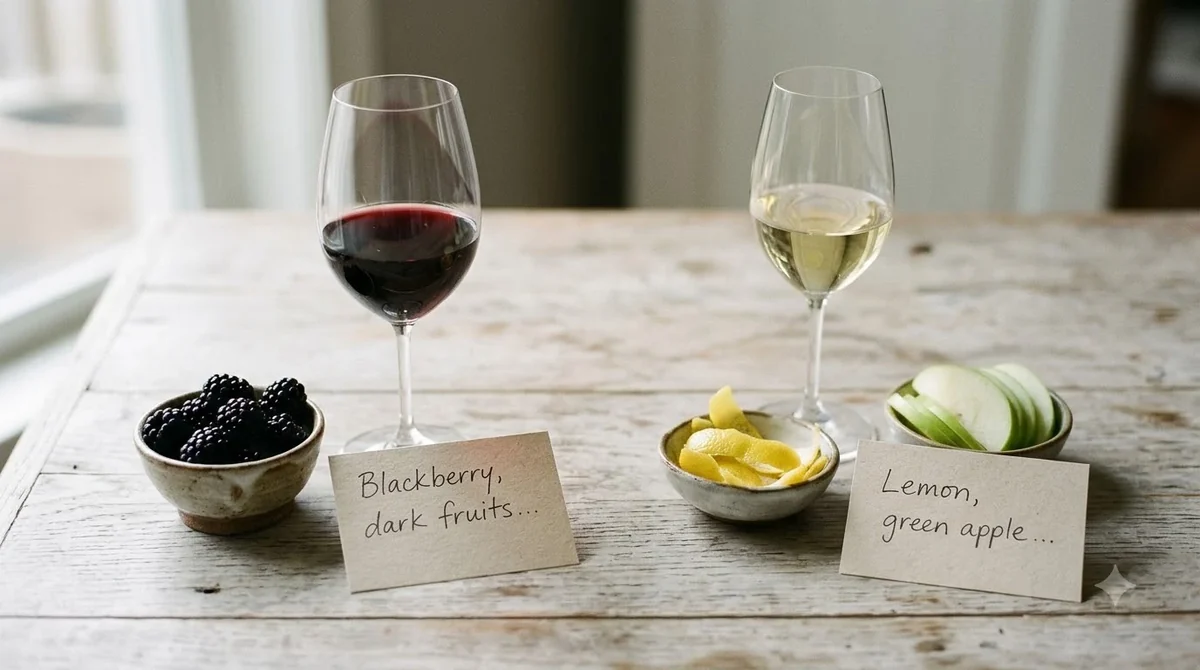
Pinot Noir is especially important to the identity of Hemel-en-Aarde. It is generally lighter in tannin than Cabernet Sauvignon or Syrah, with fresh acidity and aromas that can include cherry, raspberry, strawberry, forest floor, and savory spice.
During a tasting, consider the wine’s red-fruit character, acidity, texture, and oak influence. Some examples emphasize delicate fruit and freshness, while others show greater concentration, earthy notes, or more noticeable barrel influence.
Pinot Noir also provides an excellent opportunity to compare individual vineyard sites. If two producers offer wines from different wards, tasting them side by side can reveal how elevation, soil, and exposure contribute to differences in aromatic and structural expression.
Chardonnay: Texture and Freshness
Chardonnay is the other essential variety. Hemel-en-Aarde examples can range from fresh and restrained wines with citrus and orchard-fruit flavors to more textured versions with subtle toast, creaminess, and nutty characteristics.
Oak treatment is an important comparison point. Stainless-steel fermentation and maturation tend to preserve a more direct expression of fruit and acidity, while barrel fermentation and maturation can introduce additional texture and spice. Neither approach automatically indicates better quality; the important consideration is balance.
Look for a Chardonnay that maintains freshness even when it has a richer texture. Acidity should provide structure rather than allowing the wine to feel heavy or excessively soft.
Sauvignon Blanc and Other Varieties
Sauvignon Blanc provides a different expression of the area’s maritime conditions. Expect styles that emphasize citrus, green fruit, freshness, and lively acidity. It can be a useful first wine in a tasting sequence because its freshness prepares the palate for more textured whites and reds.
Some producers also work with Syrah, Cabernet Sauvignon, Merlot, Cabernet Franc, and Rhône-inspired blends. These wines demonstrate that the region’s identity is not restricted to Pinot Noir and Chardonnay.
A structured tasting flight might look like this:
- Start with a cool-climate Sauvignon Blanc.
- Compare two Chardonnays with different oak treatments.
- Taste a lighter, fresher Pinot Noir.
- Move to a more structured Pinot Noir from another vineyard site.
- Finish with Syrah or a red blend if the producer offers one.
This progression moves from lighter wines toward more substantial reds. It also makes comparisons easier because similar varieties are tasted close together.
Planning Your Tasting Day, Reservations, and Transport
A successful Hemel-en-Aarde wine visit requires some planning because the region contains several estates along a shared road. Three carefully selected winery visits, a proper lunch, and time to enjoy the scenery generally create a more satisfying day than attempting to visit every available cellar door.
Hermanus is a convenient starting point. From town, the R320 provides access to the valley and its wine estates. The route also connects with the wider road network toward Caledon, allowing visitors to plan a straightforward return journey.
How Many Wineries Should You Visit?
For a relaxed day, plan approximately three winery visits. This gives you time to enjoy each tasting, compare wines, ask questions, and take breaks between appointments.
Four visits may be possible with an early start and efficient scheduling, but this can make the day feel rushed. If one of your stops includes a food pairing or extended vintage tasting, reduce the number of other visits accordingly.
A practical itinerary could look like this:
- 9:30 a.m.: Depart Hermanus and drive toward the first winery.
- 10:00 a.m.: Begin with a Pinot Noir and Chardonnay tasting.
- 11:30 a.m.: Visit a second producer for a comparison of vineyard styles.
- 1:00 p.m.: Enjoy lunch and a food-pairing experience.
- 2:30 p.m.: Visit a third estate for a final tasting.
- 4:00 p.m.: Return toward Hermanus or spend additional time exploring the surrounding countryside.
These are suggested planning times rather than guaranteed winery appointment hours. Arrange the actual schedule around confirmed tasting availability.
Reservations and Opening Arrangements
Some wineries accommodate walk-in visitors, but advance booking is preferable for special experiences, larger groups, food pairings, and vintage comparisons. This is particularly important if you have a specific producer in mind or are traveling during a busy holiday period.
Ask about the tasting format, number of wines included, estimated duration, food availability, and whether the appointment includes a vineyard or cellar visit. These details help you decide whether the experience deserves a longer time slot.
Tip: Reserve your preferred winery experiences before planning the driving route. Organize the day geographically, allow time for lunch, and arrange a designated driver or professional transport if your group intends to sample wines at multiple estates.
Best Time of Year to Visit
Spring through early autumn is attractive for vineyard scenery, outdoor dining, and exploring the surrounding countryside. South African tourism highlights the area’s wine route as a destination for its views, hospitality, food, and wines.
July through November is also particularly interesting for visitors combining wine tourism with whale watching in Hermanus. Southern Right whales are associated with the nearby bay during this period, creating an additional reason to spend time along the coast.
Each season offers a different atmosphere. Spring brings fresh vegetation and vineyard activity, summer is suitable for outdoor experiences, and autumn provides an opportunity to see the countryside during and after the grape harvest. Winter offers a quieter coastal setting, although individual tasting arrangements and weather conditions should be considered.
For additional winery suggestions, restaurant information, and route planning, consult the Hermanus Tourism wine route guide. It identifies estates and food stops along the R320, helping visitors organize a route that combines tasting rooms with lunch and other activities.
Food Pairings and Wine Tasting Etiquette
Food is an important part of the Hemel-en-Aarde experience, with several estates combining their wines with seasonal dishes, farm produce, and regional ingredients. The best pairings generally respect the freshness of the wines rather than overwhelming their acidity, fruit, and texture.
Chardonnay is a versatile partner for seafood, roast chicken, grilled vegetables, and creamy dishes. A fresher example works particularly well with shellfish and simply prepared fish, while a richer, barrel-influenced Chardonnay can complement roasted chicken or dishes with butter-based sauces.
Pinot Noir is particularly adaptable at the table. Its moderate tannin and fresh acidity suit roast poultry, duck, grilled mushrooms, pork, and salmon. Its relatively gentle structure makes it more versatile with fish than strongly tannic red wines.
However, preparation matters. Oily fish can clash with strongly tannic reds, while a lighter Pinot Noir is generally a better choice for salmon or richer seafood dishes. Sauvignon Blanc works especially well with fresh goat cheese, shellfish, salads, and herb-forward dishes because its acidity complements bright flavors.
Consider these practical pairing ideas when choosing a winery lunch:
- Chardonnay: Roast chicken, grilled seafood, creamy mushroom dishes, and mild cheeses.
- Pinot Noir: Duck, roast poultry, mushrooms, pork, and salmon.
- Sauvignon Blanc: Goat cheese, oysters, fresh seafood, and green salads.
- Syrah: Grilled lamb, roasted vegetables, and dishes with savory herbs.
Hemel-en-Aarde’s connection with regional food culture is reflected in its winery restaurants and food-pairing experiences. Local producers and restaurants draw on the area’s agricultural surroundings, making seasonal ingredients an important part of the visitor experience.
How to Taste Wines Professionally
You do not need advanced wine knowledge to enjoy a structured tasting. A few simple observations will help you understand what is in the glass and compare different producers.
Begin by looking at the wine’s color and clarity. Then smell the wine before taking a small sip. Notice the primary fruit aromas, followed by secondary characteristics such as oak, spice, or earthy notes.
When tasting, pay attention to four main elements: acidity, tannin, body, and finish. Acidity creates freshness, tannin contributes structure in red wines, body describes the weight of the wine, and the finish indicates how long its flavors remain after swallowing.
For Pinot Noir, consider whether the fruit is bright and red-toned or darker and more concentrated. For Chardonnay, assess whether the texture is lean and crisp or broader and creamier. These comparisons can reveal meaningful stylistic differences without requiring technical wine expertise.
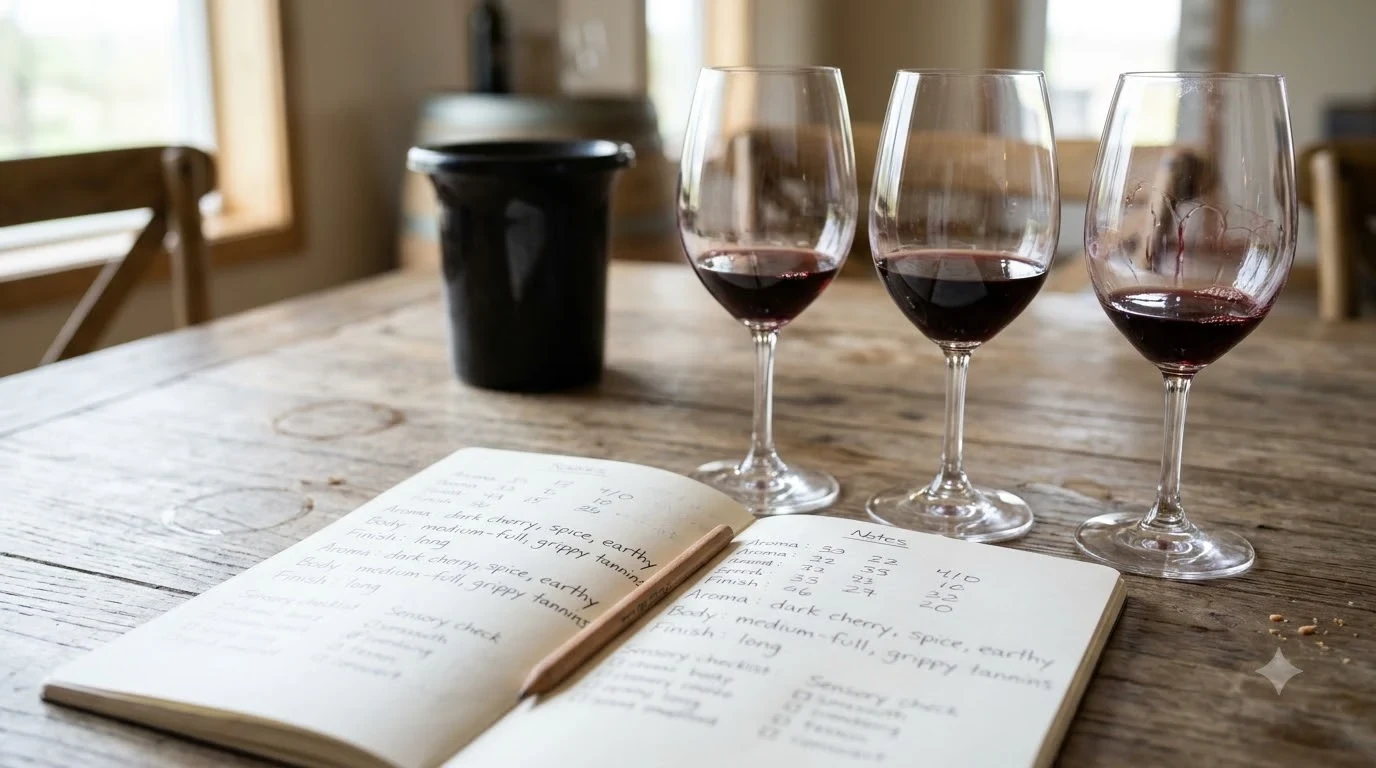
It is also perfectly reasonable to take notes. Record the winery, grape variety, wine name, and a few observations about aroma and structure. This is particularly helpful when comparing several examples of the same variety across the three wards.
Buying Hemel-en-Aarde Wines and Exploring the Region Further
Buying wine after a tasting allows visitors to revisit their favorite discoveries at home. The most useful approach is to select bottles representing different producers, grape varieties, and vineyard locations rather than purchasing several wines with almost identical styles.
Consider beginning with one Chardonnay and one Pinot Noir from different producers. If you enjoyed the regional Sauvignon Blanc, include a bottle to provide a contrasting white-wine style. Visitors particularly interested in terroir can select Pinot Noir from two different wards and compare the wines after returning home.
The Hemel-en-Aarde Wine Village is another useful place to explore. It provides a wider selection of South African wines than the range available at any single cellar door, making it a practical stop for visitors who want to discover producers from other regions as well.
When purchasing wine, consider how you will transport it. Avoid leaving bottles in a hot vehicle for extended periods, especially during warmer months. If traveling internationally, check airline baggage arrangements and the applicable customs allowances for your destination.
For storage at home, keep bottles away from direct sunlight and substantial temperature fluctuations. Bottles with natural cork closures are generally best stored on their sides, ideally in a consistently cool environment near 55 degrees Fahrenheit.
Serving temperature also makes a difference. Light-bodied Pinot Noir is best served slightly cool, around 55 to 60 degrees Fahrenheit, while Chardonnay is generally more expressive around 50 to 55 degrees Fahrenheit when fuller in body. Chilling a wine too much can suppress its aromas, while serving it too warm can make its structure feel less balanced.
For a more complete introduction to the producers, geography, and distinctive wine styles, continue with our overview of the Hemel-en-Aarde wine region and our article on Hemel-en-Aarde wine. Together, these resources provide useful context for understanding what makes the area’s wines distinctive.
Most importantly, consider your purchases as a record of the experiences you enjoyed. A bottle from a winery that introduced you to a new expression of Pinot Noir or Chardonnay can be a more interesting souvenir than simply choosing the most familiar label.
Frequently Asked Questions
Does Hemel-en-Aarde have a wine appellation or Wine of Origin designation?
Yes. The area sits within the Walker Bay District and includes the Hemel-en-Aarde Valley, Upper Hemel-en-Aarde Valley, and Hemel-en-Aarde Ridge wards. These geographical designations help identify the origin of grapes used in qualifying wines and distinguish the three neighboring growing areas.
Can beginners enjoy a Hemel-en-Aarde wine tasting?
Absolutely. Pinot Noir and Chardonnay provide accessible starting points because their differences in fruit, acidity, texture, and oak influence are relatively easy to recognize. Visitors can also ask tasting-room staff to explain unfamiliar terms and recommend comparisons between wines.
Is Hemel-en-Aarde suitable for a wine-focused weekend?
Yes. Visitors can combine winery appointments with accommodation in Hermanus, coastal dining, and excursions around Walker Bay. A two-day visit also makes it easier to explore all three wine wards without trying to fit every experience into one afternoon.
What is the connection between Hemel-en-Aarde and the Pinot Noir Celebration?
The region has hosted events celebrating its Pinot Noir producers and wine culture. These gatherings provide opportunities to encounter wines from multiple estates in a shared setting rather than visiting each producer separately. Visitors interested in attending should consult the regional association’s official events information for future dates and booking arrangements.
Can visitors explore Hemel-en-Aarde without driving themselves?
Yes. Visitors can investigate organized wine tours and guided transport services operating around Hermanus and the surrounding wine estates. A professional driver is a practical alternative for groups planning several tastings, while a guided itinerary can also help visitors understand the differences between the three wards.
Hemel-en-Aarde offers one of South Africa’s most rewarding wine-country experiences for visitors interested in cool-climate Chardonnay, expressive Pinot Noir, and distinctive vineyard sites. Plan a few carefully selected winery visits, compare the three wards, and leave enough time to enjoy the region’s food and coastal scenery. A thoughtful itinerary will make the wines, landscapes, and hospitality of this remarkable corner of the Western Cape even more memorable.
More in Wine Regions
 Willcox Wine Trail: Discover Arizona’s High-Elevation Wine CountryUpdated Nov 20, 2026
 Yakima Valley Wine Region: Find the Best Styles to TryUpdated Nov 20, 2026
 Vosne Romanee Wine Tasting: Identify Aromas and Choose Better PairingsUpdated Nov 20, 2026
 Yakima Valley Wine Festival: Find the Best Seasonal Wine EventsUpdated Nov 20, 2026
 Wales Vineyards: Discover Cool-Climate Wines and Where to VisitUpdated Nov 20, 2026
 Yountville Wine Festival: Discover Napa Wines and Local FoodUpdated Nov 20, 2026