

We may earn a commission when you buy through links on this page, at no extra cost to you. Learn more.
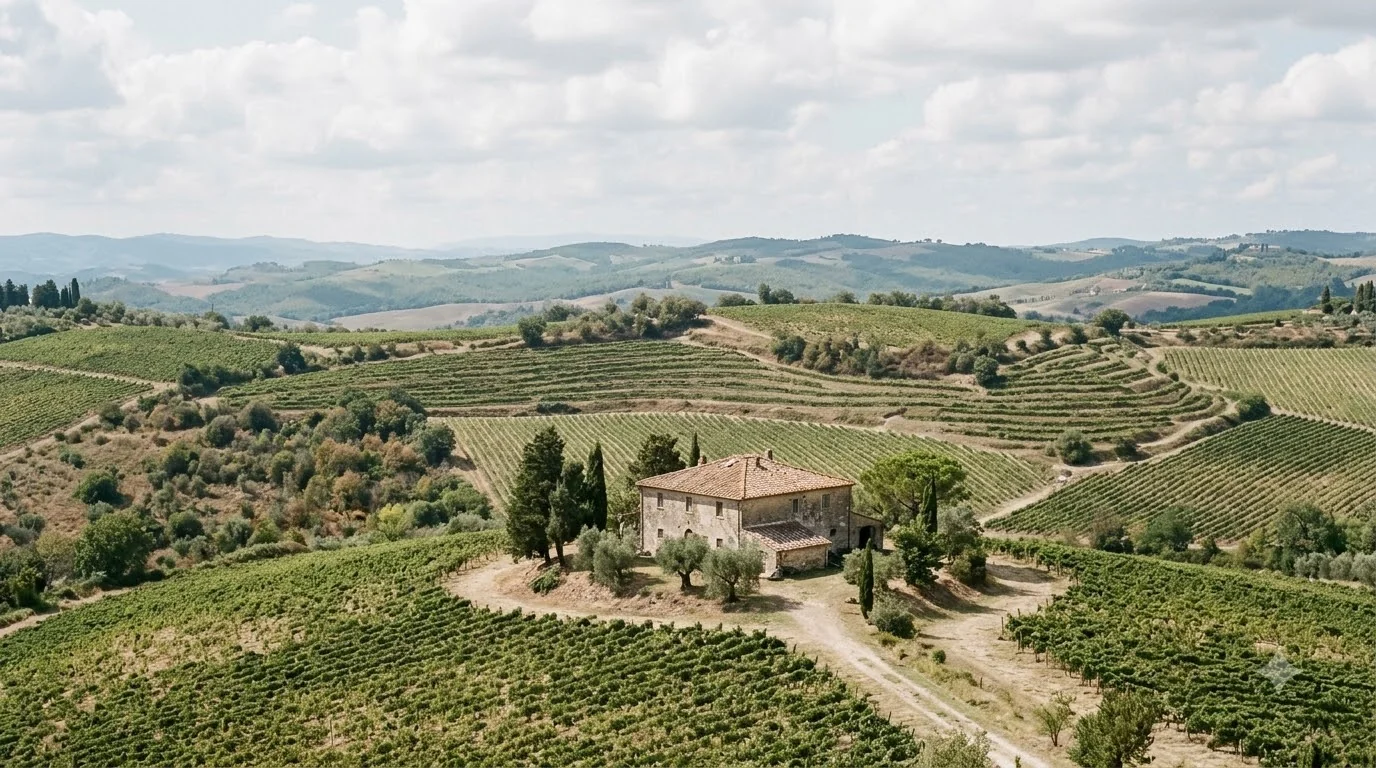
Connecticut wine country is a diverse New England wine destination featuring three American Viticultural Areas, locally grown cool-climate grapes, and welcoming vineyard tasting rooms spread from the Long Island Sound shoreline to the state’s northern hills. Its wineries produce everything from crisp Chardonnay and aromatic Riesling to Cabernet Franc, sparkling wine, rosé, and distinctive hybrid-grape bottlings. Visitors can explore coastal vineyards, countryside estates, farm wineries, and seasonal tasting events through the Connecticut Wine Trail.
Connecticut may be better known for its historic towns, maritime heritage, and autumn foliage than for winemaking, but its agricultural landscape has a distinctive wine identity. A combination of coastal moderation, varied elevations, cool-climate grape varieties, and independent family-run wineries makes the state an interesting destination for wine enthusiasts. Whether planning a weekend in the Litchfield Hills or a coastal excursion around Stonington, understanding the state’s wine regions and local grape varieties makes it easier to choose worthwhile stops.
Connecticut’s Three Wine Regions and Their Growing Conditions
Connecticut’s wine geography is defined by three American Viticultural Areas: Southeastern New England, Western Connecticut Highlands, and Eastern Connecticut Highlands. Each designation reflects different geographic characteristics, from maritime influences along the southern coast to the elevated terrain of the state’s eastern and western interior.
Southeastern New England AVA is particularly important to Connecticut’s coastal wine identity. The designation extends into Rhode Island and Massachusetts, with its Connecticut territory including areas influenced by Long Island Sound and the Atlantic Ocean. These large bodies of water moderate temperatures, helping reduce some seasonal temperature extremes. The coastal influence can also extend the growing season and support grapes that benefit from gradual ripening. Wines from maritime locations can retain lively acidity, an attractive characteristic in white wines and rosés.
Western Connecticut Highlands AVA covers elevated terrain in the western part of the state. Established in 1988, this region includes portions of the Litchfield Hills and surrounding areas. Its landscape features hills, valleys, and changing elevations that influence vineyard exposure and local growing conditions. Differences in slope, sunlight, and drainage can affect how individual vineyard sites perform. These variations matter in a climate where growers must balance grape ripeness against the challenges of cool temperatures and seasonal rainfall.
Eastern Connecticut Highlands AVA adds another distinctive dimension. Established by the federal Alcohol and Tobacco Tax and Trade Bureau in 2019, it covers approximately 1,246 square miles across portions of Hartford, New Haven, Tolland, Windham, New London, and Middlesex counties. Elevations range from approximately 200 to 1,000 feet. Its rounded hills and pronounced ridgelines create a different growing environment from the coastal lowlands.
The three AVAs are useful geographical references, but they should not be treated as guarantees of a particular wine style. Vineyard management, grape selection, harvest timing, and winemaking decisions remain important. Two wineries within the same AVA can produce noticeably different wines, even when working with the same grape variety.
For visitors, the practical advantage is geographical variety. A coastal itinerary around Stonington offers a different landscape from a visit to the vineyards of Goshen or Warren. Exploring more than one region provides a better understanding of Connecticut’s wine identity than concentrating on a single tasting room.
Connecticut Wine Grapes and Styles Worth Discovering
Connecticut winemakers work with both traditional European wine grapes and cold-hardy hybrid varieties. The resulting selection includes dry whites, reds, rosés, sparkling wines, fruit coferments, and sweeter specialty bottlings.
European varieties remain an important part of the state’s wine production. Chardonnay, Riesling, Pinot Gris, Pinot Noir, Cabernet Franc, and Merlot are among the grapes grown in Connecticut vineyards. Cabernet Sauvignon, Sauvignon Blanc, Shiraz, and Malbec are also represented in the state’s broader grape-growing landscape. Their performance depends on individual vineyard conditions and the ability to reach suitable ripeness during the growing season.
Chardonnay is particularly interesting for visitors because it can take different forms depending on how the winery approaches fermentation and aging. Some examples emphasize fresh apple, pear, citrus, and mineral characteristics, while others develop richer textures through oak aging or malolactic fermentation. Riesling offers another useful point of comparison, generally providing bright acidity and aromas that can include citrus, orchard fruit, and floral notes.
Cabernet Franc is a worthwhile red grape to seek out. It can produce wines with red cherry, raspberry, herbal, and pepper characteristics, making it a useful option for drinkers who enjoy aromatic reds with moderate structure. Merlot offers a softer alternative, while Pinot Noir can provide lighter body, fresh acidity, and red-fruit flavors.
Hybrid grapes are especially important in a cool and sometimes wet growing environment. These varieties are bred through selective crosses to retain useful wine characteristics while improving traits such as cold tolerance and resistance to certain vineyard diseases.
Some notable Connecticut-grown hybrids include:
- Seyval Blanc: A white hybrid that can show citrus, green apple, and refreshing acidity.
- Vidal Blanc: A versatile white grape associated with pineapple, grapefruit, and other tropical-fruit characteristics.
- La Crescent: An aromatic white variety that can display apricot and tropical-fruit notes.
- Baco Noir: A red hybrid that can produce black plum, coffee, and smoky characteristics.
- Frontenac: A red grape associated with bright cherry and currant flavors.
- Marquette: A red hybrid that can offer pepper, plum, and baking-spice notes.
These grapes are not simply substitutes for European varieties. They contribute their own characteristics and give Connecticut winemakers additional options for working with local growing conditions.
Connecticut’s wine selection also extends beyond conventional dry table wines. Producers make sparkling wine, rosé, fortified wines, sweet wines, ice wine, and coferments combining grapes with other fruits. This variety makes tasting flights particularly useful because visitors can compare different approaches to winemaking within a single destination.
Notable Connecticut Wineries and Vineyard Destinations
The Connecticut Wine Trail provides a practical starting point for exploring the state’s wineries. Its participating destinations range from coastal vineyards to inland farm wineries, with different tasting-room atmospheres and seasonal activities.
Stonington Vineyards is a natural choice for visitors interested in southeastern Connecticut. Located in Stonington, it provides access to a coastal wine itinerary and makes a convenient pairing with nearby maritime attractions. Its location also allows visitors to compare wines from a region influenced by Long Island Sound.
Saltwater Farm Vineyard, also in Stonington, is another worthwhile coastal stop. The vineyard is included on the Connecticut Wine Trail and can be combined with Stonington Vineyards for a more focused day of wine tasting. Visiting both locations gives travelers an opportunity to compare different winery settings without spending the entire day driving across the state.
Hopkins Vineyard in Warren offers a different experience in the western part of Connecticut. Its location overlooking Lake Waramaug makes it an appealing destination for visitors who enjoy countryside scenery alongside wine. The property is associated with a long-established family farming tradition, and its vineyard setting provides a contrast to the coastal destinations farther south.
Sharpe Hill Vineyards in Pomfret is another established Connecticut wine destination. Located in the northeastern part of the state, it offers visitors a chance to explore a different part of Connecticut’s agricultural landscape. It is particularly useful for travelers planning a wine-focused excursion through the Quiet Corner.
Gouveia Vineyards in Wallingford is known for its hilltop setting and vineyard views. Its location makes it a practical stop for visitors exploring central Connecticut. The vineyard’s Portuguese connection is also an interesting part of its identity, adding another cultural dimension to the state’s wine scene.
Other destinations provide additional variety:
- Aquila’s Nest Vineyards, Newtown: An attractive option for visitors interested in scenic vineyard surroundings and a contemporary winery atmosphere.
- Chamard Vineyards, Clinton: A coastal destination that can fit into a shoreline-focused itinerary.
- Jonathan Edwards Winery, North Stonington: A southeastern Connecticut destination that complements visits to other Stonington-area wineries.
- Jones Winery, Shelton: Part of Jones Family Farms, offering an agricultural setting beyond conventional vineyard tourism.
- Sunset Meadow Vineyards, Goshen: A useful stop for visitors exploring the Litchfield Hills.
- Taylor Brooke Winery, Woodstock: An option for travelers exploring northeastern Connecticut.
- White Silo Farm and Winery, East Sherman: A farm-based destination in the western part of the state.
It is important to distinguish the Connecticut Wine Trail from a complete list of every winery operating in the state. Participation in the trail is voluntary, so independent producers may not appear on its member list. The Connecticut Wine Trail visitor listing provides a useful overview of participating destinations and their general visitor information.
For a first visit, selecting two or three wineries within the same geographical area is usually more enjoyable than attempting to cover the entire state in one day. It leaves enough time to appreciate the surroundings, ask questions about the wines, and compare different grape varieties.
Planning a Connecticut Wine Country Road Trip
The best Connecticut wine itinerary depends on where visitors are staying and which parts of the state they want to explore. Rather than treating the entire Connecticut Wine Trail as one continuous route, it is more practical to organize visits around coastal, western, central, and northeastern destinations.
Coastal Connecticut: Stonington and Clinton
A southeastern itinerary can begin around Stonington, where Saltwater Farm Vineyard and Stonington Vineyards offer two distinct vineyard experiences. Jonathan Edwards Winery and Kingdom of the Hawk Vineyard in North Stonington provide additional options in the same general area.
Visitors can combine winery stops with a visit to Mystic, a popular coastal destination with maritime attractions, restaurants, and historic architecture. A relaxed schedule might include a morning winery visit, lunch near Mystic, and an afternoon tasting. This approach works particularly well for visitors who want to combine wine tourism with a traditional New England coastal getaway.
Western Connecticut: Wallingford, Warren, and Goshen
Travelers interested in the state’s western wine landscape can consider Gouveia Vineyards in Wallingford, Hopkins Vineyard in Warren, and Sunset Meadow Vineyards in Goshen. These locations provide an opportunity to experience different countryside settings and compare wines from separate parts of Connecticut.
The Litchfield Hills are especially attractive for a slower weekend itinerary. Scenic roads, historic villages, farm markets, and outdoor recreation make the region suitable for travelers who want more than a series of tasting-room visits.
Northeastern Connecticut: Pomfret and Woodstock
The northeastern part of the state offers a quieter countryside experience. Sharpe Hill Vineyards in Pomfret and Taylor Brooke Winery in Woodstock are useful starting points for a route through this area.
This itinerary can be combined with visits to small towns, local farms, and outdoor attractions. It is particularly appealing during autumn, when changing foliage adds another dimension to the landscape.
How Many Wineries Should You Visit?
Two wineries make a comfortable half-day outing, while three can fill most of a full day when travel and lunch are included. Visiting more than three tasting rooms can become tiring, particularly when the destinations are separated by rural roads and longer driving distances.
| Trip format | Wineries | Suggested time | Best approach |
|---|---|---|---|
| Short outing | 1–2 | 3–4 hours | One tasting room and a relaxed meal |
| Half-day trip | 2 | 4–5 hours | Two nearby wineries |
| Full-day trip | 2–3 | 6–8 hours | Regional route with lunch |
| Weekend getaway | 4–5 | 2 days | Two geographical areas and overnight accommodation |
These are suggested planning ranges rather than winery schedules. Actual visit lengths depend on tasting formats, events, food service, and travel conditions. Visitors should also designate a sober driver or arrange appropriate transportation before beginning a tasting itinerary.
Tip: Plan your winery visits geographically before making reservations or setting departure times. Two wineries in the same area often provide a better experience than three scattered across Connecticut. Confirm tasting availability and event requirements directly with each property before traveling.
Best Time to Visit Connecticut Vineyards
Connecticut wine country can be explored throughout the year, but late spring through autumn generally provides the most attractive conditions for vineyard visits. Each season offers a different combination of vineyard activity, outdoor scenery, and tasting-room experiences.
Spring brings the return of vineyard growth and greener countryside. As temperatures become more comfortable, outdoor tasting spaces and vineyard grounds become increasingly appealing. Spring can also be a good time for travelers who prefer a quieter experience before the busiest summer and fall weekends.
Summer is popular for outdoor tastings, vineyard events, live music, and food pairings. Longer daylight hours make it easier to combine multiple destinations with sightseeing and dining. Coastal wineries can be particularly enjoyable during this period, although warm weekends and special events may bring larger crowds.
Autumn is one of the most attractive seasons for a Connecticut wine trip. The grape harvest, changing foliage, and cooler temperatures create an appealing combination. Visitors can explore vineyard landscapes while experiencing the broader agricultural character of New England. September and October are especially appealing for travelers interested in combining wine tasting with fall foliage excursions.
Harvest activities vary by grape variety, vineyard conditions, and seasonal weather. Some grapes ripen earlier than others, and wineries may have different schedules for picking, processing, and releasing wines. A visit during harvest does not necessarily mean guests can participate in grape picking or watch active winemaking, so special activities should be confirmed beforehand.
Winter offers a quieter alternative. Many Connecticut Wine Trail destinations operate throughout the year, although individual hours and seasonal schedules vary. Indoor tasting rooms can provide a comfortable setting for comparing red wines, fuller-bodied whites, and specialty bottlings. Winter events and holiday activities can also create additional reasons to visit.
Visitors should remember that vineyard landscapes change significantly during the colder months. Bare vines and dormant rows may be less picturesque than summer greenery, but the tasting experience can still be rewarding. Winter is particularly suitable for travelers who prioritize the wines themselves over outdoor scenery.
For a first trip, late summer or early autumn is a strong choice. These seasons offer a good balance of outdoor hospitality, vineyard scenery, and opportunities to experience local agricultural activities. However, a quieter spring or winter visit may be preferable for travelers who want a more relaxed tasting-room experience.
Connecticut Wine Tasting, Food Pairings, and Buying Local Bottles
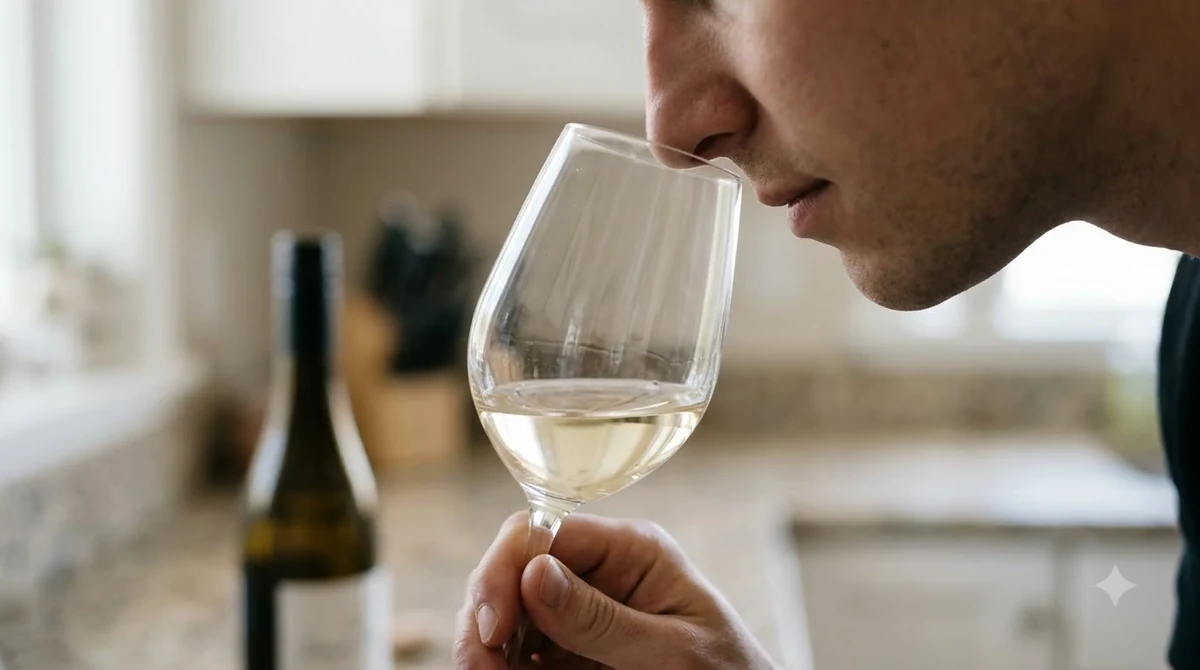
A tasting in Connecticut is an opportunity to understand how local grape varieties, winemaking methods, and regional conditions influence the finished wine. Trying several styles side by side can reveal more about the state’s wine identity than choosing a single familiar variety.
Begin with lighter wines before moving toward fuller-bodied reds or sweeter selections. A useful tasting sequence includes sparkling wine, crisp white wine, fuller white wine, rosé, lighter red, fuller red, and dessert wine. This progression helps preserve the ability to recognize differences in acidity, body, tannin, and sweetness.
Serving temperature also affects the tasting experience. Sparkling wines are generally best served at 40–50 F, while light whites and rosés benefit from temperatures around 45–50 F. Fuller-bodied whites are better around 50–55 F, and light reds can be served at 55–60 F. Full-bodied reds are generally most expressive around 60–65 F.
Food pairings are another useful way to explore Connecticut wines. The state’s crisp white wines can work particularly well with seafood, shellfish, salads, and fresh cheeses. A high-acidity Riesling or Seyval Blanc can complement dishes containing lemon, vinegar, or other acidic ingredients, provided the wine has equal or greater acidity than the food.
Chardonnay can be a useful partner for roasted poultry, creamy pasta, and richer seafood dishes. A fuller example may work better with buttery sauces, while a fresher style can complement grilled fish and lighter meals.
Cabernet Franc and other medium-bodied reds can pair with roast chicken, grilled vegetables, pork, and herb-seasoned dishes. Merlot is a useful option for softer red-wine pairings, while Pinot Noir can complement mushroom dishes, roasted salmon, and poultry. Salt and fat soften the perception of tannin, making richer foods useful companions for more structured reds.
Sweet wines deserve attention, too. Vidal Blanc and other aromatic or late-harvest styles can pair with fruit desserts, blue cheese, and pastries. The general principle is that the wine should be at least as sweet as the dessert. Otherwise, the wine may seem overly acidic or thin beside the food.
For visitors who enjoy local agriculture, buying directly from a winery provides an opportunity to discover small-production bottlings that may not be widely distributed. It also gives travelers a way to remember a particular vineyard or region after returning home.
Connecticut’s labeling rules are useful when choosing bottles. A wine carrying an American Viticultural Area designation must contain at least 85 percent grapes grown within that AVA. A wine labeled as Connecticut wine must meet the applicable federal requirement of at least 75 percent Connecticut-grown grapes.
These distinctions matter because not every wine made by a Connecticut winery necessarily uses exclusively Connecticut-grown fruit. Some producers may work with grapes from other growing regions, depending on their production choices and labeling. Reading geographical designations helps buyers understand the origin of the grapes rather than assuming that the winery’s physical location establishes the wine’s complete provenance.
Travelers interested in exploring other American wine destinations can also compare Connecticut’s cool-climate approach with Yadkin Valley wine country in North Carolina, Hill Country vineyards in Texas, and Pennsylvania wine country. Each destination has its own relationship between geography, grape selection, and regional winemaking traditions. More destinations and background information are available in our broader collection of Wine Regions.
Frequently Asked Questions
Does Connecticut have an official wine trail passport?
Yes. The Connecticut Department of Agriculture operates an annual Passport to Connecticut Farm Wineries program that encourages visitors to explore participating farm wineries. The program is separate from the federal AVA labeling system and focuses on winery visits rather than wine geographical classifications. Participation details and seasonal arrangements can change, so travelers should consult the Connecticut Wine Trail before planning a passport trip.
Are Connecticut wineries family-owned?
Many Connecticut wineries have strong family and agricultural connections, although ownership structures differ between businesses. Hopkins Vineyard, for example, developed from a longstanding family farm, while Jones Winery forms part of the multigenerational Jones Family Farms operation. These agricultural backgrounds help explain why local wine tourism often includes orchards, farm products, and seasonal activities alongside wine tastings.
Can Connecticut wineries produce wine from fruit other than grapes?
Yes. Some Connecticut producers make fruit-based wines and coferments that combine grapes with other fruits. These offerings reflect the state’s broader agricultural production and provide alternatives to conventional grape wines. The selection varies by winery, so visitors interested in fruit wines should ask about current releases rather than assuming every tasting room offers them.
Are Connecticut hybrid grapes genetically modified?
No. The hybrid grapes commonly discussed in Connecticut viticulture are produced through traditional selective breeding and crossing of grape varieties. They are not genetically modified organisms. Their development focuses on combining useful agricultural traits, including winter hardiness and disease resistance, with suitable characteristics for winemaking.
Can Connecticut wine be purchased outside the state?
Yes. Some Connecticut farm wineries distribute their wines to restaurants, wine retailers, and other licensed businesses beyond their own tasting rooms. Availability depends on the individual producer, distribution arrangements, and the retailer’s selection. The Connecticut Wine Trail’s farm-wine purchasing information identifies participating producers with distribution channels, which can help visitors find local bottles after returning home.
Connecticut wine country offers a distinctive combination of three AVAs, maritime and highland growing conditions, traditional European grapes, and locally adapted hybrid varieties. From the coastal vineyards of Stonington to the countryside wineries of Warren, Pomfret, and Goshen, the state provides plenty of opportunities to discover regional wines at their source. Choose a manageable route, compare several local styles, and leave time to enjoy the agricultural scenery that makes Connecticut an appealing New England wine destination.
More in Wine Regions
 Willcox Wine Trail: Discover Arizona’s High-Elevation Wine CountryUpdated Nov 20, 2026
 Yakima Valley Wine Region: Find the Best Styles to TryUpdated Nov 20, 2026
 Vosne Romanee Wine Tasting: Identify Aromas and Choose Better PairingsUpdated Nov 20, 2026
 Yakima Valley Wine Festival: Find the Best Seasonal Wine EventsUpdated Nov 20, 2026
 Wales Vineyards: Discover Cool-Climate Wines and Where to VisitUpdated Nov 20, 2026
 Yountville Wine Festival: Discover Napa Wines and Local FoodUpdated Nov 20, 2026