

We may earn a commission when you buy through links on this page, at no extra cost to you. Learn more.
Connecticut vineyards are small, mostly family-run farm wineries spread across three designated growing areas in the northeastern United States, and they grow a mix of cold-hardy hybrids, French-American crosses and classic European grapes. The state’s modern wine industry started with the Connecticut Winery Act of 1978, and today the state wine trail lists dozens of farm wineries open to visitors.
This guide covers where Connecticut vineyards are located, which grapes they grow, how the wine trail works, and what to expect when you visit. It also explains why the state’s cool, continental climate shapes the wines you will find on the pour list.
A Short History of Connecticut Wine
Wine has been made in Connecticut for a long time, but the modern industry took shape after the state passed the Connecticut Winery Act in 1978. That law made it easier for small producers to open farm wineries and sell directly to visitors, which set the pattern still seen today: a small vineyard, a tasting room and a farm setting.
Many early farm wineries grew out of existing agricultural operations, such as orchards, dairy farms and nurseries. Owners who already knew the land used that experience to test which grapes would survive a cold winter and a humid summer. Over time, the best-performing varieties became the foundation of each estate’s lineup, and the region’s identity grew from those trial-and-error choices.
The state wine trail followed a decade later. It was proposed in 1988 by Sherman P. Haight Jr., owner of Haight Vineyard in Litchfield, and dedicated in 1992 with five member wineries. Membership grew steadily through the 2000s and 2010s. The Connecticut wine trail lists 36 farm wineries as of 2026, while older reference counts give a lower total of about 25 wineries.
Where Connecticut Vineyards Grow
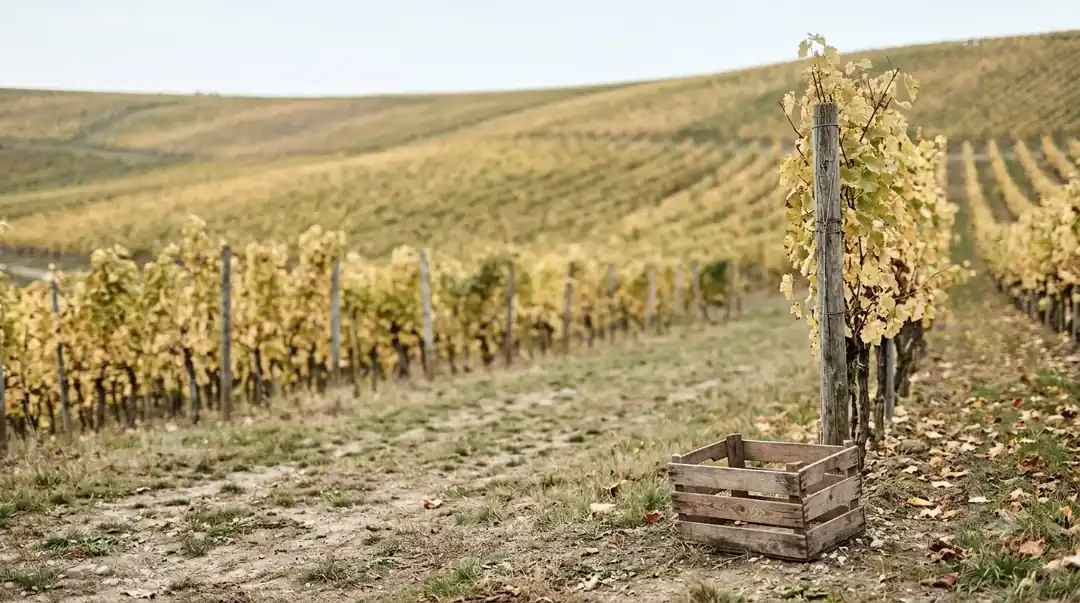
Connecticut has three designated American Viticultural Areas: Southeastern New England, Western Connecticut Highlands and Eastern Connecticut Highlands. Each one has its own elevation and exposure, so the growing conditions vary across the state. The areas near Long Island Sound and the Connecticut River valley are warmer than the highlands, which gives those vineyards a slightly longer season and a better chance to ripen later varieties.
Vineyards in the highlands sit at higher elevations and face colder nights. That cooling helps keep acidity in the grapes, which is useful for whites and for sparkling wine base wines. Growers in these areas often focus on hardy varieties that can survive winter temperatures without heavy protection. Cool-climate vineyards in other states follow a similar logic, as the guides to Lake Erie vineyards and Columbia Gorge vineyards show.
The state’s climate is continental, meaning winters are cold and summers can be humid. For a closer look at how cool climates shape red wine, the VinePair guide to Cabernet Franc describes how cooler regions produce lighter, more tart fruit and herbal notes, while warmer regions produce riper, darker styles.
Grapes Grown in Connecticut
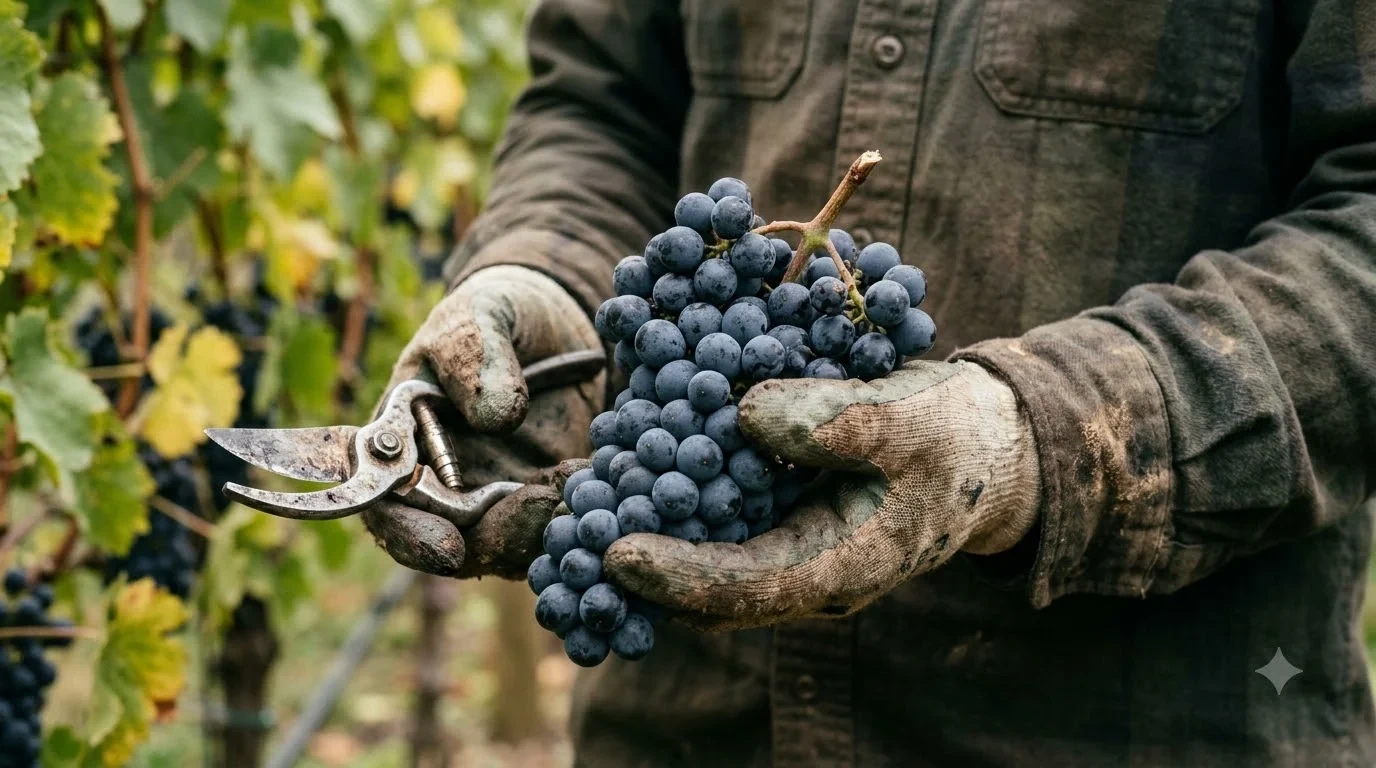
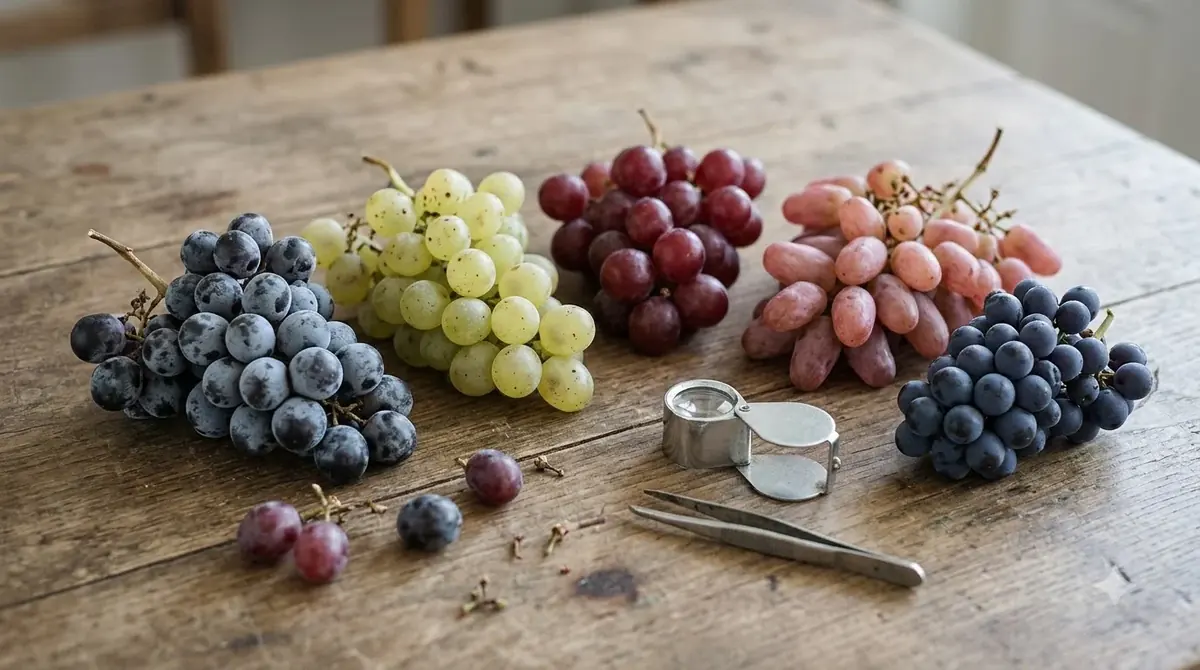
Connecticut’s vineyards grow a wide range of varieties. Reference lists count 17 grapes in regular use, including hybrids bred for cold winters and classic vinifera varieties grown in sheltered sites. The most common group includes Chardonnay, Riesling, Merlot and Cabernet Franc, along with French-American hybrids such as Vidal blanc, Seyval blanc, Vignoles and Chambourcin.
Hybrids are often the backbone of a small farm winery’s lineup because they are reliable in cold weather and resist disease better than many European grapes. Their wines range from crisp, floral whites to fruity reds with bright acidity. Vinifera wines such as Chardonnay and Riesling tend to show more structure and can age longer when the vintage is good.
When you read a Connecticut wine list, check the grape name and the vintage together. A hybrid white from a cool year may taste crisp and lively, while the same grape from a warm year can show riper fruit and softer acidity. Ask the staff how the vintage turned out, since small vineyards often adjust their blends and bottlings from one year to the next.
| Grape type | Examples grown in the state | Typical style |
|---|---|---|
| Vinifera whites | Chardonnay, Riesling, Gewurztraminer, Pinot gris | Crisp, floral, stone fruit |
| Vinifera reds | Merlot, Cabernet Franc, Cabernet Sauvignon | Red fruit, herbal, structured |
| French-American whites | Vidal blanc, Seyval blanc, Vignoles, Cayuga, Chardonel | Bright acidity, fruity, easy to drink |
| French-American reds | Chambourcin, Marechal Foch, Frontenac, St. Croix | Dark fruit, soft tannins, cold-hardy |
Visiting Connecticut Farm Wineries
Most Connecticut vineyards are small, so tasting rooms often have a relaxed, farm-stand feel. Many offer a flight of four to six pours, a glass of wine on a patio or a bottle to take home. Hours can change by season, so check each winery’s calendar before you set out, especially for weekday visits in winter.
The Passport to Connecticut Farm Wineries program is run with support from the Connecticut Farm Wine Development Council and the Connecticut Department of Agriculture. Visitors who collect stamps at participating wineries can use the passport as a route map, which helps when planning a multi-stop day across different parts of the state.
Wineries on the trail also host seasonal events such as harvest festivals, live music on the lawn and food truck days. These events draw larger crowds, so arrive early if you want a seat at the bar. If you prefer a quieter visit, plan for a weekday morning, when staff usually have more time to walk you through the wines and explain how each vineyard is managed.
Tip: Visit wineries in one growing area on the same day. Driving distances in Connecticut are short, but rural roads can slow you down, and a tight route leaves more time for each tasting.
Serving and Pairing Connecticut Wines
Many Connecticut whites are best served well chilled but not ice cold, which lets the acidity and fruit show clearly. A Vidal blanc or Seyval blanc pairs well with seafood, goat cheese and light salads, the kind of food common near the Sound. Chardonnay with a little oak suits roast chicken and creamy sauces.
Reds from hybrid grapes such as Chambourcin are often served slightly chilled, around cellar temperature, and go well with grilled sausages, burgers and tomato-based pasta. Cabernet Franc from a cool-climate site is a good match for lamb and herb-heavy recipes, since its herbal character echoes the same flavors. For the basics of matching wine to food, the wine regions guide explains how regional styles connect to local cooking.
Frequently Asked Questions
How many wineries are in Connecticut?
Reference counts differ. Some sources list about 25 wineries, while the state wine trail lists 36 farm wineries as of 2026. The number changes as new farm wineries open, so check the current trail list before planning a route.
What grapes grow in Connecticut vineyards?
Connecticut vineyards grow about 17 grape varieties in regular use. These include classic vinifera grapes like Chardonnay, Riesling and Merlot, and French-American hybrids such as Vidal blanc, Seyval blanc and Chambourcin.
Is Connecticut wine good for beginners?
Yes. Hybrid whites and fruity reds tend to be approachable, and small farm wineries usually offer small pours that let you compare styles. Staff at family-run estates often enjoy explaining how the vineyard is farmed.
When did Connecticut’s modern wine industry begin?
The modern industry took shape after the Connecticut Winery Act of 1978. The state wine trail followed in the early 1990s, after it was proposed in 1988 and dedicated in 1992.
Connecticut vineyards reward a slow visit. Pick one growing area, choose two or three farm wineries, and ask what each vineyard does well. Start with a hybrid white and a Chardonnay or Riesling to compare the styles, then decide which bottle to take home. Drink responsibly, and arrange a designated driver or a tour if you plan a full day on the trail.
More in Wine Regions
 Willcox Wine Trail: Discover Arizona’s High-Elevation Wine CountryUpdated Nov 20, 2026
 Yakima Valley Wine Region: Find the Best Styles to TryUpdated Nov 20, 2026
 Vosne Romanee Wine Tasting: Identify Aromas and Choose Better PairingsUpdated Nov 20, 2026
 Yakima Valley Wine Festival: Find the Best Seasonal Wine EventsUpdated Nov 20, 2026
 Wales Vineyards: Discover Cool-Climate Wines and Where to VisitUpdated Nov 20, 2026
 Yountville Wine Festival: Discover Napa Wines and Local FoodUpdated Nov 20, 2026