

We may earn a commission when you buy through links on this page, at no extra cost to you. Learn more.
Lake Erie vineyards cover the southern shore of Lake Erie across New York, Pennsylvania and Ohio, a band of farmland that runs from the Toledo area east to just south of Buffalo. The American Viticultural Area totals about 2.24 million acres, and roughly 42,000 acres are planted to vine. Concord is the predominant grape, with Catawba, Niagara, Riesling and several European varieties also grown, and the lake moderates temperatures in ways that inland vineyards do not enjoy.
If you have ever wondered why grapes are grown in such large numbers along a Great Lake, or what makes the vineyards on this shore different from those in California, this guide explains the land, the climate, the grape mix and how the wines are best served.
Where the Lake Erie Vineyards Are
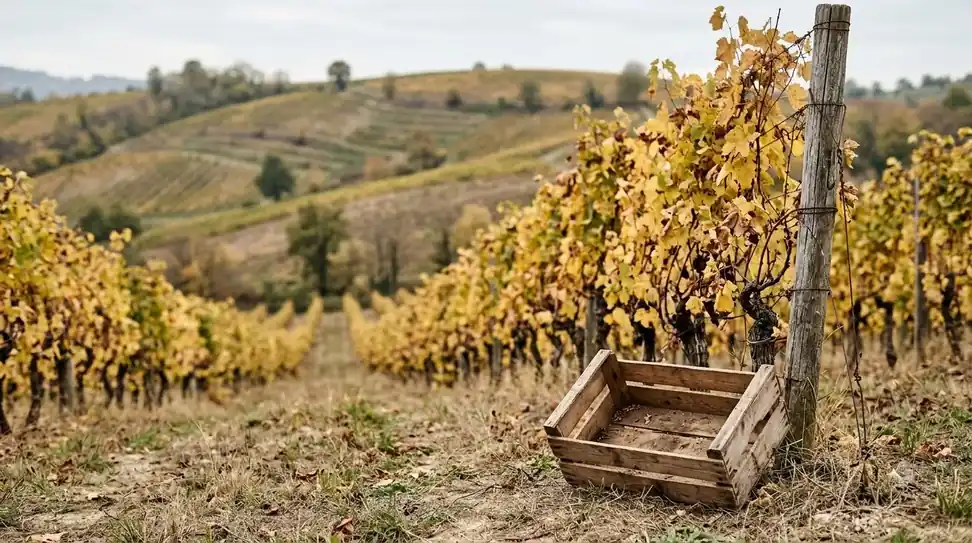
The vineyards sit along the southern edge of Lake Erie, in a long strip that crosses three states. The American Viticultural Area, established by the Bureau of Alcohol, Tobacco and Firearms on October 21, 1983, reaches from the Toledo area in Ohio east through Pennsylvania and into New York, stopping just south of Buffalo. The whole appellation covers about 2.24 million acres, or roughly 3,495 square miles, which makes it a very large region with many local microclimates.
Within that zone is the New York and Pennsylvania Chautauqua-Erie Grape Belt, one of the best-known grape-growing districts in the eastern United States. It holds about 31,500 acres spread across 582 farms. Much of the planted land is concentrated near the lake, where the water’s influence is strongest.
How Much Land Is Planted
The scale of the planting is one of the first things to understand. The appellation has about 42,000 acres of planted vineyards, which is a substantial area for a region whose wines are often seen as regional rather than national. The acreage is used for grapes that go into juice as well as wine, which is why the region’s output is often discussed in terms of the fruit rather than the bottle. The area is also large enough that vineyards are spread across many farms rather than gathered into a few estates.
Because the appellation covers several hundred miles of shoreline, the planting is not uniform. Each stretch has its own soils, drainage and exposure to the lake, and vineyards in different sections can behave quite differently from one another.
| Fact | Lake Erie vineyards | What it means |
|---|---|---|
| Appellation size | About 2.24 million acres (3,495 square miles) | A large region with many microclimates |
| Planted vineyards | About 42,000 acres | A substantial base of grapes for juice and wine |
| Chautauqua-Erie Grape Belt | About 31,500 acres on 582 farms | Concentrated growing district in New York and Pennsylvania |
| Growing season | 175 to 200 days | Long enough for hardy, cold-tolerant grapes |
| Hardiness zone | 6a to 7a | Cold winters that favor hardy varieties |
The Grape Mix: Concord and Beyond
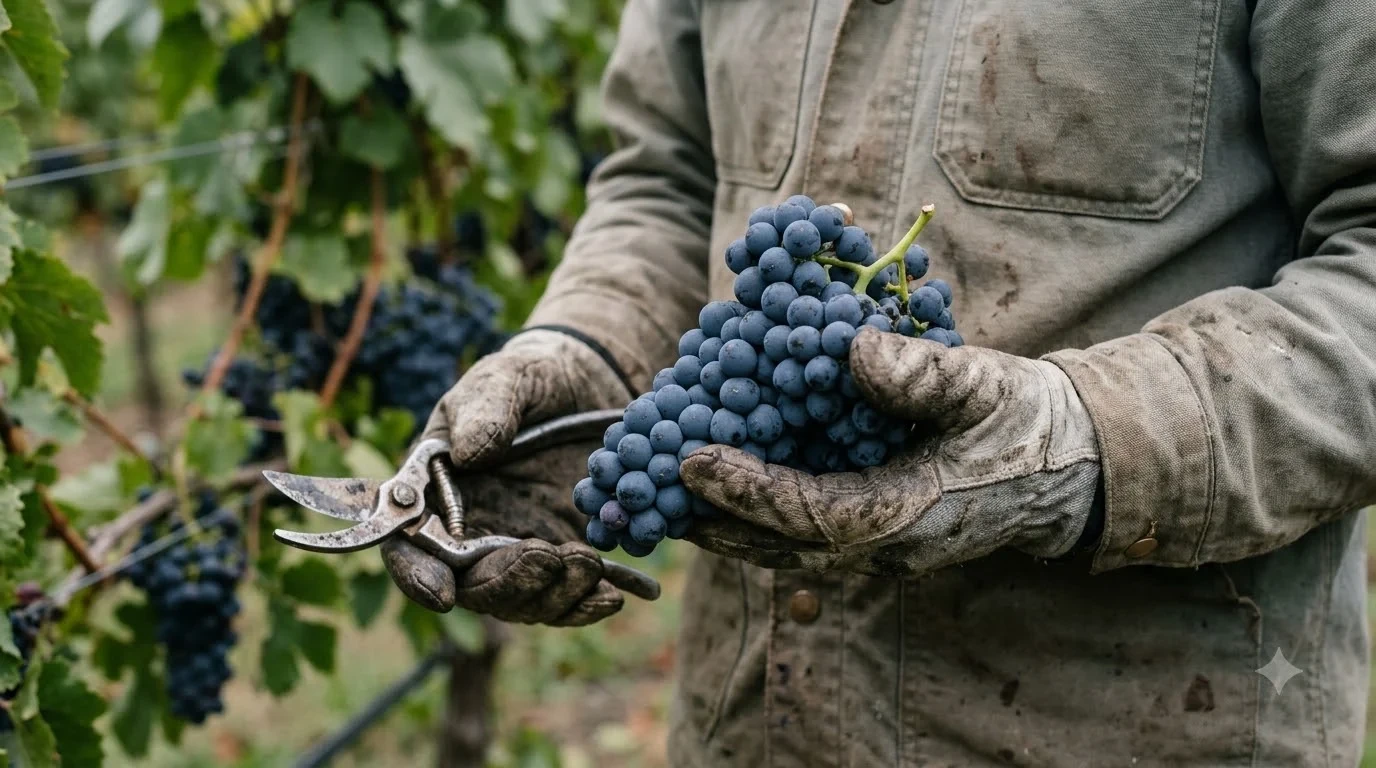
Concord is the predominant grape on the Lake Erie shore. It is an American variety of the Vitis labrusca species, named for Concord, Massachusetts, and it is the most planted grape in New York. Wine Folly describes Concord as having a strong, grapey character, and it is usually grown for juice and flavoring rather than for the fine wine styles that come from European grapes. Concord is known for its bold aroma and its off-dry sweetness.
Beyond Concord, the mix includes Catawba, Niagara, Riesling, Chardonnay, Cabernet Franc, Merlot and Pinot Noir. Catawba and Niagara are both American-style white grapes, and they belong to the same family of cold-hardy varieties as Concord. Riesling and Chardonnay bring a more European character, and the reds such as Cabernet Franc, Merlot and Pinot Noir show that the shore can ripen a range of vinifera varieties when the site is right.
Climate and the Lake Effect
The climate is humid continental, with cold winters and warm summers. The appellation’s annual precipitation averages about 41.5 inches, and the growing season runs about 175 to 200 days. The region records about 2,450 growing degree days, which is enough warmth for many grapes but not as much as in warmer wine regions.
The lake is the defining feature. Lake Erie moderates temperatures, creating what the AVA’s description calls a lacustrine climate. In practice, that means vineyards close to the water are less exposed to early spring frosts and to the deepest winter cold, and frost-free periods run about 170 to 175 days on average, reaching about 200 days in some areas. Sites farther from the lake do not get the same buffering, so site selection matters across the appellation.
How to Serve and Pair Lake Erie Grape Wines
Serving temperature depends on the style. For a Concord-based wine, Wine Folly suggests serving between 55 and 60 degrees Fahrenheit and decanting for about 30 minutes. Concord’s off-dry sweetness and bold flavor pair with strong foods such as barbecue with a sweeter sauce and aged cheeses, which can stand up to its grapey character.
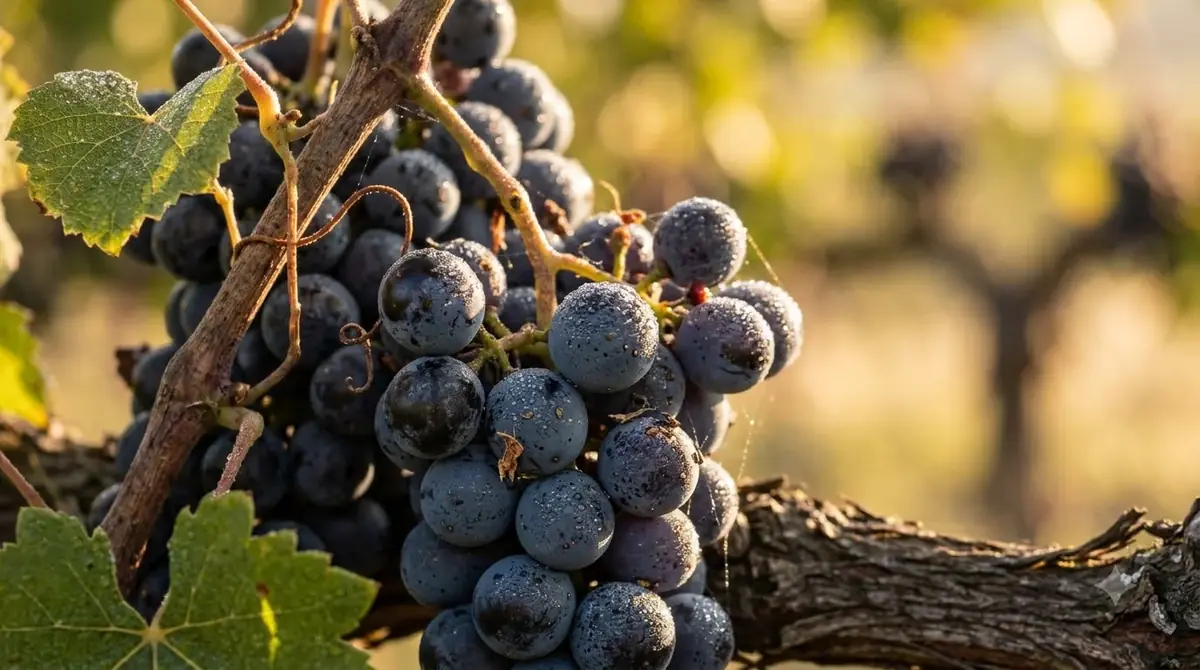
For a Riesling from the shore, the best serving range is cooler. Wine Folly’s Riesling guide recommends 38 to 45 degrees Fahrenheit, and it notes that off-dry styles suit spicy Indian and Asian dishes, as well as duck, pork, bacon, shrimp and crab. Chilling a Riesling properly lets its acidity show and keeps the sweetness in balance.
Tip: If a Concord-based wine tastes too sweet at first, a little food and a few minutes of air can make it feel more balanced.
How to Choose a Lake Erie Vineyard Wine
Start by asking what the grape is. A Concord-based bottle will taste very different from a Riesling, and the label or the producer’s description usually names the variety. If you are new to the region, a Riesling or a Chardonnay from the shore gives a clear sense of the local climate in a cooler, crisper style. Tasting a Concord-based wine next to a European white is a good way to see how far the grape mix stretches, since the two can share a region and still taste nothing alike. Many people find the difference helpful when they decide what to buy for a dinner or a gift. For reds, Cabernet Franc and Pinot Noir show how the lake supports more delicate European grapes.
Read the label for the place name as well. A bottle that names a specific district tells you more about where the grapes were grown than one that gives only a broad regional name. For a broader perspective on how this region compares with other wine areas, the Wine Regions hub is a good place to start, and the Lake Erie wine country guide covers the wineries and visiting side of the same region.
Frequently Asked Questions
Where are the Lake Erie vineyards located?
The vineyards sit along the southern shore of Lake Erie in New York, Pennsylvania and Ohio. The appellation runs from the Toledo area in Ohio east to just south of Buffalo, New York.
What is the main grape grown in Lake Erie vineyards?
Concord is the predominant grape. It is an American variety that is most planted in New York, and it is often used for juice and flavoring as well as wine.
Why does Lake Erie affect the vineyards?
The lake moderates temperatures, which lowers the risk of early spring frost and softens the deepest winter cold near the water. Frost-free periods run about 170 to 175 days on average.
Are Lake Erie vineyards only for juice?
No. Concord is used heavily for juice and flavoring, but the shore also grows Riesling, Chardonnay, Cabernet Franc, Merlot and Pinot Noir, and winemakers use these to make a range of wines.
Lake Erie vineyards show how a large lake can shape a farming region. Try a cool-served Riesling or a Concord-based wine with a simple meal, and compare the two to see how much the grape matters. The wine regions guide is a useful next step if you want to see how this shore compares with other growing areas.
More in Wine Regions
 Willcox Wine Trail: Discover Arizona’s High-Elevation Wine CountryUpdated Nov 20, 2026
 Yakima Valley Wine Region: Find the Best Styles to TryUpdated Nov 20, 2026
 Vosne Romanee Wine Tasting: Identify Aromas and Choose Better PairingsUpdated Nov 20, 2026
 Yakima Valley Wine Festival: Find the Best Seasonal Wine EventsUpdated Nov 20, 2026
 Wales Vineyards: Discover Cool-Climate Wines and Where to VisitUpdated Nov 20, 2026
 Yountville Wine Festival: Discover Napa Wines and Local FoodUpdated Nov 20, 2026