

We may earn a commission when you buy through links on this page, at no extra cost to you. Learn more.
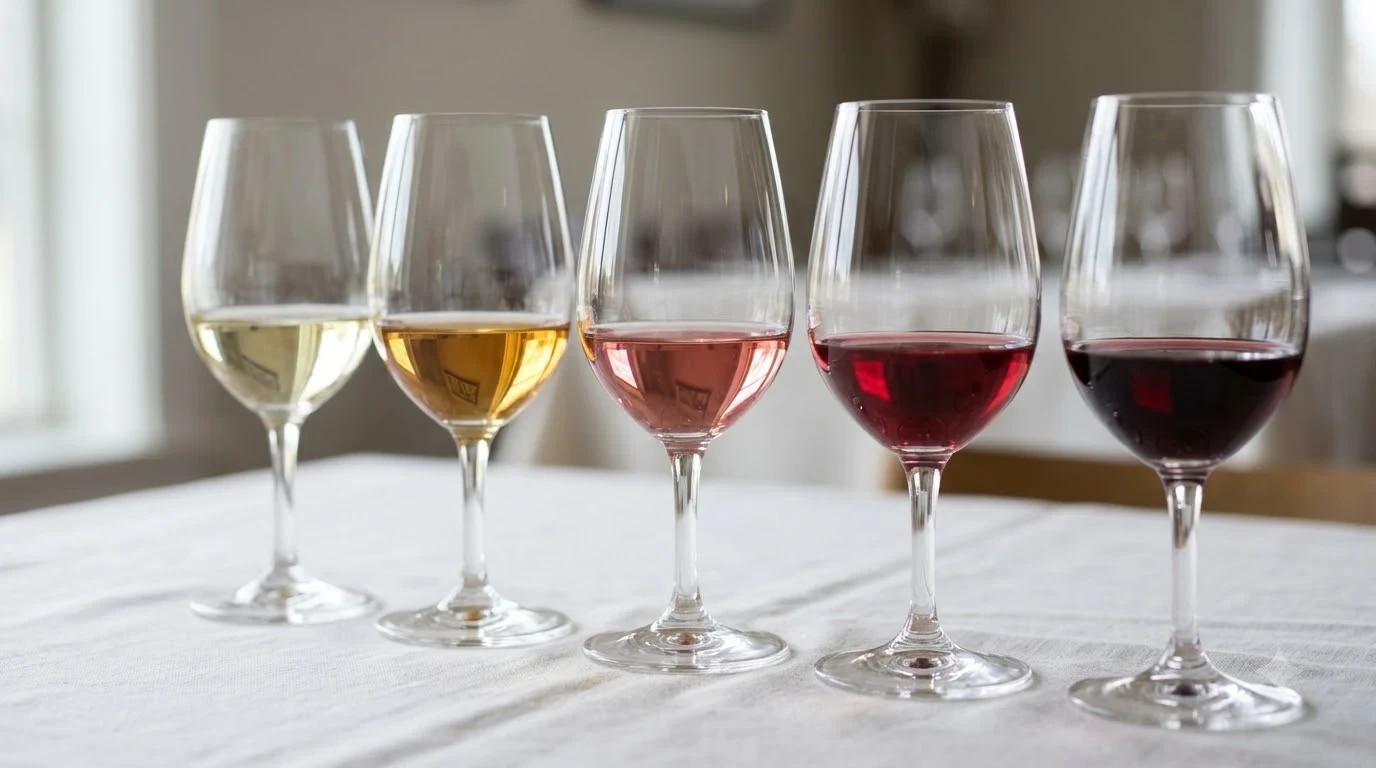
What wine goes with christmas ham? Off-dry Riesling is one of the best choices, especially for traditional honey-glazed or brown-sugar-glazed Christmas ham, because its natural sweetness complements the glaze while its high acidity balances salty, rich pork. Pinot Noir is an excellent red alternative, while dry rosé and sparkling wine offer versatile options for holiday meals. The best bottle depends on how the ham is prepared, how sweet its glaze is, and which side dishes appear on the plate.
Christmas ham brings several flavors together in one centerpiece: cured pork, savory meat, salt, fat, smoke, and often a glossy coating of honey, brown sugar, maple syrup, fruit, or warming spices. That combination makes wine selection more interesting than simply choosing a red for meat or a white for a lighter meal. A successful pairing balances the strongest flavors without making either the wine or the food taste flat. The following recommendations cover traditional baked ham, spiral-cut roasts, smoked preparations, and the leftovers that often become part of the next day’s holiday meal.
Why Sweetness, Salt, and Acidity Matter With Christmas Ham
The most dependable Christmas ham pairings combine refreshing acidity, generous fruit, and enough sweetness to match the glaze. These qualities balance cured pork while keeping the wine enjoyable throughout a meal that may include several rich side dishes.

Ham is naturally salty because curing is part of its preparation. Many holiday recipes add another layer of flavor through honey, brown sugar, maple syrup, pineapple juice, orange marmalade, or a mixture of these ingredients. The result is a dish that combines savory and sweet characteristics. A wine that tastes perfectly balanced on its own can seem unusually sharp or thin beside a strongly sweetened slice of ham.
Sweetness is particularly important. A useful pairing principle is to serve a wine that is at least as sweet as the food. If the glaze tastes distinctly sweet, a completely dry white wine may lose its fruitiness and seem sour. An off-dry Riesling solves much of this problem because it retains a little residual sugar while offering the refreshing acidity needed for salty pork.
Acidity performs another important job. Ham can be fatty, especially around the outer layers and near the scored surface of a roast. Wines with good acidity refresh the palate between bites. Riesling and Sauvignon Blanc are particularly high-acid varieties, while Pinot Noir combines bright acidity with comparatively low tannin. These characteristics make them useful choices for a meal that includes ham, buttery potatoes, roasted vegetables, and other substantial dishes.
Tannin requires more attention when choosing red wine. Tannins create the drying sensation associated with some red wines, particularly young Cabernet Sauvignon. Salt can make that sensation seem more pronounced and unpleasant. Fat and protein can soften tannin, but ham is not necessarily rich enough to balance a heavily structured red. A lighter, fruit-forward red usually provides a better result.
Alcohol is another consideration if the glaze contains chili, mustard, or strong pepper. Alcohol can intensify the sensation of chili heat, while substantial tannin may make the combination feel harsher. Choose a fruity wine with moderate alcohol rather than a powerful, highly alcoholic red when the ham has a noticeable spicy coating.
Tip: Taste the ham with its glaze rather than tasting the plain meat alone before choosing a wine. A honey-and-orange coating can change the ideal pairing considerably compared with a simple smoked ham seasoned with mustard and black pepper.
Best White Wines for Honey, Brown Sugar, and Fruit Glazes
Off-dry Riesling is the most dependable white wine for sweet Christmas ham, while Chenin Blanc, Gewürztraminer, and Sémillon provide alternatives for different glaze ingredients. The important qualities are sufficient fruit, refreshing acidity, and sweetness that can stand alongside the finished roast.
Riesling: Riesling is the first bottle to consider for a traditional honey-glazed ham. Its naturally high acidity balances the salt and richness of cured pork, while a little residual sugar complements the sweetness of honey or brown sugar. The grape is made in several sweetness styles, so look for an off-dry or semi-sweet example if the glaze is pronounced.
German Riesling is a useful place to begin, particularly bottles labeled Kabinett or Spätlese. These categories can include wines with noticeable sweetness, although actual sweetness varies by producer and bottling. Washington State and New York also produce Rieslings in dry and off-dry styles. For a Christmas table with a sweet glaze, choose the version whose sweetness comfortably matches the food.
Chenin Blanc: Chenin Blanc works particularly well when the ham has honey, fruit, or a lightly caramelized coating. It can offer apple, pear, quince, and citrus flavors, along with refreshing acidity. Demi-sec styles are especially useful for sweet preparations, while dry versions are better suited to savory ham with only a modest amount of sugar.
South African Chenin Blanc is an interesting option because the grape is widely grown in the Cape. Look for a bottle with ripe fruit and enough freshness to complement the meat. A richer style can also work when the ham is served with creamy potatoes or a buttery vegetable side.
Gewürztraminer: This aromatic white is worth considering when the glaze contains cloves, cinnamon, ginger, or other warming spices. Its pronounced floral and tropical-fruit aromas complement fragrant seasonings, while a slightly sweet version can match the sugar coating. Alsatian Gewürztraminer is a particularly recognizable expression of the variety.
Its aromatic intensity means that it is not always the most flexible choice for a table with many different dishes. However, it can be an excellent match for a ham with a deliberately spiced glaze. Avoid choosing an aggressively dry, high-alcohol example if the ham is very sweet or heavily seasoned with chili.
Sémillon: Rich Sémillon offers another route, especially for pineapple-glazed ham. Australia’s Hunter Valley is a recognized source of the variety, and its white wines can develop citrus, stone-fruit, and textured characteristics that work with roasted pork. A fuller-bodied Sémillon can stand up to the substantial flavors of a holiday roast better than a very delicate white.
Chardonnay: Chardonnay is more suitable for savory or smoked ham than for a strongly sweet glaze. Its medium acidity and fuller texture can complement roasted meat, smoky notes, and creamy accompaniments. A lightly oaked style is often easier to pair than an extremely buttery, heavily oaked bottle, particularly if the ham already has a rich glaze.
Best Red Wines for Christmas Ham
Pinot Noir is the safest red wine for Christmas ham because its relatively low-to-medium tannin, bright acidity, and red-fruit flavors suit both savory pork and moderately sweet glazes. Gamay, Merlot, Grenache, and Zinfandel offer additional options depending on the amount of smoke, spice, and sweetness in the preparation.
Pinot Noir: Pinot Noir is the best starting point for guests who prefer red wine. Its cherry, raspberry, cranberry, and sometimes earthy flavors complement the savory character of pork without overwhelming it. Compared with Cabernet Sauvignon, it generally has softer tannins and a lighter structure.
That lighter profile makes Pinot Noir particularly flexible at Christmas. It can accompany baked ham, roasted vegetables, mushroom dishes, and lighter poultry dishes served alongside the main roast. Burgundy, Oregon, California, and New Zealand all offer examples worth considering, although individual wines vary in body and ripeness.
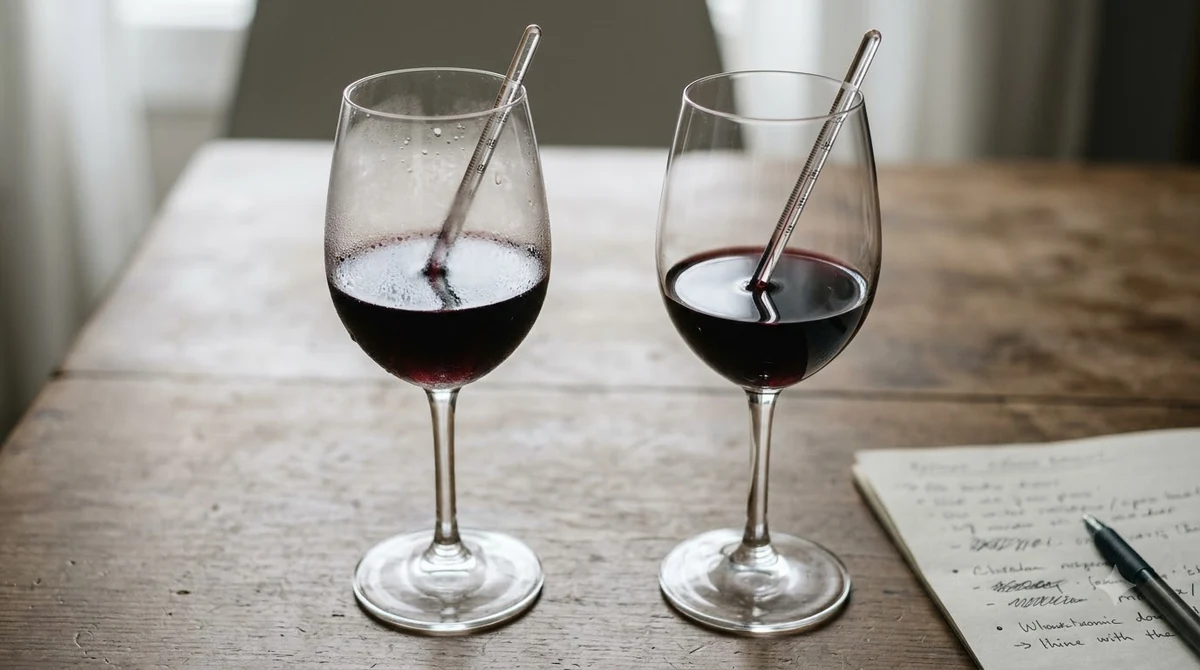
Serve Pinot Noir slightly cool rather than at a warm room temperature. A serving range of 55–60°F helps preserve its freshness and makes the wine feel more refreshing alongside a rich holiday meal.
Gamay: Gamay, especially in Beaujolais, offers juicy fruit and relatively gentle tannins. Its red-cherry and berry flavors suit savory ham, and its freshness makes it a useful option for cold leftovers. Beaujolais-Villages and cru Beaujolais provide different levels of concentration, so choose according to the richness of the roast.
For a Christmas meal with several side dishes, Gamay is especially useful because it does not demand the attention that a powerful red wine might. It can accompany roasted vegetables, stuffing, and lighter poultry dishes while remaining pleasant beside pork.
Merlot: Merlot is a good alternative for people who want a smoother, fuller red. Its medium tannin and plum, black-cherry, and dark-berry flavors suit a more savory ham, especially when the glaze is not excessively sweet. It also works with roasted potatoes and other rich side dishes.
A softer Merlot is generally more appropriate than a heavily structured, oak-dominated version. The aim is to complement the pork rather than compete with the sweetness or saltiness of the preparation.
Grenache: Grenache brings ripe red fruit, spice, and a fuller texture. It can be particularly successful with orange, marmalade, and moderately sweet glazes. Grenache-based blends from southern France and Australia are worth considering, especially when the ham has both smoky and fruity flavors.
A GSM blend combines Grenache, Syrah, and Mourvèdre. These blends can offer more depth than a simple light red while retaining plenty of fruit. Choose a balanced version rather than one dominated by heavy tannin or excessive alcohol.
Zinfandel: Zinfandel is a strong choice for smoked ham, peppery seasoning, and brown-sugar coatings that are not excessively sweet. Its ripe blackberry and raspberry fruit, often accompanied by pepper and spice, can match the deeper flavors of a roasted or smoked joint.
However, Zinfandel often has higher alcohol than Pinot Noir or Gamay. If the ham has a hot chili glaze, a powerful Zinfandel may intensify the heat. A fruit-forward, balanced example is a better choice than one with very high alcohol and substantial oak.
Heavy Cabernet Sauvignon is generally less reliable with sweet, salty ham. Its high tannin can make the pairing taste bitter or metallic, especially when the glaze contains a considerable amount of sugar. Save a strongly structured Cabernet for a meal with more substantial protein and less sweetness.
Choose Wine According to the Ham Preparation and Glaze
The glaze and cooking method can change the ideal bottle more than the cut of pork itself. Honey, pineapple, smoke, mustard, cloves, and brown sugar each contribute a different flavor, so matching the wine to the dominant characteristic produces more consistent results.
The following chart provides a practical starting point for common Christmas preparations.
| Christmas Ham Style | Best White Wine | Best Red Wine | Alternative |
|---|---|---|---|
| Honey glazed | Off-dry Riesling | Pinot Noir | Chenin Blanc |
| Brown sugar glazed | Off-dry Riesling | Gamay | Rosé |
| Maple glazed | Demi-sec Chenin Blanc | Pinot Noir | Gewürztraminer |
| Pineapple glazed | Riesling or Sémillon | Pinot Noir | Gewürztraminer |
| Orange marmalade glazed | Chenin Blanc | Grenache | Australian Shiraz |
| Smoked ham | Chardonnay | Zinfandel | Dry rosé |
| Mustard and herb crust | Dry Riesling | Gamay | Pinot Noir |
| Clove-spiced ham | Gewürztraminer | Zinfandel | Off-dry Riesling |
Honey and brown sugar: These are among the most common Christmas ham coatings. Both create a sweet surface that can make dry wines taste sharper. Off-dry Riesling is a particularly dependable match because it has enough sweetness to complement the coating and enough acidity to refresh the palate. Pinot Noir is a sensible red alternative if the glaze is moderate rather than intensely sugary.
Maple glaze: Maple syrup introduces a distinctive caramel-like sweetness. Chenin Blanc with some residual sugar can complement this flavor, while Pinot Noir works if the ham has a more savory profile underneath. If the recipe also uses cloves or cinnamon, aromatic Gewürztraminer becomes another appealing choice.
Pineapple glaze: Pineapple adds fruit acidity as well as sweetness. Riesling and Chenin Blanc provide enough freshness to accompany the fruit, while Sémillon offers a richer alternative. A slightly sweet Gewürztraminer can also work if the recipe includes aromatic spices.
Orange and marmalade glaze: Citrus preserves combine sweetness with a recognizable bitter-orange character. Grenache and fruit-forward Australian Shiraz are useful red options because their ripe fruit can complement the orange notes. A fuller-bodied white such as Chenin Blanc can work if the preparation is not too sweet.
Smoked ham: Smoke shifts the pairing toward savory flavors. Chardonnay, dry rosé, Zinfandel, and Pinot Noir can all work, depending on the intensity of the smoke. A richer, more savory preparation generally needs a wine with more body than a very delicate white.
Mustard and herb crust: A mustard coating introduces sharpness rather than straightforward sweetness. Dry Riesling, Gamay, and Pinot Noir are useful choices. If the mustard is especially hot, avoid high-alcohol wines and heavily tannic reds, which can make the heat seem stronger.
Spiral-cut ham: Spiral-cut ham is frequently served with a sweet coating that reaches the cut surfaces between slices. This can make the overall flavor particularly sweet. Off-dry Riesling and Chenin Blanc are reliable white choices, while Pinot Noir is suitable when the glaze is relatively restrained.
For additional preparation-specific recommendations, Decanter’s Christmas ham wine-pairing recommendations discuss the differences between glazed roasts, smoky preparations, and cold leftovers.
Rosé, Sparkling Wine, and Holiday Table Pairings
Dry rosé and sparkling wine are excellent choices when Christmas ham is served with a variety of side dishes or when guests have different wine preferences. Their freshness makes them versatile alternatives to a dedicated red or white pairing.
Dry rosé: Rosé provides some of the fruit character associated with red wine while retaining the freshness of many white wines. Strawberry, raspberry, citrus, and watermelon notes can complement pork without overwhelming the glaze. A dry rosé is particularly useful when the ham is moderately sweet and the meal includes salads, vegetables, or lighter appetizers.
Rosé also solves a practical problem at large holiday gatherings. Some guests may prefer red wine while others want white, but not everyone wants several different bottles opened at once. A well-balanced dry rosé can provide a middle ground. Serve it at 45–50°F to preserve its refreshing character.
Brut sparkling wine: Brut sparkling wine is a versatile choice for the beginning of a Christmas meal. Its acidity and bubbles work well with salty appetizers, cheese, and savory ham. Traditional-method sparkling wines such as Champagne and Cava receive their second fermentation in the bottle, producing their characteristic bubbles.
Prosecco is another option. It is made primarily from the Glera grape and generally uses the tank method for its secondary fermentation. Its fruit-forward character can suit a moderately sweet ham, although a very sweet glaze may call for a sparkling wine with more residual sugar.
Understanding sparkling wine sweetness labels helps avoid an awkward match. The usual progression from driest to sweetest is Brut Nature, Extra Brut, Brut, Extra Dry, Dry, Demi-Sec, and Doux. Despite its name, Extra Dry is sweeter than Brut. For a traditional salty ham with a modest glaze, Brut is a useful starting point. For a noticeably sweet coating, Demi-Sec may be more suitable.
Other dishes on the table: Christmas meals rarely consist of ham alone. Turkey, mashed potatoes, stuffing, roasted carrots, cranberry sauce, green beans, and sweet potatoes can all influence the pairing. A wine that suits the ham but clashes with every side dish may not be the best choice for the meal as a whole.
Pinot Noir is a practical red option for a mixed table because it can accompany both ham and poultry. Off-dry Riesling is particularly useful if the menu includes sweet potatoes, fruit sauces, or a sweet glaze. Dry rosé and Brut sparkling wine are flexible choices for guests who want a wine that works with several smaller dishes.
For more specific recommendations covering different ham preparations, Kendall-Jackson’s wine and ham pairing guide compares Riesling, Chenin Blanc, Pinot Noir, Chardonnay, rosé, sparkling wine, and Zinfandel.
For a more detailed approach to choosing wines for different ingredients and preparation styles, the Wine Pairing resource provides a useful starting point. You can also compare the recommendations for what wine goes with honey baked ham if honey is the main ingredient in your recipe.
Serving Temperatures, Bottle Quantities, and Leftover Ham
Serving temperature and sensible bottle planning can improve the Christmas meal as much as selecting the right variety. Light reds should be served cooler than many people expect, whites should remain refreshing, and opened bottles should be stored properly if the celebration continues over several days.
The following serving guide covers the principal styles recommended for Christmas ham.
| Wine Style | Serving Temperature | Typical Pour |
|---|---|---|
| Brut sparkling wine | 40–50°F | 5 oz |
| Riesling | 45–50°F | 5 oz |
| Chenin Blanc | 45–50°F | 5 oz |
| Chardonnay | 50–55°F | 5 oz |
| Dry rosé | 45–50°F | 5 oz |
| Pinot Noir | 55–60°F | 5 oz |
| Gamay | 55–60°F | 5 oz |
| Grenache | 60–65°F | 5 oz |
| Zinfandel | 60–65°F | 5 oz |
These temperatures are useful targets rather than strict rules. A white served too cold can lose some of its aroma, while a red served too warm may taste overly alcoholic and heavy. If a Pinot Noir has been stored at room temperature, a short period in the refrigerator can bring it closer to its ideal serving range.
How much wine should you buy? A standard 750 ml bottle contains approximately five 5-ounce servings. For a dinner with six adults who each expect two glasses, three bottles provide approximately 15 servings. If guests are drinking both sparkling wine before dinner and another wine with the ham, plan the quantities for each part of the meal separately.
Offering two contrasting styles is often more useful than buying several bottles of similar wine. An off-dry Riesling and a Pinot Noir cover most traditional ham preparations, while a Brut sparkling wine can serve as an additional option for appetizers and the beginning of the meal.
Decanting red wine: Young, full-bodied reds can benefit from 30–60 minutes of decanting. This is more relevant to a concentrated Grenache blend or powerful Shiraz than to a light, delicate Pinot Noir. Avoid assuming that every red needs extensive aeration before serving.
Storing opened bottles: Keep opened Riesling, Chardonnay, and rosé in the refrigerator and use them within approximately 3–5 days. Sparkling wine generally retains its best character for around 1–3 days with an appropriate sparkling-wine stopper. Fortified wines can last several weeks after opening, while bag-in-box wines commonly remain usable for 4–6 weeks after opening when stored appropriately.
Unopened bottles should be stored away from direct sunlight and significant temperature changes. For bottles intended for longer storage, a cool environment near 55°F is a useful target. Cork-finished bottles are generally stored on their sides so the cork remains in contact with the wine.
Leftover ham deserves some attention because the wine pairing can change after the main meal. Cold ham is generally less dependent on the glaze than a hot roast, particularly when served in sandwiches or with salads. Gamay and Pinot Noir are useful red options, while dry Riesling and sparkling wine work well with salty slices.
If the leftovers are served with creamy potatoes, a pasta dish, or a cheese-based casserole, Chardonnay may be a better fit than it was with the original sweet glaze. For additional ideas, compare what wine goes with glazed ham and what wine goes with Easter ham. The same basic pairing principles apply throughout the year, even when the side dishes and seasoning change.
Frequently Asked Questions
Can you serve the same wine with Christmas ham and turkey?
Yes. Pinot Noir is one of the more flexible choices because its relatively low tannin and bright acidity suit both roasted poultry and pork. An off-dry Riesling is another option if the ham has a sweet glaze and the turkey is served with fruit-based accompaniments. For a mixed holiday buffet, dry rosé can also provide a useful middle ground.
Does Lambrusco pair with Christmas ham?
Yes. Fruity Lambrusco can be an appealing match for salty pork, especially when served slightly chilled. Some styles are dry, while others have noticeable sweetness, so the sweetness level matters when matching a glazed ham. Its bubbles also make it suitable for a casual holiday buffet.
Is Moscato a suitable wine for Christmas ham?
Moscato can work with a distinctly sweet ham glaze, particularly when the wine has enough acidity to avoid tasting heavy. Moscato d’Asti is a lightly sparkling Italian style with aromatic fruit and relatively gentle alcohol. It is best suited to guests who prefer a sweeter, lighter wine rather than a dry red.
Can Champagne accompany a ham sandwich the next day?
Yes. Brut Champagne can complement a ham sandwich because its bubbles and acidity refresh the palate between bites. It is especially suitable when the sandwich includes creamy cheese, mustard, or a rich spread. A dry Cava or another traditional-method sparkling wine can serve a similar role.
Should Christmas ham be served with wine before or after carving?
Wine can be poured while the cooked ham rests, giving guests time to enjoy a first glass before the main course. For a large roast, allow approximately 15–30 minutes of resting time as a practical cooking guideline, depending on its size and preparation. This also provides an opportunity to bring the wine to its intended serving temperature and prepare the accompanying dishes.
For most Christmas dinners, off-dry Riesling is the easiest match for a sweet glazed ham, while Pinot Noir is the most dependable red alternative. If the roast is heavily smoked, spiced, or coated with fruit, adjust the wine accordingly rather than relying on one bottle for every preparation. With the right balance of fruit, acidity, sweetness, and tannin, Christmas ham can be one of the most enjoyable dishes to pair with wine.
More in Food & Wine Pairing
 Risotto With White Wine Recipe: Make a Creamy Dinner at HomeUpdated Nov 20, 2026
 Wassail With Wine Recipe for a Festive Spiced Holiday DrinkUpdated Nov 20, 2026
 Spritz Veneziano Recipe: Make a Classic Venetian Aperitivo at HomeUpdated Nov 20, 2026
 Summer Wine Punch Recipe for Easy Homemade EntertainingUpdated Nov 20, 2026
 Bishop Recipe: How to Make a Bright, Citrus-Forward Red Wine CocktailUpdated Nov 20, 2026
 Wine Cupcakes Recipe: Bake Rich Chocolate Cupcakes at HomeUpdated Nov 20, 2026