

We may earn a commission when you buy through links on this page, at no extra cost to you. Learn more.
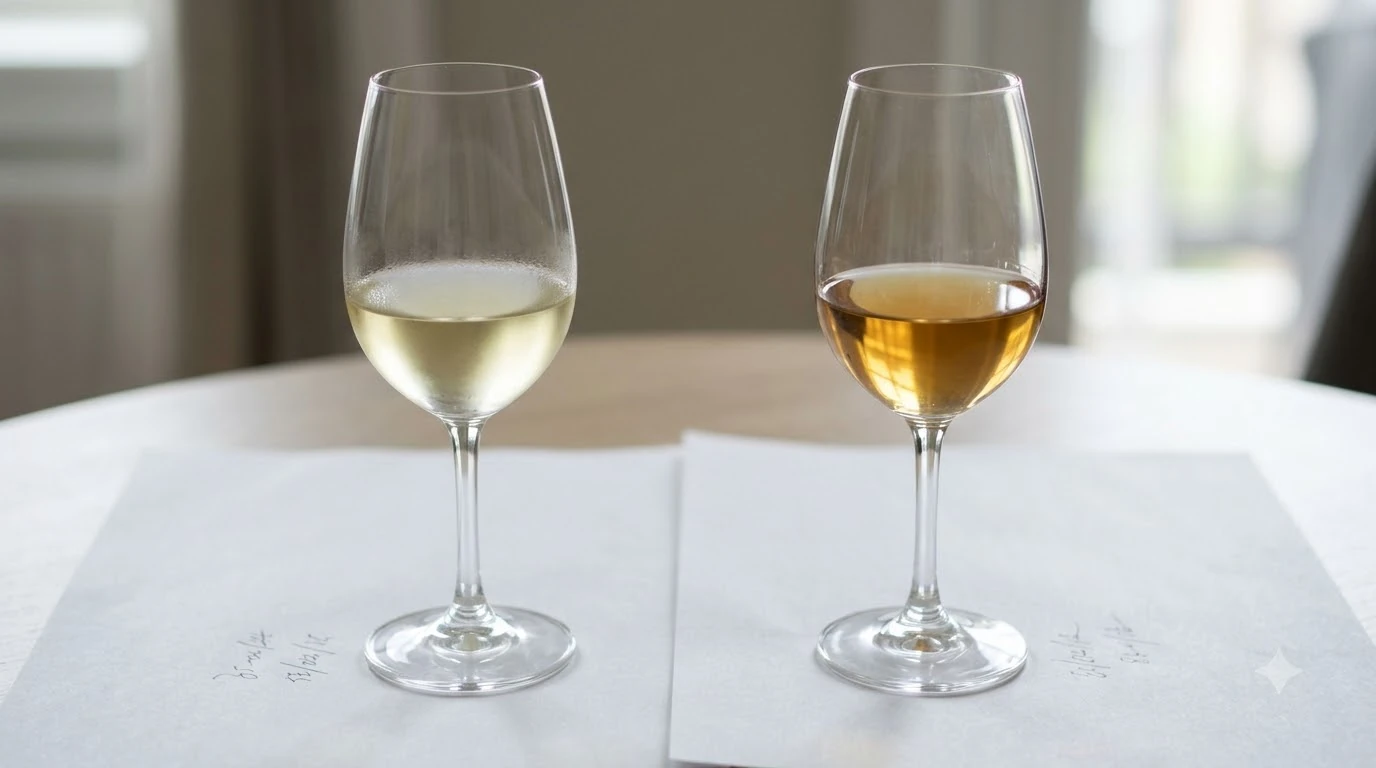
What wine goes with glazed ham? Off-dry Riesling is the most dependable match because its gentle sweetness meets the glaze while its bright acidity balances the pork’s salt and richness. Chenin Blanc, dry rosé, and light, fruit-forward reds such as Pinot Noir are also excellent choices. The best bottle depends on the glaze, how smoky the ham is, and the side dishes on the table. For a single crowd-friendly choice, start with Riesling; for guests who prefer red, add a chilled Pinot Noir or Gamay.
Glazed ham combines cured-meat salt, fat, roasted pork, and a sweet or spiced coating. Honey, brown sugar, maple, pineapple, mustard, and cloves each change the balance, so match the strongest flavor first and then consider smoke and side dishes.
The Best Overall Wines for Glazed Ham
Off-dry Riesling is the safest all-purpose match for a sweet glazed ham, with Chenin Blanc and dry rosé close behind. For red wine, choose a fresh, low-tannin style such as Pinot Noir or Gamay rather than a dense Cabernet Sauvignon.
Riesling brings noticeable acidity and, in an off-dry style, enough sweetness to meet honey or brown sugar without tasting sour. Citrus, apple, peach, and floral notes provide a fresh counterpoint to salty pork. The wine should taste at least as sweet as the glaze; a bone-dry white is less reliable beside a sticky honey coating.
Chenin Blanc is flexible: an off-dry version echoes the glaze, while a drier one suits savory sides or a lighter fruit coating. Dry rosé offers white-wine freshness with enough red-fruit character for roasted pork. Red-wine drinkers can choose Pinot Noir or Gamay, both lower in tannin than Cabernet Sauvignon and bright with cherry or raspberry fruit. Decanter’s ham pairing recommendations also include Zinfandel, Grenache blends, Pinotage, and Syrah for more intensely flavored preparations. If you are opening only one bottle, Riesling gives the broadest coverage; add a lighter red when guests want a red-wine option. This is a better solution than choosing one powerful red and expecting it to suit both a sugary glaze and delicate side dishes.
Let the Glaze Decide the Pairing
The glaze has more influence on the match than the cut or shape of the ham. Honey and brown sugar call for enough wine sweetness to keep the wine’s fruit present, while citrus, pineapple, mustard, and smoke can make fruitier or more savory wines appealing.
Use the guide as a starting point. A thin brush of honey is less sweet than a thick caramelized coating, while mustard adds sharpness rather than syrupy sweetness.
| Glaze or preparation | Wine to choose | Why it works | Serving temperature |
|---|---|---|---|
| Honey or brown sugar | Off-dry Riesling | Matching sweetness with lively acidity | 45–50°F |
| Maple or bourbon-style glaze | Chenin Blanc or fruity Zinfandel | Orchard fruit or ripe berry flavors complement caramel notes | 45–50°F for Chenin; 60–65°F for Zinfandel |
| Pineapple or orange marmalade | Riesling, Gewürztraminer, or Sémillon | Fresh acidity and aromatic fruit echo the glaze | 45–50°F for Riesling; 50–55°F for fuller whites |
| Mustard, clove, and warm spice | Off-dry Riesling or fruity Grenache blend | Fruit balances spice without heavy tannin | 45–50°F for Riesling; 55–60°F for a lighter red |
| Cola or treacle with smoke | Zinfandel or Pinotage | Ripe fruit and spice meet smoky, darker flavors | 60–65°F |
| Lightly glazed or savory ham | Pinot Noir or dry rosé | Fresh fruit and acidity keep the pork in focus | 55–60°F for Pinot Noir; 45–50°F for rosé |
With spiral-cut or roast ham, honey needs a wine with sweetness of its own. The article on what wine goes with honey baked ham focuses on that version. Brown sugar and maple bring deeper caramel notes, which can suit rounder Chenin Blanc or a fruit-forward red.
Pineapple and orange work with aromatic whites: Riesling is versatile, Gewürztraminer adds floral spice, and Sémillon has a broader texture. Decanter points to Hunter Valley Sémillon for ham and pineapple, alongside Viognier, old-vine South African Chenin Blanc, and Alsace Gewürztraminer. With mustard or cloves, choose juicy fruit and freshness rather than extra tannin. If the recipe uses a thick mustard crust, the glaze may taste less sweet than the ingredients suggest, so taste a finished slice before choosing a very sweet wine. Orange marmalade also favors fruit-forward reds when its bitterness and citrus peel are prominent.
White Wines for Honey, Brown Sugar, and Fruit Glazes
White wines are especially dependable with sweet glazed ham because they can combine high acidity with a touch of residual sugar. Riesling is the first bottle to consider, while Chenin Blanc, Gewürztraminer, and Sémillon offer different ways to match fruit, spice, and texture.
Choose Riesling by sweetness rather than country. Bottlings range from bone-dry to noticeably sweet; an off-dry version usually suits a standard honey or brown-sugar glaze while staying refreshing beside salty pork. A sweeter style can work with a very sticky coating or fruit chutney, but the aim is balance rather than a dessert-like match.
Chenin Blanc suits a mixed plate of ham, rich potatoes, buttery rolls, and vegetables. A lightly off-dry version matches the coating; a dry, fruit-forward example is more adaptable when the ham is not heavily glazed. South African Chenin can offer fuller texture without relying on overt oak.
Gewürztraminer can echo cloves, allspice, orange, or pineapple with floral spice, though a very sweet example may overwhelm a lightly glazed roast. Sémillon complements pineapple and citrus; Viognier brings a broader, fragrant profile. Wine Enthusiast’s Easter brunch pairing advice also names fresh whites such as Albariño and Chenin Blanc, along with rosé and sparkling wine. Crisp Albariño or Sauvignon Blanc is best with less-sweet slices, green vegetables, herbs, or tangy salad, since a very dry white can seem sharp beside a sugary coating. Chardonnay is another option for a more savory roast, particularly when the ham is served with creamy potatoes; favor a fresh style rather than one dominated by heavy toast or vanilla.
Red Wines That Work With Smoky or Less-Sweet Ham
Red wine can pair well with glazed ham when its tannins stay moderate and its fruit remains lively. Pinot Noir and Gamay are the most flexible choices; Grenache, Zinfandel, and Pinotage make sense with deeper smoke, spice, or a less sugary glaze.
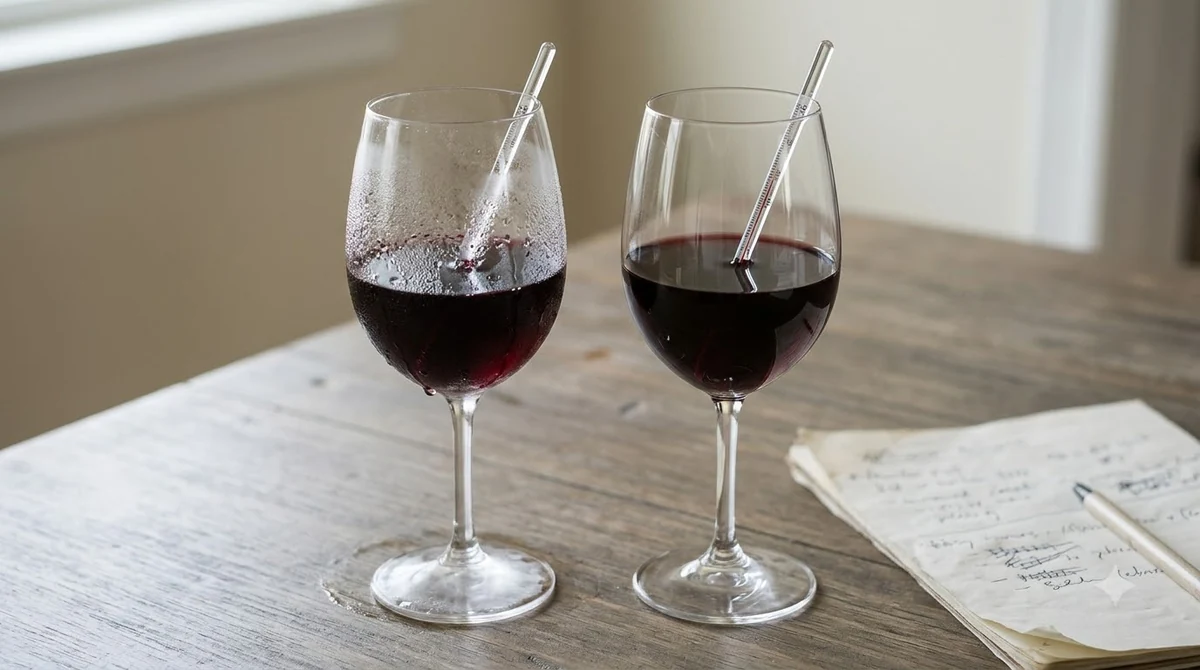
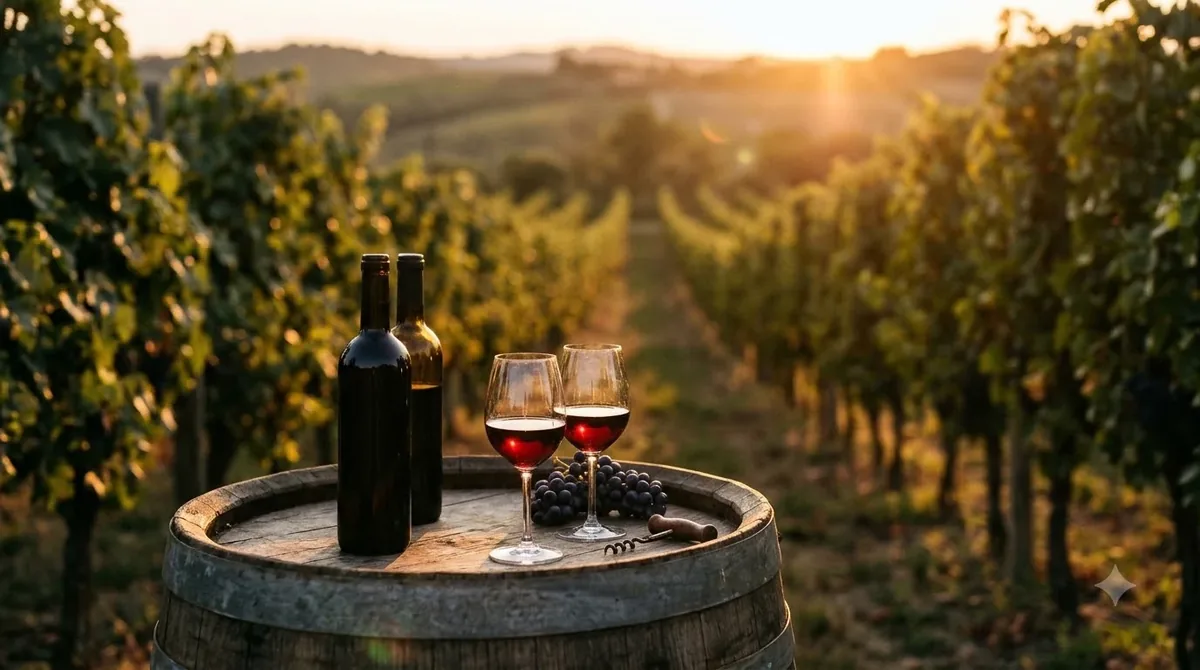
Pinot Noir has low-to-medium tannin and high acidity, making it easier to pair with cured pork than firm Cabernet Sauvignon. Look for cherry, cranberry, raspberry, and subtle earth rather than heavy extraction or oak. Serve it lightly chilled at 55–60°F with warm ham, roasted vegetables, or slices that have more savory pork flavor than sugar.
Gamay, especially in a fresh Beaujolais style, offers bright red fruit and a light frame for sandwiches, leftovers, or a roast without a very sweet coating. Decanter notes that cold leftovers may suit Beaujolais cru or young village Burgundy even when those wines seem sharp beside hot glazed ham; cooling the meat changes how its fat, sweetness, and seasoning register.
For cola, treacle, or charred edges, consider Zinfandel or Pinotage, whose ripe fruit and spice meet smoky notes. A fruit-forward Grenache blend is another option. Decanter also singles out Australian Shiraz from Barossa or McLaren Vale and Grenache-Syrah-Mourvèdre blends for orange or marmalade glazes. These fuller reds suit a bold coating better than delicate honey-glazed slices; skip a young, highly tannic Cabernet Sauvignon, which can taste hard beside salty cured meat. If chili or hot mustard is part of the recipe, keep the red moderate in alcohol and avoid a firm tannic finish, since heat can make both qualities feel stronger. Serve richer reds with the most caramelized pieces, not with every side dish on the table.
Rosé and Sparkling Wine for a Mixed Holiday Table
Dry rosé and sparkling wine are strong choices when guests are eating several dishes or have different wine preferences. Rosé bridges white and red styles, while sparkling wine brings freshness and a lively texture that suits salty, rich food.
A dry rosé made from Grenache, Cinsault, or similar grapes refreshes the palate with acidity and red-fruit notes. Choose a light, crisp style for honey-glazed ham and richer sides; a deeper, more savory rosé can accompany smoked ham, grilled vegetables, or mustard sauce. The key is a dry finish and enough flavor to keep pace with the meal.
Sparkling rosé is especially appealing with cinnamon and clove. Wine Enthusiast recommends bubbles, specifically sparkling rosé, with baked cured ham and a spiced glaze. Brut works with a less-sweet coating; a sticky glaze is better with a sparkling wine that retains some sweetness.
Prosecco is made primarily from Glera using the tank method; Cava and Champagne undergo their second fermentation in the bottle, often bringing more yeast-derived texture. Sparkling wine works as an aperitif and alongside salty appetizers or roast vegetables, but bubbles do not cancel a very sugary glaze. For a crowd, offer a chilled rosé or sparkling wine for freshness and off-dry Riesling for the sweetest slices. Keep sparkling bottles around 40–50°F and open them close to serving time so the bubbles stay lively. A dry sparkling wine is a good fit for salty appetizers before dinner, while a slightly softer style can handle a sweeter coating more gracefully.
Serving Temperature, Portions, and the Rest of the Menu
Good serving choices make the pairing clearer: keep whites and rosé cool but not icy, and let lighter reds warm slightly from refrigerator temperature. A 750-milliliter bottle gives about five standard 5-ounce pours, which helps estimate how much wine to set out for dinner.
Use these ranges as a practical guide: sparkling wine at 40–50°F, light whites and rosé at 45–50°F, fuller whites at 50–55°F, light reds at 55–60°F, and full reds at 60–65°F. A very cold white can lose aroma, while a warm red can seem more alcoholic. Refrigerate Riesling and rosé ahead of dinner; briefly chill Pinot Noir or Gamay for freshness. A 750-milliliter bottle provides about five 5-ounce pours, so two bottles cover roughly ten glasses. Allow extra for a long meal with several courses. Keep opened still wines in the refrigerator with a stopper and use them within 3–5 days; sparkling wine generally keeps for about 1–3 days after opening.
Consider the sides as well as the meat. Scalloped potatoes, mac and cheese, and buttery rolls make acidity useful; cranberry relish, pineapple, chutney, and sweet potatoes add sweetness; green beans and mustard sauce bring sharper savory flavors. Riesling or sparkling wine refreshes a rich plate, while dry rosé, Chenin Blanc, or Pinot Noir can fit the more savory sides. Wine Enthusiast likewise recommends considering sauces and accompaniments instead of focusing only on the protein. Christmas ham may share the table with turkey, stuffing, and sweet potatoes, while Easter ham often appears with eggs, asparagus, and pastries. The guides to what wine goes with Christmas ham and what wine goes with Easter ham address those seasonal menus. For broader principles on sweetness, acidity, and body, see the Wine Pairing resource. If the meal stretches over several hours, keep the white and rosé chilled between pours and place reds away from a warm oven or sunny window. Small serving adjustments can preserve freshness long after the first glass.
Tip: Taste a small slice with the wine before guests sit down. If the wine seems sharp beside the glaze, switch to a slightly sweeter bottle; if it tastes flat beside the salty ham, choose a fresher, more acidic style or serve the wine a little cooler.
Frequently Asked Questions
Can I serve a dry wine with honey-glazed ham?
Yes, especially when the glaze is served on the side or guests can choose less-coated slices. A dry, aromatic white can also work when the plate includes vinegar-dressed cabbage or a sharp mustard relish, since those tangy accents reduce the impression of sweetness.
Is Chardonnay a good match for glazed ham?
Yes, especially with a savory ham or a meal built around creamy potatoes and roasted vegetables. A Chardonnay aged in neutral oak or stainless steel will show less vanilla and toast than a heavily new-oak style, leaving more room for the pork and seasoning.
Does sparkling wine need to be Brut for ham?
No. In the traditional sparkling-wine sweetness sequence, Extra Dry is sweeter than Brut, and Demi-Sec is sweeter still. That naming can surprise shoppers, so compare the sweetness terms rather than assuming “Extra Dry” means the driest bottle.
What should I pour with leftover glazed ham?
For ham folded into a quiche, egg strata, or a savory bean soup, choose a fresh rosé or a light red with moderate body. Those dishes add ingredients and textures that are not present in a plain slice, so the pairing should account for the eggs, broth, or beans as well as the pork.
How much wine should I plan for a ham dinner?
For eight adults having two standard pours each, plan for 16 glasses, or about four 750-milliliter bottles when rounding up from five pours per bottle. Adjust that estimate for guests who prefer other drinks, a shorter lunch, or a multi-course dinner.
For most glazed hams, an off-dry Riesling is the most reliable starting point, with Chenin Blanc and dry rosé close behind. Choose a softer red for a less-sweet roast or a fruitier, more assertive red for deep smoke and caramelized spice. Match the glaze first, then adjust for the sides and the preferences at the table.
More in Food & Wine Pairing
 Risotto With White Wine Recipe: Make a Creamy Dinner at HomeUpdated Nov 20, 2026
 Wassail With Wine Recipe for a Festive Spiced Holiday DrinkUpdated Nov 20, 2026
 Spritz Veneziano Recipe: Make a Classic Venetian Aperitivo at HomeUpdated Nov 20, 2026
 Summer Wine Punch Recipe for Easy Homemade EntertainingUpdated Nov 20, 2026
 Bishop Recipe: How to Make a Bright, Citrus-Forward Red Wine CocktailUpdated Nov 20, 2026
 Wine Cupcakes Recipe: Bake Rich Chocolate Cupcakes at HomeUpdated Nov 20, 2026