

We may earn a commission when you buy through links on this page, at no extra cost to you. Learn more.
What wine goes with honey baked ham? Off-dry Riesling is one of the best choices because its natural sweetness complements the honey glaze while its bright acidity balances the ham’s salt and richness. Chenin Blanc, Moscato, and sparkling rosé are excellent alternatives for white and sparkling wine drinkers. If you prefer red, choose a fruity, lower-tannin wine such as Pinot Noir, Gamay, or Grenache rather than a heavily tannic Cabernet Sauvignon.
Honey baked ham is a popular centerpiece for Christmas, Easter, Thanksgiving gatherings, and family celebrations. Its combination of savory pork, salt, rendered fat, and a glossy sweet coating creates a distinctive pairing challenge. The right bottle should complement the honey without tasting sour beside it, refresh the palate between bites, and work with the side dishes surrounding the ham. Understanding sweetness, acidity, body, and tannin makes choosing a suitable wine much easier.
Why Sweetness and Acidity Matter With Honey Baked Ham
Honey baked ham needs a wine that can balance both the sweetness of its glaze and the saltiness of its meat. A slightly sweet, high-acid wine usually provides the most dependable combination because it complements the honey while keeping each bite refreshing.
Ham is naturally salty because it is cured, while the honey coating adds concentrated sweetness. Depending on the recipe, brown sugar, mustard, cloves, cinnamon, or fruit juices may contribute additional flavors. The meat also contains fat, which creates a rich texture that benefits from the refreshing effect of acidity.
Sweetness is particularly important. When a sweet glaze meets a completely dry wine, the wine can taste sharper, thinner, and more acidic than expected. A wine with some residual sugar maintains its fruit character and creates a more harmonious combination. The general rule is to choose a wine at least as sweet as the food it accompanies.
Acidity provides the second part of the solution. It refreshes the palate after salty, fatty bites and prevents the pairing from feeling heavy. Riesling and Sauvignon Blanc are naturally high-acid grapes, while Chenin Blanc can offer a similarly refreshing combination of fruit and acidity.
Tannin deserves attention when choosing red wine. Tannins create the drying sensation associated with certain red wines. Salt can make this sensation seem more pronounced, so heavily structured reds may taste bitter or harsh beside ham. Pinot Noir and Gamay are generally more comfortable choices because they have lower tannin levels and appealing fruit character.
These principles also apply to other dishes. For example, the balance of sweetness and acidity helps explain what wine goes with Christmas ham, especially when the meal includes different glazes and traditional holiday accompaniments.
Best White Wines for Honey Baked Ham
Off-dry Riesling is the strongest all-around white wine choice for honey baked ham. Chenin Blanc, Moscato, and Gewürztraminer are also excellent options, offering different combinations of sweetness, acidity, aromatic fruit, and texture.
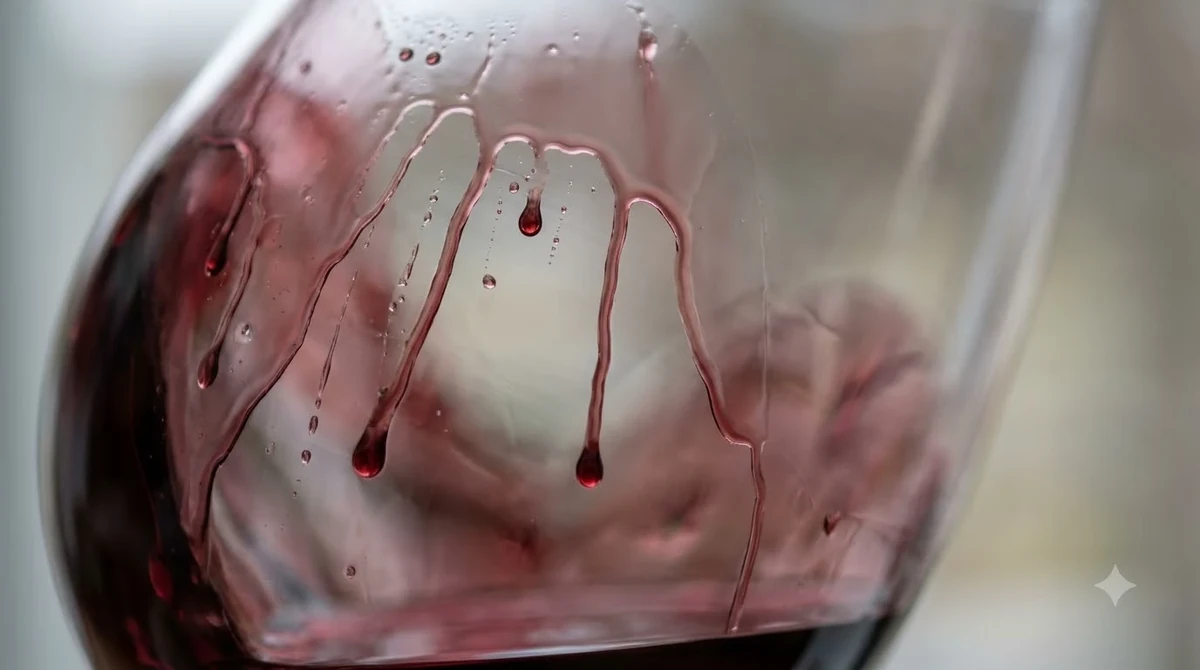
Riesling: Riesling is particularly effective because it combines high acidity with flavors that can include green apple, peach, citrus, and apricot. An off-dry version has enough sweetness to complement honey without making the entire meal taste sugary. German Riesling and Washington State Riesling are useful styles to explore, especially when the ham has a noticeable glaze.
Choose a slightly sweet Riesling rather than assuming every bottle labeled Riesling has the same sweetness level. Some are bone-dry, while others are noticeably sweet. A balanced off-dry bottle offers a particularly reliable match for classic honey-glazed spiral-cut ham.
Chenin Blanc: Chenin Blanc offers apple, pear, quince, and sometimes honey-like aromas. Its acidity helps balance the meat’s saltiness, while its fruit character complements the glaze. A slightly off-dry version is especially suitable for sweeter preparations.
South African Chenin Blanc is an interesting option, particularly for a ham served with roasted root vegetables or mustard-based accompaniments. A fuller-bodied example can also handle richer sides better than a very delicate white wine.
Moscato: Moscato is a suitable choice when the honey coating is distinctly sweet. Its aromatic profile may include peach, orange blossom, and ripe citrus. Many Moscato wines have relatively modest alcohol levels and a gentle sweetness that works well with glazed pork.
Moscato d’Asti is a particularly appealing option for a festive meal because it is lightly sparkling and aromatic. Its softer bubbles and fruity character make it approachable for guests who prefer sweeter wines.
Gewürztraminer: Gewürztraminer brings floral aromas, lychee, ripe pear, and spice. It works particularly well when the ham includes cloves, cinnamon, ginger, or a mustard-based glaze. An off-dry example can complement the sweetness without overwhelming the meat.
For the most versatile choice, start with Riesling. Choose Chenin Blanc for additional texture, Moscato for a sweeter experience, or Gewürztraminer when aromatic spices are prominent.
For another useful perspective on choosing a wine for glazed pork, Kendall-Jackson’s guide to pairing wine with ham also identifies off-dry Riesling as a strong match for honey or brown sugar glazes.
Best Red Wines for Honey Baked Ham
Red wine can pair successfully with honey baked ham, provided it has fresh fruit, moderate body, and relatively low tannin. Pinot Noir, Gamay, and Grenache are especially useful choices for people who prefer red wine at the dinner table.
Pinot Noir: Pinot Noir offers red cherry, raspberry, strawberry, and sometimes earthy or mushroom-like notes. Its naturally high acidity helps refresh the palate, while its low-to-medium tannin makes it more suitable for salty pork than many powerful red wines.
Oregon Pinot Noir is a particularly attractive option, especially from the Willamette Valley. Burgundy is another possibility for drinkers who enjoy more restrained fruit and earthy complexity. Look for a fresh, fruit-forward style rather than an aggressively oaked bottle.
Pinot Noir is also a useful choice when the ham is served with roasted mushrooms, green beans, or herb-seasoned vegetables. These savory accompaniments can connect with the wine’s earthy characteristics.
Gamay: Gamay is the grape behind Beaujolais and produces approachable reds with bright acidity and juicy red-fruit flavors. Strawberry, raspberry, and cherry notes make it a natural companion for pork, while its relatively low tannin prevents the salty meat from making the wine feel excessively drying.
Beaujolais-Villages is a practical choice for a relaxed family dinner. Cru Beaujolais from areas such as Morgon or Fleurie can offer greater concentration and complexity. Serve it slightly cool to emphasize freshness.
Grenache: Grenache often provides ripe strawberry, raspberry, cherry, and gentle spice. Its fruit-forward character works with the caramelized exterior of honey baked ham, particularly when the recipe includes black pepper, cloves, or a more savory glaze.
Southern Rhône blends containing Grenache, Syrah, and Mourvèdre are another option. However, choose a softer, fruit-focused example rather than a heavily alcoholic, intensely tannic red.
Zinfandel: Fruity Zinfandel can work when the ham has a deeper brown-sugar or honey crust. Its ripe berry flavors and peppery character provide a bridge to caramelized and spiced flavors. Select a balanced style with moderate tannin rather than an extremely powerful version.
For additional holiday pairing ideas, what wine goes with baked ziti offers another example of matching wine structure with rich, savory food.
Rosé and Sparkling Wine Pairings
Rosé and sparkling wine are excellent choices when the meal includes several side dishes or guests have different preferences. Sparkling rosé is especially appealing with sweet, spiced ham, while dry rosé provides freshness and versatility.
Sparkling rosé: Sparkling rosé combines red-fruit flavors with lively acidity and bubbles. Strawberry, raspberry, and citrus notes complement the honey coating, while the refreshing texture helps balance the salt and fat in the pork.
This pairing is particularly suitable for holiday dinners featuring cinnamon, cloves, or mustard. Wine Enthusiast’s discussion of food pairings for sparkling rosé explains why its acidity and fruit character make it useful with rich, fatty, and sweet-savory dishes.
Prosecco: Prosecco is typically made primarily from Glera grapes using the tank method. Its fresh apple, pear, and citrus flavors make it an approachable option for a casual celebration. Most Prosecco contains approximately 11–12% alcohol by volume.
Choose a Brut or Extra Dry style depending on the sweetness of the glaze. The terminology can be confusing: Extra Dry sparkling wine is actually sweeter than Brut. A Brut version is generally more suitable for a moderately sweet ham, while Extra Dry may be appealing when the glaze has a stronger honey character.
Champagne and Cava: Traditional-method sparkling wines can provide additional complexity through their second fermentation in the bottle. Their acidity and bubbles refresh the palate, while notes of apple, citrus, toast, and brioche can complement roasted flavors.
A Brut sparkling wine works best when the honey coating is relatively restrained. For a very sweet ham, consider a sweeter sparkling style instead. The aim is to prevent the glaze from making the wine taste excessively dry.
Dry rosé: A dry rosé offers a middle ground between white and red wine. It can provide strawberry, watermelon, citrus, and mineral notes with enough acidity to balance the pork. Rosé from Provence is one style to consider, although fruitier examples from California can also work.
For a buffet or large family gathering, sparkling rosé is often a particularly flexible option because it can accompany ham, cheese, salads, and many appetizers without dominating the meal.
Matching Wine With Honey Ham Glazes and Side Dishes
The glaze and side dishes can change which wine works best. A classic honey coating favors off-dry whites, while pineapple, mustard, brown sugar, and warming spices create opportunities for different aromatic whites, sparkling wines, and fruit-forward reds.
Use the following chart as a practical starting point. These are pairing recommendations rather than strict rules, and the strongest flavor on the plate should guide the final selection.
| Ham preparation or side | Recommended wine | Pairing reason |
|---|---|---|
| Classic honey glaze | Off-dry Riesling | Sweetness complements honey; acidity balances salt. |
| Brown sugar glaze | Grenache or Zinfandel | Ripe fruit complements caramelized flavors. |
| Pineapple glaze | Chenin Blanc or Sémillon | Fruit character and acidity complement pineapple. |
| Mustard and cloves | Gewürztraminer | Aromatic fruit and spice complement the seasoning. |
| Smoky honey ham | Pinot Noir | Fresh red fruit and modest tannin suit smoky pork. |
| Cheesy potatoes | Chenin Blanc | Acidity refreshes the palate after rich cheese. |
| Roasted vegetables | Pinot Noir | Red-fruit and earthy notes complement savory vegetables. |
| Fresh fruit salad | Off-dry Riesling | Fruit and sweetness create a harmonious combination. |
For pineapple-glazed ham, the fruit becomes an important part of the pairing. Rich Sémillon from Australia’s Hunter Valley is one option, while Chenin Blanc provides another combination of fruit and acidity. A crisp rosé can also work if the pineapple is accompanied by savory seasoning.
Brown sugar and maple glazes create deeper caramel flavors than a light honey coating. Fruity Grenache or Zinfandel can complement these richer notes, particularly when the ham is served warm. However, avoid overly alcoholic reds if the glaze also contains substantial mustard or chili.
For mustard and clove preparations, Gewürztraminer can connect with the aromatic spices. A lightly sweet Riesling is another suitable choice. If the seasoning is particularly hot, a lower-alcohol wine is preferable because alcohol can amplify the sensation of chili heat.
Side dishes also influence the decision. Creamy potatoes, macaroni and cheese, and buttery casseroles need a wine with enough body and acidity to keep the meal balanced. A fuller Chenin Blanc or a moderately textured Chardonnay may be more suitable than an extremely light white.
For lighter accompaniments such as green salads, steamed vegetables, and fresh fruit, Riesling and dry rosé provide refreshing alternatives. If baked fish is also on the menu, consider the recommendations for what wine goes with baked salmon when choosing a second bottle for the table.
Wine Serving Temperatures and Pouring Tips
Serving temperature affects how wine tastes alongside honey baked ham. Chilling whites and sparkling wines preserves their freshness, while slightly cooling light reds helps their fruit and acidity remain prominent.
Use these temperature ranges as a guide:
| Wine style | Serving temperature | Best pairing use |
|---|---|---|
| Sparkling wine | 40–50°F | Glazed ham and festive appetizers |
| Light white wine | 45–50°F | Riesling and aromatic whites |
| Full-bodied white | 50–55°F | Chenin Blanc and fuller Chardonnay |
| Light red wine | 55–60°F | Pinot Noir and Gamay |
| Full-bodied red wine | 60–65°F | Grenache and fuller red blends |
| Sweet white wine | 43–50°F | Moscato and sweeter Riesling |
For a typical dinner, place Riesling, Chenin Blanc, and sparkling wine in the refrigerator before guests arrive. Pinot Noir and Gamay benefit from a short period of chilling if they have been stored at ordinary room temperature. Avoid serving light reds too warm, since excessive warmth can make alcohol seem more prominent and fruit less refreshing.
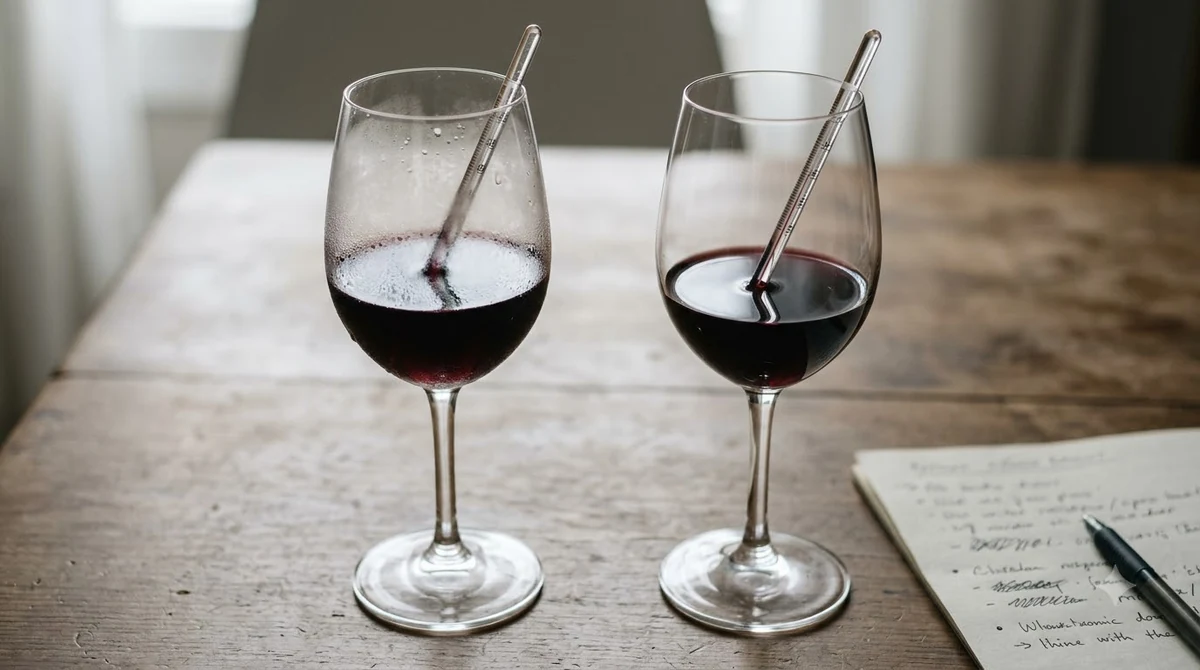
Wine glasses should also be appropriate to the style. A medium-sized white wine glass works well for Riesling and Chenin Blanc, while a wider bowl helps release the aromas of Pinot Noir and Grenache. Sparkling wine can be served in a flute or a tulip-shaped glass.
A standard wine pour is approximately 5 ounces. A 750-milliliter bottle provides about five standard glasses, making it relatively easy to estimate how much wine to prepare for a dinner party.
For example, six guests having two glasses each would need approximately three bottles. If you offer both red and white wine, divide the quantity according to your guests’ preferences rather than assuming everyone will drink both styles.
Tip: For a holiday dinner, serve an off-dry Riesling as the main white option and a lightly chilled Pinot Noir as the red alternative. This combination covers the sweet glaze, savory pork, and many traditional sides without requiring several different bottles.
After dinner, replace the cork or closure and refrigerate opened still wine. Most opened still wines retain their best character for approximately 3–5 days when stored properly. Sparkling wine generally lasts around 1–3 days in the refrigerator when sealed with a suitable sparkling-wine stopper.
Wine Styles to Avoid and Common Pairing Mistakes
The biggest mistake with honey baked ham is choosing a wine that is too dry, too tannic, or too alcoholic for the food. A balanced bottle should complement the sweetness and salt instead of making either element seem more aggressive.
Very tannic Cabernet Sauvignon: Cabernet Sauvignon typically has high tannin, which can create an unpleasant drying sensation alongside salty cured meat. The combination may make the wine seem more bitter and the ham less enjoyable. Cabernet can be appropriate for richer beef dishes, but it is rarely the easiest match for sweet-glazed ham.
Very dry, high-acid whites: A bone-dry Sauvignon Blanc may taste excessively sharp beside a strongly honeyed glaze. Sauvignon Blanc is naturally high in acidity, which is useful for rich food, but acidity alone does not solve a sweetness mismatch. A slightly sweeter white generally provides a more balanced experience.
Heavy, high-alcohol reds: Some powerful Syrah and Zinfandel wines have substantial alcohol and concentrated fruit. These can overpower a delicate ham preparation, especially when the glaze contains chili or mustard. Choose a moderate, fruit-forward example if you want a red wine.
Excessively oaked wines: Prominent oak can introduce smoky, toasted, and sometimes bitter impressions. These characteristics may compete with the honey coating, particularly when the ham already has a caramelized crust. A balanced, less heavily oaked wine is usually easier to pair.
Ignoring the side dishes: A wine that works with the meat may not work equally well with every accompaniment. Creamy potatoes, sweet potatoes, cranberry sauce, and spicy vegetables each bring different levels of richness, sweetness, and acidity. Consider the overall plate rather than selecting a bottle based on the ham alone.
Another common mistake is assuming that red wine is automatically better with pork. White wine often provides the more natural match for sweet-glazed ham because it can combine residual sugar with refreshing acidity. Red wine remains a good alternative when it is fruity, relatively low in tannin, and served at the right temperature.
Frequently Asked Questions
What is the single safest wine choice for honey baked ham?
An off-dry Riesling is the safest overall choice because it balances sweetness, acidity, and fruit. A German Kabinett Riesling is one style worth exploring, particularly for a traditional holiday ham. Its lighter structure makes it suitable for a long meal with several courses.
Can rosé wine be served throughout an entire ham dinner?
Yes. A versatile rosé can accompany appetizers, ham, roasted vegetables, and lighter cheeses. Sparkling rosé is especially useful for brunch-style meals because its bubbles make it suitable for a variety of small dishes.
Is Lambrusco suitable for honey baked ham?
Yes. Lambrusco is an Italian sparkling red wine made from several related grape varieties. Its lively bubbles and fruit flavors make it a useful companion for savory pork, especially when the preparation includes smoky or caramelized elements. Choose the sweetness level according to the glaze.
Should honey baked ham be paired with wine when served cold?
Yes. Cold ham generally has a less pronounced aromatic profile than freshly heated ham, so lighter and fresher wines can work particularly well. A chilled Beaujolais, dry rosé, or Riesling can accompany cold slices in sandwiches, salads, and buffet platters.
Does wine pairing change if the ham is spiral-cut?
Spiral-cut ham exposes more surface area to the glaze and often distributes sweetness throughout the sliced meat. That makes a slightly sweet Riesling or Chenin Blanc especially practical. The thinner slices also make lighter-bodied Pinot Noir and sparkling rosé comfortable alternatives.
The best wine for honey baked ham is one that balances the sweetness of the glaze with the savory richness of the pork. Start with off-dry Riesling for the most reliable match, or choose Pinot Noir, Chenin Blanc, and sparkling rosé to suit different preferences. With the right serving temperature and a little attention to the side dishes, wine can become a natural part of a memorable ham dinner.
More in Food & Wine Pairing
 Risotto With White Wine Recipe: Make a Creamy Dinner at HomeUpdated Nov 20, 2026
 Wassail With Wine Recipe for a Festive Spiced Holiday DrinkUpdated Nov 20, 2026
 Spritz Veneziano Recipe: Make a Classic Venetian Aperitivo at HomeUpdated Nov 20, 2026
 Summer Wine Punch Recipe for Easy Homemade EntertainingUpdated Nov 20, 2026
 Bishop Recipe: How to Make a Bright, Citrus-Forward Red Wine CocktailUpdated Nov 20, 2026
 Wine Cupcakes Recipe: Bake Rich Chocolate Cupcakes at HomeUpdated Nov 20, 2026