

We may earn a commission when you buy through links on this page, at no extra cost to you. Learn more.
What wine goes with baked ziti? Chianti, Barbera, and Sangiovese are excellent choices because their bright acidity complements tomato sauce while their fruit and moderate structure balance melted cheese. Montepulciano d’Abruzzo is another dependable option, especially for meat-filled casseroles. For richer versions with Italian sausage, consider Zinfandel or Primitivo, while dry rosé offers a refreshing alternative for vegetable-based recipes. The best bottle depends on the balance of tomato, cheese, meat, and seasoning in the dish.
Baked ziti is a satisfying combination of pasta, tomato sauce, melted cheese, and often ground beef or Italian sausage. Baking concentrates those ingredients, creating a dish with more richness and savory depth than a simple bowl of marinara pasta. That combination makes wine selection especially important. A good pairing should complement the tomato’s acidity, refresh the palate after bites of cheese, and have enough flavor to stand alongside the casserole without overwhelming it. Italian reds are a natural starting point, but several wines from other regions can work just as well.
Why Chianti, Barbera, and Sangiovese Work With Baked Ziti
Chianti, Barbera, and Sangiovese are three of the most dependable wines for traditional baked ziti. Their acidity complements tomato sauce, while cherry fruit and savory character provide a natural match for garlic, herbs, and melted mozzarella.
Chianti is an especially practical choice because it is made primarily from Sangiovese, a grape known for lively acidity and red-fruit character. Tomato sauce can make wines with insufficient acidity taste dull, so Chianti’s freshness is particularly useful. Its cherry, dried herb, and sometimes earthy flavors also complement the oregano, basil, and garlic commonly found in baked ziti recipes.
Choose a straightforward Chianti for a casserole made with marinara, ricotta, and mozzarella. A Chianti Classico can be a good alternative when the dish includes a substantial amount of ground beef or a more concentrated tomato sauce. The important consideration is balance: the wine should have enough flavor and acidity to remain noticeable alongside the food, without excessive oak or aggressive tannin.
Barbera is another excellent option. Wines made from this northern Italian grape are generally known for their juicy fruit and pronounced acidity. Depending on the bottling, expect flavors such as red cherry, plum, blackberry, and subtle spice. Its freshness makes it particularly useful when baked ziti has a generous amount of tomato sauce and cheese.
Barbera d’Asti and Barbera d’Alba are useful names to recognize when shopping. Both can provide the fruit and acidity needed for tomato-based pasta. A younger, fruit-forward example is particularly suitable for an everyday casserole because it does not require the additional structure or complexity that a heavily layered meat dish might demand. Decanter also identifies Barbera d’Asti as a strong match for tomato-heavy pasta because of its acidity and red-fruit character in its guide to wines for pasta dishes.
Sangiovese is the grape behind Chianti and is also available as a varietal wine. It provides another way to find the combination of acidity, cherry flavor, and savory character that works with baked pasta. A bottle labeled Sangiovese can be a good choice when you want the basic qualities of Chianti without necessarily selecting a specific appellation.
These three options are not identical. Chianti offers a recognizable Italian combination of fruit, herbs, and acidity. Barbera is often juicier and particularly fresh. Sangiovese provides flexibility across different Italian wine styles.
Tip: If you are uncertain which bottle to choose, start with a medium-bodied Chianti or Barbera. Both are versatile enough for traditional baked ziti with tomato sauce, ricotta, and mozzarella.
For a broader explanation of how acidity, sweetness, tannin, and food intensity influence a pairing, explore this Wine Pairing resource. These basic principles make it easier to choose between Italian reds when the recipe changes.
Best Red Wines for Meat, Sausage, and Rich Cheese
Baked ziti with ground beef, Italian sausage, or extra cheese generally benefits from a red wine with more body and fruit concentration. Montepulciano d’Abruzzo, Zinfandel, and Primitivo are useful choices because they can stand alongside richer ingredients without losing their character.
Montepulciano d’Abruzzo is a particularly versatile pairing for hearty baked ziti. Made from the Montepulciano grape in the Abruzzo region of central Italy, this wine commonly offers dark cherry, plum, and other dark-fruit flavors. Its medium-bodied to fuller-bodied styles can complement ground beef, tomato sauce, and browned cheese.
It is a good option when the casserole has more meat than a basic vegetarian recipe but does not need an especially powerful wine. Look for a fruit-forward example with enough freshness to balance the sauce. Very heavily oaked or unusually concentrated bottles can make a simple family-style casserole feel less balanced.
Zinfandel offers a different approach. California Zinfandel commonly features ripe blackberry, raspberry, dark cherry, and peppery spice. Its generous fruit can complement browned sausage, ground beef, and a tomato sauce with concentrated flavors. It is particularly suitable when the casserole includes extra seasoning or a slightly smoky, savory character.
However, Zinfandel varies considerably between producers and styles. Some examples are relatively restrained, while others have high alcohol, pronounced ripeness, and substantial body. For baked ziti, a balanced example is usually more useful than an intensely alcoholic wine. Alcohol can make chili heat feel stronger, so avoid choosing an especially powerful Zinfandel if the recipe contains hot pepper flakes.
Primitivo is another Italian red worth considering. It is associated with Puglia in southern Italy and often produces wines with ripe dark fruit, plum, and warm spice. Its fruit-forward character works particularly well with sausage, roasted garlic, and richly seasoned meat sauce.
Primitivo and Zinfandel are closely related grape varieties, which helps explain some of their overlapping characteristics. Both can produce generous fruit and substantial body. The difference between individual bottles is often more important than choosing one name over the other.
For an especially rich casserole, a medium-bodied Syrah is another possibility. Syrah offers darker fruit and savory spice, with tannin that can stand alongside a meat-heavy dish. Its structure makes it more suitable for baked ziti with substantial beef or sausage than for a simple tomato-and-ricotta version. Choose a balanced example rather than one dominated by oak or high alcohol.
There is no need to select the biggest red available. Baked ziti is substantial, but it still has tomato acidity and soft pasta textures. A wine that combines fruit, freshness, and moderate structure generally creates a more enjoyable match than an excessively tannic red.
White Wine and Rosé Alternatives for Baked Ziti
Red wine is the traditional first choice, but white wine and rosé can also accompany baked ziti. The most suitable alternatives have enough acidity to complement the tomato sauce and sufficient flavor to stand beside the cheese without becoming overwhelmed.
Pinot Grigio is a useful choice for a lighter casserole, particularly one made with vegetables, fresh herbs, and a moderate amount of cheese. Its crisp character provides contrast to the richness of the baked pasta. Choose a dry example rather than a noticeably sweet style, especially when the tomato sauce is relatively tart.
Verdicchio offers another Italian alternative. This white grape is known for refreshing acidity and can show citrus, orchard fruit, and subtle almond-like notes. Its freshness can balance ricotta and mozzarella, while its flavor provides more character than a very neutral white.
Chardonnay can work with baked ziti when the recipe is especially cheese-forward. Its broader texture and fruit flavors can complement ricotta and mozzarella, particularly in a casserole with less tomato sauce. A lightly oaked or unoaked example is generally the more versatile choice because pronounced oak can compete with tomato and herbs.
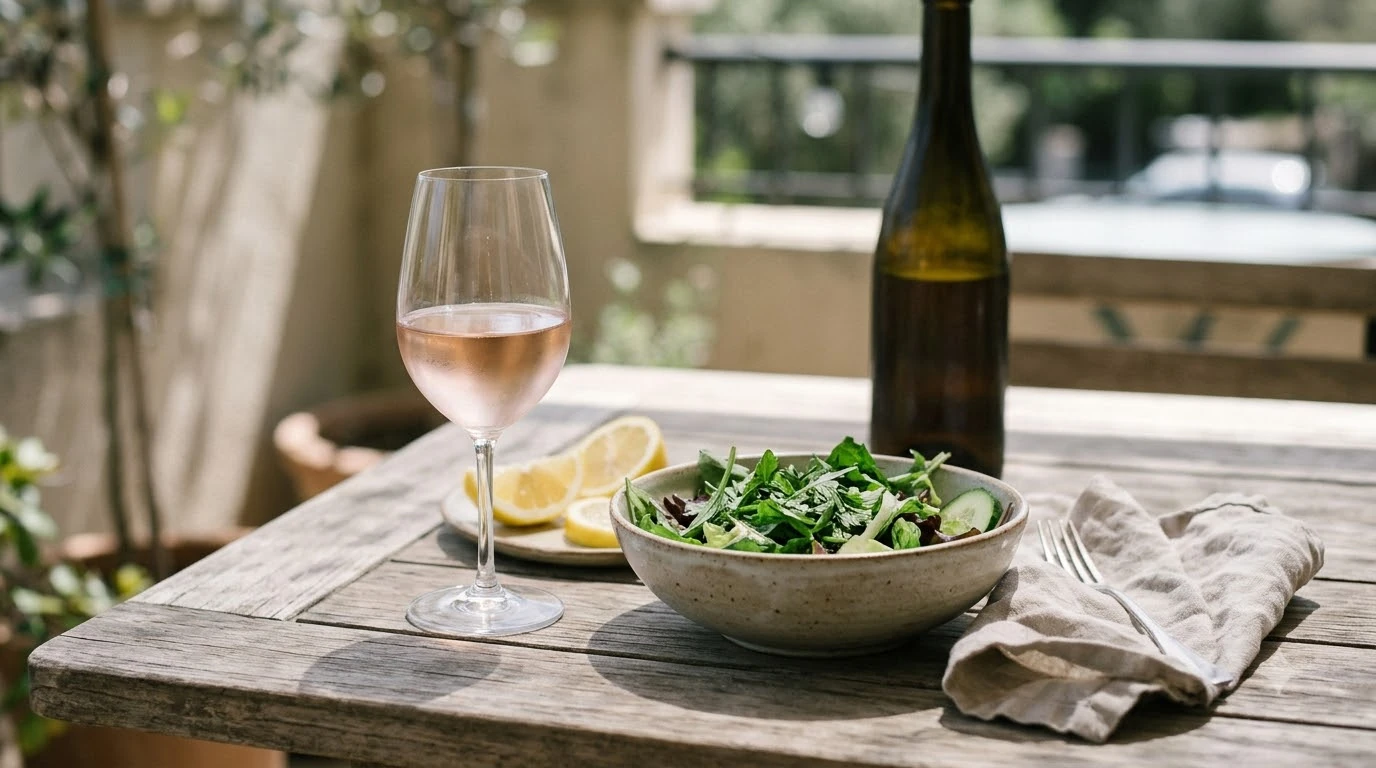
Dry rosé is one of the most flexible alternatives. It combines the freshness of many white wines with some red-fruit character. A dry Italian rosato or a crisp rosé from another region can work well with tomato sauce, basil, roasted vegetables, and mozzarella.
Rosé is particularly appealing when the casserole is not especially meat-heavy. Its lighter body keeps the meal from feeling overly substantial, while its acidity provides a refreshing contrast to cheese. It is also a sensible choice when guests have different preferences about red and white wine.
For a vegetable-based baked ziti, consider the dominant ingredients before choosing the wine. Roasted zucchini, eggplant, mushrooms, and bell peppers introduce different flavors and textures. Mushroom-heavy recipes can accommodate more savory wine character, while lighter zucchini and tomato preparations often work well with crisp whites or dry rosé.
White wine should not be selected simply because the recipe contains cheese. The acidity of the tomato remains important. A soft, low-acid white may seem flat alongside a strongly flavored marinara sauce, even if its body matches the cheese.
The same consideration applies to sparkling wine. A dry sparkling wine can provide refreshing acidity and bubbles that contrast with rich cheese. However, a very delicate sparkling wine may be overwhelmed by a casserole containing substantial sausage and concentrated tomato sauce. A more substantial dry style is a better candidate for that version.
How Tomato Sauce, Cheese, and Seasoning Change the Pairing
The most reliable way to choose wine for baked ziti is to consider the recipe’s dominant ingredients. Tomato acidity, cheese fat, meat richness, salt, herbs, and chili heat each influence how a wine tastes alongside the finished casserole.
Tomato sauce determines the need for acidity. Tomatoes have natural acidity, which means the wine should have comparable freshness. A low-acid red can taste flat beside a strongly acidic marinara. This is one reason Sangiovese, Chianti, and Barbera are dependable options.
The concentration of the sauce also matters. A quick marinara may be relatively bright and light, while a sauce simmered for several hours can develop deeper, more concentrated flavors. The latter can accommodate a wine with more body, such as Montepulciano d’Abruzzo or a balanced Primitivo.
Cheese influences tannin and texture. Ricotta provides a soft, creamy texture, while mozzarella contributes richness and melted, savory character. Parmesan adds salt and concentrated flavor. Fat and salt can soften the perception of tannin, allowing a medium-structured red to work more comfortably with a cheese-rich casserole.
However, this does not mean every heavily tannic wine is a good match. Cabernet Sauvignon, for example, generally has high tannin. Although it can accompany substantial meat dishes, its firm structure may feel excessive alongside a relatively simple baked ziti recipe. A softer red is usually a safer choice.
Meat changes the weight of the dish. Ground beef, pork sausage, and meatballs add savory richness. A lighter Sangiovese may still work, but a fuller Montepulciano or Zinfandel can provide a better match when meat makes up a substantial part of the casserole.
Vegetarian baked ziti usually requires less wine weight. A simple combination of marinara, ricotta, mozzarella, and basil can be paired with Chianti, Barbera, or dry rosé. If the dish includes roasted mushrooms or eggplant, a medium-bodied red with earthy character may be especially appealing.
Herbs and spices influence aroma and heat. Basil, oregano, thyme, and garlic are common baked ziti seasonings. They generally work well with the savory herbal notes of Sangiovese and Chianti. Peppery wines such as Syrah can also complement recipes with stronger seasoning.
Chili flakes require more attention. Alcohol and tannin can amplify the sensation of chili heat. If the casserole is spicy, choose a fruit-forward wine with moderate alcohol and softer tannin. A slightly chilled, lighter red or an off-dry Riesling can be more comfortable than a powerful red.
The sweetness of the sauce is another consideration. Some American-style tomato sauces include added sugar, while others rely entirely on the natural sweetness of cooked tomatoes. If the sauce is noticeably sweet, an excessively dry, tart wine may seem sharper by comparison. A ripe, fruit-forward red is a sensible starting point.
The basic principle is to balance the most noticeable characteristics rather than trying to find a wine that matches every ingredient independently.
| Baked Ziti Style | Recommended Wine | Why It Works |
|---|---|---|
| Classic tomato and mozzarella | Chianti | Bright acidity complements tomato sauce. |
| Ricotta and extra cheese | Barbera | Fresh acidity balances creamy richness. |
| Ground beef and marinara | Montepulciano d’Abruzzo | Dark fruit and body complement meat. |
| Italian sausage and fennel | Primitivo | Ripe fruit complements savory pork. |
| Spicy sausage and chili flakes | Off-dry Riesling | Some sweetness balances spicy heat. |
| Roasted vegetable ziti | Dry rosé | Freshness complements vegetables and tomato. |
| Mushroom and herb ziti | Pinot Noir | Moderate tannin and earthy character suit mushrooms. |
| Light tomato and vegetable ziti | Verdicchio | High acidity refreshes the palate. |
These recommendations provide a practical starting point rather than strict rules. A Chianti can still work with sausage, for example, while a Montepulciano can accompany a cheese-heavy vegetarian casserole. The amount of sauce, cheese, and meat determines how much body the wine needs.
Serving Temperature, Portions, and Practical Wine Selection
Serving temperature can make a noticeable difference to the pairing. Light and medium-bodied reds generally show their fruit and acidity better when slightly cool, while very warm red wine can emphasize alcohol and make a rich meal feel heavier.
Serve Chianti, Barbera, Sangiovese, and Pinot Noir at approximately 55–60 F. This temperature range helps preserve freshness and makes these wines particularly pleasant with tomato-based pasta. If a bottle has been stored at a typical warm room temperature, place it in the refrigerator briefly before serving.
Fuller reds such as Primitivo, Zinfandel, and Montepulciano d’Abruzzo are generally best served around 60–65 F. This allows their fruit and structure to show without excessive warmth. Chilling a powerful red slightly can also make it feel more balanced alongside a rich casserole.
White wines and rosé should be served cooler. Light whites and rosé are best around 45–50 F, while fuller-bodied Chardonnay is more suitable around 50–55 F. Very cold wine can hide aroma and flavor, so avoid leaving a bottle in the freezer for an extended period.
Portion size is straightforward. A standard wine pour is approximately 5 ounces, and a 750 ml bottle provides about five glasses. For four adults, one bottle can provide a glass with dinner, while two bottles offer more flexibility if the meal includes a long gathering or additional courses.
For a large family dinner, it can be useful to offer two styles rather than trying to find one wine that everyone will enjoy. A Chianti or Barbera provides a traditional red pairing, while a dry rosé or crisp white offers an alternative for guests who prefer lighter wines.
There is also no requirement to decant every bottle. Young, full-bodied reds can benefit from approximately 30–60 minutes of aeration, especially if they have firm tannins or concentrated fruit. Most straightforward Chianti and Barbera bottles can be opened shortly before dinner.
Store unopened wine bottles on their sides when they have natural cork closures, in a cool location near 55 F. Avoid direct sunlight and large temperature fluctuations. Once opened, still wine generally keeps for approximately 3–5 days in the refrigerator when properly resealed, although its aroma and freshness gradually decline.
Food preparation can also influence the serving plan. If the baked ziti needs 30–45 minutes in the oven, open the red wine shortly before the meal is ready. This gives the wine time to settle and, if needed, breathe while the casserole finishes baking.
For other baked dishes, the same general principles can be adapted. A richer meat preparation such as what wine goes with beef brisket may require more body and structure, while a different baked main course can call for a lighter approach. The important step is to match the wine to the dominant flavors rather than choosing solely by the cooking method.
Frequently Asked Questions
Is Cabernet Sauvignon too strong for baked ziti?
Cabernet Sauvignon can work with a particularly meaty baked ziti, but its generally high tannin makes it less versatile than Chianti or Barbera. A softer Cabernet-based blend may be easier to pair than a young, heavily structured example. For a traditional cheese-and-tomato casserole, a more moderate red is usually the better choice.
Can Lambrusco be served with baked ziti?
Yes. Dry Lambrusco offers acidity, red-fruit flavors, and refreshing bubbles that contrast with melted cheese and savory tomato sauce. Choose a dry style rather than a sweet version if the casserole is made with traditional marinara and Italian herbs.
Does sparkling wine work with baked ziti?
Dry sparkling wine can be a pleasant alternative because its acidity and carbonation provide contrast to rich cheese. A bottle of Brut Franciacorta or another dry traditional-method sparkling wine offers more structure than many delicate sparkling styles. Serve sparkling wine around 40–50 F.
Can Pinot Noir accompany baked ziti with mushrooms?
Yes. Pinot Noir generally has low-to-medium tannin and high acidity, making it suitable for mushroom-based dishes with tomato sauce. Its red-fruit and earthy characteristics can complement roasted mushrooms, herbs, and moderate amounts of cheese. An especially light Pinot Noir may be less suitable for a casserole dominated by sausage or beef.
Should baked ziti wine be opened before the casserole comes out of the oven?
Opening a straightforward red approximately 15–20 minutes before serving is usually sufficient. Young, fuller-bodied reds can benefit from 30–60 minutes of decanting, depending on their structure. This timing also allows the wine to reach a suitable serving temperature while the casserole rests.
For most traditional baked ziti recipes, Chianti, Barbera, and Sangiovese offer the most dependable combinations of acidity, fruit, and moderate structure. Choose Montepulciano d’Abruzzo, Zinfandel, or Primitivo when meat and cheese make the casserole especially rich, or select dry rosé for a lighter vegetable-based version. A well-matched wine should complement the tomato sauce and cheese while allowing the flavors of both the food and the glass to remain enjoyable.
More in Food & Wine Pairing
 Risotto With White Wine Recipe: Make a Creamy Dinner at HomeUpdated Nov 20, 2026
 Wassail With Wine Recipe for a Festive Spiced Holiday DrinkUpdated Nov 20, 2026
 Spritz Veneziano Recipe: Make a Classic Venetian Aperitivo at HomeUpdated Nov 20, 2026
 Summer Wine Punch Recipe for Easy Homemade EntertainingUpdated Nov 20, 2026
 Bishop Recipe: How to Make a Bright, Citrus-Forward Red Wine CocktailUpdated Nov 20, 2026
 Wine Cupcakes Recipe: Bake Rich Chocolate Cupcakes at HomeUpdated Nov 20, 2026