

We may earn a commission when you buy through links on this page, at no extra cost to you. Learn more.
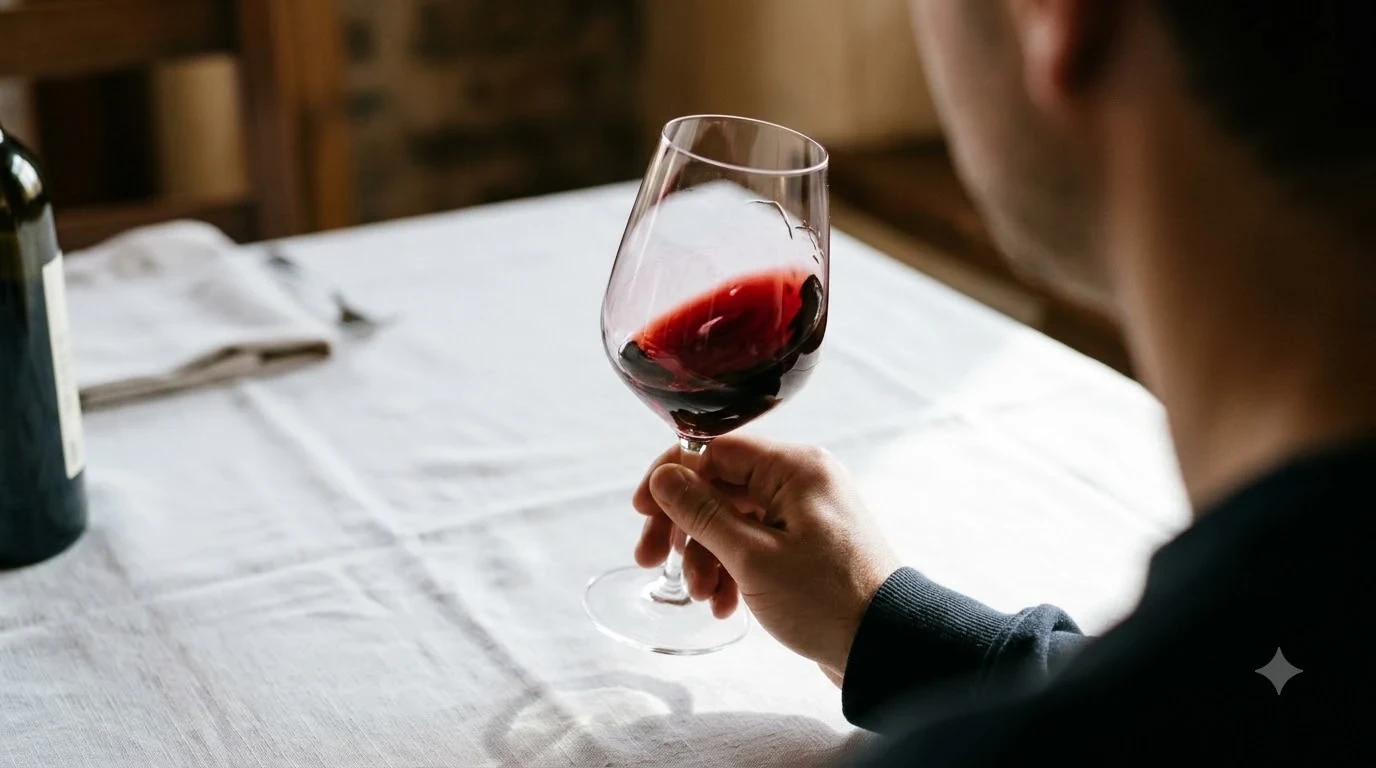
Red wine acidity is the natural tartness that keeps a red fresh, balances its tannins and fruit, and helps it hold its color. Most reds have a lower acidity than whites, but the level still shapes how a wine tastes, how it pairs with food, and how it ages. Acidity is one of the main structural parts of a red, along with tannin, alcohol, and body.
This guide explains what red wine acidity is, how it changes from grape to grape and region to region, and how to use it when you choose a bottle or a dinner pairing. It keeps to general principles and avoids claims about any single brand or vintage.
What Red Wine Acidity Actually Is
Acidity in wine comes from several natural acids. According to the Wikipedia article on acids in wine, tartaric acid is the most important for winemaking. It supports chemical stability and color and has a strong influence on taste. Malic acid is a primary grape acid that is associated with green apple flavor. Lactic acid is a milder acid with a creamy, slightly milky character, and it often appears after malolactic fermentation. Citric acid is present in very small amounts in grapes, and winemakers sometimes add it, although it can taste harsh if overused.
When people say a red is “acidic,” they usually mean it tastes fresh, lively, or sharp on the sides of the tongue. Too little acidity makes a red taste flat and heavy with less definition. Too much makes it taste sour or thin. The goal in most reds is a balance that lets the fruit and structure show without drawing attention to itself.
How Acidity Is Measured and Why pH Matters
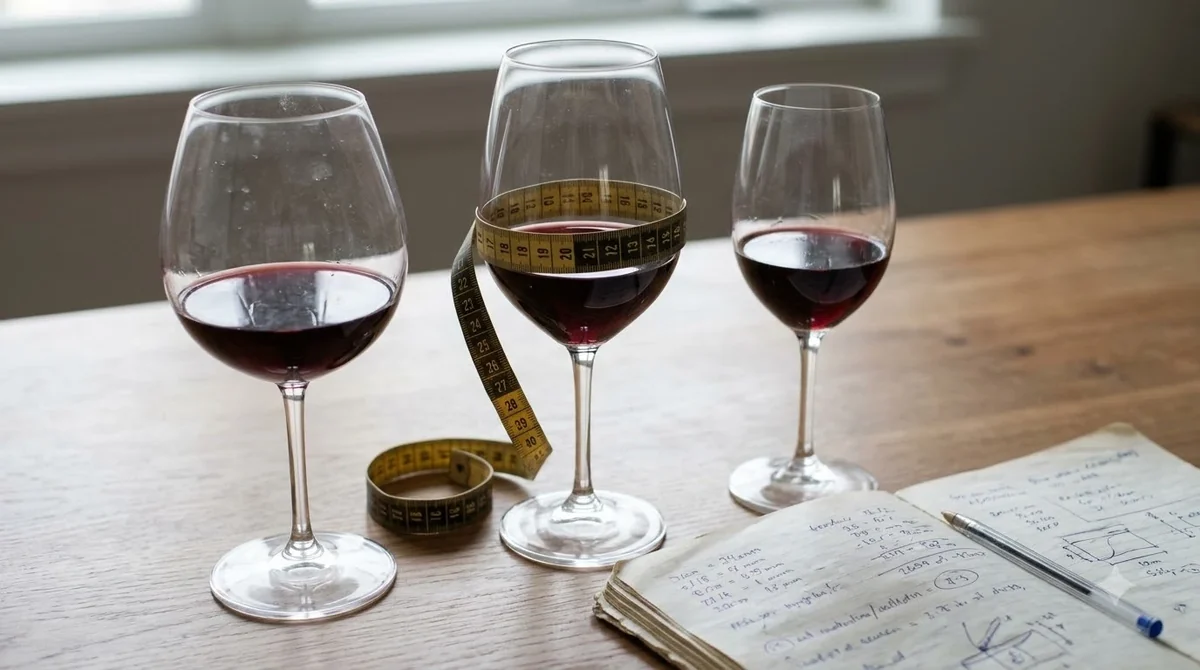
Winemakers use two main measures. Titratable acidity measures the total amount of acid in a wine. pH measures how strongly acidic the wine is at that moment. The two numbers are related but not identical, which is why a wine can have a high pH and still taste lively. Most wines have a pH between about 2.9 and 3.9, and a lower pH generally means a higher level of acidity.
The pH level matters for red color. According to the same Wikipedia overview, lower pH helps reds keep a redder, more stable color. Higher pH shifts the color toward bluer tones that are less stable and, over time, can look muddy grey or brown. This is one reason cooler regions and carefully managed harvests often produce reds that look brighter in the glass.
| Factor | Higher acidity | Lower acidity |
|---|---|---|
| Taste | Fresh, crisp, lively | Soft, round, sometimes flat |
| Color stability | Redder, brighter color | Bluer or browner over time |
| Food pairing | Cuts through fat and rich sauces | Suits lighter, simpler dishes |
| Typical climate | Cooler regions and cooler vintages | Warm, sunny regions |
| Aging | Often supports longer aging | Usually drunk younger |
How Red Wine Acidity Affects Taste and Structure
Acidity works closely with tannin. Tannin gives a red its grip and drying feel, while acidity brings freshness and lift. A red with plenty of both can feel firm and clean, while a red with strong tannin and low acidity can taste heavy or bitter. Acidity also balances sweetness, so a fruit-forward red with a little sugar usually tastes fresher if the acidity is clearly present.
Acidity also protects a wine as it ages. Wikipedia’s notes on wine acids say acidity helps sulfur dioxide protect wine from spoilage and inhibits most bacteria. For that reason, reds from naturally high-acid grapes often hold their character for a longer time, although age alone does not make a wine better.
Red wine acidity is not the same thing as sourness. A well-balanced red can taste bright without tasting sharp, and that difference comes from how the acid sits alongside fruit, oak, and tannin. Tasting a red with a plate of food is often the simplest way to tell the difference. A tasting note that says “lively” or “bright” usually points to acidity, while “firm” or “grippy” points more to tannin. Learning to separate the two makes it easier to find reds you enjoy, because a wine can have plenty of acid and still feel soft, or have little acid and still feel tight.
Where Acidity Comes From in the Vineyard
Acidity starts in the vineyard. According to the Wikipedia article, acidity is highest just before veraison, the stage when grapes begin to change color, and it falls as sugar rises through ripening. Cooler regions tend to produce grapes with higher acidity because they ripen more slowly. Warmer regions can produce riper, lower-acid grapes unless growers pick earlier or manage the canopy to keep acid levels up.
Tartaric acid is fairly stable through ripening and depends on grape variety and soil, so it helps a winemaker plan. Malic acid falls as the grapes ripen and can be converted to lactic acid during malolactic fermentation, which softens the wine. Many reds go through malolactic fermentation, which lowers the sharpness and adds a rounder texture. Winemakers choose whether to allow it, and the decision changes how the acidity tastes on the palate.
How to Use Acidity When You Choose and Pair Red Wine
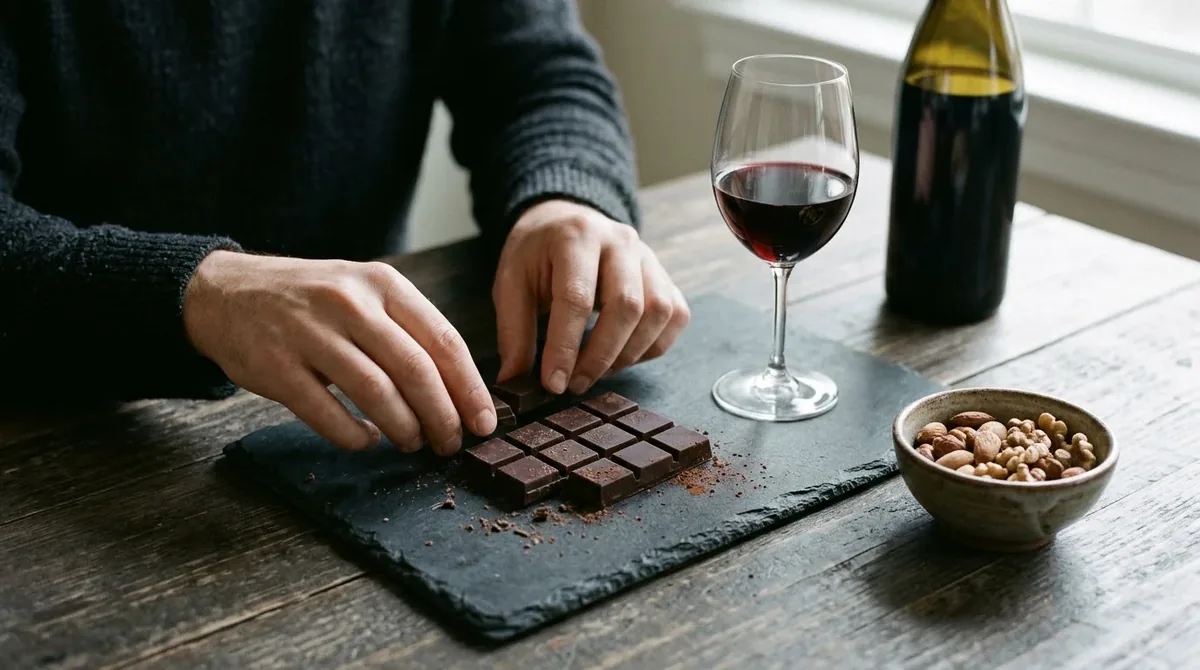
If you want a red to pair with food, look for acidity before you look for power. Acid cuts through richness, so a red with a clear acid backbone can refresh the palate after fatty meats, creamy sauces, and oily dishes. A red that is high in tannin and low in acid can taste harsh with the same dishes. The Wine by Type hub is a good place to compare red styles side by side and see which ones usually run higher in acid.
For everyday drinking, acidity is a quick guide to freshness. A red that tastes bright and clean at room temperature is usually a sign of good balance. If a red tastes flat or heavy after the first glass, it may simply need food or a short chill, which can make the acid stand out more. Serving temperature matters: a red served too warm can taste soft and dull, while a slight chill often lifts the acidity without making the wine cold.
Some red grapes are better known for their natural acidity than others, and that is a useful starting point. Pages on specific varieties such as baco noir wine and alicante bouschet wine show how each grape’s character shapes the wine’s structure. Compare them with a white, such as the albarino tasting notes, to see how acidity behaves in lighter wines.
Frequently Asked Questions
Is high acidity in red wine a good thing?
High acidity is often a sign of freshness and structure, and it helps a red pair with food. It is not automatically better, though. Acidity works best when it balances fruit and tannin. Too much acid can taste sharp, so the right level depends on the style and on personal preference.
Which red wines have the most acidity?
Reds from cooler regions and from grapes that naturally keep acid during ripening usually show more of it. Generally, reds from cool climates have brighter acidity than those from hot, sunny regions. Check the producer’s technical notes or tasting descriptions, since specific levels vary by vintage.
Does acidity change as red wine ages?
Acidity changes slowly with age. Wines with good acid often keep a sense of freshness as the fruit softens, which is why balanced reds can age well. The color also shifts with age, and a red with stable, low pH tends to keep a redder tone for longer.
Can I reduce acidity in red wine at home?
You cannot reliably change the acid level of a bottle at home. Decanting can soften harsh edges and let the aromas open, and serving the wine slightly cooler can make it feel crisper. Choosing a red with a different style is usually the more effective way to get the balance you want.
Red wine acidity is easiest to understand as a balance rather than a number. Look for a red that tastes fresh and clean, pair it with food that has some richness, and compare a few styles side by side. The more you taste, the clearer the difference becomes.
More in Wine Types & Grapes
 Zinfandel Sugar Content: Dry Red vs. White Zinfandel GramsUpdated Nov 21, 2026
 Best Zinfandel Substitute Options for Sipping and CookingUpdated Nov 21, 2026
 Zweigelt Food Pairing: Best Dishes, Cheeses, and Serving TipsUpdated Nov 21, 2026
 Zinfandel Tannins Explained: How Structure Shapes Every BottleUpdated Nov 21, 2026
 Zinfandel Sweetness Level: Dry Red vs. Sweet White Zin ExplainedUpdated Nov 21, 2026
 Xinomavro Food Pairing: Best Dishes, Styles, and Serving TipsUpdated Nov 21, 2026