

We may earn a commission when you buy through links on this page, at no extra cost to you. Learn more.
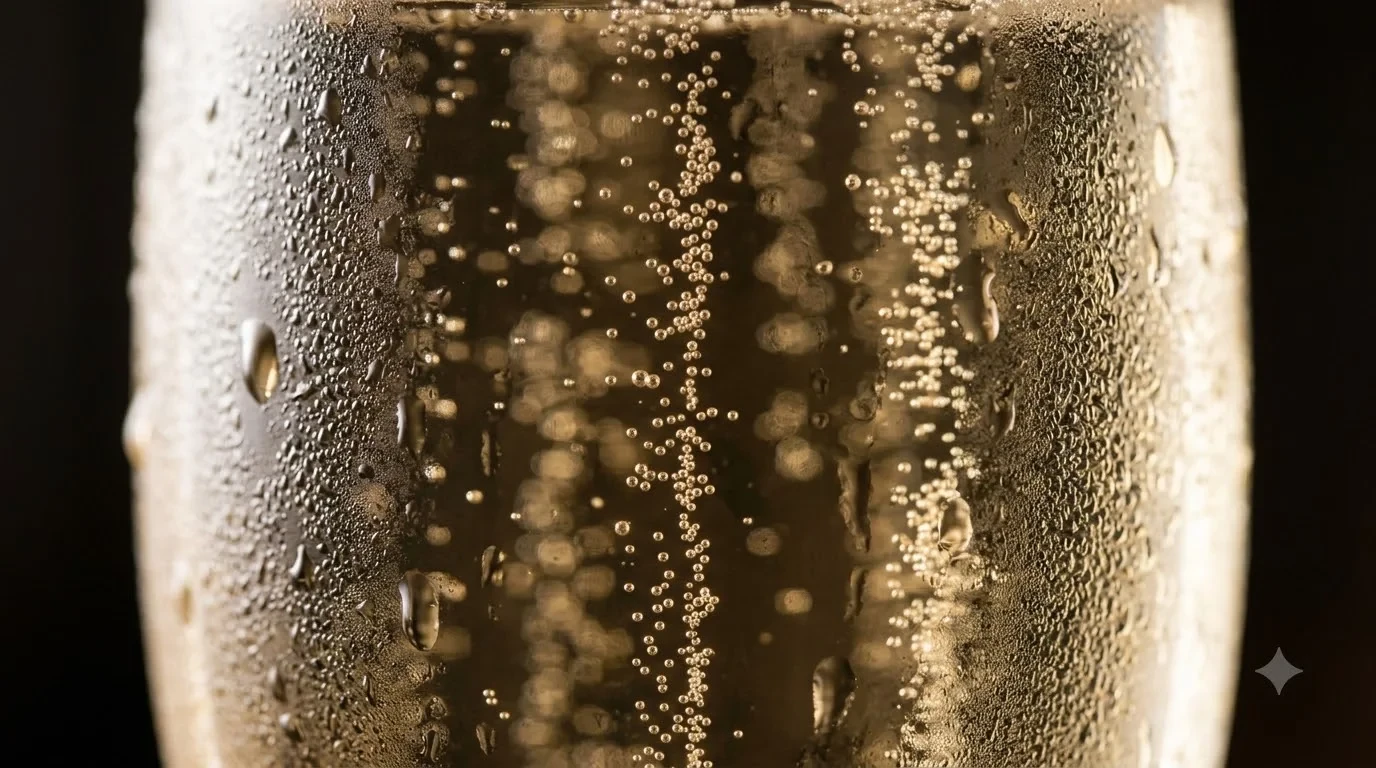
Sparkling wine color spans a wide visual spectrum from nearly colorless water-white and pale straw to deep gold, salmon pink, copper-orange, and opaque ruby red. A bottle’s shade is determined primarily by grape skin contact during pressing, the specific red or white grape varieties in the blend, and how long the wine ages on its lees or in oak. Reading the hue in your glass reveals immediate clues about whether a sparkling wine will taste crisp and citrus-driven, toasty and nutty, or rich with berry fruit.
Most wine drinkers picture pale, silvery-gold bubbles when they hear the word sparkling wine, yet effervescent bottles mirror nearly every hue found in still wine. From bone-dry Blanc de Blancs that barely tint the glass to deep purple Lambrusco foaming with pink mousse, visual inspection tells a detailed story before you take your first sip. Understanding how winemakers shape color helps you predict body, acidity, and flavor profile across any Wine by Type shelf.
What Determines Sparkling Wine Color?
Sparkling wine color comes from phenolic pigments called anthocyanins found almost exclusively in grape skins, combined with oxidation and aging reactions that deepen yellow and amber tones over time. Because the interior pulp of nearly every wine grape yields clear juice, winemakers control the final hue through pressing pressure, skin maceration time, and blending choices.
When white grapes like Chardonnay, Glera, or Macabeo are pressed gently, the juice emerges pale green-gold or watery straw. Interestingly, winemakers can produce completely white sparkling wine from dark-skinned grapes such as Pinot Noir and Pinot Meunier by pressing whole clusters softly and separating the clear free-run juice from the skins immediately. Even minimal skin contact during harvest or transport, however, can impart a faint golden or coppery blush to these white wines.
Aging methods and vessel choices shift those primary colors further across the spectrum. According to Wine Folly’s wine color guide, oxidation causes wine to turn progressively darker yellow, amber, and eventually brown, while red pigments lose intensity and shift toward brick or garnet over several years. Extended aging on dead yeast cells (lees) in traditional-method sparkling wines also deepens pale straw into rich, luminous gold.
The Full Spectrum of Sparkling Wine Hues
Sparkling wines fall into three broad visual families—white, rosé, and red—with distinct sub-shades inside each category that signal differences in grape variety, climate, and cellar aging.
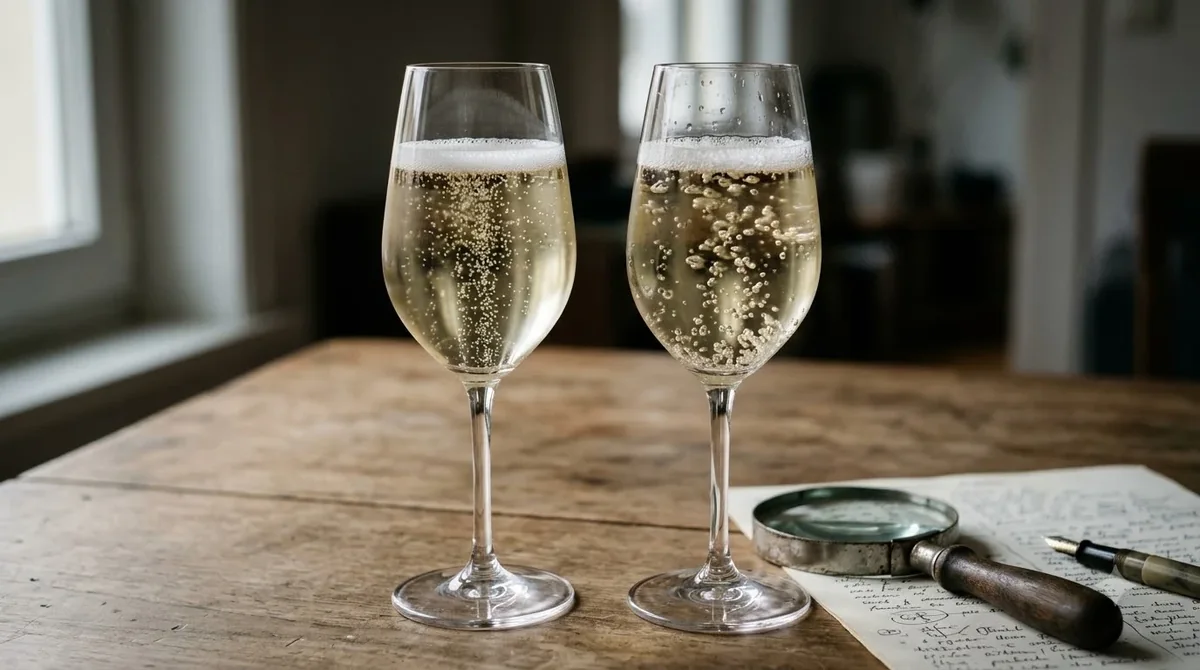
Within the white sparkling category, young tank-method wines like Prosecco and Asti typically show a pale, silvery-green or light straw tint because they are bottled fresh without prolonged yeast contact. Traditional-method Blanc de Blancs made from 100 percent Chardonnay often display a bright lemon-yellow core with greenish reflections when young, gradually warming into burnished gold after five to ten years in the cellar. Blanc de Noirs—white sparklers crafted solely from black grapes—frequently exhibit a slightly deeper yellow-gold or faint onion-skin hue caused by trace pigment picked up from dark skins.
Rosé sparkling wines range from barely-there ballet slipper pink and pale salmon to vibrant coral, flamingo, and coppery orange. Pale, delicate pinks usually signal brief skin contact or a tiny splash of still red wine, whereas deeper salmon and ruby-tinged rosés indicate longer maceration or a higher proportion of red base wine. Sparkling reds sit at the far end of the spectrum, running from translucent ruby in styles like Lambrusco di Sorbara to opaque, inky purple in Lambrusco Grasparossa and Australian Sparkling Shiraz.
| Color Shade | Typical Wine Style | Primary Grapes | Flavor & Structural Clues |
|---|---|---|---|
| Pale Straw with Green Tint | Young Prosecco, Brut Cava, Blanc de Blancs | Glera, Macabeo, Chardonnay | High acidity, green apple, lemon zest, crisp and light body |
| Deep Lemon to Burnished Gold | Vintage Champagne, Reserva Cava, Blanc de Noirs | Chardonnay, Pinot Noir, Pinot Meunier | Toasted brioche, baked apple, roasted nuts, creamy mousse |
| Pale Salmon to Copper-Pink | Brut Rosé Champagne, Franciacorta Rosé, Crémant Rosé | Pinot Noir, Chardonnay, Pinot Meunier | Wild strawberry, blood orange, subtle spice, balanced acidity |
| Translucent Ruby to Deep Purple | Lambrusco, Brachetto d’Acqui, Sparkling Shiraz | Lambrusco varieties, Brachetto, Shiraz | Ripe blackberry, sour cherry, violet, light grip of tannin |
How Winemaking Shapes Rosé and Red Sparklers
Producers create pink and red sparkling wines using three distinct cellar techniques—blending, brief skin maceration, and full red fermentation—each yielding different shades and textures in the glass.
In Champagne, makers are uniquely permitted under European rules to produce rosé by blending a small percentage of still red Pinot Noir or Pinot Meunier wine into white base wine before the second fermentation. As noted in VinePair’s sparkling wine primer, pink sparkling wines derive their hue either from this red-wine addition or from short contact with dark grape skins. Blending allows remarkably precise color control, resulting in consistent, luminous salmon or pale rose-petal tones year after year.
Outside Champagne, most sparkling rosés rely on the saignée or limited-maceration method, where crushed red grapes soak with their skins for anywhere from two to twenty-four hours before pressing. Longer skin contact extracts more anthocyanins along with subtle phenolic structure, producing deeper coral or ruby hues and fuller berry flavors. For true sparkling reds such as Emilia-Romagna’s Lambrusco or Piedmont’s Brachetto d’Acqui, winemakers ferment the juice directly on the skins for days, extracting saturated crimson color and gentle tannins before trapping bubbles in tank or bottle.
Tip: Tilt your sparkling wine glass at a 45-degree angle against a white napkin or tablecloth under natural light to separate subtle green, copper, and golden undertones that look identical upright.
Regional Color Signatures Across Famous Styles
Geography, native grape varieties, and regional aging laws create recognizable visual signatures across the world’s major sparkling wine regions.
In northern Spain, cava color moves from bright, pale straw in young Cava de Guarda bottles aged a minimum of nine months to rich, golden amber in Cava de Guarda Superior Gran Reserva wines aged more than thirty months on the lees. Similarly, checking pinot grigio color in Italian sparkling blends reveals how copper-tinted Pinot Grigio skins can lend a warm peach or pale gold cast even to wines labeled white.
Sweet aromatic sparklers follow their own visual cues tied to grape ripeness and minimal aging. Studying moscato color in Asti Spumante or Moscato d’Asti shows a luminous, pale straw-gold hue with delicate, frothy bubbles that reflect early bottling designed to preserve fresh peach and orange-blossom aromatics. Meanwhile, cloudy or hazy amber, pink, and ruby tones frequently appear in unfiltered Pétillant Naturel (Pét-Nat) wines bottled before primary fermentation finishes, leaving natural yeast sediment suspended in the liquid.
What Color Tells You About Age, Sweetness, and Storage
Visual cues in sparkling wine reliably indicate bottle maturity and storage health, though color alone cannot tell you whether a bottle is bone-dry or sweet.
As a white sparkling wine ages in the bottle, slow oxygen ingress through the cork and ongoing autolytic breakdown transform pale lemon hues into deep gold, burnished brass, and eventually amber. If an unopened bottle shows a dull, brownish-orange cast accompanied by sluggish, flat bubbles, the wine has likely suffered heat damage or premature oxidation. Conversely, a bright, clear golden hue paired with fine, persistent streams of bubbles signals healthy maturity and complex nutty, brioche flavors.
Sweetness, however, remains invisible to the eye. A bone-dry Brut Nature Champagne with zero added sugar and a sweet Demi-Sec Champagne can share the exact same pale gold color because final sweetness comes from the clear sugar-and-wine dosage added just before corking. Similarly, dry Lambrusco Secco and sweet Lambrusco Dolce display identical deep ruby-purple tones, making label terms rather than color your reliable guide to residual sugar.
Serving and Glassware Tips to Showcase Sparkling Wine Color
Proper glassware, serving temperature, and lighting preserve both the visual clarity and effervescence of every shade of sparkling wine.
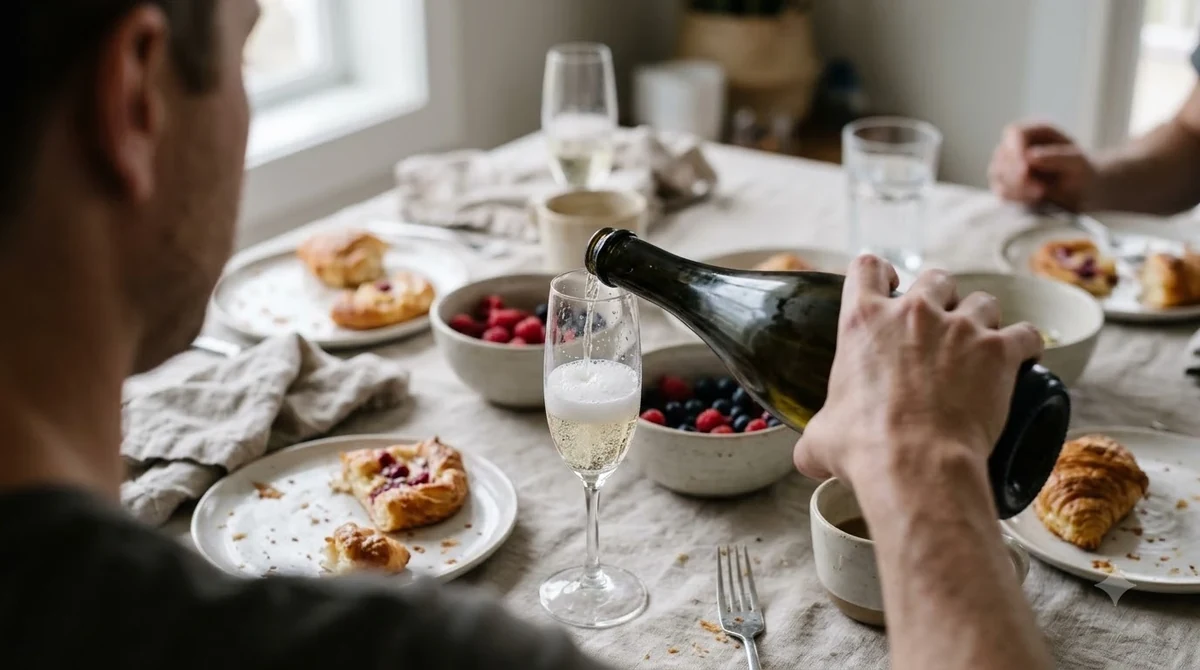
White-wine tulip glasses or universal stemmed glasses showcase sparkling wine color far better than narrow flutes or wide coupes. A tulip bowl provides enough surface area for light to pass cleanly through the liquid while tapering at the rim to concentrate aromas and sustain bead formation. Pouring slowly down the side of an angled glass prevents excessive foaming, keeping the liquid clear and preserving dissolved carbon dioxide.
Serving temperature also influences how vibrant a sparkling wine looks and tastes. Chilling white and rosé sparklers to between 45°F and 50°F (7°C to 10°C) keeps the mousse tight and crisp without muting delicate fruit aromatics, while fuller-bodied sparkling reds show best slightly warmer at 50°F to 55°F (10°C to 13°C) so their tannins stay supple rather than astringent.
Frequently Asked Questions
Why are some sparkling wines made from red grapes completely white?
Grape juice inside nearly all red wine grapes is naturally clear, while color pigments reside in the skins. When winemakers press whole clusters of Pinot Noir or Pinot Meunier gently and separate the juice immediately, almost no pigment transfers, creating white Blanc de Noirs sparkling wine.
Does a darker gold color mean a sparkling wine is sweeter?
No, darker gold color indicates bottle age, extended lees aging, oak fermentation, or trace skin contact rather than residual sugar. A bone-dry vintage Champagne can look deeply golden, while a sweet Asti Spumante appears pale straw.
Why is my Pét-Nat sparkling wine cloudy instead of clear?
Pétillant Naturel wines are bottled before primary fermentation finishes and are rarely filtered or disgorged. The suspended yeast sediment creates a natural haze that intensifies pink, orange, or ruby colors in the glass.
What does a brownish tint in Champagne or Prosecco mean?
A dull brown or sherry-like amber tint usually signals oxidation, meaning the wine has been exposed to excessive oxygen or heat over time. While very old vintage Champagnes develop deep burnished gold hues, a flat brownish tone paired with weak bubbles suggests the bottle is past its prime.
Observing sparkling wine color before your first sip turns every pour into an instant lesson in winemaking, grape selection, and bottle age. Whether you prefer the silvery-green snap of young tank-method bubbles, the burnished gold depth of aged traditional-method cuvées, or the vibrant ruby fizz of dry Lambrusco, paying attention to hue helps you match the right bottle to the occasion.
More in Wine Types & Grapes
 What Does Mourvèdre Taste Like? Flavor Profile, Regions, and PairingsUpdated Nov 20, 2026
 What Does Marsanne Taste Like? Flavors, Styles, and Food PairingsUpdated Nov 20, 2026
 What Does Malvasia Taste Like? Styles, Flavors, and Food PairingsUpdated Nov 20, 2026
 What Does Grenache Blanc Taste Like? Flavor Profile, Styles, and PairingsUpdated Nov 20, 2026
 What Does Garnacha Taste Like? Key Flavors, Styles, and Pairing TipsUpdated Nov 20, 2026
 What Does Fruit Wine Taste Like? A Complete Flavor and Style BreakdownUpdated Nov 20, 2026