

We may earn a commission when you buy through links on this page, at no extra cost to you. Learn more.
Pinot meunier wine is usually a light to medium-bodied red or sparkling wine with soft red fruit, bright acidity, and gentle tannins. The most common place to find it is in Champagne blends, but single-variety bottles also appear in German and Swiss red wine lists. If you want a pinot meunier wine that is easy to drink, look for a fruit-forward bottle served slightly cool.
Most wine drinkers meet pinot meunier without noticing. It sits in the blend of many sparkling wines, quietly adding fruit and roundness. Still, a few producers bottle it on its own, and those wines show a distinct personality that is worth knowing before you choose a bottle. This guide covers the taste, the styles, how to buy, and what to eat with it.
What Pinot Meunier Wine Tastes Like
The flavor profile of pinot meunier is bright and fruity. According to the Wine Folly pinot meunier guide, common notes include tart cherry, pomegranate, and rose, with more savory hints of mushroom and potting soil. The body is medium-light, and the acidity is medium-high, so the wine feels lively without the grip of a bold red.
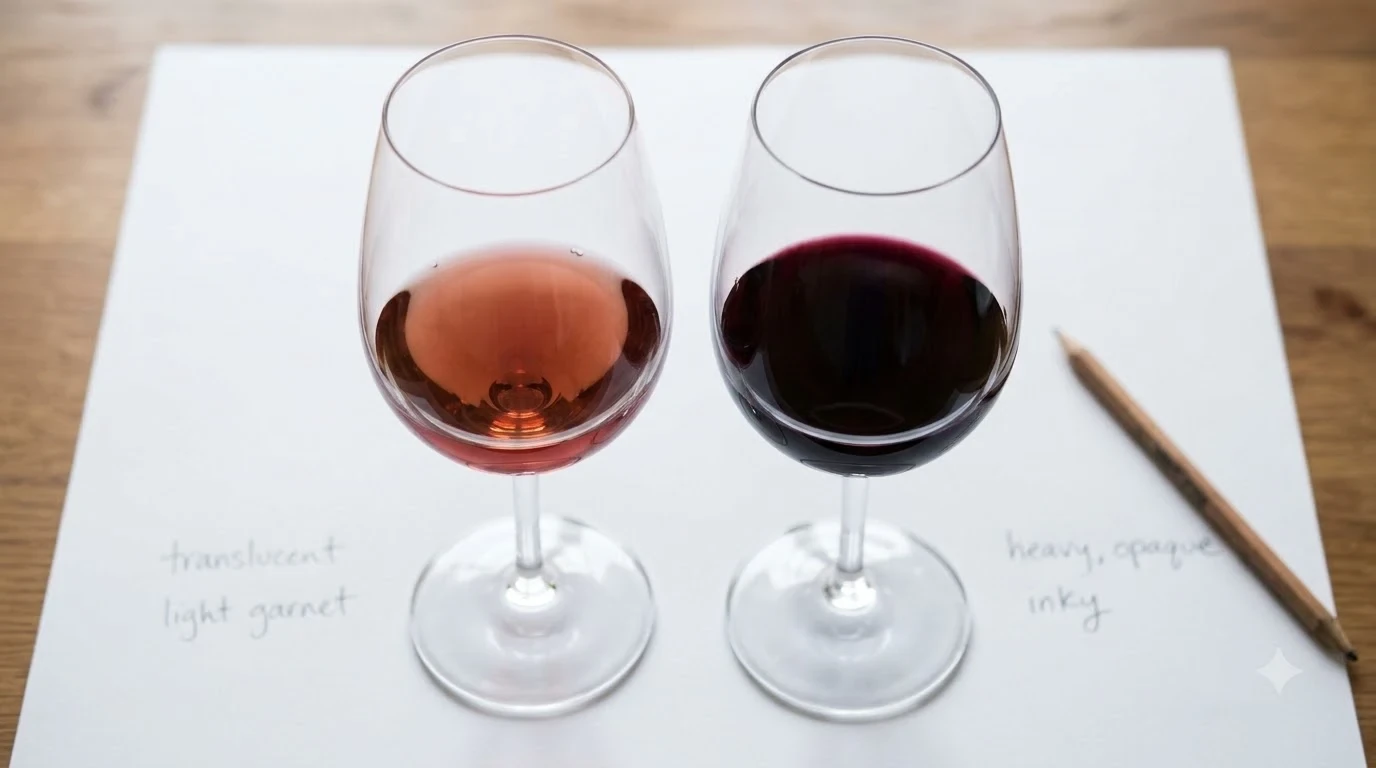
Tannins are softer than in many red wines, which makes pinot meunier approachable for people who find cabernet or syrah too firm. Because the wine carries so much fresh fruit, it often tastes brighter than its color suggests. Many drinkers describe it as a bridge between a light red and a fruit-driven rosé.
Styles You Are Likely to Find
Pinot meunier wine appears in a few main styles. The first is the sparkling blend from Champagne, where the grape adds fruit and softness alongside pinot noir and chardonnay. These wines are usually dry and fine-bubbled, and they work well with a wide range of dishes. The second style is a still red, often from cool regions in Germany or Switzerland, which tends to be lighter and more delicate than a typical pinot noir.
A third style is rosé. Pinot meunier’s skins give a pale pink color when the juice has short contact with them, and the resulting wines are crisp and fruity. If you see a rosé labeled with the grape name, expect a fresher and slightly more savory glass than a rosé made from heavier red varieties.
How Pinot Meunier Wine Differs From Pinot Noir
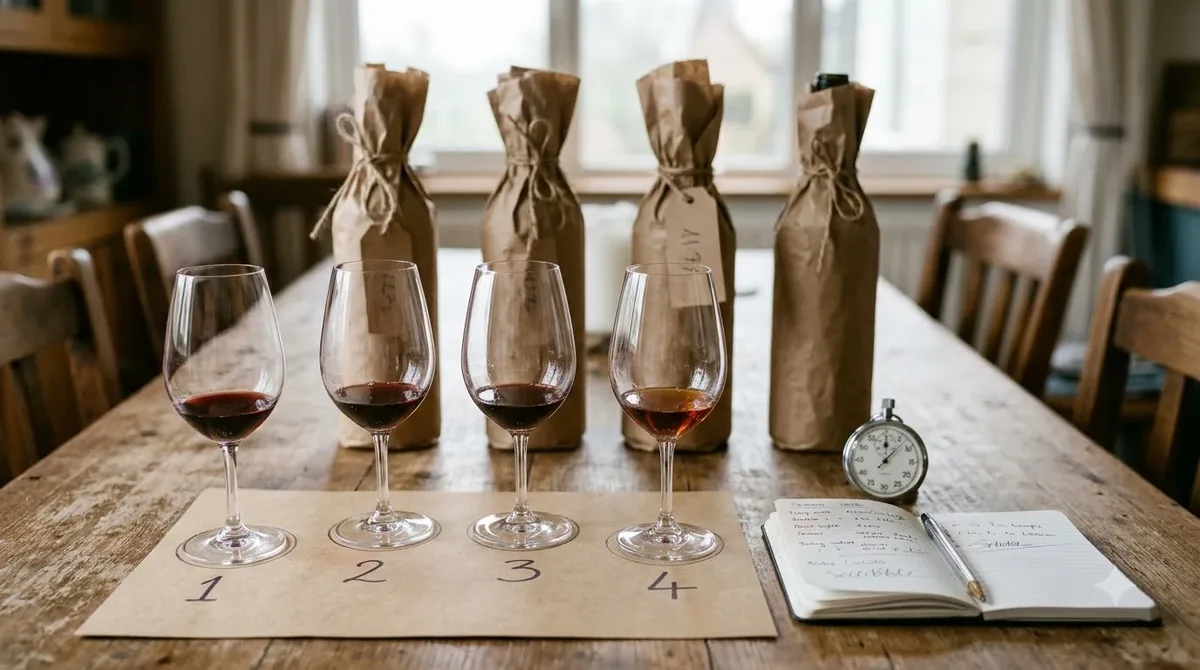
People often ask how pinot meunier compares with pinot noir, since the two grapes are closely related and share many flavors. The VinePair pinot noir guide describes pinot noir as a grape that gives structure and character to sparkling blends, and it is the main variety in many blanc de noirs. Pinot meunier, by contrast, tends to offer a softer, rounder feel with less grip.
That softness is why winemakers choose pinot meunier for fruit-forward styles and blends meant for early drinking. If you like pinot noir for its red fruit but want something lighter on the palate, pinot meunier may suit you better. It is also a useful choice for mixed groups, because its style sits between red and white for many guests.
| Style | What to expect | Good with |
|---|---|---|
| Champagne blend | Dry, fine bubbles, soft red fruit | Fried foods, soft cheese, salty snacks |
| Still red | Light to medium body, tart cherry | Roast duck, pork, mushroom dishes |
| Rosé | Crisp, pale pink, savory edge | Charcuterie, light pasta, grilled vegetables |
Tip: A sparkling pinot meunier blend is a good choice for a party because it pairs with almost anything on the table, from appetizers to dessert.
How to Serve Pinot Meunier Wine
The Wine Folly guide recommends serving pinot meunier between 55 and 60 degrees Fahrenheit. That is cooler than the room temperature many people use for red wine, and it keeps the fruit lively. A still red can sit in the refrigerator for about fifteen minutes before pouring. Sparkling bottles should be chilled well before opening.
Use a medium-bodied red glass for still wines so the aroma gathers near the rim. For sparkling styles, a tulip or flute keeps the bubbles and fruit concentrated. Decanting is rarely needed, since the wine is light and does not benefit from much air. Open a still bottle when you are ready to pour, and enjoy it over the next hour or two as it warms slightly in the glass.
Food Pairings That Suit the Wine
Pinot meunier pairs with many of the same dishes as pinot noir. The Wine Folly guide suggests pork, roast duck, mushrooms, and grilled vegetables, which all match the wine’s savory and fruity notes. A roasted chicken with herbs such as thyme or rosemary is another reliable match.
Champagne blends are more flexible. Their acidity and bubbles cut through fried foods and soft cheeses, while the red fruit complements salty snacks. Rosé styles work well with charcuterie, grilled sausages, or a simple tomato pasta. When in doubt, match the wine’s weight to the dish: lighter preparations suit the lighter styles, and richer roasts suit the fuller still reds.
For a closer look at the grape itself, read our pinot meunier grape guide, which covers where it grows and how it is used. If you enjoy pinot noir-style reds, the how to pronounce pinot noir page is a quick companion read, and the Wine by Type section lists other options.
How to Buy a Good Bottle
Start by deciding whether you want sparkling, still, or rosé. Each style offers a different experience, and the label should make the category clear. For sparkling wine, check whether the bottle is from Champagne or another region, since the source affects the blend and the price. For still reds, read the back label for the region and producer, as these details help you predict the body and fruit.
Price is not always a clear guide to quality with this grape, since many producers use it as a supporting variety rather than the headline. A modest bottle from a producer who clearly explains the blend can often be more satisfying than an expensive label with little detail. Look for honest notes about the grape, the region, and the winemaking, and let those details guide your decision.
Shop staff can help narrow the choice. Tell them you want soft red fruit and low tannins, and they can point you toward a pinot meunier or a blend that uses it. If the bottle does not list the grapes, the producer’s website usually does.
Frequently Asked Questions
What does pinot meunier wine taste like?
It usually tastes of tart cherry, pomegranate, and a hint of savory earth, with medium-light body and bright acidity. The tannins are soft, which makes it easy to drink on its own or with food.
Is pinot meunier wine sweet?
Most pinot meunier wine is dry. Its ripe fruit can taste rounded, but it is not normally sweet. Check the label if you are looking for a sweeter style, since some rosés and sparkling wines may be off-dry.
Is pinot meunier wine good for beginners?
Yes. Its low tannins and fruit-forward style make it a gentle introduction to red wine, especially for people who find bolder reds too heavy. Serving it slightly cool helps the fruit stand out.
Should I decant pinot meunier wine?
Usually not. The wine is light and fruity, so it does not need much air. Simply open the bottle and pour when you are ready to drink.
Pinot meunier wine rewards a relaxed approach. Pick a bottle that matches the style you want, serve it cool, and pair it with simple food. You may find it becomes a regular choice on nights when you want fruit and freshness without a heavy red.
More in Wine Types & Grapes
 Zinfandel Sugar Content: Dry Red vs. White Zinfandel GramsUpdated Nov 21, 2026
 Best Zinfandel Substitute Options for Sipping and CookingUpdated Nov 21, 2026
 Zweigelt Food Pairing: Best Dishes, Cheeses, and Serving TipsUpdated Nov 21, 2026
 Zinfandel Tannins Explained: How Structure Shapes Every BottleUpdated Nov 21, 2026
 Zinfandel Sweetness Level: Dry Red vs. Sweet White Zin ExplainedUpdated Nov 21, 2026
 Xinomavro Food Pairing: Best Dishes, Styles, and Serving TipsUpdated Nov 21, 2026