

We may earn a commission when you buy through links on this page, at no extra cost to you. Learn more.
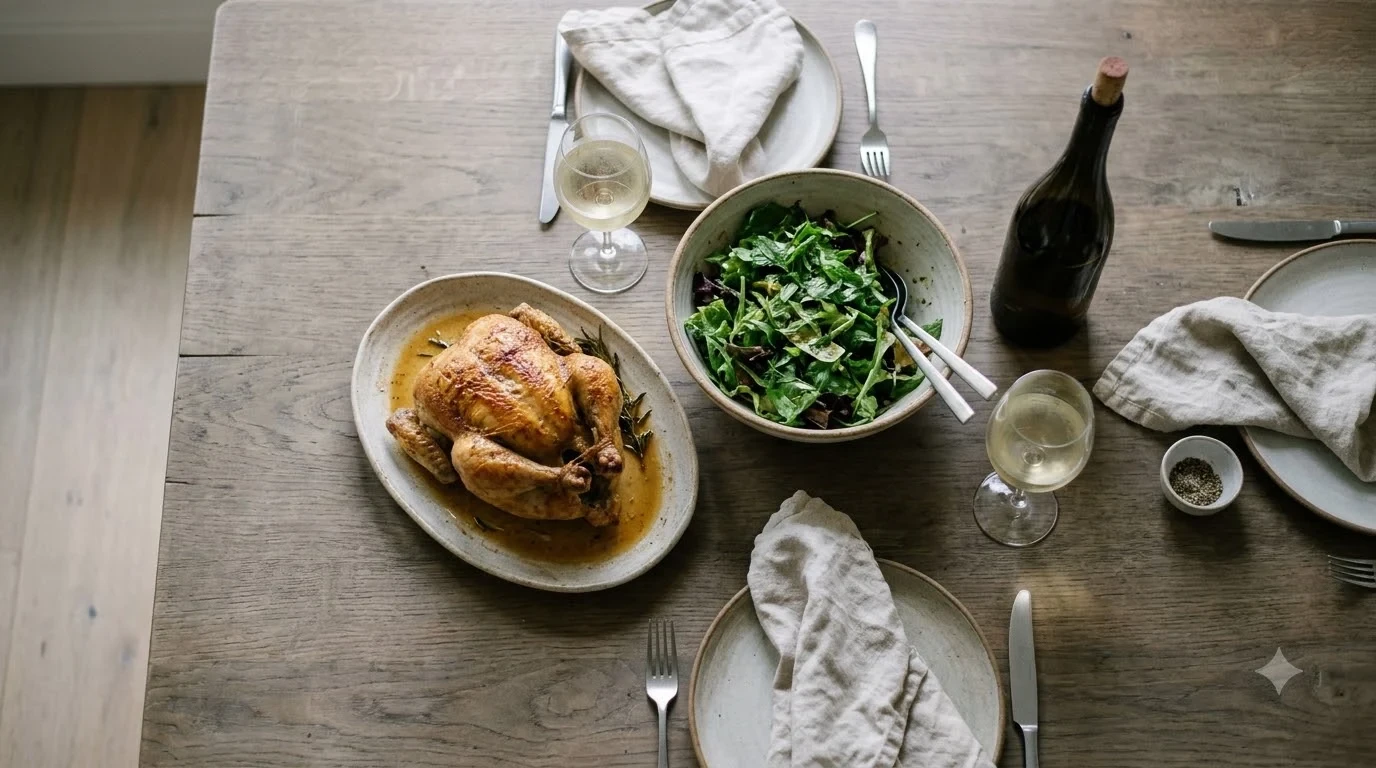
What wine goes with chicken and rice? Chardonnay, Sauvignon Blanc, and Pinot Noir are excellent choices, depending on how the chicken is cooked and seasoned. For classic roasted chicken with buttery rice, choose Chardonnay. For lemony or herb-seasoned dishes, Sauvignon Blanc offers refreshing acidity, while Pinot Noir suits mushroom rice and roasted chicken. If the meal contains chili, curry, or sweet-spicy sauce, off-dry Riesling is often the better choice.
Chicken and rice is a flexible meal rather than a single flavor combination. A plate of roasted chicken breast with plain white rice needs a different wine from chicken fried rice with soy sauce, a creamy chicken and mushroom casserole, or a spicy chicken and rice bowl. The rice, sauce, vegetables, cooking fat, and seasonings all influence the final pairing.
The easiest approach is to match the wine to the strongest flavor on the plate. Consider whether the dish is buttery, acidic, smoky, spicy, earthy, or mildly seasoned. Once you identify that characteristic, choosing between white wine, red wine, and rosé becomes much simpler.
How to Choose Wine for Different Chicken and Rice Dishes
The best starting point is a medium-bodied white wine with enough acidity to balance the chicken and the rice. Chardonnay is particularly versatile for rich preparations, while Sauvignon Blanc and Riesling work better when the dish includes fresh herbs, citrus, or spices.

Chicken is relatively mild, so its preparation determines how much weight and intensity the wine should have. Plain steamed rice is also fairly neutral. However, rice cooked in chicken stock, butter, coconut milk, or aromatic spices develops a stronger character that can change the pairing significantly.
For a traditional American-style dinner, imagine roasted chicken thighs served with buttery long-grain rice. The browned skin and cooking fat give the dish a rich texture, making Chardonnay a natural choice. A lightly oaked version offers ripe apple, pear, and subtle vanilla notes without overwhelming the chicken.
For a lighter plate of poached chicken breast and steamed jasmine rice, consider Sauvignon Blanc. Its refreshing acidity and citrus characteristics provide contrast to the mild protein and simple rice. A dry Riesling can also work, especially if the meal includes scallions, ginger, lemon, or fresh herbs.
Red wine is another possibility. Pinot Noir is particularly suitable because its relatively low-to-medium tannin, fresh acidity, and red-fruit character complement chicken without dominating it. It works especially well when mushrooms, roasted vegetables, or browned chicken skin are part of the meal.
Think about the dish as a complete combination rather than treating chicken and rice as two separate ingredients. A rich sauce can make a fuller white more appropriate, while a spicy seasoning can make an aromatic white with some residual sweetness the smarter choice.
Best White Wines for Chicken and Rice
Chardonnay, Sauvignon Blanc, Riesling, and Viognier offer four useful directions for chicken and rice. Chardonnay handles butter and cream, Sauvignon Blanc suits fresh herbs and citrus, Riesling complements spices, and Viognier works with aromatic preparations.
Chardonnay is the most versatile option for traditional roasted chicken and rice. Its medium acidity and medium-to-full body make it suitable for dishes with butter, garlic, chicken stock, and roasted vegetables. Lightly oaked Chardonnay is especially useful because it combines freshness with enough texture to match the food.
Choose a lightly oaked or unoaked Chardonnay when the chicken is simply seasoned. A richer, barrel-aged style is more appropriate for chicken cooked with cream, butter, or mushroom sauce. The additional weight of the wine helps it keep pace with the richness of the meal.
Sauvignon Blanc is a better choice when the dish tastes fresh and bright. Its high acidity and citrus-driven character work well with lemon chicken, parsley, cilantro, green onions, and vegetable rice. New Zealand Sauvignon Blanc is particularly expressive, often showing grapefruit, lime, and green-fruit characteristics.
A very heavily seasoned chicken dish may overwhelm a delicate Sauvignon Blanc, so consider the intensity of the sauce. For example, grilled chicken with lemon rice and fresh parsley is a more natural match than chicken cooked in a thick, sweet barbecue glaze.
Riesling offers flexibility because it is produced in dry and off-dry styles. Dry Riesling is excellent with ginger, lemon, aromatic herbs, and lightly seasoned rice. Off-dry Riesling is more suitable when the chicken contains chili, curry spices, or sweet ingredients.
Its combination of high acidity and fruit makes Riesling especially useful for dishes with several competing flavors. A little sweetness can soften the perception of chili heat, while acidity keeps the pairing refreshing. Avoid assuming that every Riesling is sweet; many examples are completely dry.
Viognier is worth considering for aromatic chicken and rice recipes. Its floral character, stone-fruit flavors, and fuller texture can complement chicken seasoned with turmeric, ginger, coriander, or mild curry spices. It is particularly appealing when the dish has a creamy or coconut-based sauce.
For additional guidance on richer chicken preparations, compare these suggestions with our article on what wine goes with butter chicken. The same principles of balancing richness, aromatic spices, and sweetness apply to many chicken and rice recipes.
Red Wine and Rosé Pairings for Chicken and Rice
Pinot Noir, Merlot, and lighter Grenache-based wines can all work with chicken and rice when the dish has roasted, earthy, smoky, or savory flavors. Dry rosé provides another flexible alternative, particularly for grilled chicken and vegetable rice.
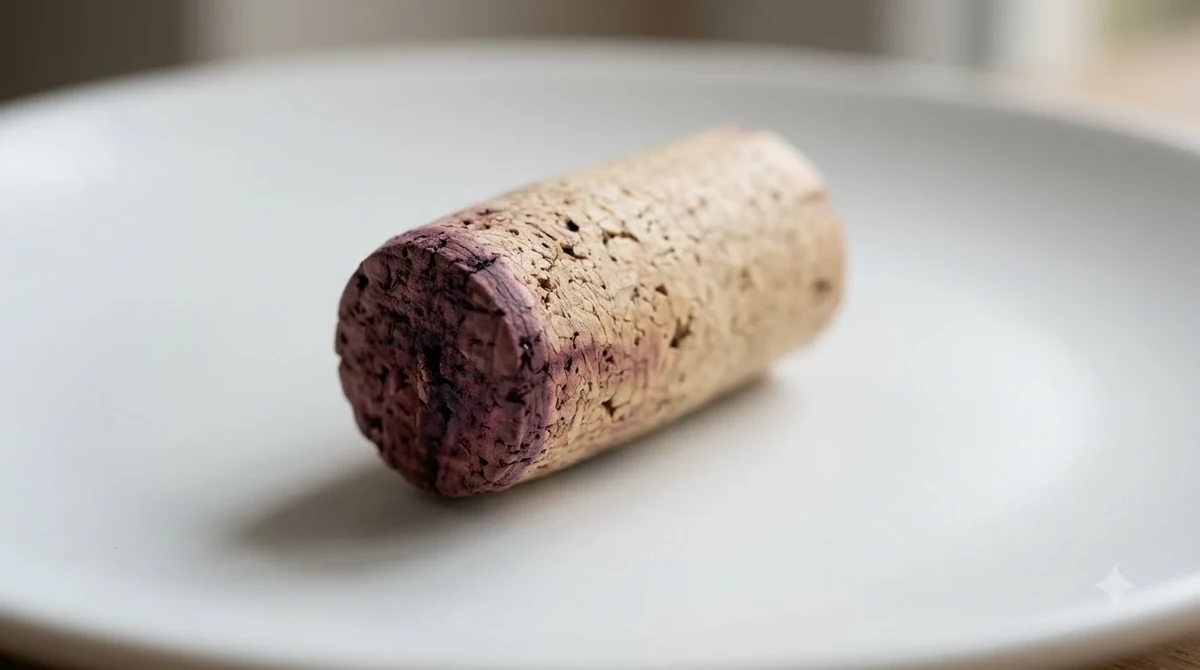
Pinot Noir is the most dependable red wine choice for this combination. It generally has low-to-medium tannin and high acidity, making it less aggressive than Cabernet Sauvignon or Syrah. Its cherry, raspberry, and earthy characteristics complement roasted chicken, mushroom rice, and herb-seasoned dishes.
Try Pinot Noir with chicken thighs roasted until the skin becomes golden and crisp, served with rice cooked in chicken stock. The wine’s acidity helps refresh the palate after the richer chicken skin, while its red-fruit flavors provide a pleasant contrast to savory rice.
Merlot is another option for richer chicken dishes. Its medium tannin and softer structure make it more approachable than many full-bodied reds. A fruit-forward Merlot can accompany roasted chicken with caramelized onions, browned mushrooms, and seasoned brown rice.
Choose a moderately structured Merlot rather than an especially powerful example. The objective is to complement the savory flavors without making the rice and chicken seem delicate or bland in comparison.
Grenache is useful for grilled chicken, paprika-seasoned rice, and preparations with roasted peppers. Many Grenache wines offer generous red-fruit flavors, moderate tannin, and a lively character. They are especially attractive when the dish contains garlic, rosemary, or smoky seasoning.
Dry rosé provides a middle ground between white and red wine. A Provence-style rosé is a practical match for grilled chicken with lemon rice, fresh tomatoes, and herbs. A darker, fuller rosé can handle more substantial chicken preparations because it often has additional texture and flavor concentration.
There are some red wines to approach carefully. Cabernet Sauvignon has high tannin, while Syrah can have medium-plus to high tannin. These wines may overwhelm plain chicken breast and delicate white rice. They become more plausible when the dish contains substantial fat, concentrated sauce, or strongly roasted flavors.
Oily or buttery rice can soften the perception of tannin, but a very powerful red is rarely necessary. If the chicken is lean and simply prepared, Pinot Noir or a softer Merlot is generally a more balanced decision.
For smoky preparations, our guide to what wine goes with BBQ chicken explains how grilled flavors, sweet sauces, and char influence the choice between red, white, and rosé.
Match Wine to the Rice, Sauce, and Seasoning
The rice preparation can be just as important as the chicken itself. Plain white rice, buttery rice pilaf, mushroom rice, fried rice, and spicy rice have different levels of richness, acidity, salt, and aromatic intensity.
For plain white rice, keep the wine relatively fresh and uncomplicated. Sauvignon Blanc, dry Riesling, and unoaked Chardonnay all work because they complement the mild flavors without introducing excessive oak or tannin.
Rice cooked with butter or chicken stock needs a wine with more texture. Chardonnay is a natural choice, particularly if the chicken is roasted or pan-seared. A medium-bodied white Rhône blend can also work with garlic, herbs, and savory stock-based preparations.
Mushroom rice creates a more earthy combination. Pinot Noir is a strong option because its fruit and acidity complement the mushrooms without competing with their savory character. Gavi, a white wine from Piedmont in Italy, is another possibility for lighter chicken and mushroom rice dishes.
Fried rice requires special attention because soy sauce, sesame oil, garlic, and other seasonings create a more intense flavor profile than plain steamed rice. A dry Riesling or Sauvignon Blanc can provide freshness, while a lightly chilled Pinot Noir may work with chicken fried rice that contains mushrooms or roasted vegetables.
For recipes with noticeable soy sauce, avoid relying on heavily tannic reds. Salty, savory ingredients can make the structure of a powerful red seem harder. A crisp white or refreshing sparkling wine is often more flexible.
Coconut rice and creamy rice preparations need wines with sufficient body and aromatic character. Viognier, lightly oaked Chardonnay, and some off-dry Rieslings can complement these dishes. The best choice depends on whether the coconut contributes sweetness, richness, or both.
Tomato-based chicken and rice benefits from acidity. Sauvignon Blanc, dry rosé, and medium-bodied reds with fresh acidity can all work. A low-acid, heavily oaked white may taste less lively beside a tomato-rich sauce.
Use the following guide to make a quick decision:
| Chicken and rice preparation | Recommended wine | Pairing reason |
|---|---|---|
| Roasted chicken with buttery white rice | Chardonnay | Matches the richness and browned flavors |
| Lemon chicken with herb rice | Sauvignon Blanc | High acidity complements citrus and herbs |
| Chicken with mushroom rice | Pinot Noir or Gavi | Complements earthy and savory flavors |
| Chicken fried rice | Dry Riesling | Refreshes the palate and suits savory seasoning |
| Spicy chicken with rice | Off-dry Riesling | Fruit and sweetness soften chili heat |
| Chicken with coconut rice | Viognier | Matches aromatic and creamy characteristics |
| Grilled chicken with seasoned rice | Dry rosé or Pinot Noir | Handles smoke, herbs, and browned flavors |
| Creamy chicken and rice casserole | Oaked Chardonnay | Provides sufficient body for the creamy sauce |
| Chicken with tomato rice | Sauvignon Blanc or Grenache | Fresh acidity complements tomato flavors |
These are practical starting points rather than strict rules. For example, a spicy chicken fried rice may need off-dry Riesling rather than a dry Riesling, while a buttery chicken fried rice may work better with Chardonnay.
Tip: Identify the strongest flavor before selecting the wine. If butter or cream dominates, start with Chardonnay. If lemon or fresh herbs dominate, choose Sauvignon Blanc. If chili or curry dominates, reach for off-dry Riesling. This simple method works for most chicken and rice recipes.
Wine Pairings for Spicy, Asian, and International Chicken and Rice
Chicken and rice dishes with curry, chili, ginger, soy sauce, and aromatic spices benefit from wines with freshness and expressive fruit. Off-dry Riesling, Gewürztraminer, Viognier, and dry sparkling wine are useful options, depending on the level of heat and sweetness.
For chicken curry with rice, begin with off-dry Riesling. Its high acidity helps refresh the palate, while its modest sweetness can soften the sensation of chili heat. This is particularly useful for dishes containing ginger, turmeric, coriander, cumin, and hot peppers.
Gewürztraminer is another good option for aromatic curry dishes. Its floral, lychee-like, and spice-associated aromas complement ginger and fragrant seasonings. It is especially effective with chicken cooked in a coconut-based sauce, although a very sweet example may be unnecessary for a savory recipe.
Viognier offers a fuller alternative when the sauce is creamy rather than intensely hot. It can complement Thai-inspired chicken and rice containing coconut milk, lemongrass, and aromatic herbs. Choose a balanced style with sufficient freshness rather than one that is excessively rich or alcoholic.
For Indian-style chicken and rice, consider how the dish is seasoned. A mild chicken biryani with saffron, cardamom, and fragrant basmati rice can work with dry aromatic whites such as Pinot Gris or Gewürztraminer. If the biryani includes substantial chili heat, off-dry Riesling is often a safer choice.
For chicken tikka-style preparations, the combination of char, yogurt-based marinade, and spices makes dry rosé another possibility. A juicy, low-tannin red such as Pinot Noir can work when the chicken is grilled and the sauce is not excessively hot.
For another perspective on Southeast Asian chicken and rice, the MICHELIN Guide’s Asian food and wine pairing recommendations specifically discuss Hainanese chicken rice. The suggested cool-climate New World Pinot Noir is particularly interesting for versions with generous soy sauce, showing that this familiar rice dish can work with red wine as well as white.
If your recipe contains butter, tomato, cream, and several spices, use the sauce as the deciding factor. Our guide to what wine goes with chicken curry provides additional ideas for matching wine with different levels of heat and richness.
Chinese-style chicken fried rice often contains soy sauce, sesame oil, ginger, scallions, and vegetables. Dry Riesling, Sauvignon Blanc, and sparkling wine can complement these flavors. A slightly off-dry wine is useful if the dish also contains sweet chili sauce or a sweet soy glaze.
Japanese-inspired chicken rice bowls may include teriyaki, ginger, soy, or sesame. The sweetness in teriyaki makes an extremely dry, austere wine less appealing. Consider an aromatic Riesling or a fruity rosé with enough acidity to balance the glaze.
For Cajun-style chicken and rice, smoked paprika, black pepper, cayenne, and other seasonings can create considerable intensity. Dry rosé, Grenache, and fruit-forward Pinot Noir can work with moderately seasoned versions. If the heat becomes pronounced, an off-dry Riesling is generally a better direction.
One important consideration is alcohol. Chili heat can make alcohol and tannin seem more pronounced. A high-alcohol Cabernet Sauvignon or powerful Syrah can therefore feel harsh beside a very spicy chicken and rice dish. A refreshing white with moderate alcohol and some fruit is usually easier to enjoy.
Serving Temperature, Portions, and Practical Pairing Tips
Serving temperature changes how wine feels alongside food. Chardonnay should be cool rather than ice-cold, lighter whites should remain refreshing, and lighter reds can benefit from a short period in the refrigerator before serving.
Use these temperature ranges as a practical reference:
| Wine style | Serving temperature | Best chicken and rice application |
|---|---|---|
| Light white wine | 45–50°F | Herb chicken and plain rice |
| Full-bodied white wine | 50–55°F | Roasted chicken and buttery rice |
| Dry rosé | 45–50°F | Grilled chicken and vegetable rice |
| Light red wine | 55–60°F | Chicken with mushrooms or roasted rice |
| Full-bodied red wine | 60–65°F | Rich, heavily seasoned chicken dishes |
| Sweet or off-dry white wine | 43–50°F | Spicy chicken and curry rice |
| Sparkling wine | 40–50°F | Fried chicken and seasoned rice |
Do not serve every white wine directly from an extremely cold refrigerator. Very low temperatures can mute aromas and make a wine seem less expressive. Allow a fuller Chardonnay to warm slightly before pouring, especially when serving it with a rich chicken casserole.
Likewise, avoid serving red wine too warm. A Pinot Noir served around 55–60°F can feel fresher and more balanced than one served at a warm room temperature. A brief refrigerator rest can help bring the wine into the right range.
For a typical dinner, a standard 750 ml bottle provides approximately five 5-ounce glasses. This is a useful planning reference for a meal shared by several adults. If the dinner includes several courses, consider whether one wine can accompany the entire meal or whether a second style would better suit the main course.
For example, dry sparkling wine can work as an opening pour with a light appetizer, followed by Chardonnay with roasted chicken and buttery rice. Alternatively, a single dry Riesling can cover several dishes when the meal includes ginger, herbs, vegetables, and moderate spice.
Keep opened still wine refrigerated and reseal the bottle. Most opened still wines remain in good condition for approximately three to five days, although freshness varies with the wine and storage conditions. Sparkling wine generally retains its best character for approximately one to three days when properly sealed and refrigerated.
Storage matters if you plan to keep bottles for future meals. Store wine bottles on their sides when appropriate, away from direct sunlight and temperature fluctuations, ideally in a consistently cool environment near 55°F.
For an uncomplicated pairing, remember three combinations: Chardonnay with buttery roast chicken and rice, Sauvignon Blanc with lemon and herb chicken, and Riesling with spicy chicken and rice. Pinot Noir is the dependable red alternative when mushrooms, roasted flavors, or browned chicken skin become more prominent.
Frequently Asked Questions
Can you drink red wine with chicken and rice?
Yes. Pinot Noir, Gamay, and softer Grenache wines are suitable red choices for chicken and rice. Gamay is particularly useful when served slightly chilled because its fresh fruit and relatively modest tannin complement roasted or grilled chicken without overwhelming the rice.
Does Champagne go with chicken and rice?
Yes, particularly with fried chicken, crispy chicken skin, and salty rice dishes. Champagne undergoes its second fermentation in the bottle, producing the bubbles and texture that make it refreshing with rich food. Brut styles are generally the most versatile choice for savory chicken preparations.
Is Pinot Grigio good with chicken and rice?
Pinot Grigio is a useful choice for lightly seasoned chicken breast and simple rice dishes. Italian examples often offer fresh pear, citrus, and apple characteristics. Its lighter body makes it particularly appropriate for poached chicken, steamed rice, and vegetable-based sides.
Should chicken and rice be paired with organic wine?
Organic certification concerns how grapes are grown and how wine is produced, rather than determining its food-pairing suitability. An organic Chardonnay can work just as well as another Chardonnay with buttery chicken and rice. Focus on acidity, body, sweetness, and tannin when selecting the bottle.
Can one bottle of wine work with several chicken and rice recipes?
Yes. Dry Riesling is a particularly flexible option for a meal that includes herb-seasoned chicken, ginger rice, and moderately spicy sauces. Dry rosé is another adaptable choice for grilled chicken, roasted vegetables, and savory rice pilaf. For a group with varied preferences, Brut sparkling wine can also be a useful alternative.
The best wine for chicken and rice depends on the preparation, but Chardonnay, Sauvignon Blanc, Riesling, and Pinot Noir cover most common recipes. Match the wine to the sauce and seasonings, keep the serving temperature appropriate, and consider the richness of the rice as well as the chicken. With those principles, you can find a balanced pairing for everything from a simple weeknight dinner to a richly seasoned chicken and rice feast.
More in Food & Wine Pairing
 Risotto With White Wine Recipe: Make a Creamy Dinner at HomeUpdated Nov 20, 2026
 Wassail With Wine Recipe for a Festive Spiced Holiday DrinkUpdated Nov 20, 2026
 Spritz Veneziano Recipe: Make a Classic Venetian Aperitivo at HomeUpdated Nov 20, 2026
 Summer Wine Punch Recipe for Easy Homemade EntertainingUpdated Nov 20, 2026
 Bishop Recipe: How to Make a Bright, Citrus-Forward Red Wine CocktailUpdated Nov 20, 2026
 Wine Cupcakes Recipe: Bake Rich Chocolate Cupcakes at HomeUpdated Nov 20, 2026