


We may earn a commission when you buy through links on this page, at no extra cost to you. Learn more.
Pairing riesling with chicken works because the grape’s naturally high acidity cuts through fat and rich pan sauces while its spectrum of dry to off-dry styles adapts to everything from herb-roasted breasts to spicy curries. Chicken itself is a mild, lean protein, meaning the cooking method, herbs, and sauce dictate the bottle rather than the bird alone. Dry Rieslings match citrus, garlic, and roasted skin, whereas lower-alcohol off-dry bottles cool chili heat and echo sweet-savory glazes.
Many wine drinkers assume Riesling is always sugary, yet some of the finest versions from Germany, Alsace, Austria, and the Finger Lakes are crisp and completely dry. Because winemakers vinify the grape across a wide range of sweetness levels without heavy oak, a single varietal can handle vastly different poultry recipes on a weeknight or at a Sunday dinner.
Why Riesling Works So Well With Chicken
Chicken meat lacks the heavy marbling and assertive iron notes of red meat, so aggressive, tannic wines easily overwhelm the plate. Riesling brings vibrant acidity, aromatic lift, and zero oak tannin, allowing the natural flavor of the poultry to stay front and center while refreshing the palate between bites.
According to Wine Folly’s poultry pairing guide, matching the intensity of the sauce and preparation matters far more than matching the color of the meat. When chicken is roasted with rosemary, bathed in lemon butter, or simmered in spiced coconut milk, Riesling mirrors those bright aromatic compounds instead of fighting them. Its stone-fruit, green-apple, and lime-zest notes act like a squeeze of fresh citrus over the finished dish.
Equally important is Riesling’s structural versatility across different alcohol and residual-sugar levels. High-alcohol wines amplify the burn of capsaicin in spicy dishes, whereas off-dry German styles often sit between 7.5% and 11.5% ABV with a touch of residual grape sugar that tames chili heat. That dual ability—razor-sharp dryness for savory herbs and gentle sweetness for spice—makes Riesling one of the most adaptable white wines in the kitchen.
Matching Riesling Styles to Chicken Preparations
Selecting the right bottle comes down to two variables on the plate: how the chicken is cooked and what flavors coat the meat. Matching dry, off-dry, and sparkling expressions to specific recipes keeps both the wine and the dinner in balance.

Herb-Roasted and Lemon-Garlic Chicken: Simple roasted chicken with crispy skin, thyme, rosemary, and lemon pan juices calls for a bone-dry Riesling. Look for bottles labeled Trocken from Germany, dry Alsace examples, or cool-climate dry styles from New York’s Finger Lakes or Australia’s Clare Valley. The wine’s brisk acidity slices through the rendered chicken fat and butter while harmonizing with bright citrus and green herbs.
Spicy Curries, Hot Wings, and Chili Glazes: When cayenne, ginger, Sichuan pepper, or Thai curry paste enters the picture, reach for an off-dry Riesling such as a German Kabinett or Spätlese. Reviewers at Decanter highlight off-dry Riesling as a top choice for Thai chicken curry because its lower alcohol and subtle residual sugar calm the chili heat while amplifying lemongrass and lime leaf. If you enjoy pairing bright whites with bold spices, the same structural logic applies when choosing the best wine with mexican food.
Fried Chicken and Rich Pan Sauces: Crispy Southern fried chicken, chicken karaage, or cutlets finished in a creamy mustard sauce need high acid and lively texture to scrub oil and dairy from the palate. Sparkling Riesling—often labeled Sekt in Germany and Austria—delivers fine bubbles alongside orchard-fruit freshness that cuts straight through crunchy, lard- or oil-fried batters without feeling heavy.
| Chicken Dish | Best Riesling Style | Key Regions to Look For | Why the Pairing Works |
|---|---|---|---|
| Lemon-herb roast chicken | Dry (Trocken) | Alsace, Pfalz, Clare Valley, Finger Lakes | Crisp citrus acidity echoes lemon and cuts browned skin richness. |
| Thai chicken curry or buffalo wings | Off-dry (Kabinett or Spätlese) | Mosel, Rheingau, Washington State | Low alcohol and gentle residual sugar soothe chili heat and spice. |
| Crispy fried chicken | Sparkling Riesling (Sekt) or dry | Germany, Austria, Finger Lakes | Effervescence and sharp acidity cleanse oil and salt between bites. |
| Teriyaki or sweet-and-sour chicken | Off-dry to medium-sweet | Mosel, Rheinhessen, Pacific Northwest | Fruit sweetness matches sticky glazes while acid prevents cloying. |
| Creamy mushroom or tarragon chicken | Full-bodied dry Riesling | Alsace, Wachau (Austria) | Riper texture stands up to cream while keeping the finish lively. |
Understanding Sweetness Levels on the Label
Because Riesling labels rarely state residual sugar in plain English, learning a few regional terms prevents accidental mismatches at dinner. A bottle that is sweeter or drier than expected can throw off a carefully seasoned chicken dish.
On German bottles, the word Trocken indicates a fully dry wine, while Feinherb signals a subtly off-dry style with just enough fruit roundness to soften spice or salt. Traditional Prädikat designations—Kabinett, Spätlese, and Auslese—indicate increasing levels of grape ripeness at harvest. While modern producers sometimes vinify Kabinett and Spätlese dry, classic versions retain noticeable sweetness balanced by electric acidity.
In the United States, many producers in Washington’s Columbia Valley and New York’s Finger Lakes print the International Riesling Foundation (IRF) taste profile scale on the back label. This simple sliding graphic marks whether the wine inside tastes Dry, Medium Dry, Medium Sweet, or Sweet, taking the guesswork out of shopping for weeknight poultry dinners. If you want to explore how sweetness, acid, and body interact across other proteins, our Grape x Food overview breaks down the foundational rules.
Serving Temperature and Glassware Tips
Serving Riesling at the right temperature ensures its floral aromatics and vibrant acidity shine alongside warm poultry. Pouring a bottle straight from a cold kitchen refrigerator often mutes the very fruit and herbal notes that make the pairing click.
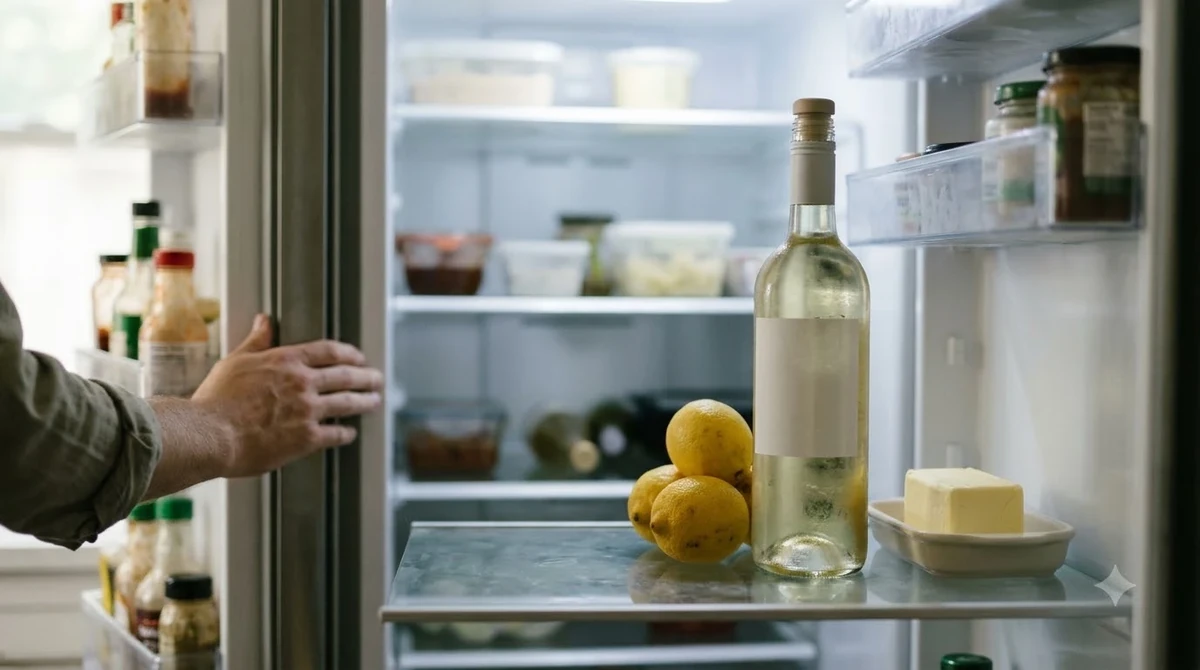
Aim to serve young, light, or off-dry Rieslings between 45°F and 50°F (7°C to 10°C), while fuller-bodied, mature dry Rieslings from Alsace or Austria open up best slightly warmer at 50°F to 55°F (10°C to 13°C). Because standard household refrigerators sit closer to 38°F or 40°F, pulling a chilled bottle onto the counter 15 to 20 minutes before plating your chicken allows the lime-blossom, peach, and slate aromas to wake up.
Choose a standard medium-sized white wine glass with a tulip-shaped bowl that narrows slightly toward the rim. This shape concentrates delicate aromatics—ranging from green apple and white peach in youth to subtle honeycomb and petrol notes in aged bottles—while directing the crisp acidity cleanly onto the center of the palate.
Tip: Check the alcohol by volume (ABV) printed on the front label when shopping without a sweetness scale—bottles between 7.5% and 10% ABV are almost always off-dry and ideal for spicy chicken, while bottles at 12% to 13.5% ABV have fermented nearly all their sugar into dry, fuller-bodied wine.
What to Avoid When Pairing Riesling and Poultry
Even a grape as flexible as Riesling has a few blind spots at the dinner table. Paying attention to heavy char, sweet dessert-level bottles, and competing sauces keeps your meal harmonious.
First, avoid pairing sweet late-harvest styles like Auslese or Beerenauslese with delicately seasoned poached chicken breast or simple lemon-pepper cutlets. Without spicy heat, salty soy glaze, or rich fat to balance the residual sugar, a sweet wine will make plain white meat taste bland and metallic. Keep those intensely sweet expressions for blue cheese, fruit tarts, or celebratory party treats like a champagne jello shots recipe rather than a savory entree.
Second, use caution with heavily charred barbecue chicken smothered in thick, smoky molasses sauce. While off-dry Riesling handles sweet-and-sour glazes well, deep hickory smoke and dark, sticky barbecue sauces usually overwhelm white wines and call instead for a juicy, low-tannin red. Likewise, if your dinner menu shifts from poultry to delicate pan-seared shellfish in brown butter, a dedicated wine pairing with scallops guide will steer you toward richer textures.
Frequently Asked Questions
Is dry or sweet Riesling better with roast chicken?
Dry Riesling is the better match for classic roast chicken seasoned with lemon, garlic, butter, and herbs. Its brisk acidity cuts through browned skin and pan drippings without clashing with savory herbs, whereas a sweet wine would taste heavy alongside simple roasted poultry.
What is the best Riesling for spicy chicken wings or curry?
An off-dry German Riesling labeled Kabinett or Feinherb is ideal for spicy buffalo wings, Nashville hot chicken, or Thai chicken curry. The wine’s lower alcohol content prevents chili heat from feeling hotter, while a touch of residual sugar cools the palate and complements aromatic spices.
Does Riesling go well with fried chicken?
Yes, both dry Riesling and sparkling Riesling (known as Sekt) pair wonderfully with crispy fried chicken. High natural acidity and lively carbonation cut straight through frying oil and salty breading, refreshing your palate between bites.
How cold should I serve Riesling with a chicken dinner?
Serve light, crisp, or off-dry Rieslings chilled to 45°F–50°F (7°C–10°C), and fuller-bodied dry Rieslings slightly warmer at 50°F–55°F (10°C–13°C). If the bottle has been in the refrigerator all day, let it rest on the counter for about 15 to 20 minutes before pouring so its aromas open up.
Whether you are roasting a whole bird with rosemary and lemon or ordering spicy takeout curry, keeping a bottle of Riesling on hand solves almost any poultry pairing dilemma. Match dry styles to herbs and citrus, save off-dry bottles for heat and sticky glazes, and let the grape’s signature acidity do the heavy lifting at the table.
More in Food & Wine Pairing
 Risotto With White Wine Recipe: Make a Creamy Dinner at HomeUpdated Nov 20, 2026
 Wassail With Wine Recipe for a Festive Spiced Holiday DrinkUpdated Nov 20, 2026
 Spritz Veneziano Recipe: Make a Classic Venetian Aperitivo at HomeUpdated Nov 20, 2026
 Summer Wine Punch Recipe for Easy Homemade EntertainingUpdated Nov 20, 2026
 Bishop Recipe: How to Make a Bright, Citrus-Forward Red Wine CocktailUpdated Nov 20, 2026
 Wine Cupcakes Recipe: Bake Rich Chocolate Cupcakes at HomeUpdated Nov 20, 2026