

We may earn a commission when you buy through links on this page, at no extra cost to you. Learn more.
prosecco for beginners starts with a simple choice: pick a Glera-based sparkling wine from northeastern Italy, then choose the sweetness level that suits your palate. Most bottles are fresh, lightly fruity, and made with bubbles formed in pressurized tanks. The label can tell you whether the wine is Brut or Extra Dry, fully sparkling or gently fizzy, and from the broad Prosecco DOC area or a more specific hillside DOCG zone.
Prosecco is an approachable first sparkling wine because its apple-and-pear flavors, lively acidity, and generally modest alcohol make it easy to serve with food or pour before dinner. Understanding four label clues—origin, grape, sweetness, and sparkle—makes choosing a bottle much less mysterious.
What Prosecco Is and Where It Comes From
Prosecco is an Italian wine whose name identifies a protected wine origin, not simply a grape or a generic style of bubbles. Prosecco DOC comes from northeastern Italy, across Veneto and Friuli Venezia Giulia, with production spread across nine provinces including Treviso, Venice, Padua, and Trieste.
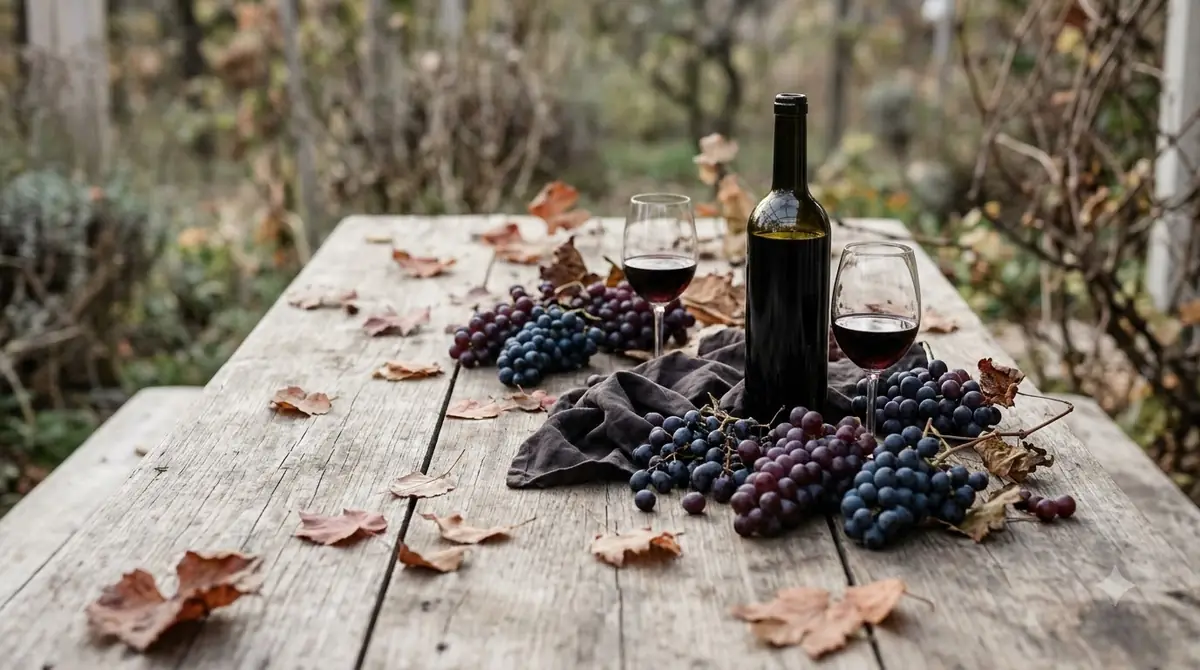
The principal grape is Glera, a white variety associated with fresh acidity and delicate fruit and floral aromas. A typical glass may suggest green apple, pear, citrus, white peach, or blossom. The flavors are usually more about fresh fruit than the baked bread or toast notes associated with many bottle-fermented sparkling wines. Prosecco is generally light-bodied, with a clean finish and brisk bubbles.
The broad Prosecco DOC zone includes both plains and hills, so the wine does not come from one uniform landscape. The official production area includes nine provinces: Treviso, Venice, Vicenza, Padua, Belluno, Gorizia, Pordenone, Trieste, and Udine. The DOC rules also define grape varieties, winemaking, bottling, and the identifying government seal. The Prosecco DOC consortium overview explains how those origin and production standards are protected.
Prosecco is not always fully sparkling. The label may say spumante for fully sparkling wine, frizzante for a softer, lightly sparkling style, or tranquillo for still wine. Most shoppers looking for classic Prosecco will encounter spumante.
Glera, the Tank Method, and the Wine’s Fresh Style
Glera supplies Prosecco with its recognizable fresh-fruit character, while the tank method captures the bubbles without hiding those primary aromas behind extended bottle aging. In familiar Prosecco DOC spumante, the second fermentation takes place in a sealed pressure tank rather than in each individual bottle.
Winemaking begins when harvested grapes are pressed and the juice ferments into a still base wine. For the sparkling stage, the producer adds yeast and sugar to the base wine in a closed tank. As the yeast consumes the sugar, it produces carbon dioxide; because the tank is sealed, the gas dissolves into the wine. The sparkling wine is then filtered and bottled under pressure. This process is known as the Martinotti or Charmat method.
The tank method is particularly well suited to Glera because it emphasizes fruit and floral aromas rather than making autolytic, bread-like notes the main feature. It is also efficient for producing fresh sparkling wines in larger quantities. That does not mean all Prosecco tastes the same or that tank-fermented wine cannot be carefully made. Vineyard location, harvest decisions, fermentation temperature, time on yeast lees, and blending all influence the finished bottle.
Most Prosecco is built for freshness, not long-term cellaring. The Prosecco DOC consortium recommends drinking it young, ideally in the year after harvest. For an everyday DOC spumante, a recently released bottle is a sensible choice for preserving bright fruit and lively sparkle.
Tip: Treat the tank method as a style clue, not a quality score. It explains why many Proseccos taste crisp and fruit-forward; the producer, vineyard, and balance still determine whether a particular bottle is ordinary or memorable.
Prosecco Sweetness Levels: Brut, Extra Dry, and Dry
The sweetness term on a sparkling-wine label is one of the most useful clues for a first-time buyer. The names can seem backward: Extra Dry is sweeter than Brut, and Dry is sweeter than Extra Dry. For most shoppers choosing a classic bottle, the practical comparison is between Brut and Extra Dry.
These terms refer to residual sugar, measured in grams per liter (g/L), rather than how strongly the wine smells of fruit. In the Conegliano Valdobbiadene Prosecco Superiore DOCG classification, Extra Brut contains 0–6 g/L, Brut 0–12 g/L, Extra Dry 12–17 g/L, and Dry 17–32 g/L. Exact permitted categories can vary across Prosecco appellations and styles, so use the figures as a guide to the familiar DOCG scale, not as a universal rule for every sparkling wine.
| Label term | Residual sugar guide | Typical impression | Good starting point |
|---|---|---|---|
| Extra Brut | 0–6 g/L | Very dry, crisp, and lean | Drinkers who prefer bone-dry sparkling wine |
| Brut | 0–12 g/L | Dry, fresh, and versatile | Most meals and aperitif occasions |
| Extra Dry | 12–17 g/L | Off-dry impression with a rounded fruit feel | A softer first bottle or mildly spicy food |
| Dry | 17–32 g/L | Noticeably sweeter | Fruit-based desserts that are not too sweet |
Brut is the safest all-purpose starting point if you usually drink dry white wine or prefer a crisp finish. Extra Dry is worth trying if you like a gentle impression of sweetness, especially alongside salty appetizers or a little chile heat. Dry is sweeter still and less common in many everyday selections. A wine’s fruit aromas can make it seem ripe even when its actual sugar level is low, so do not assume that pear or peach notes mean the wine is sweet.
The wider sparkling-wine vocabulary also includes Brut Nature, Demi-Sec, and Doux, although not every term is equally common across Prosecco labels. The beginner point is simple: Brut is drier than Extra Dry, while Dry is sweeter than both. Choose by the sweetness category, not by a fruit illustration or the word “fruity” on a shelf card.
Prosecco DOC and DOCG: Reading the Place on the Label
DOC and DOCG identify different protected origins, not sweetness levels or bubble intensity. Prosecco DOC covers the larger regional zone, while Prosecco Superiore DOCG identifies more tightly defined hillside areas, especially Conegliano Valdobbiadene and Asolo in Veneto.
Prosecco DOC spans nine provinces across Veneto and Friuli Venezia Giulia. Within that broad area, Conegliano Valdobbiadene Prosecco Superiore DOCG comes from 15 communes in Treviso province, between the towns named in the appellation. Its vineyards include steep slopes where work is more demanding and harvest is largely manual. Wine Enthusiast reports that the area recognized 43 distinct hillside sites called Rive in 2009.
Those hillside conditions help explain why DOCG bottles can offer more definition and detail than a simple, easy-drinking Prosecco. Vineyard labor is one concrete difference: plains vineyards average about 150 labor hours per hectare, compared with 600–800 hours in Conegliano Valdobbiadene. For more on these hillside wines, read Wine Enthusiast’s overview of Conegliano Valdobbiadene. A DOCG designation gives buyers a more precise geographic clue, though personal taste still matters.
Look for names such as Conegliano Valdobbiadene Prosecco Superiore DOCG or Asolo Prosecco Superiore DOCG when you want to explore a more specific origin. Some Conegliano Valdobbiadene DOCG wines may use the place name prominently and omit the word Prosecco from the front label. For a first bottle, the DOC is a perfectly legitimate choice; moving up to DOCG is a way to explore origin and vineyard character, not a requirement for finding enjoyable sparkling wine. Rosé Prosecco is another style within the DOC system and provides a useful point of comparison with the broader category of rose for beginners. Its color does not make it a different appellation family or automatically sweeter than white Prosecco; use the sweetness term and origin to understand the bottle.
How Prosecco Tastes and What to Buy First
Most Prosecco tastes fresh, light, and fruit-led, with acidity that keeps the finish clean. A classic bottle commonly shows green apple, pear, lemon, white peach, or citrus blossom, while a more concentrated hillside wine can add mineral, herbal, or savory details.
For a straightforward first purchase, choose Prosecco DOC spumante Brut for a dry, versatile wine or Extra Dry for a softer impression of sweetness. A Conegliano Valdobbiadene or Asolo DOCG bottle is a useful next step for comparing hillside origins, but DOCG does not tell you whether the wine is Brut or Extra Dry. Think about the occasion, too: frizzante suits a relaxed afternoon, spumante brings persistent bubbles for a toast, and crisp Brut or Extra Dry usually works better in Bellinis and spritzes than a sweeter Dry wine.
It can help to compare Prosecco with other wines you already know. Unlike Champagne, which comes from France’s Champagne region and gets its bubbles from a second fermentation in the bottle, most familiar Prosecco gets its bubbles in a tank. The two wines can both be dry and celebratory, but their grapes, origins, and typical aromas differ. Read champagne for beginners to understand the bottle-fermented style, then compare it with Prosecco side by side.
Glera is not the same grape as Pinot Grigio. Both are associated with northeastern Italy, but Pinot Grigio is usually a still white wine. For a comparison of acidity, body, and fruit character, see pinot grigio for beginners. Browse the site’s Wine Buying Guides for more styles suited to different occasions.
Serving Temperature, Food Pairings, and Storage
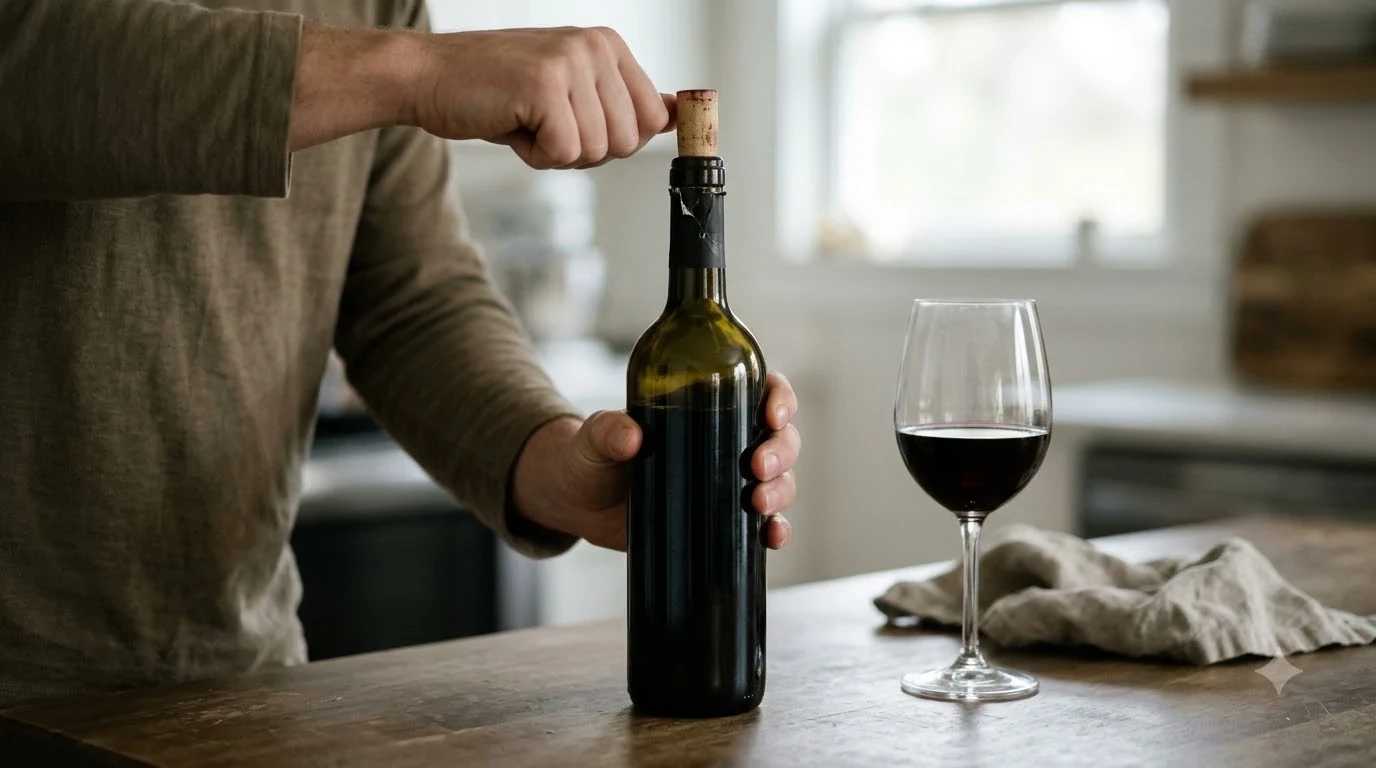
Serve Prosecco cold but not so icy that its aromas disappear. A practical target is 40–50°F, with the Prosecco DOC consortium recommending approximately 6–8°C (43–46°F); use a tulip-shaped glass if available because its slightly wider bowl gives the aromas room to open while keeping the bubbles visible. Chill the bottle in a refrigerator before serving, then pour moderate portions rather than filling the glass to the rim. A standard 750 ml bottle yields about five 5-ounce glasses. Open carefully, keeping a hand over the cork and angling it away from people.
Prosecco’s acidity and bubbles make it a natural partner for salty, fried, or creamy appetizers. Try Brut with fried calamari, shrimp, potato chips, soft cheeses, prosciutto, or an egg dish; the acidity refreshes the palate while carbonation cuts through rich textures. It also works with white fish, shellfish, vegetable fritters, and pasta with herbs or cream. For spicy food, a slightly softer Extra Dry can suit Vietnamese green papaya salad or lightly chile-seasoned seafood. A touch of sweetness can soften chile, but keep the heat moderate because alcohol can make chili feel hotter and intense spice can overwhelm delicate wine. With lemon- or vinegar-forward dishes, choose a wine with enough freshness to meet the food’s acidity.
For dessert, the wine should be at least as sweet as the food. Extra Dry or Brut can seem refreshing with fresh fruit, but may taste sharp beside very sweet cake, syrupy pastry, or rich chocolate; a sweeter sparkling style is a better match. Keep unopened bottles in a cool, dark place away from heat and sunlight. The consortium advises drinking standard Prosecco young, ideally in the year after harvest. Once opened, reseal the bottle with a sparkling-wine stopper and refrigerate it; finish it within one to three days for the best bubble retention.
Frequently Asked Questions
These final details help clarify a few terms that often appear on labels or restaurant wine lists. Remember the basics: Glera is the main grape, Brut is drier than Extra Dry, and the DOC or DOCG name tells you where the wine comes from.
Is Prosecco always made from Glera?
Glera is the traditional and principal grape, but the rules allow certain additional varieties. The Prosecco DOC consortium lists Verdiso, Bianchetta Trevigiana, Perera, Glera lunga, Chardonnay, Pinot Bianco, Pinot Grigio, and Pinot nero vinified off the skins, with those other grapes limited to 15% overall.
What does perlage mean?
Perlage is the Italian term for the visible beads or streams of bubbles in sparkling wine. The Prosecco DOC consortium uses the term for the bubbles formed as carbon dioxide is retained during the second fermentation.
Can Prosecco be made using the traditional bottle method?
Yes, although the tank method is far more common. A traditional bottle-refermented style known as sui lieviti is associated with the historical col fondo approach; it can retain lees sediment in the bottle and show a more savory, bread-crust character than a clear, fruit-forward tank-made Prosecco.
What is Charmat lungo?
Charmat lungo is an extended tank-aging approach used by some quality-focused DOCG producers. The wine remains on its yeast lees in tank for several months, which can build a fuller texture while keeping the fresh fruit character associated with Prosecco.
How high are the Conegliano Valdobbiadene vineyards?
The hillside vineyards range from about 164 to 1,640 feet above sea level. That spread in elevation contributes to varied exposures and growing conditions within the appellation, helping explain why site-specific wines can differ.
For a first bottle, begin with a Prosecco DOC spumante Brut, serve it at 40–50°F, and pair it with salty appetizers or seafood. Once you know whether you prefer a drier Brut or a rounder Extra Dry, explore DOCG hillside wines and frizzante or rosé styles to find the Prosecco that best fits the occasion.
More in Wine Buying Guides
 Cheap Red Blend: How to Find a Flavorful Bottle for LessUpdated Nov 20, 2026
 Pinot Grigio Gift: How to Choose a Bottle They’ll EnjoyUpdated Nov 20, 2026
 Best White Wine at Total Wine for Every MealUpdated Nov 20, 2026
 Wine Fridge Replacement Shelves: Find the Right FitUpdated Nov 20, 2026
 Best Sparkling Wine Under 20: Find Bubbles Worth BuyingUpdated Nov 20, 2026
 Best Wine For Birthday Celebrations With Perfect Party PairingsUpdated Nov 20, 2026