


We may earn a commission when you buy through links on this page, at no extra cost to you. Learn more.
Learning how to serve prosecco is straightforward: chill it to about 38 to 45°F (3 to 7°C), pour it into a white wine glass, and skip decanting. Prosecco is a light, fresh sparkling wine, so it is best enjoyed cold enough to taste crisp but not so cold that the aromas disappear. The rest of the serving routine is simple and mostly comes down to keeping the bottle cool and pouring with care.
This guide covers the serving temperature, the right glass, how to open and pour the bottle, which foods suit prosecco, and how to store it before and after opening.
What Prosecco Is and Why Serving Matters
Prosecco is an Italian sparkling wine made mainly from the Glera grape. It is usually lighter and fruitier than Champagne, with apple, pear, and floral notes and a gentle, lively bubble. Those qualities are easy to enjoy, which is one reason prosecco is served at celebrations, brunches, and casual evenings. Serving it well brings out its freshness.
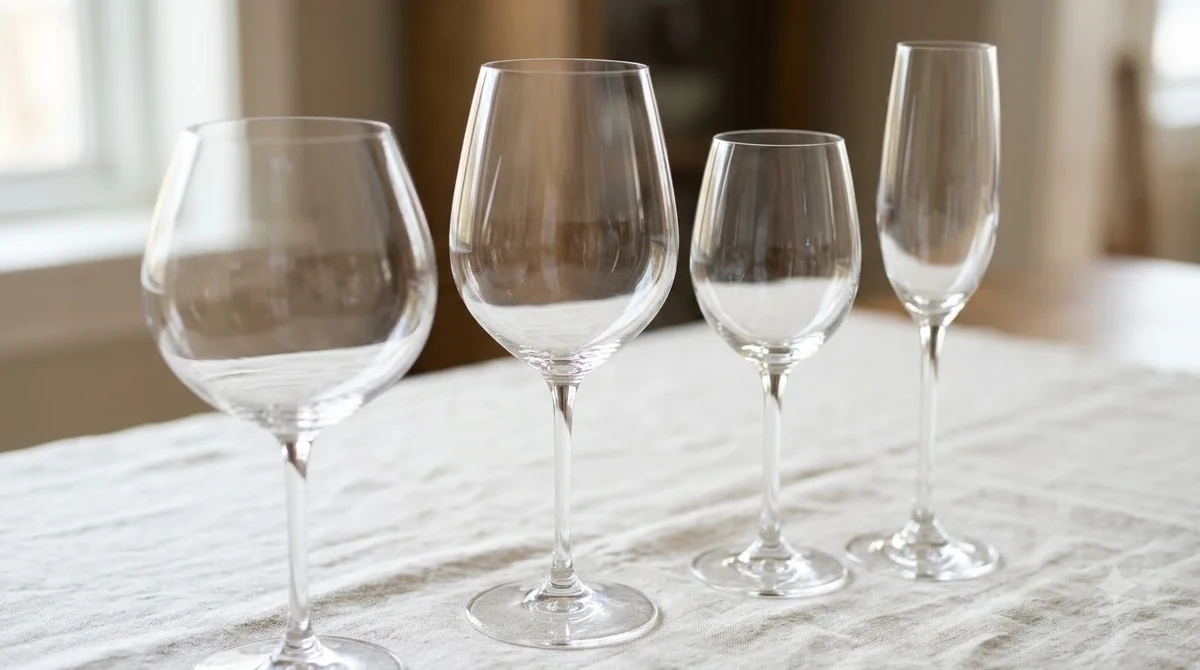
Most of the mistakes people make with prosecco come from temperature and glassware. A bottle that is too warm tastes sweeter and less lively, while one that is too cold can hide the fruit. Choosing a glass that concentrates the aroma, and opening the bottle gently, also makes a noticeable difference to the first impression.
The Right Serving Temperature
Wine Folly’s prosecco guide gives a serving range of 38 to 45°F (3 to 7°C). That is cold enough to keep the wine crisp and refreshing, and warm enough that the fruit and floral notes remain easy to notice. A bottle taken straight from a warm room needs time to reach this range, so plan ahead and move it to the refrigerator before the guests arrive.
If you are in a hurry, an ice bucket with water and ice will cool a bottle quickly. Keep it in the bucket until the bottle feels cool to the touch, then wipe the bottle dry before opening. Avoid leaving the bottle in direct sun or on a warm counter during a party, since the wine can warm up faster than you expect and lose some of its lift.
Glassware and How to Pour
Wine Folly lists a white wine glass as the recommended glass for prosecco. A glass with a tapered bowl gathers the aromas and lets the bubbles rise in a steady stream. Flutes are also common for prosecco, and many people like them for their look, but a white wine glass gives a better sense of the wine’s fruit and aroma.
Open the bottle slowly. Remove the foil, keep a hand over the cork, and turn the bottle rather than the cork until the pressure releases with a soft sigh. Pour the wine down the side of the glass to keep the bubbles lively, and fill the glass about two-thirds full. Prosecco does not need decanting. The wine is meant to be enjoyed fresh, and aerating it would only flatten the bubbles.
| Factor | Recommendation | Why it matters |
|---|---|---|
| Serving temperature | 38 to 45°F (3 to 7°C) | Keeps the wine crisp and lets the fruit show |
| Glass | White wine glass | Gathers aromas and shows the fruit clearly |
| Decanting | Not needed | The wine is meant to be enjoyed fresh |
| Cellaring window (unopened) | 1 to 3 years | Matches the window Wine Folly lists |
| Dryness for spicy food | Extra dry or dry style | Handles heat better than sweeter styles |
Food Pairings That Work
Prosecco is one of the more food-friendly sparkling wines. Wine Folly describes it as an aperitivo that pairs well with antipasto, cured meats, and almonds, and it can also accompany a main course. Its bubbles and acidity cleanse the palate between bites, so it works with fried or salty foods without feeling heavy.
Fresh Asian dishes are another strong match. Wine Folly highlights shrimp fresh rolls, sushi, Pad Thai, and curries, noting that the bubbles and acidity complement them. For very spicy Asian or Indian dishes, the source recommends an extra dry or dry style, since the sweeter styles can make the heat feel stronger. Prosecco also works with simple dishes such as fresh cheeses, grilled vegetables, and light pasta with olive oil.
The same planning applies when you serve several styles at once. Our guide to how to serve cabernet sauvignon explains why red wines need a different temperature and glass, so keep the two routines separate on a shared table.
If you plan a full meal, serve the prosecco first as a welcome drink and then keep a second bottle for the food. That approach lets the wine show its best qualities while guests are arriving, and it gives you flexibility as the meal changes.
Storage Before and After Opening
Wine Folly suggests cellaring prosecco for 1 to 3 years. That range applies to unopened bottles kept in a cool, dark place away from heat and light. Prosecco is best within a short time of purchase, so there is no need to store it for long periods unless you want to try a particular bottle.
Once a bottle is open, the source does not give a shelf life or say how well the bubbles hold up. In practice, prosecco loses its fizz faster once opened. Reseal the bottle with a proper sparkling wine stopper, keep it refrigerated, and finish it within a day or two for the best result. Check the color and smell before serving; a dull smell or a flat, sour taste means the wine has declined.
For a broader look at sparkling styles, our Wine by Type guide covers how different wines are grouped and how each one is usually served. For a different kind of drink with its own serving habits, see how to serve mead.
Common Mistakes When Serving Prosecco
The first common mistake is serving prosecco too warm. A bottle left on the table during a long party can lose its freshness, and the fruit can taste heavy. Keep a chilled bottle in an ice bucket and rotate new bottles from the refrigerator as the evening goes on.
The second mistake is pouring too fast. Prosecco foams easily, and a quick pour can fill the glass with foam and leave less wine. Tilt the glass, pour slowly, and let the foam settle before topping up.
A third mistake is using a very large glass for every pour. Filling a big glass only partly makes it hard to keep the wine cold and hides the aromas. A standard white wine glass, filled about two-thirds, keeps the bubbles lively and the serving size comfortable.
Finally, avoid pairing prosecco with very spicy food without checking the style. A sweeter bottle can taste sugary next to strong heat, so choose a dry bottle when the meal is hot.
Frequently Asked Questions
What temperature should prosecco be served at?
Wine Folly gives a serving range of 38 to 45°F (3 to 7°C). That keeps the wine crisp and lets its fruit and floral notes come through.
Should prosecco be decanted?
No. Prosecco is meant to be enjoyed fresh, and decanting would only release the bubbles faster.
What glass is best for prosecco?
A white wine glass is the usual recommendation. It gathers the aromas and shows the fruit clearly, though flutes are also widely used.
How long does prosecco last once opened?
The source does not give a shelf life for opened bottles. Reseal it tightly, keep it refrigerated, and finish it within a day or two for the best taste and fizz.
Serving prosecco well comes down to a few habits: chill it to the right range, pour gently into a white wine glass, and match it with light, fresh foods. Do those things, and the wine’s freshness and fruit will show from the first glass to the last.
More in Wine Types & Grapes
 Zinfandel Sugar Content: Dry Red vs. White Zinfandel GramsUpdated Nov 21, 2026
 Best Zinfandel Substitute Options for Sipping and CookingUpdated Nov 21, 2026
 Zweigelt Food Pairing: Best Dishes, Cheeses, and Serving TipsUpdated Nov 21, 2026
 Zinfandel Tannins Explained: How Structure Shapes Every BottleUpdated Nov 21, 2026
 Zinfandel Sweetness Level: Dry Red vs. Sweet White Zin ExplainedUpdated Nov 21, 2026
 Xinomavro Food Pairing: Best Dishes, Styles, and Serving TipsUpdated Nov 21, 2026