

We may earn a commission when you buy through links on this page, at no extra cost to you. Learn more.
How to serve mead depends on the style: chill a dry, light mead, and serve a spiced or warmed mead hot. Mead is fermented honey, and its alcohol content ranges from about 3.5 percent to more than 20 percent, according to Wikipedia’s mead entry. That range is wide, so the best serving approach depends on whether the bottle is sweet or dry, still or sparkling, and whether it has spices or fruit added.
Mead is one of the oldest fermented drinks, and it is now made in many styles, from crisp, dry bottles to rich, sweet ones. Many people buy a bottle without knowing how to serve it, which is why the guidance can feel confusing at first. This guide explains how temperature, glassware, and food choices change the taste, and how to match each style to the right moment.
Understanding the Styles of Mead
Mead is made by fermenting honey with water, and producers often add fruit, spices, or herbs to shape the flavor. The result can range from light and dry to sweet and full-bodied. Some meads are still, while others have a light fizz, and a few are aged in barrels for a deeper character. Knowing which style is in your glass helps you choose the right serving method.
Because the category is so varied, a single rule rarely works for every bottle. The label or the producer’s description is the best place to start. A bottle described as dry and crisp suits a different service than one described as spiced or aged, and the guidance below follows that difference.
| Style of mead | Typical character | Serving approach |
|---|---|---|
| Dry or light mead | Crisp, floral, with a clean finish | Chill and serve in a white wine glass |
| Sweet or rich mead | Honey-forward, full-bodied | Serve cool, not cold, so the honey aromas can show |
| Spiced or warmed mead | Cinnamon, clove, citrus, and warm spice | Warm gently and serve hot in a mug |
| Sparkling mead | Light fizz with bright acidity | Chill well and pour into a flute or wine glass |
Serving Temperature for Dry and Light Mead
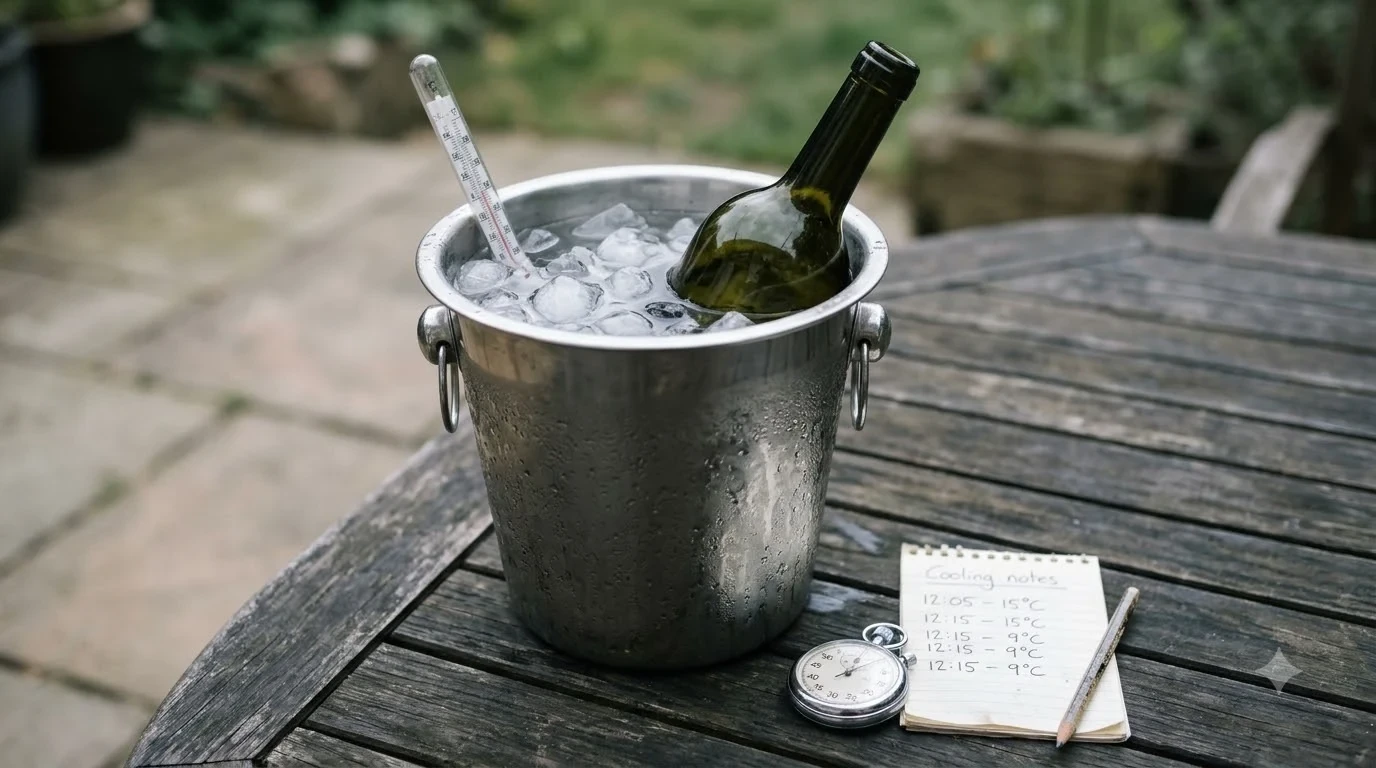
Dry and light meads taste best when they are chilled. A cool glass brings out crisp acidity and keeps the floral notes clean, which is especially helpful for meads that are not very sweet. Chill the bottle in the refrigerator until it is cold to the touch, then pour it into a glass without ice so the flavor does not dilute.
If the mead is served with a meal, chill it slightly more than you would a red wine. Cold service keeps the drink refreshing, and it suits lighter dishes such as salads, soft cheeses, and simple seafood. A dry mead can also work as an aperitif before dinner, since its clean finish prepares the palate for the meal.
Serving Sweet and Rich Mead
Sweet and full-bodied meads need a different approach. When they are served too cold, the honey character can feel muted, and the body may seem thin. Serve these meads cool rather than cold, so the aromas and texture can show. A small pour is often enough, since the sweetness and alcohol can feel strong in a large glass.
Richer meads pair well with desserts, aged cheese, and nut-based dishes. Their sweetness can balance salty and savory flavors, which makes them useful after a meal. If the bottle is especially sweet, keep the portion small and pair it with food that has some acidity or bitterness to balance the drink.
Serving Spiced and Warmed Mead
Some meads are spiced and served warm, a tradition that appears in several European winter drinks. The drink is typically flavored with spices and sometimes fruit, then warmed before serving. According to Wikipedia, mulled mead served at Christmas is warmed, and in older practice a hot poker was plunged into the drink to heat it.
At home, warm the mead gently on the stove or in a pot, and avoid letting it boil, since high heat can drive off aromas and make the flavor harsh. Serve it hot in a mug, and garnish with a citrus slice or a cinnamon stick if you like. This style is popular on cold evenings, and it works well as a dessert drink in place of a sweet wine.
Glassware and Presentation
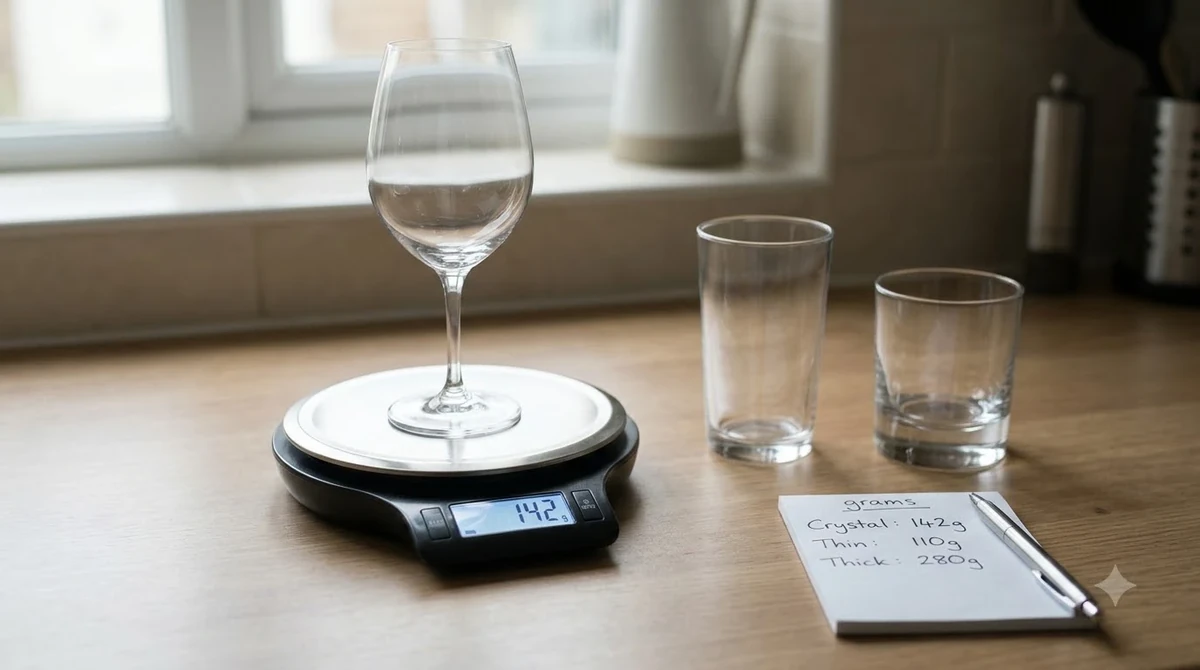
The right glass helps you judge the mead’s color, aroma, and body. A white wine glass suits dry and sparkling meads, because the bowl keeps the aromas close and the narrower rim directs the flavor to the front of the palate. For a sweet or rich mead, a small tulip-shaped glass works well, since it concentrates the honey notes without overwhelming the nose.
Warm spiced mead is usually served in a heatproof mug or a small glass that can handle hot liquid. Use a handle if you can, since the drink stays hot for a while. Presentation matters less than temperature and portion, so choose a glass that feels comfortable to hold and lets you see the color.
Food Pairings for Mead
Mead pairs with a surprising range of foods because its honey character can match both sweet and savory dishes. Dry meads go well with light seafood, fresh goat cheese, and vegetable dishes with herbs. Sweet meads suit fruit desserts, blue cheese, and roasted nuts. Spiced meads match gingerbread, holiday baking, and rich winter meals.
When pairing, think about balance. A sweet mead can make a very sweet dessert taste flat, while a dry mead can help cut through a rich dish. Taste a small amount of the drink with a bite of food before serving a full glass, since the combination can change the way both taste.
Common Serving Mistakes to Avoid
The most common mistake is serving every mead the same way. A dry mead that is served warm can taste heavy, while a spiced mead that is served ice cold can lose its aroma. Another mistake is pouring a large glass of a strong, sweet mead, which can feel overwhelming. Start with a small serving and adjust after the first sip.
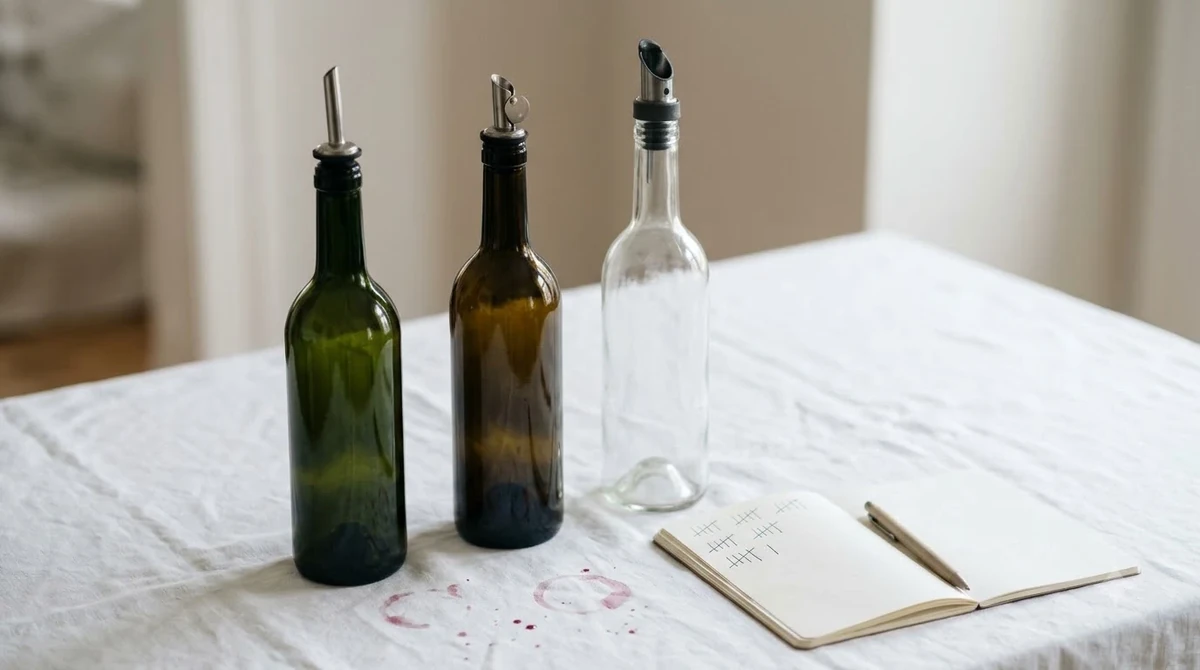
Some people also store an open bottle in a warm place, which can dull the aromas over time. Recork the bottle, keep it cool, and finish it within a reasonable period. Check the label for storage advice, since producers may give specific guidance for their own bottles.
Serving Mead at Home
A simple home routine covers most bottles. Read the label to learn whether the mead is dry, sweet, sparkling, or spiced, then choose the matching temperature. Chill dry and sparkling styles, serve sweet styles cool, and warm spiced styles gently. Use a glass that fits the style, and pour a modest amount so the flavor can develop.
For a winter gathering, you can offer both a chilled dry mead and a warm spiced one. Guests can compare the two styles side by side, which shows how much temperature and spices change the drink. For another warm option, the guide on how to serve mulled wine covers a similar approach with red wine.
Learn More Before You Serve
Serving advice works best when you know what is in the bottle. Mead’s alcohol content varies widely, so checking the label before serving helps you choose the right portion and temperature. The guide on how to serve cabernet sauvignon explains how temperature and glassware affect a different style of wine, and the same principles often apply across categories.
For a broader view of drink categories and styles, the Wine by Type section groups major varieties together, which helps when you want to compare mead with other fermented drinks.
Frequently Asked Questions
Should mead be served chilled?
Dry and light meads are usually served chilled, which keeps their crisp acidity clean. Sweet meads are better served cool rather than cold, so the honey aromas can show.
Can mead be served warm?
Yes. Spiced or mulled mead is traditionally served warm. Heat it gently and avoid boiling, since high heat can dull the aromas and make the drink taste harsh.
What glass is best for mead?
A white wine glass suits dry and sparkling meads. A small tulip-shaped glass works well for sweet meads, and a heatproof mug is practical for warm spiced mead.
How strong is mead?
Mead’s alcohol content ranges from about 3.5 percent to more than 20 percent, according to Wikipedia. Check the label for the exact strength and serve a portion that suits the bottle.
Serving mead well comes down to matching the temperature and glass to the style. Chill the dry bottles, serve the sweet ones cool, and warm the spiced ones gently. With those basics in place, the drink is easy to enjoy in almost any setting.
More in Wine Types & Grapes
 Zinfandel Sugar Content: Dry Red vs. White Zinfandel GramsUpdated Nov 21, 2026
 Best Zinfandel Substitute Options for Sipping and CookingUpdated Nov 21, 2026
 Zweigelt Food Pairing: Best Dishes, Cheeses, and Serving TipsUpdated Nov 21, 2026
 Zinfandel Tannins Explained: How Structure Shapes Every BottleUpdated Nov 21, 2026
 Zinfandel Sweetness Level: Dry Red vs. Sweet White Zin ExplainedUpdated Nov 21, 2026
 Xinomavro Food Pairing: Best Dishes, Styles, and Serving TipsUpdated Nov 21, 2026