

We may earn a commission when you buy through links on this page, at no extra cost to you. Learn more.
Champagne for beginners starts with choosing a Brut, non-vintage bottle from France’s Champagne region and serving it well chilled. Champagne is a specific regional sparkling wine made by the traditional method, not a generic name for every wine with bubbles. Learning a few label terms—especially Brut, Blanc de Blancs, and non-vintage—makes it easier to choose a bottle that suits your taste, meal, and occasion.
Approach Champagne through four questions: where it comes from, which grapes shape its style, how dry it is, and what the label tells you. Start with the classic dry style, then use grape, vintage, serving, and food details to explore.
What Makes Champagne Different From Other Sparkling Wine
Champagne is sparkling wine from the legally defined Champagne region of northeastern France, made under regional production rules. Its signature bubbles form through a second fermentation inside the bottle, a method that builds the fine mousse and texture associated with the region.
The vineyards sit about 150 kilometers northeast of Paris across five French departments: Marne, Aube, Aisne, Haute-Marne, and Seine-et-Marne. The Comité Champagne identifies four principal growing areas: Montagne de Reims, Vallée de la Marne, Côte des Blancs, and Côte des Bar. Chalk and limestone are important local soils; chalk holds water and moderates soil temperature, while the cool climate helps grapes retain the acidity that makes Champagne refreshing.
The word on the label matters: sparkling wine from California, Spain, Italy, or another French region is not Champagne. Cava and Crémant are separate regional categories, while Prosecco is generally made from Glera using the tank method. In Champagne’s traditional method, still base wine is bottled with yeast and sugar for a second fermentation; the bottles rest on lees, the sediment is removed during disgorgement, and a final dosage is added. Lees aging can bring toast, pastry, nut, or creamy notes to younger citrus and apple flavors.
The Three Main Grapes and the Styles They Create
Most Champagne is built around three grapes: Chardonnay, Pinot Noir, and Meunier. Each contributes a different balance of freshness, body, fruit, and structure, and many house blends combine all three to create a recognizable signature style.
Chardonnay is a white grape that often brings citrus, green apple, floral notes, and a taut, refreshing feel. Champagne made entirely from white grapes is labeled Blanc de Blancs; it is often a good direction for someone who prefers a lighter, brighter profile. Pinot Noir is a dark-skinned grape that can add body, structure, and red-fruit character without making the wine red. Meunier, also dark-skinned, is often associated with approachable fruit and a softer impression in a blend.
A Champagne made only from dark-skinned grapes is called Blanc de Noirs. The grapes are pressed carefully so the juice can remain pale; their skins are not left in contact with the juice long enough to create a red wine color. Rosé Champagne gets its color through a permitted method using skin contact with dark grapes or by blending in still red Champagne wine. It often shows a pink hue and a red-berry accent. A reader comparing pink wine styles may also find the overview of rose for beginners useful for understanding how grape handling and color differ across regions.
Other permitted varieties include Arbane, Petit Meslier, Pinot Blanc, and Pinot Gris, but they are rare beside the three principal grapes. Treat a grape term as a clue, not a guarantee: vineyard site, blend, producer choices, and aging also shape the final profile.
How to Read Champagne Sweetness Labels
For a first bottle, Brut is the most useful starting point: it means dry Champagne with less than 12 grams of sugar per liter. The sweetness scale is counterintuitive because Extra Dry is sweeter than Brut, so read the label rather than assuming that “extra” means drier.
The sugar level is set through dosage, a small addition made after the yeast sediment has been removed. Dosage is not simply a measure of quality; it helps balance Champagne’s naturally high acidity and can shape the finish. Producers may adjust the amount to suit a wine’s style, and even a small difference can change the impression of balance. See Decanter’s explanation of dosage for a closer look at this final winemaking choice.
| Label term | Residual sugar | Typical impression |
|---|---|---|
| Brut Nature | Less than 3 g/L | Very dry, direct |
| Extra Brut | 0–6 g/L | Very dry |
| Brut | Less than 12 g/L | Dry, balanced |
| Extra Dry | 12–17 g/L | Off-dry impression |
| Sec | 17–32 g/L | Noticeably softer |
| Demi-Sec | 32–50 g/L | Sweet |
| Doux | More than 50 g/L | Very sweet |
The figures are grams of sugar per liter. Official guidance places Brut Nature below 3 g/L, Brut below 12 g/L, Extra Dry at 12–17 g/L, Sec at 17–32 g/L, Demi-Sec at 32–50 g/L, and Doux above 50 g/L; Extra Brut is up to 6 g/L. These are categories, not recipes shared by every producer.
Do not confuse dryness with acidity. Brut can taste brisk because Champagne has lively acidity, even with a little sugar. Dosage can soften sharpness without making the wine taste sweet, which helps explain why Brut works with savory appetizers while Demi-Sec is better suited to a sweet course.
Tip: For a first Champagne purchase, choose a non-vintage Brut. It is a useful reference point for future bottles and generally works with a wider range of savory foods than a very dry Brut Nature or a sweet Demi-Sec.
Non-Vintage, Vintage, and Other Label Clues
A non-vintage Champagne blends wines from more than one harvest, while a vintage Champagne comes from a single stated harvest year. Non-vintage is the normal starting point for most buyers, not a lower grade; blending gives a producer more tools to maintain a recognizable house style as weather changes.
Look for a year on the label: a dated bottle is vintage and comes from that single harvest. Producers declare a vintage when they judge the harvest suitable, and vintage Champagne must receive at least three years of aging; Champagne’s general minimum aging period begins at 15 months. Non-vintage labels may say “NV” or omit a year. They blend harvests and can include reserve wines to maintain continuity, which is why non-vintage Brut is the most common signature cuvée for many producers.
Blanc de Blancs means Champagne made only from white grapes, most commonly Chardonnay; Blanc de Noirs means it is made only from dark-skinned grapes such as Pinot Noir and/or Meunier. Neither term defines sweetness, so read the dosage category separately. For more background on regional styles and labels, Wine Enthusiast’s beginner overview is a useful companion.
Producer codes offer a sourcing clue. “RM” identifies a grower-producer making own-label Champagne from grapes exclusively sourced from its vineyards; “NM” identifies a merchant-producer that may buy grapes, must, or wines as well as use its own fruit. These codes do not rank quality; they describe production and sourcing, from a grower’s own vineyards to a house that blends more broadly.
Choosing Your First Bottle With Confidence
The simplest buying decision is a non-vintage Brut from a producer whose style appeals to you. Choose a more specific grape or color style only after deciding whether you prefer freshness, body, or red-fruit character.
Choose Brut if you enjoy dry sparkling wine and want one bottle for appetizers and varied foods. Choose Blanc de Blancs for a crisp citrus profile, Blanc de Noirs for more body, rosé for a pink color and red-berry accent, or Demi-Sec when the wine needs to taste sweet alongside dessert. A standard 750-milliliter bottle gives about five 5-ounce pours; the official Champagne site counts six smaller 125-milliliter flute servings. A magnum holds 1.5 liters, twice the standard volume.
Compare bottles in this order: region, sweetness, vintage status, grape style, and producer. A non-vintage Brut and a vintage Brut share a dryness category but differ in harvest composition and aging; Blanc de Blancs and Blanc de Noirs differ in grape composition. For more help comparing labels and formats, browse the site’s Wine Buying Guides. Cava and Crémant can offer a similar bottle-fermented structure, while Prosecco is commonly fruitier and made by the tank method.
Serving Temperature, Glassware, and Storage
Serve Champagne cold but not numbingly cold: about 45–50°F is a practical target for most bottles. Chilling preserves freshness and keeps the bubbles lively, while a tulip-shaped glass gives aromas more room than a narrow flute or a wide coupe.
The Comité Champagne recommends 8–10°C, or roughly 46–50°F. An ice bucket filled about halfway with ice and water can chill a bottle in around 30 minutes; a few hours in the refrigerator also works. Avoid leaving the bottle in the freezer, where it can become over-chilled or freeze if forgotten. If the wine is extremely cold, allow it a short time in the glass so its aromas can open.
A tulip-shaped glass has a wider bowl for aromas and a narrower rim to concentrate them. A flute can restrict aromas, while a coupe lets bubbles escape quickly; a clean white-wine glass is a good everyday alternative. Pour in two stages, leaving room in the glass. To open the bottle, hold the cork, loosen the cage, point it 30–45 degrees away from people, and rotate the bottle slowly until the cork slips out with a quiet sigh.
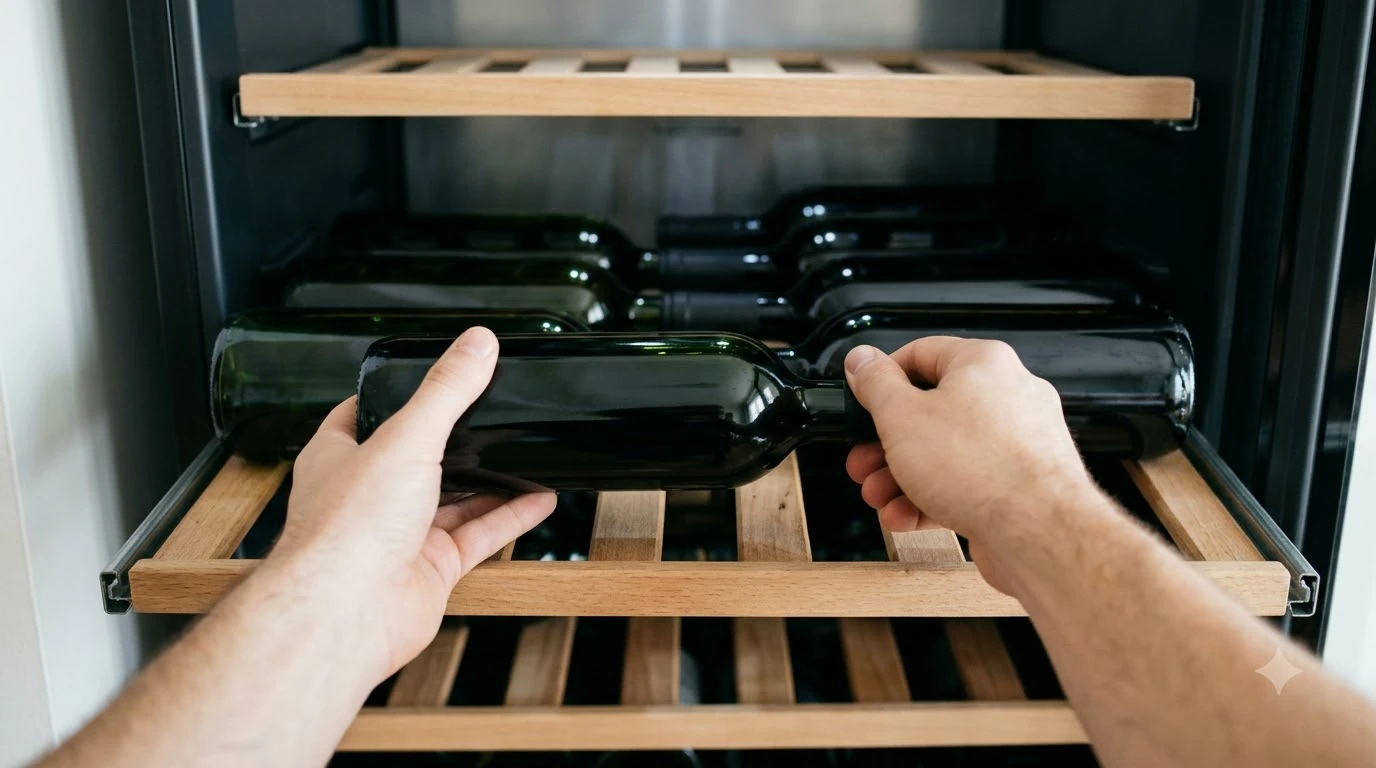
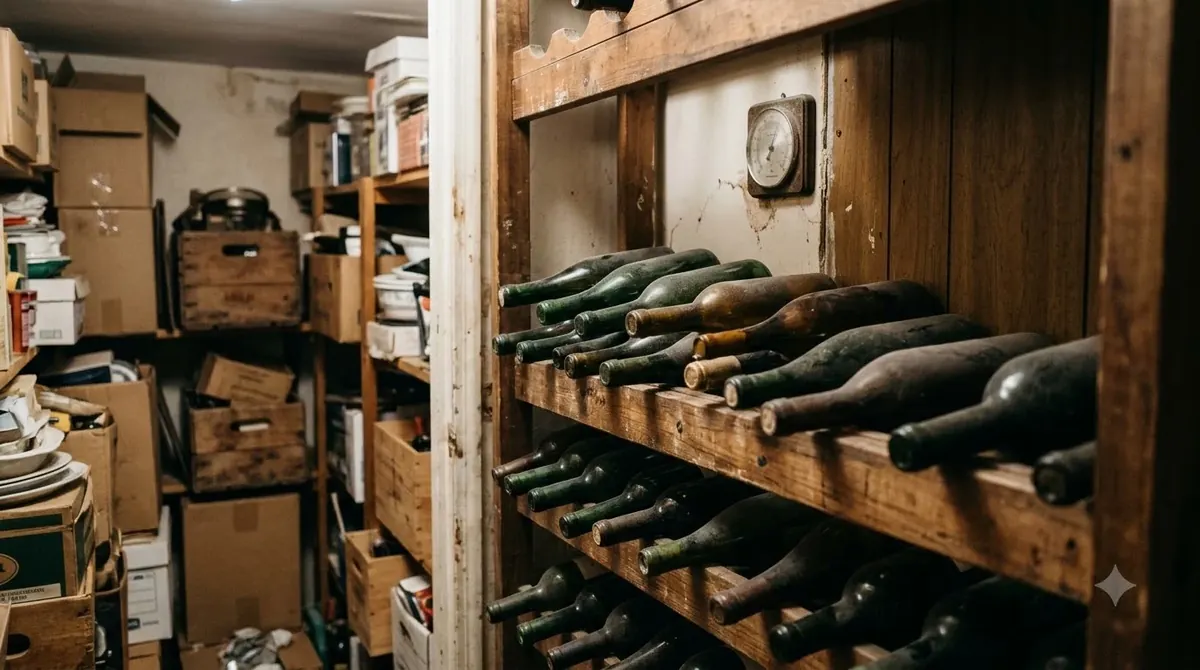
Store unopened Champagne in a dark, odor-free place near 55°F. The Comité Champagne recommends a cellar around 50–59°F and humidity around 60 to 80 percent; bottles may be stored upright or on their sides. A refrigerator is useful for chilling before service, but it is less suitable for long-term storage because of dry air and temperature fluctuations. Once opened, use a sparkling-wine stopper and refrigerate the bottle; it should keep for about one to three days, with the strongest fizz usually on the first day.
Food Pairings That Show Champagne at Its Best
Brut Champagne is a flexible food wine because its acidity and bubbles refresh the palate between bites. Start with salty, crisp, or rich foods such as potato chips, fried chicken, oysters, shellfish, or soft cheeses, then adjust the match to the wine’s sweetness and body.
Salted snacks, potato chips, fried appetizers, oysters, shrimp, crab, and simply prepared scallops are natural partners for dry Brut. Bubbles and acidity refresh the palate after oily or rich foods. Blanc de Blancs can suit scallops, citrus-dressed white fish, and goat cheese; Blanc de Noirs can be a better match for roast chicken or mushroom tart. Rosé often works with salmon, duck, charcuterie, or berry-accented plates.
At dessert, the wine should be at least as sweet as the food, or it can taste thin and sour. Demi-Sec or Doux can work with fruit tarts and lightly sweet pastries, while Brut is usually more successful before dessert or with savory cheese. Spicy food needs care because alcohol can amplify chili heat; strong acidity in a vinaigrette or citrus dressing also calls for a wine with enough acidity to match. For a later course featuring a fuller red, the guide to cabernet sauvignon for beginners explains why Cabernet’s high tannin gives it a different role at the table.
Frequently Asked Questions
These answers cover five details that often come up after the first bottle, from harvest handling to the region’s vineyard practices and bottle terminology.
Why are Champagne grapes picked by hand?
Champagne rules require whole, undamaged grape clusters to reach the pressing center. The Comité Champagne explains that hand harvesting protects the clusters, unlike mechanical harvesting that shakes fruit from the vine. This requirement is especially important for making pale base wines from dark-skinned Pinot Noir and Meunier.
How many vines are planted in a Champagne vineyard?
The Comité Champagne reports an average planting density of about 8,000 vine plants per hectare. The density encourages competition for nutrients and limits the crop carried by each vine. Growers manage the vines through a series of manual tasks across the growing season.
What is the purpose of the Champagne region’s harvest monitoring?
The Comité Champagne uses a network of about 600 control plots to monitor ripeness across the vineyard area. Sampling measures factors such as sugar, acidity, cluster weight, and color change, and the network dates to 1956. This information helps determine when picking should begin in each winegrowing municipality and for each grape variety.
What is a Jeroboam of Champagne?
A Jeroboam holds 3 liters, equal to four standard 750-milliliter bottles. It is a larger format often used for group gatherings and special occasions. Champagne also comes in other large formats, including a 6-liter Methuselah.
What is the smallest standard Champagne bottle format?
The quarter bottle, sometimes called a piccolo, holds 20 centiliters. That is less than one-third of a standard 75-centiliter bottle. The half-bottle format holds 37.5 centiliters and is another option for a smaller serving.
For a first purchase, a non-vintage Brut is the clearest introduction to Champagne’s balance of acidity, bubbles, and subtle richness. From there, use Blanc de Blancs, Blanc de Noirs, rosé, or a sweeter dosage level to explore the styles that best suit your table. Serve it chilled, open it carefully, and let the label guide your next bottle.
More in Wine Buying Guides
 Cheap Red Blend: How to Find a Flavorful Bottle for LessUpdated Nov 20, 2026
 Pinot Grigio Gift: How to Choose a Bottle They’ll EnjoyUpdated Nov 20, 2026
 Best White Wine at Total Wine for Every MealUpdated Nov 20, 2026
 Wine Fridge Replacement Shelves: Find the Right FitUpdated Nov 20, 2026
 Best Sparkling Wine Under 20: Find Bubbles Worth BuyingUpdated Nov 20, 2026
 Best Wine For Birthday Celebrations With Perfect Party PairingsUpdated Nov 20, 2026