

We may earn a commission when you buy through links on this page, at no extra cost to you. Learn more.
Pinot grigio for beginners starts with one useful expectation: classic Italian Pinot Grigio is usually a dry, light-bodied white wine with fresh acidity and flavors of citrus, green apple, and pear. It is often crisp and uncomplicated, but the grape can also produce fuller, more aromatic wines with texture and spice. Learning the main regional styles makes it easier to choose a bottle that suits your taste and the food on your table.
Pinot Grigio is a practical first white wine because its usual style is easy to recognize and its food matches are broad. The key is not to assume every bottle tastes alike: the grape, also called Pinot Gris, changes character with climate, harvest decisions, and cellar technique.
What Pinot Grigio Tastes Like
Most familiar Pinot Grigio is dry, light to medium in body, and refreshing rather than richly creamy. Look for lemon, lime, green apple, pear, white peach, and sometimes a faint almond or floral note; the finish is usually clean, with enough acidity to keep the fruit from feeling heavy.
The flavors are generally delicate, not explosive. A simple Veneto bottling may lean toward lemon peel, crisp apple, and subtle mineral notes, while a wine from a cooler vineyard in Alto Adige can show more precise citrus, ripe pear, and white flowers. The fruit may smell sweet even when the wine is fermented dry. That distinction matters: ripe pear aroma does not automatically mean sugar remains in the glass.
Pinot Grigio is made from a grape with naturally grayish-pink to blue-gray skins, despite the wine usually being white. The variety is a mutation of Pinot Noir, and its skin color can vary within a bunch. Most producers press the grapes and separate the juice from the skins fairly quickly, which limits color extraction and helps create the pale straw-colored wine many drinkers know.
There are exceptions to the light, crisp profile. A richer Pinot Grigio can have a broader texture, riper stone-fruit flavors, and a more noticeable savory or spicy edge. If you enjoy a straightforward glass with lunch, start with a fresh Italian style; if you want something more substantial beside dinner, look for a more structured example from Friuli or Alto Adige.
Pinot Grigio and Pinot Gris: One Grape, Different Expectations
Pinot Grigio and Pinot Gris are two names for the same grape, not two separate varieties. The names often suggest different regional traditions: Grigio is strongly associated with northern Italy’s fresh style, while Gris commonly appears on fuller wines from Alsace and Oregon.
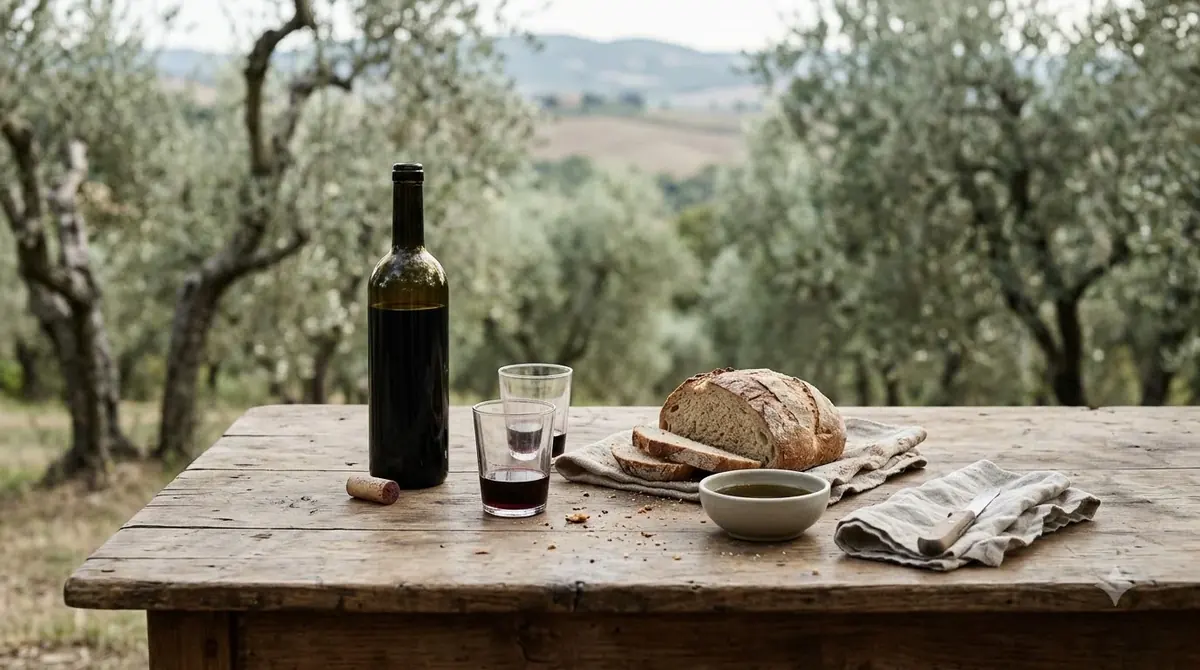
The distinction is a useful shopping clue, but it is not a guarantee. Some Italian producers make layered, textured wines, and some Pinot Gris is crisp and dry; climate, vineyard site, picking date, and winemaking matter more than the language on the front label alone. In a comparison of styles, Decanter’s explanation of Pinot Grigio and Pinot Gris also emphasizes that the grape appears in several wine regions and does not fit into a rigid two-style rule.
Alsace Pinot Gris often has more body and aromatic depth than a basic Italian Pinot Grigio. The official Alsace wine body’s Pinot Gris profile describes a gold-colored wine with aromas that can include dried fruit, apricot, honey, beeswax, gingerbread, and smoke. Its broad palate can feel fleshy and full-bodied, with acidity providing balance. Depending on the producer and harvest, Alsace Pinot Gris may be dry, off-dry, or sweet.
Oregon also commonly uses the name Pinot Gris, and its wines can show more texture and ripe orchard fruit than the leanest Italian examples. Neither name tells you whether the wine has been aged in oak, left on its lees, or made with skin contact. Treat Grigio and Gris as helpful signposts, then use the region and producer to refine your expectations.
Regions That Shape the Style
Northern Italy is the best starting point for classic Pinot Grigio, especially Veneto, Friuli-Venezia Giulia, and Trentino-Alto Adige. These regions share the grape, but their wines can differ in concentration, texture, and aromatic detail.

Veneto is closely associated with the widely recognized, approachable style: pale, fresh, dry, and easy to pair with lighter meals. The area’s large production has made Pinot Grigio familiar to American shoppers, but volume alone does not define quality. A bottle from a thoughtful producer can be clean and expressive without needing an elaborate flavor profile. Alto Adige, also known as Südtirol, sits in northern Italy near Austria. The Alto Adige wine association lists 715 hectares of Pinot Grigio plantings, or 12 percent of the region’s vineyard area, and describes local examples that range from mineral and floral to fuller wines with ripe apple, pear, and quince. The association also notes that Pinot Grigio grows in the southern part of Alto Adige on alluvial and gravel soils, in warm locations up to about 1,700 feet above sea level.
Friuli-Venezia Giulia is worth exploring when you want more structure or individuality. Some producers use a traditional skin-contact approach called ramato, an Italian word associated with copper. The pink-gray grape skins tint the juice and can contribute additional texture, gentle tannin, and savory character. Wine Enthusiast notes that Friuli is known for ramato and that Alto Adige is associated with finesse and complexity; its overview is useful for seeing how broad the category has become.
Beyond Italy, Alsace in France is a key region for Pinot Gris, while Oregon is an important American source. Germany may label the grape Grauburgunder or Ruländer. New Zealand and Australia also grow it. These names and places help explain why the wine can range from lean and citrusy to round, aromatic, and gently sweet.
How Winemaking Changes Pinot Grigio
Harvest timing and contact with grape skins are two of the clearest reasons Pinot Grigio can taste different from bottle to bottle. Earlier picking and quick pressing usually favor a bright, light style, while riper grapes, skin contact, and time on lees can create more body and flavor.
Many straightforward examples ferment in temperature-controlled stainless-steel tanks. Stainless steel helps preserve fresh fruit aromas and gives the wine a clean profile without obvious oak flavors. The goal is not to make every wine taste identical; it is to keep the apple, citrus, and floral character clear. These bottles are often best enjoyed young, while their freshness is at the front of the profile.
Some winemakers allow the wine to rest on its lees, the spent yeast cells left after fermentation. Lees contact can add a rounder texture and subtle bread-dough or creamy notes without necessarily making the wine taste oaky. A producer may also use large neutral vessels or a small amount of oak, which can soften the texture and add complexity. The label may not spell out every cellar choice, so producer descriptions and regional context can be useful when you want a specific style.
Ramato is a more visible variation because skin contact gives the wine a copper, salmon, or amber tint. It is still made from Pinot Grigio grapes, but the color and added texture set it apart from the usual pale style. Depending on the length of contact and the producer’s choices, ramato can bring notes of orange peel, dried herbs, tea, and firm orchard fruit. It works well for drinkers curious about orange wine but not ready for a strongly tannic skin-fermented white.
Choosing a Bottle with Confidence
For a first bottle, begin with the food and the style you prefer rather than chasing a particular score or label design. A fresh, dry Italian Pinot Grigio is a reliable starting point; a bottle from Alto Adige or Friuli is a sensible next step when you want more detail and texture.
Read the place name as a style clue. Veneto is a practical choice for a light, uncomplicated glass, while Alto Adige can deliver a combination of freshness and concentration. Friuli is a good region to explore for more distinctive examples, including ramato. If the label says Alsace or Oregon and uses Pinot Gris, be prepared for more weight and ripe fruit, although the exact profile still depends on the producer. Look for a named producer and a clearly stated region or appellation: a specific origin gives you more information than a label that only says Pinot Grigio. In Alto Adige, the regional designation and grape name connect the wine to a defined growing area, and the regional wine association explains that local DOC designations identify origin and permitted varieties.
Vintage can help, too. Most light, fresh Pinot Grigio is intended for relatively early drinking, so a recent release is usually a practical choice when you want lively citrus and apple character. More structured examples, especially some Pinot Gris from Alsace, can develop with time, but aging potential is not a reason to hold every bottle. Ask a knowledgeable wine-shop employee for a dry, crisp example or a fuller, more aromatic one; those two descriptions will usually narrow the shelf quickly.
Wine is personal: choose lean Italian Pinot Grigio for sharp citrus, or fuller Pinot Gris for ripe pear, peach, and gentle spice. Our Wine Buying Guides offer more help comparing regions and labels.
Serving and Pairing Pinot Grigio
Serve the classic light style cool, but not so cold that its aromas disappear. A temperature of 45–50°F gives a crisp Italian Pinot Grigio freshness while allowing lemon, pear, and floral notes to show.
Use a regular white-wine glass with a bowl wide enough for a gentle swirl. A special glass is not necessary, and most light Pinot Grigio does not need decanting. For a fuller Alsace Pinot Gris, let the wine sit in the glass for a few minutes; the regional wine body notes that a little time helps its smoky, dried-fruit, and honeyed aromas emerge.
| Serving detail | Practical guide | Why it helps |
|---|---|---|
| Pour size | 5 oz | A standard tasting-sized pour leaves room to swirl. |
| Typical bottle | 750 ml; about 5 glasses | Useful for planning a meal for two or more people. |
| Light Pinot Grigio | 45–50°F | Keeps the wine refreshing without muting every aroma. |
| Fuller Pinot Gris | 50–55°F | Gives a richer white more room to show texture and fragrance. |
| Opened still wine | Refrigerate and use within 3–5 days | A stopper and cold storage slow the loss of freshness. |
Pinot Grigio is especially easy to pair with seafood, salads, vegetables, lighter poultry, antipasti, mild cheeses, risotto, and pasta with olive oil or a light cream sauce. Try a crisp Italian version with grilled shrimp, fried calamari, white fish with lemon, seafood pasta, or a salad with fresh herbs. Its acidity refreshes the palate between bites, and its relatively light body will not overwhelm delicate flavors. For a richer Pinot Gris from Alsace, move toward pork, roast veal, mushrooms, richer fish dishes, or aged cheeses such as Gruyère; its fuller body can stand up to food that would overpower a delicate Veneto style. For an easy comparison of other refreshing wines for warm-weather meals, see our guide to rosé for beginners.
Match the wine’s weight to the meal: a light wine fits delicate seafood and vegetables, while a fuller wine can accompany richer sauces and roasted meat. Acidic foods, such as dishes with lemon or vinegar, need a wine with equal or higher acidity or the wine may taste flat. Salty and fatty foods can soften the impression of acidity and make a fuller Pinot Gris feel especially harmonious. Strongly tannic foods are not the main concern for a white wine with little tannin in its usual form, and an oily fish such as salmon may be more satisfying with a fuller white than with a very light pour. Very hot chili can make alcohol feel more pronounced, so a slightly aromatic or off-dry Pinot Gris may be more forgiving than the leanest dry Italian style.
Tip: Aim for 45–50°F with a light Italian style and 50–55°F with a fuller Pinot Gris. Pour a small first taste, then let the wine warm in the glass if its aromas seem muted.
Frequently Asked Questions
What does Pinot Grigio mean?
Grigio is Italian for “gray,” referring to the grape’s grayish skin color. The French name Pinot Gris means the same thing, so the two names describe one grape rather than separate varieties.
Did Pinot Grigio originate in Italy?
No. The grape originated in Burgundy, France, and Decanter notes that it was known as Fromenteau in the Middle Ages before spreading through Switzerland to Alsace and northern Italy. It later became closely identified with Italian regions such as Veneto, Friuli, and Alto Adige.
What is the difference between Grauburgunder and Ruländer?
In Germany, Grauburgunder generally signals a sleeker, drier style, while Ruländer refers to a richer, fuller-bodied, more fragrant expression. Both names refer to the Pinot Gris/Pinot Grigio grape.
Do all wine bottles need a “Contains Sulfites” statement?
U.S. wine labels must declare sulfites when a wine contains 10 parts per million or more of total sulfur dioxide, according to the Alcohol and Tobacco Tax and Trade Bureau. A wine below that threshold may omit the statement when supported by the required laboratory analysis.
Can Pinot Gris be sweet enough for dessert?
Yes. Some Alsace late-harvest Pinot Gris is affected by noble rot, which concentrates sugars and can produce distinctly sweet wines. Pair a dessert-style example with a dessert that is no sweeter than the wine itself.
Pinot Grigio is a useful starting point because its classic style is dry, fresh, and easy to pair, yet the grape offers much more than one familiar flavor profile. Begin with a crisp northern Italian bottle, then compare Alto Adige, Friuli, Alsace, or Oregon to discover whether you prefer freshness, texture, or aromatic richness. Once you know the style you enjoy, choosing a bottle becomes much simpler.
More in Wine Buying Guides
 Cheap Red Blend: How to Find a Flavorful Bottle for LessUpdated Nov 20, 2026
 Pinot Grigio Gift: How to Choose a Bottle They’ll EnjoyUpdated Nov 20, 2026
 Best White Wine at Total Wine for Every MealUpdated Nov 20, 2026
 Wine Fridge Replacement Shelves: Find the Right FitUpdated Nov 20, 2026
 Best Sparkling Wine Under 20: Find Bubbles Worth BuyingUpdated Nov 20, 2026
 Best Wine For Birthday Celebrations With Perfect Party PairingsUpdated Nov 20, 2026