

We may earn a commission when you buy through links on this page, at no extra cost to you. Learn more.
Prosecco acidity sits comfortably in the medium-high to high range, typically measuring around 5.5 to 6.5 grams per liter (g/L) of total acidity with a pH between 3.15 and 3.5. Because the primary Glera grape naturally retains crisp malic and tartaric acids while accumulating moderate sugar, the wine feels bright, mouthwatering, and refreshing rather than sharp or austere. However, how tart a bottle actually tastes depends heavily on its residual sugar level—meaning a Brut Prosecco will feel noticeably zippier than an Extra Dry or Dry bottling even when their underlying acid numbers are identical.
Understanding how acid shapes Italian sparkling wine makes shopping, serving, and pairing significantly easier. Whether you want a bone-dry aperitif to wake up your palate or a fruit-forward bottle that softens spicy takeout, reading the structural cues behind the bubbles ensures you pick the right style every time.
What Prosecco Acidity Actually Means
In technical winemaking terms, prosecco acidity is measured in two ways: total acidity (the overall concentration of organic acids in grams per liter) and pH (the strength of those acids on a logarithmic scale). Most bottles land between 5.5 and 6.5 g/L in total acidity—comfortably above the Prosecco DOC legal minimum of 4.5 g/L—and register a pH around 3.18 to 3.5.
As Wine Folly’s guide to wine acidity explains, pH operates logarithmically, meaning a wine at pH 3.0 is ten times more acidic than one at pH 4.0. While Champagne often drops to a razor-sharp pH of 2.5 to 3.0 due to northern France’s chilly climate, Veneto’s slightly milder growing conditions allow Glera grapes to ripen with gentler, rounder fruit character. You still get that classic salivary tingle along the sides of your tongue, yet it arrives wrapped in green apple, white pear, and honeysuckle notes rather than piercing citrus pith.
Winemakers also preserve this natural brightness through the Charmat (or Martinotti) method, where secondary fermentation occurs inside pressurized stainless steel tanks rather than individual bottles. Because the base wine spends very little time resting on dead yeast cells (lees) and rarely undergoes malolactic fermentation—which converts crisp green-apple malic acid into softer, creamy lactic acid—the primary fruit acids remain vivid and intact. If you are exploring wine by type, this tank-fermented freshness is the defining structural trait that separates Prosecco from autolytic, bread-scented traditional-method sparklers.
Flavor and Sweetness Styles
Prosecco acidity stays remarkably consistent across the appellation, yet two bottles sitting side by side on a shelf can taste dramatically different because residual sugar masks the perception of sourness. European labeling rules classify sparkling wine sweetness using traditional terms that often trip up casual buyers, since “Extra Dry” actually contains more sugar than “Brut.”
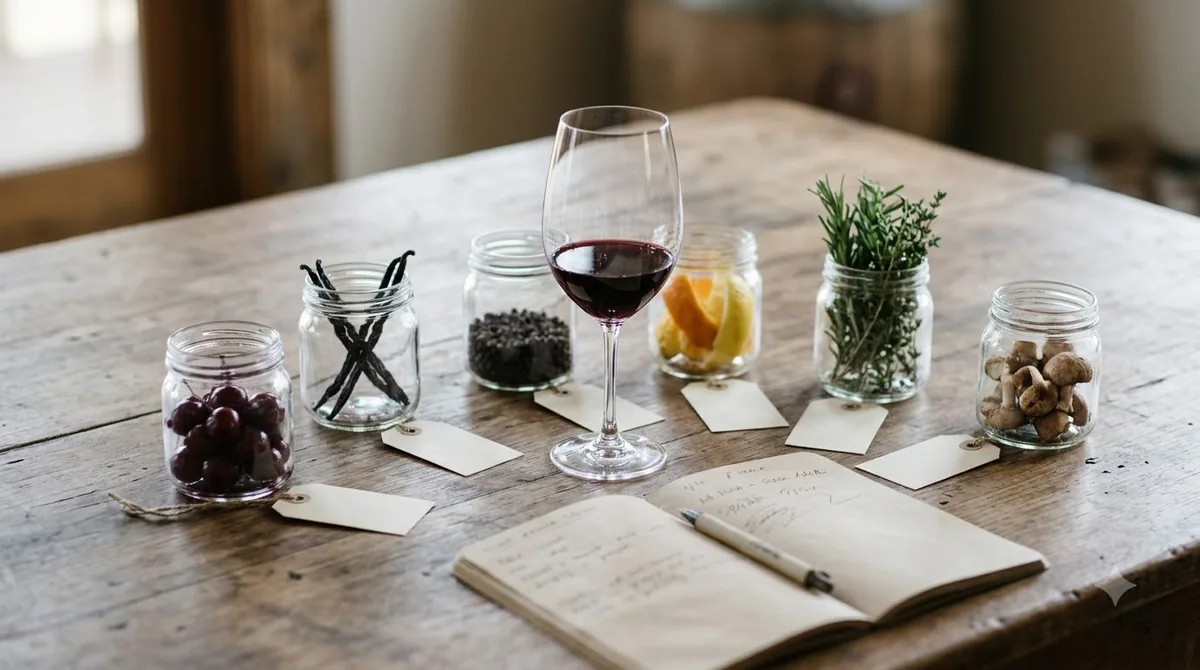
When a wine holds higher residual sugar, your palate registers lush white peach, melon, and floral sweetness first, softening the bite of the acid into a juicy, rounded finish. Conversely, when sugar is fermented nearly to dryness, that exact same 5.8 g/L of acidity steps forward, creating a lean, zesty, palate-cleansing snap. According to Wine Folly’s Prosecco Wine Guide, understanding these dosage tiers is the fastest way to predict how tart a bottle will feel in the glass.
| Label Style | Residual Sugar (g/L) | Perceived Acidity & Mouthfeel | Flavor Profile |
|---|---|---|---|
| Extra Brut | 0–6 g/L (up to 3 g/L in Asolo) | Very crisp, lean, and noticeably tart | Green apple skin, lemon zest, wet stone |
| Brut | 0–12 g/L | Bright, zesty, and cleanly balanced | Crisp pear, white blossom, subtle grapefruit |
| Extra Dry | 12–17 g/L | Medium-high lift cushioned by gentle fruit | Ripe peach, honeydew melon, acacia |
| Dry | 17–32 g/L | Soft, rounded, off-dry impression | Candied citrus, tropical fruit, honeysuckle |
Rosé Prosecco—approved under DOC rules in 2020—adds another subtle layer to this structural equation. Blended from 85% to 90% Glera and 10% to 15% Pinot Noir, it undergoes at least 60 days of secondary fermentation. That splash of red grape brings a touch more mid-palate grip and berry brightness, echoing the lively, food-friendly tension found in Pinot Noir acidity while keeping the overall body light and approachable.
Where It Grows and How Climate Shapes the Acid
Prosecco hails from northeastern Italy across nine provinces spanning the Veneto and Friuli-Venezia Giulia regions, where vineyard elevation and exposure directly govern how much malic acid Glera retains at harvest. Grapes grown on the broad, flatter plains of the general Prosecco DOC receive warmer daytime temperatures, ripening quickly into soft, approachable fruit with moderate, easygoing acidity.
Move north into the steep, sun-drenched hills between the towns of Conegliano and Valdobbiadene—or west toward Asolo—and the structural tension tightens considerably. These elevated DOCG subzones experience cooler nights, frequent rainfall, and brisk alpine breezes rolling down from the Dolomites. That dramatic diurnal temperature shift slows sugar accumulation while locking natural acids inside the grape skins, yielding wines with sharper definition, floral complexity, and a longer mineral finish.
At the top of the quality pyramid sit single-hillside Rive bottlings (sourced from 43 designated steep communes) and the tiny 107-hectare (264-acre) bowl of Valdobbiadene Superiore di Cartizze DOCG. Because these slopes are too steep for machinery, growers harvest the Glera entirely by hand, often blending small percentages (up to 15%) of historic local varieties like Verdiso—literally named for its green, high-acid, saline snap—to keep the wine vibrant and poised.
How to Serve Prosecco for Ideal Balance
Serving temperature dictates whether prosecco acidity feels refreshing or flabby, so chill every bottle thoroughly to between 38°F and 45°F (3°C to 7°C) before popping the cork. Warmer temperatures dull the perception of crispness and amplify residual sugar, making even a standard Brut taste heavy and syrupy, whereas sub-freezing fridge temperatures mute Glera’s delicate white-flower and pear aromatics.
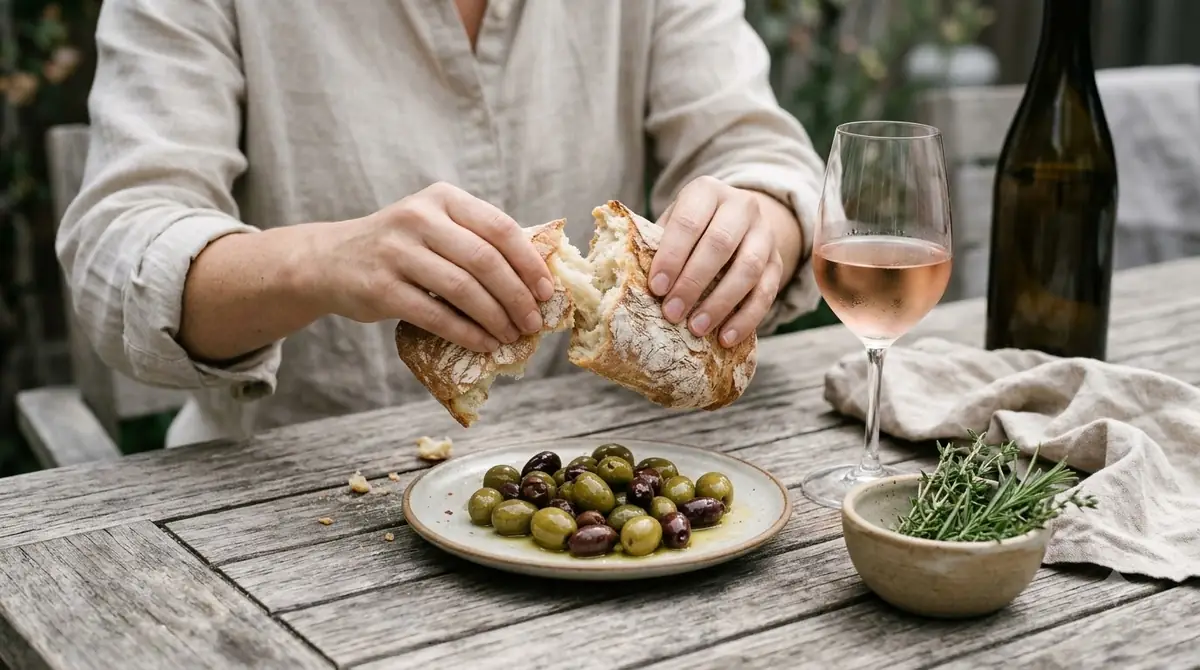
Glassware also influences how the bubbles and acid hit your palate. Tall, slender tulip-shaped sparkling glasses preserve carbonation—which itself adds a subtle prickle of carbonic acidity—while offering just enough bowl width for aromas to open up. If you are pouring a structured Conegliano Valdobbiadene DOCG or a savory, bottle-refermented Col Fondo style, a standard white wine glass lets the wine breathe and highlights its mineral backbone.
Tip: Skip the ice bucket filled solely with ice cubes—mix half ice and half cold water with a handful of salt to chill a room-temperature bottle down to 40°F in about 15 minutes.
Because Prosecco is crafted for immediate freshness rather than cellar aging, plan to open standard DOC bottles within one to two years of the vintage or release date. Over time, vibrant fruit fades and the perception of acid can turn hollow, though top-tier DOCG hillside bottlings can hold their lively poise for up to five to seven years in a cool, dark spot.
Food Pairing with High-Acid Bubbly
Bright acidity paired with frothy carbonation acts like a squeeze of fresh lemon over food, scrubbing richness from your tongue between bites and resetting your palate. Salty, cured, and fried dishes thrive alongside a chilled glass of Brut Prosecco—think paper-thin prosciutto di Parma, aged Parmigiano-Reggiano, fried calamari, or crispy arancini, where the wine’s crisp edge slices cleanly through oil and fat.
When your menu leans toward spicy Southeast Asian dishes like Thai green curry, Vietnamese fresh spring rolls, or Sichuan noodles, reach for an Extra Dry or Dry bottling instead. The slightly higher residual sugar tames chili heat on your palate, while the underlying Glera acidity keeps the pairing lively and prevents sweet-savory sauces from feeling heavy. If you are planning a plant-based dinner party around vegetable tempura or bruschetta, it also helps to check whether Prosecco is vegan, as some producers use animal-derived fining agents to clarify the base wine before secondary fermentation.
Dessert requires a bit more caution, because pairing a dry, high-acid wine with a sweet confection makes the wine taste harshly sour. Save Brut bottlings for brunch pastries or fresh berries, and read our guide to pairing Prosecco with chocolate before serving bubbly alongside rich truffles—you will want a sweeter Dry or Demi-Sec style (or white chocolate) so the fruit and acidity stay harmonious.
How to Choose a Bottle by Acidity
Reading the front label carefully tells you almost everything you need to know about how crisp a bottle will taste before you ever pull the cork. Start with the sweetness designation: choose Brut or Extra Brut if you crave maximum zing and minimal sugar, or pick Extra Dry if you prefer softer orchard fruit with a gentler acid finish.
Next, look at the appellation tier printed beneath the brand name. Standard Prosecco DOC (often labeled Treviso or Trieste) delivers reliable, easygoing freshness ideal for casual toasts and spritzes. Stepping up to Conegliano Valdobbiadene Prosecco Superiore DOCG or Asolo Prosecco DOCG guarantees hillside fruit with higher natural acidity, tighter bubbles, and noticeably more mid-palate precision.
Finally, keep an eye out for specialty bottlings labeled Col Fondo or sui lieviti. Unlike standard tank-fermented Prosecco, these traditional regional wines finish their secondary fermentation inside the bottle without disgorgement, leaving a light, cloudy sediment of spent yeast. Fermented bone-dry with zero added sugar, Col Fondo showcases Glera’s rawest, brightest acidity alongside savory, crusty-bread complexity.
Frequently Asked Questions
Is Prosecco more acidic than Champagne?
No, Champagne is noticeably more acidic than Prosecco. Champagne typically registers a lower pH (around 2.5 to 3.0) because its grapes grow in a much cooler northern French climate and are harvested early to preserve razor-sharp acidity. Prosecco sits around a pH of 3.15 to 3.5, offering a softer, fruitier freshness that feels lively without tasting austere.
Why does Extra Dry Prosecco taste less tart than Brut?
Despite its name, Extra Dry Prosecco contains 12 to 17 grams per liter of residual sugar, whereas Brut contains 0 to 12 grams per liter. That extra touch of natural grape sugar coats the palate and softens the sensory bite of the wine’s acidity, creating a rounder, peachier impression even when both wines share the same total acid level.
Does high acidity in Prosecco cause acid reflux or heartburn?
Prosecco is an acidic beverage—typically measuring between 5.5 and 6.5 grams per liter of total acidity—and combines organic acids with dissolved carbon dioxide gas. While individual tolerance varies widely, carbonated acidic drinks can trigger discomfort for people prone to acid reflux, especially when sipped on an empty stomach without food to buffer the acidity.
Which Prosecco style has the brightest, sharpest acidity?
Look for an Extra Brut or Brut bottling from a steep hillside appellation like Conegliano Valdobbiadene Prosecco Superiore DOCG or Asolo Prosecco DOCG. Cooler mountain nights lock higher natural malic acid into the Glera grapes, and minimal residual sugar ensures nothing masks that crisp, mouthwatering finish.
Once you understand how Glera’s natural acidity interacts with residual sugar and hillside terroir, choosing the right bottle becomes second nature. Keep a crisp hillside Brut chilled for salty appetizers and seafood, and reach for a fruitier Extra Dry whenever spicy dishes or lively brunch spreads are on the table.
More in Wine Types & Grapes
 What Does Mourvèdre Taste Like? Flavor Profile, Regions, and PairingsUpdated Nov 20, 2026
 What Does Marsanne Taste Like? Flavors, Styles, and Food PairingsUpdated Nov 20, 2026
 What Does Malvasia Taste Like? Styles, Flavors, and Food PairingsUpdated Nov 20, 2026
 What Does Grenache Blanc Taste Like? Flavor Profile, Styles, and PairingsUpdated Nov 20, 2026
 What Does Garnacha Taste Like? Key Flavors, Styles, and Pairing TipsUpdated Nov 20, 2026
 What Does Fruit Wine Taste Like? A Complete Flavor and Style BreakdownUpdated Nov 20, 2026