

We may earn a commission when you buy through links on this page, at no extra cost to you. Learn more.
Winc white wine includes a range of styles, from crisp Sauvignon Blanc and Pinot Grigio to rounded Chardonnay, aromatic Viognier, and sweet or dry Riesling. The selection features grapes from California, France, Italy, New Zealand, and other wine regions. Choosing the right bottle depends on your preferred acidity, sweetness, body, and the foods you plan to serve. Understanding these differences makes it easier to find a Winc white wine that suits your palate.
White wine offers considerable variety, even within a single grape family. Some bottles emphasize citrus, green apple, and refreshing acidity, while others feature ripe peach, tropical fruit, floral aromas, or creamy textures. Winc’s collection makes these distinctions particularly useful because it includes familiar varieties alongside less common grapes. This guide explains the main styles, how to compare them, what foods to serve with them, and how to get the best experience from each bottle.
Understanding the Winc White Wine Selection
Winc’s white wine collection covers several grape varieties, sweetness levels, body styles, and wine-producing regions. Rather than representing one consistent house style, the selection gives drinkers different options depending on whether they prefer refreshing, fruity, aromatic, or richer wines.
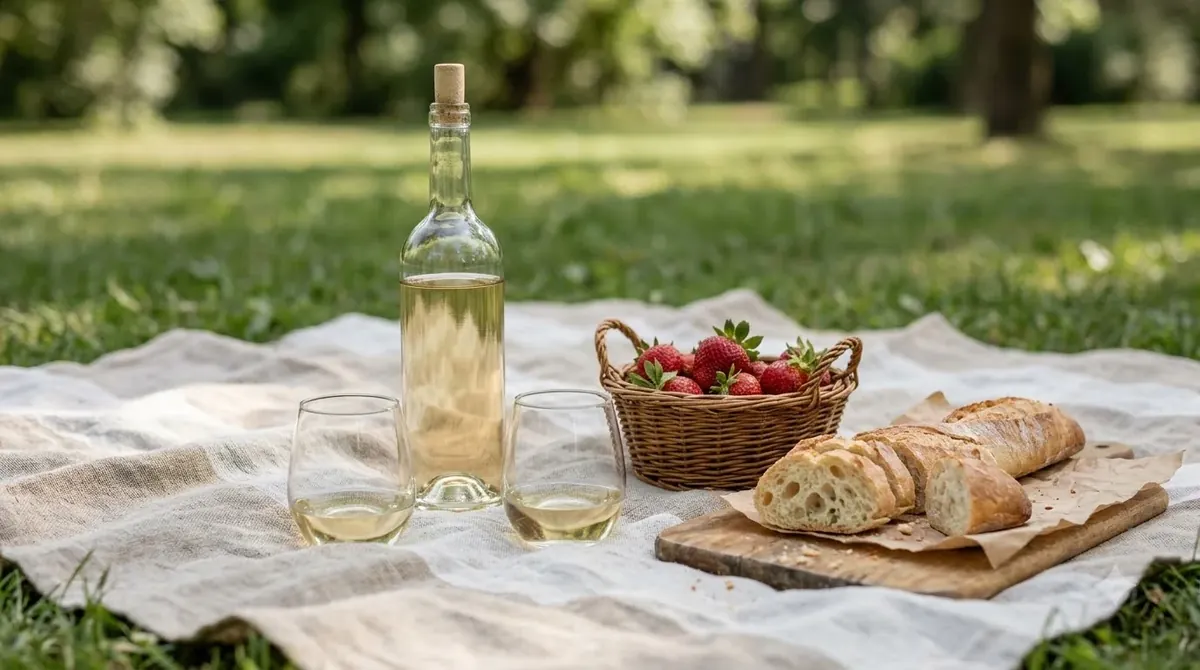
Chardonnay, Sauvignon Blanc, and Pinot Grigio are useful starting points for anyone exploring the collection. These grapes have recognizable differences in acidity, texture, and typical flavor. Winc also features Riesling, Chenin Blanc, Albariño, Viognier, Roussanne, Muscat, and Gewürztraminer, which provide additional choices for people who want something beyond the most familiar white wine varieties.
The regional selection adds another layer of variety. California is represented alongside France, Italy, New Zealand, and South Africa. For example, Winc’s listings include Sauvignon Blanc from Marlborough, Chardonnay from Sonoma County, Pinot Grigio from the DOC delle Venezie in Italy, and Chenin Blanc from Swartland. These origins matter because climate, vineyard conditions, and winemaking decisions influence the final wine.
Winc also provides filters for sweetness and body. The sweetness categories include dry, semi-sweet, and sweet, while body categories include light, medium, and full. These are useful distinctions for shoppers who know what they enjoy but are less familiar with individual grape varieties.
Another consideration is the range of production attributes. Some listings identify characteristics such as certified sustainable production, vegan-friendly status, or the use of organic grapes. These descriptions can help narrow the selection, although each designation has its own meaning and should not be treated as interchangeable with another.
For a first purchase, consider starting with a familiar grape and then exploring a second bottle with a different flavor profile. Someone who normally drinks Chardonnay might try Sauvignon Blanc for a sharper, more citrus-driven experience. A Pinot Grigio drinker might explore Albariño for a similarly refreshing but often more expressive alternative. You can explore the current Winc white wine collection to see its grape varieties, regional selections, and available styles.
Popular Grape Varieties and Their Flavor Profiles
The grape variety is one of the most useful clues to a white wine’s likely character. Winc offers several established varieties, and understanding their typical characteristics helps narrow the choices before opening a bottle.
Chardonnay is a versatile grape that can produce crisp, restrained wines or richer, fuller-bodied examples. Unoaked Chardonnay often emphasizes apple, pear, lemon, and mineral notes. Oak-aged Chardonnay can develop vanilla, toast, butter, and baking-spice characteristics. Winc’s collection includes Chardonnay from California, Sonoma County, and Italy, giving drinkers different regional expressions to explore.
Sauvignon Blanc is a strong choice for someone who enjoys freshness and pronounced acidity. Typical flavors include grapefruit, lime, lemon, green apple, fresh herbs, and sometimes tropical fruit. Marlborough Sauvignon Blanc from New Zealand is particularly associated with expressive citrus and herbal characteristics. Winc also features Sauvignon Blanc from California and France.
Pinot Grigio generally offers a light-bodied, approachable profile with flavors of pear, lemon, green apple, and subtle citrus. Italian examples are often appreciated for their refreshing character and relatively uncomplicated structure. Winc’s Piu Gioia Pinot Grigio, for example, is associated with the DOC delle Venezie appellation.
Riesling is particularly useful for drinkers who want to explore the relationship between sweetness and acidity. It can be bone-dry, off-dry, or sweet, depending on how the wine is produced. Typical flavors include lime, green apple, peach, apricot, and floral notes. Its naturally high acidity helps balance wines that contain residual sugar.
Chenin Blanc is another flexible variety. It can produce crisp, dry wines with apple and citrus flavors, as well as richer or sweeter expressions featuring honey, quince, and ripe stone fruit. Winc’s collection includes Chenin Blanc from California and South Africa’s Swartland region.
Albariño is especially interesting for seafood lovers. It commonly offers citrus, peach, green apple, and sometimes saline or mineral impressions. Winc lists an Albariño from Lodi, California, providing an alternative to the more familiar Chardonnay and Sauvignon Blanc options.
Viognier tends to be more aromatic and fuller-bodied than many crisp white wines. Peach, apricot, honeysuckle, and floral aromas are common. Its relatively moderate acidity and generous texture make it suitable for richer foods and aromatic dishes.
Muscat and Gewürztraminer appeal to drinkers who enjoy expressive aromas. Muscat often displays floral, grape, and citrus characteristics, while Gewürztraminer is associated with lychee, rose, tropical fruit, and spice. Both grapes can appear in dry or sweeter styles, depending on the wine.
The following comparison summarizes their typical characteristics. Actual bottles can differ depending on origin, ripeness, fermentation, and aging.
| Grape | Typical Body | Typical Acidity | Common Flavor Notes |
|---|---|---|---|
| Chardonnay | Medium to full | Medium | Apple, lemon, vanilla, toast |
| Sauvignon Blanc | Light to medium | High | Grapefruit, lime, herbs |
| Pinot Grigio | Light | Medium | Pear, lemon, green apple |
| Riesling | Light to medium | High | Lime, peach, apricot |
| Chenin Blanc | Light to medium | High | Apple, quince, honey |
| Albariño | Light to medium | High | Citrus, peach, mineral notes |
| Viognier | Medium to full | Medium | Peach, apricot, flowers |
| Gewürztraminer | Medium to full | Low to medium | Lychee, rose, spice |
| Muscat | Light to medium | Low to medium | Grapes, citrus, flowers |
These categories provide a starting point rather than a guarantee. A cool-climate Chardonnay can be noticeably sharper than a ripe, oak-aged example, while Riesling can range from completely dry to distinctly sweet. The best approach is to combine the grape name with the producer’s description and the wine’s stated sweetness level.
Dry, Semi-Sweet, and Sweet White Wine Differences
Sweetness is one of the most important factors when choosing white wine. Winc identifies dry, semi-sweet, and sweet styles in its collection, helping shoppers distinguish refreshing, savory bottles from wines with more noticeable residual sugar.
A dry wine contains little or no perceptible residual sweetness. During fermentation, yeast converts grape sugar into alcohol. If fermentation continues until most fermentable sugar has been consumed, the resulting wine generally tastes dry. However, ripe fruit flavors can make a dry white wine seem sweet even when little sugar remains.
Dry Sauvignon Blanc is a common example. Its ripe grapefruit, passion fruit, or tropical fruit aromas may suggest sweetness, but its pronounced acidity and relatively restrained residual sugar generally create a crisp impression. Pinot Grigio and many Chardonnay wines are also made in dry styles.
Semi-sweet wines retain more noticeable sugar while preserving enough acidity to avoid tasting excessively sugary. Off-dry Riesling is a particularly useful example. Its combination of fruit, sweetness, and acidity works well with spicy dishes and foods that contain both salt and aromatic seasonings.
Sweet white wines have a more pronounced sugary character. Muscat and certain Riesling styles can fall into this category. They are suitable for drinkers who prefer fruit-forward wines or want something to serve with dessert.
It is important not to confuse fruitiness with sweetness. A wine that smells like ripe peaches or tropical fruit is not necessarily sweet. Similarly, a dry Gewürztraminer may smell intensely floral and fruity while containing little residual sugar.
Wine Enthusiast’s explanation of dry white wine highlights the distinction between technical dryness and perceived sweetness. Its discussion of dry white wine styles is useful for understanding why two wines can smell similarly fruity but taste quite different.
When comparing bottles, consider the following general approach:
- Choose dry Sauvignon Blanc or Pinot Grigio if you prefer crisp, refreshing wines without noticeable sweetness.
- Choose dry Chardonnay if you want a more substantial texture without necessarily choosing a sweet wine.
- Choose off-dry Riesling if you enjoy a little sweetness balanced by lively acidity.
- Explore Muscat or sweeter Riesling if you prefer pronounced fruit and a softer, sweeter finish.
- Consider Gewürztraminer if you enjoy floral aromas and exotic fruit characteristics, while paying attention to its actual sweetness level.
Tip: If you are unsure whether you enjoy sweet wine, start with a dry Sauvignon Blanc and an off-dry Riesling. Comparing these two styles side by side makes it easier to recognize the difference between acidity, ripe fruit flavors, and actual residual sweetness.
How to Choose Between Winc Chardonnay and Sauvignon Blanc
Chardonnay and Sauvignon Blanc are two useful starting points because they demonstrate how differently white wines can behave. Chardonnay typically offers more texture and flexibility, while Sauvignon Blanc is generally more focused on freshness, citrus, and pronounced acidity.
Choose Chardonnay if you enjoy a wine with a broader palate and a more rounded mouthfeel. Depending on the winemaking approach, it may show lemon, apple, pear, tropical fruit, butter, vanilla, or toast. Unoaked Chardonnay is generally fresher and more restrained, whereas oak-aged Chardonnay can feel richer and more substantial.
Chardonnay works particularly well with roast chicken, creamy pasta, grilled seafood, and dishes featuring mushrooms or butter. A fuller-bodied example can stand up to richer sauces without being overwhelmed. Medium-acidity Chardonnay also provides a comfortable match for foods that do not have strong citrus or vinegar components.
Sauvignon Blanc is usually a better option if you prefer a lighter, more energetic style. Its acidity makes it especially refreshing alongside salads, goat cheese, shellfish, grilled fish, and vegetables prepared with lemon or herbs.
Regional origin can help refine the choice. A Marlborough Sauvignon Blanc from New Zealand often has expressive citrus and herbal characteristics. A French Sauvignon Blanc may lean toward more restrained citrus, mineral, and savory notes, depending on its origin. California examples can show riper fruit characteristics.
For Chardonnay, the distinction between unoaked and oak-aged production is especially important. A crisp, unoaked bottle can work with relatively delicate seafood, while a richer, oak-aged style is often better suited to lobster, roasted poultry, and creamy dishes.
Someone who enjoys both grapes can use the meal as the deciding factor. Sauvignon Blanc is a natural match for a fresh summer salad or grilled shrimp with lemon. Chardonnay is generally more appropriate for roast chicken with pan juices or pasta with a cream-based sauce.
For drinkers who also enjoy red wines, understanding these differences can help build a more balanced collection. Comparing the texture of Chardonnay with the structure of Winc red wine is another way to understand how grape variety and winemaking affect the overall drinking experience.
Best Food Pairings for Winc White Wine
White wine is particularly versatile at the dinner table because acidity, sweetness, and body can complement a wide range of ingredients. The best pairing depends on the dominant flavors in the dish, rather than simply whether the meal contains fish, poultry, or vegetables.
Sauvignon Blanc and seafood: The high acidity of Sauvignon Blanc makes it a strong choice for grilled white fish, shrimp, oysters, and seafood salads. Lemon, fresh herbs, and vinaigrette complement its citrus and herbal notes. It can also work well with goat cheese and vegetables such as asparagus.
Pinot Grigio and light meals: Pinot Grigio is a good partner for simple seafood dishes, sushi, vegetable salads, and grilled chicken. Its light body makes it less likely to overpower delicate ingredients. Italian-style preparations featuring olive oil, lemon, and fresh herbs are particularly suitable.
Chardonnay and richer foods: Chardonnay can accompany roast chicken, lobster, creamy pasta, mushrooms, and dishes with butter-based sauces. A lighter, unoaked version works with more delicate foods, while a fuller, oak-aged version can match richer preparations.
Riesling and spicy cuisine: Riesling is especially useful with Thai, Indian, and other aromatic dishes. A slightly sweet version can balance chili heat, while its acidity refreshes the palate. Dry Riesling is also a good choice for pork, smoked fish, and dishes with ginger or citrus.
Chenin Blanc and varied dishes: Dry Chenin Blanc can work with roasted vegetables, poultry, seafood, and goat cheese. Its acidity provides freshness, while its fruit character complements ingredients such as apple, pear, and herbs. Sweeter Chenin Blanc styles may be better suited to spicy or salty dishes.
Viognier and aromatic food: Viognier’s fuller body and floral, stone-fruit character make it suitable for roasted chicken, mildly spiced dishes, and rich fish preparations. It can also accompany foods containing apricot, peach, or aromatic herbs.
Gewürztraminer and flavorful cuisine: Gewürztraminer can pair well with aromatic Asian dishes, mildly spicy curries, pork, and foods featuring ginger. Its floral and tropical fruit characteristics are particularly helpful when the meal includes fragrant spices.
There are several general principles that improve white wine pairing decisions:
- Match the wine’s acidity to the acidity in the food. A lemon-heavy seafood dish generally needs a white wine with equally lively acidity.
- Match the wine’s sweetness to the food’s sweetness. A wine should be at least as sweet as the dessert it accompanies.
- Use fuller-bodied whites for richer dishes. A substantial Chardonnay is often more appropriate for cream sauces than a very light Pinot Grigio.
- Consider salt and fat. Salt can soften the perception of tannin, while rich foods can make acidity feel especially refreshing.
- Be careful with chili heat. High alcohol and tannin can intensify the sensation of spice, so a lower-alcohol, slightly sweet white wine may be a more comfortable choice.
One exception worth remembering is oily fish. Very tannic red wines can clash with oily fish, which is one reason crisp, acidic white wines are often the more practical option. The same preference for freshness explains why Sauvignon Blanc, Albariño, and Pinot Grigio frequently appear alongside seafood dishes.
Winc’s own pairing categories include seafood, shellfish, sushi, poultry, salads, and cheese. These are useful starting points, but the cooking method and sauce remain important. Grilled fish with lemon and fish served in a rich cream sauce may call for two very different wines.
Serving Temperature, Storage, and Alcohol Content
Serving temperature has a direct effect on how white wine smells and tastes. Too much chilling can suppress aromas, while serving a wine too warm can make it feel heavy and less refreshing.
Light-bodied whites such as Pinot Grigio and Sauvignon Blanc are best served around 45–50 degrees Fahrenheit. This temperature preserves their freshness while allowing citrus and fruit aromas to remain noticeable. A bottle that has been refrigerated can be poured directly, with a little time in the glass allowing it to warm slightly.
Fuller-bodied Chardonnay and Viognier are generally better around 50–55 degrees Fahrenheit. Serving them slightly warmer than light whites allows their texture, fruit, and oak characteristics to become more apparent. Extremely cold Chardonnay can seem muted, especially when the wine has undergone oak aging.
Sweet white wines are usually served around 43–50 degrees Fahrenheit. Their sweetness feels more balanced when the wine is properly chilled, while the acidity remains refreshing.
Alcohol content is another useful factor when choosing a bottle. The grape variety alone does not determine the alcohol level. Climate, grape ripeness, fermentation, and residual sugar all influence the final result. Warmer growing conditions can produce grapes with higher sugar concentrations, potentially leading to higher alcohol levels after fermentation.
For a more accurate comparison, look at the alcohol by volume percentage printed on each bottle. If you are comparing two Winc wines, the Winc wine alcohol content guide can help explain how ABV affects the drinking experience and how to interpret the percentage.
Storage also matters. Unopened white wine should generally be kept away from direct sunlight, temperature fluctuations, and excessive heat. A cool storage area near 55 degrees Fahrenheit is a useful target. Bottles sealed with natural cork are traditionally stored on their sides to keep the cork from drying out.
Once opened, reseal the bottle and refrigerate it. Most still white wines retain their best qualities for approximately three to five days when stored properly. Sparkling wines generally have a shorter window of about one to three days, depending on the closure and storage conditions.
Before pouring an opened bottle again, check its aroma and flavor. Oxidation can cause a wine to lose its freshness and develop dull, bruised-fruit or nutty characteristics that were not originally present. Refrigeration slows this process but does not stop it completely.
For a typical serving, pour approximately 5 ounces into a wine glass. A standard 750-milliliter bottle contains roughly five such servings. Leaving enough room in the glass helps concentrate the aromas and makes the wine easier to assess.
Buying Winc White Wine and Exploring the Collection
Choosing a Winc bottle becomes easier when you use the collection’s filters to narrow down grape variety, sweetness, body, and origin. These options are particularly helpful for people who have a clear preference for a particular style but are still learning the differences between white wine grapes.
Start with sweetness. If you generally prefer dry wines, look for the dry category and consider Sauvignon Blanc, Pinot Grigio, or Chardonnay. If you enjoy a softer, fruitier finish, explore semi-sweet Riesling, Muscat, or other wines identified with some residual sweetness.
Next, consider body. Light-bodied wines are generally refreshing and easy to pair with simple meals. Medium-bodied wines provide more texture and can accompany a broader range of dishes. Full-bodied whites are usually better suited to richer foods, particularly those featuring butter, cream, poultry, or roasted vegetables.
Regional origin is another useful filter. California offers a range of white wine styles, from Chardonnay to Sauvignon Blanc and Albariño. Marlborough is particularly associated with expressive Sauvignon Blanc. Italy provides familiar choices such as Pinot Grigio, while France offers several traditional white wine grapes and regional styles.
It can also be useful to explore less familiar grapes. Chenin Blanc offers flexibility across dry and sweeter styles. Viognier provides aromatic richness. Albariño gives seafood lovers another high-acidity option. Gewürztraminer offers a distinctive floral profile that differs considerably from the citrus-driven character of Sauvignon Blanc.
Winc also offers membership arrangements and wine packs that do not require a membership. Its website describes six-bottle and twelve-bottle membership options with different shipment schedules. The most suitable arrangement depends on how frequently you drink wine and whether you prefer to select individual bottles or explore a collection.
Before committing to a shipment, consider your actual drinking habits. Someone who opens wine only occasionally may prefer a smaller selection rather than receiving more bottles than they can reasonably enjoy. Someone who regularly entertains guests may appreciate having several different white wine styles available.
The Wine Profile Quiz is another way to narrow the options. It uses preference information to generate recommendations, although it is best treated as an initial guide rather than a definitive assessment of your palate. Personal preferences can change as you explore different grapes, regions, and production methods.
For shoppers who enjoy comparing producers, exploring the broader Wine Brands collection can also help put Winc’s selection into context. Comparing its white wines with bottles from established producers, including those associated with Baron Philippe de Rothschild wine, offers another way to understand how grape variety, region, and winemaking influence style.
A practical way to explore is to select two contrasting bottles for the same meal. For example, pair a dry Sauvignon Blanc with a fresh seafood dish and a Chardonnay with roast chicken. Comparing the wines side by side can reveal whether you prefer higher acidity, fuller body, oak influence, or a more restrained fruit profile.
Frequently Asked Questions
Does Winc offer white wine in addition to red wine?
Yes. Winc offers white wines alongside red, rosé, and sparkling selections. Its white wine collection includes both internationally familiar varieties and less common grapes, making it possible to explore several styles through the same retailer. The available assortment can change as new wines and vintages are introduced.
Can white wine be made from red grapes?
Yes. White wine can be made from certain red grapes if the grape skins are separated from the juice before significant color extraction occurs. The juice inside most wine grapes is relatively pale, and much of the pigment comes from the skins. This technique is also used to produce some sparkling wines and white wines made from red grape varieties.
Why does some Chardonnay taste buttery?
Buttery Chardonnay often develops its characteristic texture and aroma through malolactic fermentation. This process converts sharper malic acid into softer lactic acid and can produce buttery aromas associated with diacetyl. Oak aging may add further notes of vanilla, toast, and baking spice.
Does white wine continue to improve in the bottle?
Some white wines can develop additional complexity through bottle aging, but most everyday white wines are intended to be enjoyed relatively young. High-acidity Riesling and certain structured Chardonnay wines can age particularly well under suitable storage conditions. The potential aging period depends on the wine’s balance, concentration, production method, and closure.
Why can two bottles of the same white grape taste different?
Climate, soil, vineyard elevation, harvest timing, and winemaking choices all influence the finished wine. For example, Chardonnay from a cool growing region may show pronounced citrus and mineral characteristics, while a warmer-climate version can have riper tropical fruit flavors. Fermentation vessels, oak exposure, and aging methods introduce further differences.
Winc white wine offers plenty of variety for drinkers who enjoy exploring different grapes, regions, and flavor profiles. Start with a familiar option such as Chardonnay, Sauvignon Blanc, or Pinot Grigio, then branch out into Riesling, Chenin Blanc, Albariño, and aromatic varieties. By considering sweetness, acidity, body, food pairings, and serving temperature, you can make more confident choices and find bottles that suit both everyday meals and special occasions.
More in Wine Brands
 Underwood Wine Price: Compare Bottles, Cans, and Pack SizesUpdated Nov 21, 2026
 Zenato Wine Price: Compare Styles and Choose the Right BottleUpdated Nov 21, 2026
 Zuccardi Wine Price: Compare Bottles and Find the Right RangeUpdated Nov 21, 2026
 Yellow Tail Moscato Review: Taste, Sweetness and Serving TipsUpdated Nov 21, 2026
 Wolf Blass Yellow Label Review: Choose Your Best StyleUpdated Nov 21, 2026
 Wolffer Estate Rose Review: Choose the Right Bottle for Your TableUpdated Nov 21, 2026