

We may earn a commission when you buy through links on this page, at no extra cost to you. Learn more.
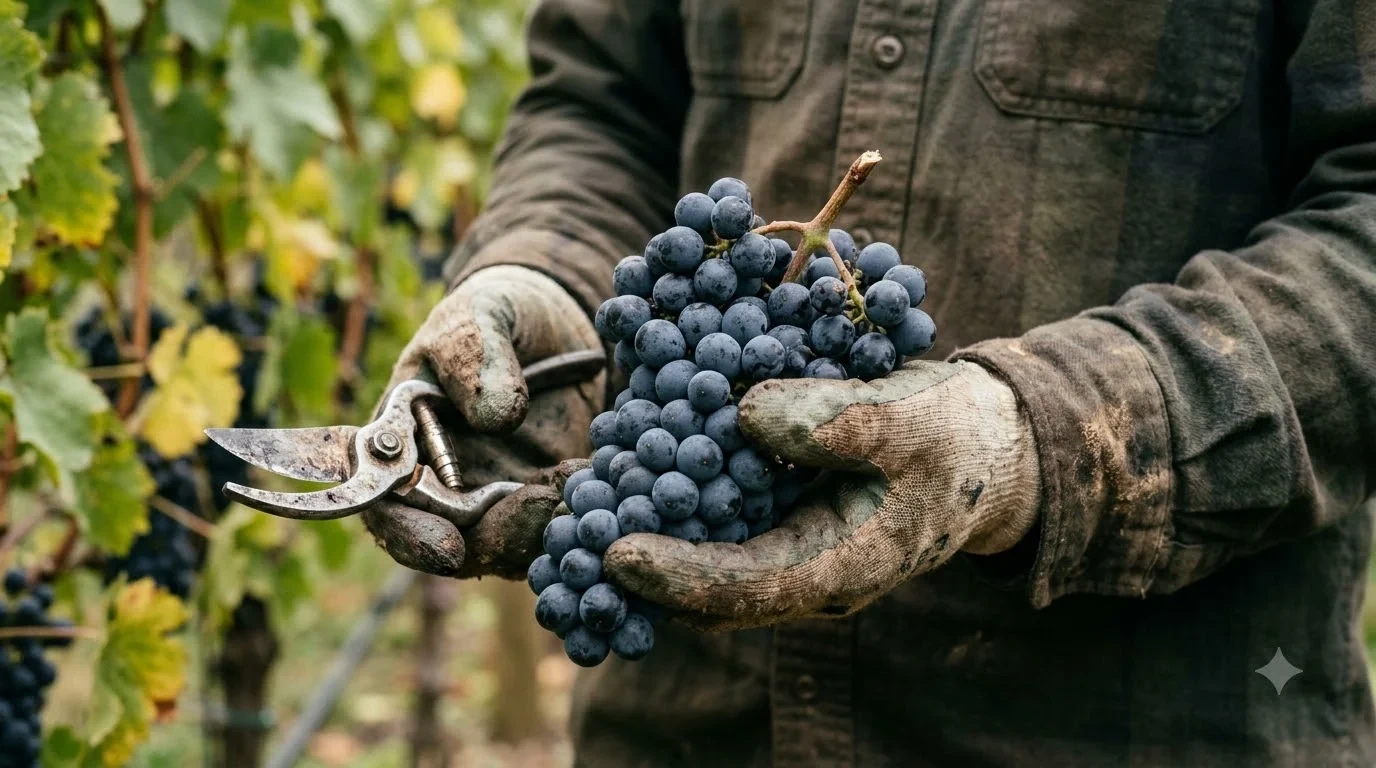
The chenin blanc grape is a white variety that comes from France’s Loire Valley and is valued for its high acidity and remarkable range, from bone-dry wines to sparkling and lusciously sweet ones. It is known as Steen in South Africa, where it is now planted more widely than anywhere else, and it also grows in California and Argentina. The grape’s honeyed, orchard-fruit character and its ability to age for years make it one of the most versatile white grapes in the world.
Chenin blanc is less familiar to many drinkers than chardonnay or sauvignon blanc, but it deserves a closer look. The grape can make wines that taste crisp and mineral, rich and creamy, or honeyed and sweet, depending on where it is grown and how the winemaker handles it. This guide covers where the grape comes from, how it grows, what its flavors are, and how to pick a bottle that suits you.
Where Chenin Blanc Comes From
Chenin blanc is generally traced to the Loire Valley in France, which the Wine Folly grape guide calls the birthplace of the grape. The name is thought to come from Mont Chenin, a site in the Loire. The grape has a long history in the valley, and some of the most acclaimed examples still come from the Anjou subregion, where it produces wines that range from bone-dry to honeyed and sweet.
From France the grape spread to other wine regions. In South Africa it is called Steen, and it became a central variety there over many decades. It also grows in parts of the United States, especially California, and in Argentina. Each of these regions gives the grape a different personality, which is one reason chenin blanc can be hard to pin down on a single tasting note.
How the Grape Grows
Chenin blanc is early to bud and mid-season to ripen, and it adapts to a wide range of soils. That flexibility helps explain why it is planted in such different places. The grape is known for its high levels of tartaric and malic acids, which give every style of chenin blanc a bright, refreshing backbone. That acidity is the thread that connects a crisp, dry bottle from a cool area to a rich, sweet wine from a warm one.
Growers have a choice to make about yield and ripeness. Lower yields and careful timing help the grape keep its freshness, while riper fruit produces softer, more tropical flavors. Because the grape is so adaptable, two vineyards a short distance apart can produce quite different wines, so the producer and the region matter as much as the grape itself.
The Flavors of Chenin Blanc
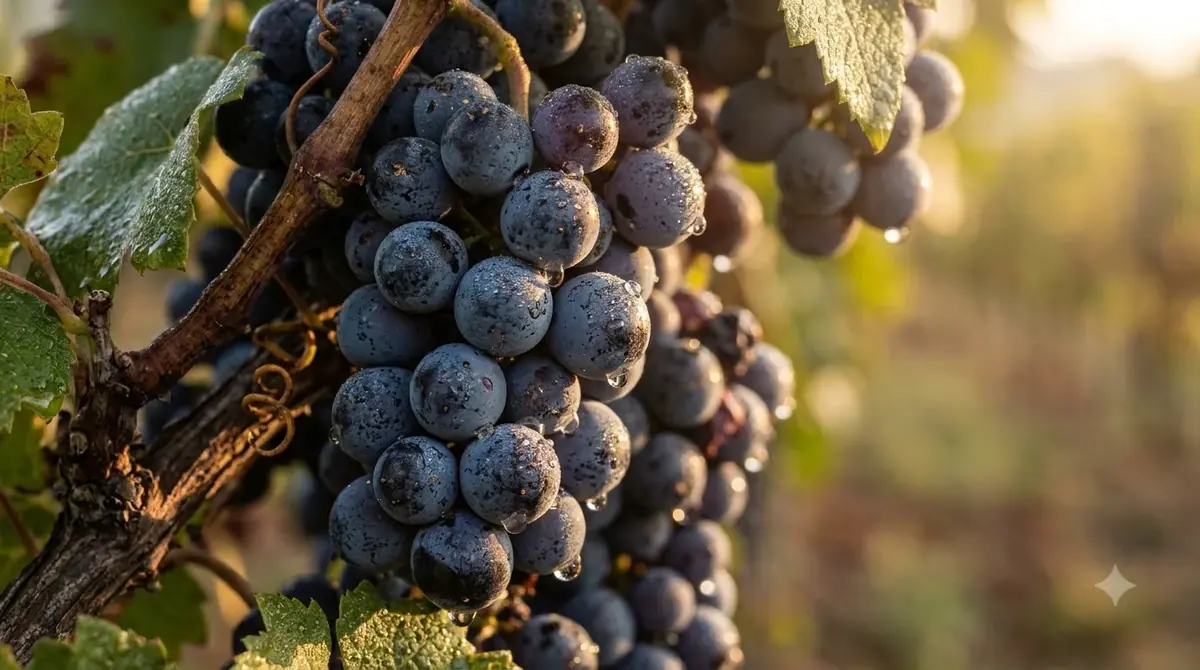
In a basic dry chenin blanc, the flavors are usually quince, yellow apple, pear, and chamomile, with a touch of honey. Many drinkers also notice a beeswax or honeyed aroma, which comes from the grape’s natural aromatic compounds. The body is medium-light in the simplest styles, but it can range from light to rich and creamy depending on the winemaking.
Wine Folly describes the flavor range in more detail, noting that late-harvest or noble-rot wines show pineapple, orange peel, apricot, and honeycomb. These dessert-style wines are one of the grape’s great strengths, because the acidity keeps them from tasting heavy. The producer’s notes on each bottle will tell you which side of that range you are buying.
| Style | Typical regions | Character |
|---|---|---|
| Dry, crisp | Cool areas such as Anjou and Elgin | Orchard fruit, citrus, high acidity |
| Dry, full | Swartland, Paarl, Stellenbosch | Riper fruit, richer texture |
| Sparkling | Crémant de Loire, Cap Classique | Fresh, bright, toasty when aged |
| Off-dry to sweet | Vouvray, Coteaux du Layon, Quarts de Chaume | Honey, apricot, high acidity balancing sweetness |
| Oaked | Stellenbosch, Franschhoek, Savennières | Baked apple, caramel, buttery notes |
The table shows how far the grape can stretch. A bottle labeled simply chenin blanc may be a light, fresh wine for a weeknight, or it may be a richer, oaked wine meant for a long dinner. Reading the region on the label gives you the best clue about the style.
Aging and Oak
Many chenin blancs age well. The best examples from the Loire and South Africa, especially the sweet wines, can keep for many years. Wine Folly gives a cellar life of ten years or more for these top bottles, and notes that Savennières can age for decades. High acidity is the main reason the wine keeps its freshness over time.
Oak is used in some styles, and it adds a different layer. Oaked chenin blanc shows baked apple, caramel, and buttery notes, and some producers also use malolactic fermentation and lees aging to add brioche, toast, and nutty flavors. These wines are usually served slightly warmer than the crisp, unoaked bottles.
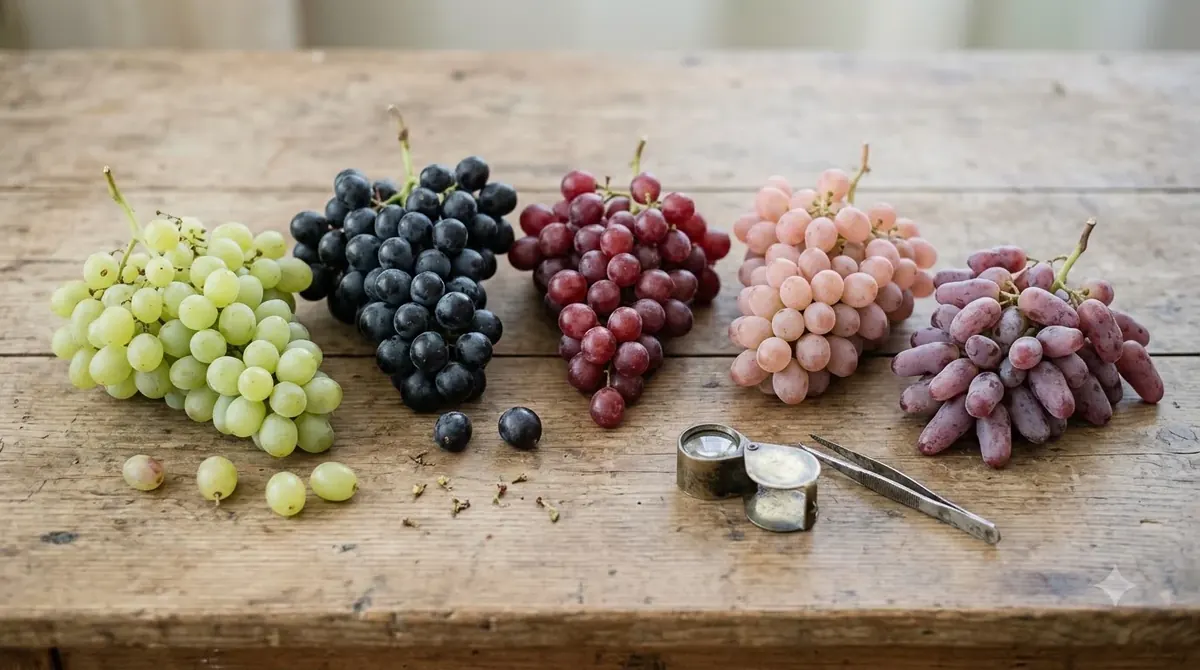
Tip: If you are not sure which style to buy, start with a dry, unoaked chenin from the Loire or a South African bottle labeled dry. You will get a clear sense of the grape’s acidity before moving on to richer or sweeter wines.
How to Serve Chenin Blanc
Serve most chenin blanc between 45 and 55 degrees Fahrenheit (7 to 12 degrees Celsius), in a standard white wine glass. Wine Folly notes that decanting is not needed. Dry and sparkling styles taste best cool and fresh, while oaked and sweet styles can be served a little warmer to show their fuller aromas.
Once opened, a dry bottle keeps well in the refrigerator for a few days, which is a practical point for households that do not finish a bottle in one evening. Sweet and sparkling styles can be kept for longer if they are corked and chilled, but the fizz in sparkling wine fades faster than the flavor of a still wine.
What to Eat With Chenin Blanc
Chenin blanc is a food-friendly wine because its acidity cleans the palate and its fruit lifts savory flavors. Dry Loire chenin pairs well with seafood pasta and salmon served with asparagus. South African chenin is a good match for chicken fricassée and other creamy, herb-rich dishes.
The grape is also at home with spicy food. Wine Folly suggests sweet-and-sour dishes, including many Southeast Asian recipes, where the wine’s fruit and acidity balance the heat. A sweeter style pairs well with pork belly served with apples, and a sparkling chenin makes a light aperitif with salted nuts or potato chips.
How to Choose a Chenin Blanc
Begin with the region. A Loire or Anjou bottle tends to be crisp and mineral, while a South African bottle is often riper and more generous. If the label says dry, you know the wine will not be sweet, but the richness can still vary, so the producer’s description is useful.
Next, decide what you want from the bottle. For a fresh white with a clean finish, choose a crisp dry style. For a dessert or a special occasion, look for a botrytis-affected wine, which tends to be sweet but balanced. If you enjoy the honeyed notes of a chenin but want a different texture, a sparkling version can be a good middle ground.
If you want to compare it with other white grapes, our guide to chenin blanc wine covers how the grape shows up on the shelf, and our page on pinot noir grape offers a useful red-wine contrast. Both help you place chenin among the grapes you already know.
Frequently Asked Questions
Is chenin blanc sweet or dry?
It can be either. Chenin blanc is made in dry, off-dry, sparkling, and sweet styles. The label, the region, and the producer’s description tell you which one you are buying.
Where is chenin blanc grown?
The grape comes from the Loire Valley in France and is widely planted in South Africa, where it is called Steen. It also grows in California and Argentina, among other places.
How long does chenin blanc age?
Many chenin blancs are best young, but the top Loire and South African wines, especially sweet ones, can keep for ten years or more. Savennières is noted for its long aging potential.
What does chenin blanc taste like?
A basic dry chenin often shows quince, yellow apple, pear, and honey. Richer or late-harvest styles can show apricot, pineapple, and honeycomb, with a fresh acidity that keeps the wine balanced.
Chenin blanc rewards curiosity. Once you know how the grape changes from region to region, the bottles on the shelf make more sense. For a wider view of styles, browse our guide to wine by type and compare chenin blanc with the other white grapes you enjoy.
More in Wine Types & Grapes
 Zinfandel Sugar Content: Dry Red vs. White Zinfandel GramsUpdated Nov 21, 2026
 Best Zinfandel Substitute Options for Sipping and CookingUpdated Nov 21, 2026
 Zweigelt Food Pairing: Best Dishes, Cheeses, and Serving TipsUpdated Nov 21, 2026
 Zinfandel Tannins Explained: How Structure Shapes Every BottleUpdated Nov 21, 2026
 Zinfandel Sweetness Level: Dry Red vs. Sweet White Zin ExplainedUpdated Nov 21, 2026
 Xinomavro Food Pairing: Best Dishes, Styles, and Serving TipsUpdated Nov 21, 2026