

We may earn a commission when you buy through links on this page, at no extra cost to you. Learn more.
Winc wine alcohol content typically ranges from approximately 12% to 15% ABV across documented bottle examples, although the exact percentage varies by wine, grape variety, and origin. For example, WINC Far + Wide Arinto from Portugal is listed at 12.5% ABV, while WINC Mendoza Cabernet Sauvignon is listed at 14.6% ABV. Checking the individual bottle’s alcohol percentage is the most reliable way to understand its strength because Winc does not have one fixed ABV for every wine.
Winc offers different wine styles, including red and white wines made with grapes from several growing regions. That variety creates noticeable differences in alcohol concentration, body, acidity, and flavor. Understanding these differences helps consumers compare bottles, choose wines for meals, and estimate how much alcohol is present in a serving. This guide examines documented Winc bottle percentages, explains why ABV varies, and provides practical tips for understanding wine labels and serving sizes.
Typical Alcohol Percentage Across Winc Wines
Winc does not have one universal alcohol percentage across its entire wine selection. Documented examples range from 12.5% to 14.6% ABV for the two individually verified bottles discussed here, while other listed Winc wines can fall outside that comparison.
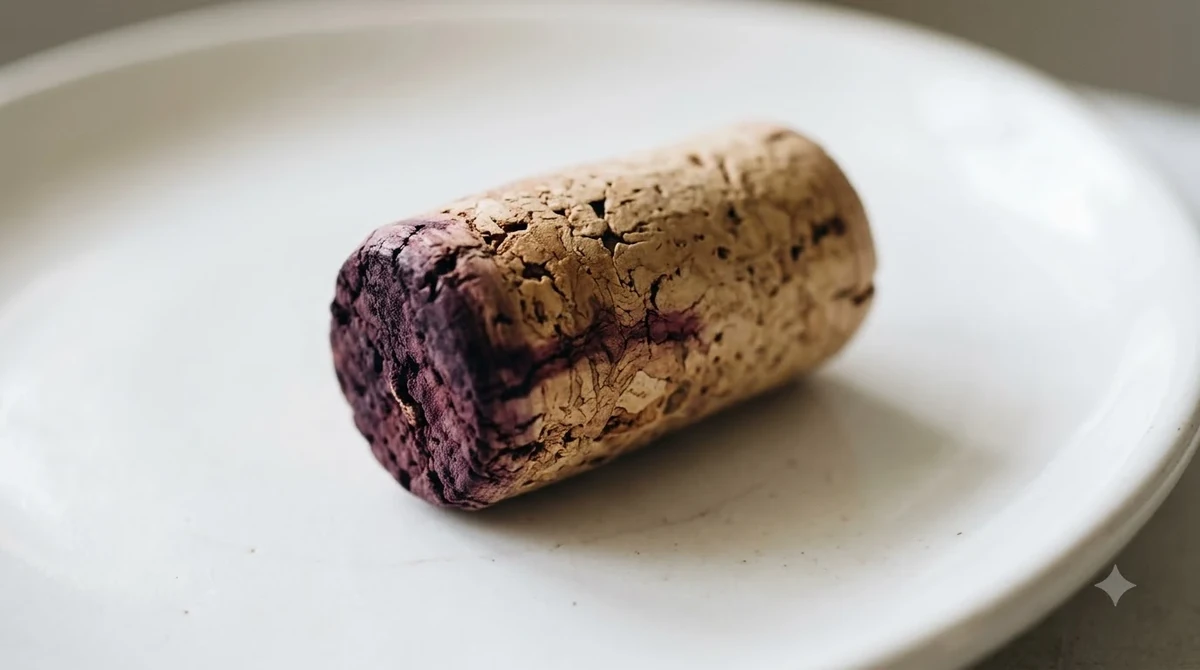
Alcohol by volume, commonly abbreviated as ABV, measures the proportion of a beverage’s volume that consists of pure alcohol. A wine labeled 12.5% ABV contains approximately 12.5 milliliters of pure alcohol in every 100 milliliters of wine. A wine labeled 14.6% ABV contains approximately 14.6 milliliters in the same volume.
Winc explains on its educational website that wines around 11% to 12% ABV generally have a lighter, easier-drinking character. Wines at 14% ABV or higher are described as stronger and bolder. These categories provide a useful starting point for understanding wine strength, although alcohol percentage alone does not determine quality, flavor, or body.
Two documented Winc bottles illustrate the variation:
- WINC Far + Wide Arinto: 12.5% ABV.
- WINC Mendoza Cabernet Sauvignon: 14.6% ABV.
The difference between these examples is 2.1 percentage points. The Arinto is a Portuguese white wine, while the Cabernet Sauvignon is a red wine from Mendoza, Argentina. Their different grape varieties and origins make them useful examples of how wines under the same brand name can have noticeably different alcohol concentrations.
These figures represent specific wine listings rather than permanent specifications for every Winc release. Different vintages, grape sources, and production decisions can result in different alcohol percentages. A general brand description should therefore never replace the ABV information associated with an individual bottle.
It is also useful to distinguish alcohol concentration from the overall impression of strength. A wine with high acidity can seem crisp and refreshing even when it contains considerable alcohol. A wine with a fuller texture may seem heavier without necessarily having the highest ABV.
Real Winc Bottle Examples and ABV Percentages
Individual wine listings provide a clearer picture of Winc’s alcohol content than a single brand-wide estimate. The two verified examples below show how different wine styles can have different alcohol percentages.
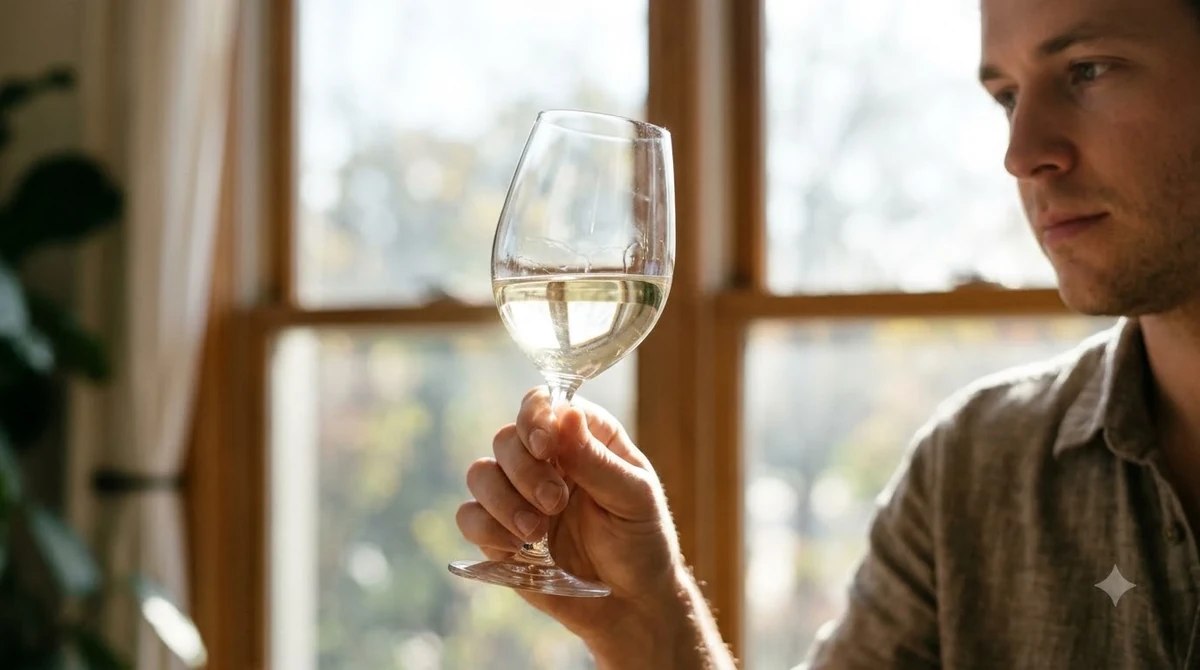
The following comparison identifies each wine’s grape or regional style alongside its listed alcohol percentage. The percentages are specific to these wine listings and should not be treated as universal figures for all Winc wines.
| Winc wine | Wine type or origin | ABV |
|---|---|---|
| Far + Wide Arinto | Portuguese white | 12.5% |
| Mendoza Cabernet Sauvignon | Mendoza, Argentina | 14.6% |
Far + Wide Arinto is the lower-alcohol example in this comparison. Its 12.5% ABV makes it a useful reference for consumers looking for a white wine with a moderate alcohol concentration. Arinto is a Portuguese grape variety, and this particular listing identifies the wine as a Portuguese white.
WINC Mendoza Cabernet Sauvignon has a higher listed alcohol percentage of 14.6% ABV. Cabernet Sauvignon is a structured red grape variety, and the Mendoza origin provides additional context for understanding the wine’s style. Its alcohol concentration is 2.1 percentage points higher than the Arinto example.
This comparison demonstrates why grape variety alone cannot establish a wine’s exact alcohol strength. Cabernet Sauvignon frequently produces wines with substantial body and structure, but individual bottles can vary according to growing conditions and production decisions.
The same principle applies to white wines. Not every white wine has a lower alcohol percentage than every red wine. Some white wines can have relatively high ABV, while certain red wines can be lighter and more moderate in alcohol.
When comparing other Winc bottles, it is useful to record the exact wine name, grape variety, region, and ABV together. This prevents confusion between different wines that share a producer name or broad style category.
Why Alcohol Levels Differ Between Winc Red and White Wines
Red and white wines can have different alcohol profiles because of grape ripeness, climate, harvest timing, and fermentation decisions. Winc’s documented examples show this variation, with Far + Wide Arinto at 12.5% ABV and Mendoza Cabernet Sauvignon at 14.6% ABV.
One of the most important factors is the amount of natural sugar in ripe grapes. During alcoholic fermentation, yeast converts fermentable grape sugars into alcohol and carbon dioxide. Grapes harvested with more sugar generally have greater potential to produce a wine with higher alcohol content if fermentation converts that additional sugar into alcohol.
Climate influences grape development. Warmer growing conditions can encourage ripening and sugar accumulation, while cooler conditions may help preserve acidity and produce grapes with lower potential alcohol. These are general tendencies rather than automatic outcomes because vineyard location, harvest decisions, and winemaking techniques also matter.
Red wine characteristics
Cabernet Sauvignon typically has high tannin, substantial structure, and a full-bodied profile. Tannins contribute a drying, gripping sensation in the mouth. They influence texture and structure but do not directly measure alcohol concentration.
WINC Mendoza Cabernet Sauvignon, listed at 14.6% ABV, is a useful example of a red wine with relatively high alcohol content. Its grape variety is associated with structured wines, although the exact balance of fruit, tannin, acidity, and alcohol depends on the particular wine.
Merlot generally has medium tannin and a softer texture than Cabernet Sauvignon. Its fruit-forward character can make it approachable, but that does not automatically mean a Merlot-based wine has less alcohol. A Merlot blend can still have a relatively high ABV depending on the grapes and production choices.
Syrah typically has medium-plus to high tannin and can produce dark-fruited, structured wines. Its contribution to a blend influences the wine’s flavor and mouthfeel, while the final ABV depends on the alcoholic strength of the finished wine.
White wine characteristics
Far + Wide Arinto provides a useful white-wine comparison. Its 12.5% ABV listing places it below the Mendoza Cabernet Sauvignon example. Arinto is a Portuguese variety often associated with fresh acidity and citrus-oriented white wine styles.
Sauvignon Blanc and Riesling are generally high-acidity white grapes. Their refreshing profiles can make wines seem lighter than richer styles, even though acidity and alcohol are separate characteristics.
Chardonnay generally has medium acidity and can range from lean and fresh to full-bodied and creamy. Fermentation decisions, climate, grape ripeness, and maturation can all influence its final alcohol concentration.
For a comparison with another familiar white wine, see our article about Black Box Pinot Grigio alcohol content. It provides additional context for understanding how alcohol percentages differ between wine producers and styles.
How Grape Variety and Wine Style Affect ABV
Grape variety influences the potential alcohol level and structure of a wine, but it does not establish a fixed ABV. The most useful approach is to consider grape characteristics alongside the actual bottle percentage, especially when comparing wines from different growing regions.
Cabernet Sauvignon, Merlot, Pinot Noir, Syrah, Sauvignon Blanc, Chardonnay, and Riesling all have distinct characteristics. These differences influence the wine’s structure, acidity, aromas, and texture, but the final alcohol concentration depends heavily on grape ripeness and fermentation.
Cabernet Sauvignon and structured reds
Cabernet Sauvignon is generally associated with high tannin and a firm structure. It often produces wines with dark-fruit flavors and a fuller mouthfeel. The WINC Mendoza Cabernet Sauvignon listing at 14.6% ABV provides a concrete example of this grape variety in a relatively strong red wine.
However, Cabernet Sauvignon does not always have the same alcohol percentage. Growing conditions in Mendoza can differ from those in other regions, and harvest decisions can influence grape sugar levels. This is why two Cabernet Sauvignon wines can have different ABV figures despite sharing the same primary grape variety.
Merlot generally has medium tannin and a softer profile. It can be approachable with roasted poultry, pasta with meat sauce, and moderately rich dishes. Pinot Noir usually has low-to-medium tannin and high acidity, making it suitable for roasted poultry, mushrooms, and lighter meat dishes.
Syrah often produces structured wines with medium-plus to high tannin. It can work well with grilled meat, roasted vegetables, and dishes containing herbs or pepper. Its structure is a separate consideration from its alcohol percentage.
White grapes and refreshing styles
Sauvignon Blanc and Riesling are known for high acidity. Their fresh profiles can complement foods with citrus, vinegar, and other acidic ingredients. A wine with sufficient acidity can maintain its freshness alongside a dish that might make a softer wine seem flat.
Chardonnay is more flexible in style. Some examples are light and crisp, while others are fuller and creamier. The grape variety does not guarantee a particular alcohol concentration because growing conditions and winemaking decisions influence the finished wine.
Arinto is a useful comparison because it offers a fresh Portuguese white-wine style. The Winc Far + Wide listing at 12.5% ABV demonstrates that a wine can have a moderate alcohol concentration while retaining a lively character.
For another familiar white-wine reference, our Kim Crawford Sauvignon Blanc alcohol content article provides additional context for comparing Sauvignon Blanc percentages across producers.
How to Read the Alcohol Percentage on a Winc Bottle
The ABV figure is the most direct way to determine the alcohol concentration of a Winc wine. It may appear as a percentage on the bottle or in the individual wine’s product information.
Winc’s educational explanation of wine labels identifies ABV as Alcohol By Volume and describes the difference between lower and higher alcohol percentages. Its guidance also distinguishes alcohol content from other wine characteristics, including dryness and tannin.
For a straightforward comparison, follow these steps:
- Find the alcohol statement. Look for a figure such as 12.5%, 13.5%, or 14.6% on the label or product description.
- Compare the same measurement. Make sure both wines display alcohol by volume rather than comparing unrelated measurements.
- Consider serving volume. A larger pour contains more alcohol than a smaller pour, even when both wines have identical ABV.
- Separate alcohol from sweetness. A dry wine can have high ABV, and a sweet wine can have a moderate ABV.
- Consider the wine style. Grape variety, acidity, tannin, and body influence the overall drinking experience independently of alcohol concentration.
The United States Alcohol and Tobacco Tax and Trade Bureau explains that wine alcohol statements express alcohol as a percentage by volume. Its official wine alcohol-content labeling guidance also explains where alcohol information can appear and the requirements for different wine categories.
One important labeling distinction concerns wines above 14% ABV. The TTB requires a numerical alcohol-content statement for these wines. For wines between 7% and 14% ABV, a numerical statement can be optional when the required table-wine or light-wine designation appears on the brand label.
This means consumers may encounter different label formats depending on the wine’s alcohol category. The absence of a prominent numerical figure does not automatically mean that the wine contains no alcohol or that its strength is unusually low.
It is also important to distinguish ABV from sweetness. Winc explains that dry wine means the wine is not sweet. This describes perceived sweetness rather than alcoholic strength. A dry Cabernet Sauvignon at 14.6% ABV and a dry white wine at 12.5% ABV can both be dry despite their different alcohol concentrations.
Tip: Compare the actual ABV percentages of two Winc bottles before choosing between them. A difference between 12.5% and 14.6% may appear small on a label, but the higher-percentage wine contains proportionally more alcohol in an equal-sized pour.
Another useful distinction is the difference between body and alcohol. A full-bodied Chardonnay may feel richer because of its texture and winemaking choices. A lighter-bodied wine can still have a relatively high alcohol percentage. Neither appearance nor mouthfeel is a dependable substitute for the ABV figure.
Tannins also contribute to the perception of wine strength. Cabernet Sauvignon generally has high tannin, while Merlot usually has medium tannin and Pinot Noir has low-to-medium tannin. These differences affect mouthfeel, but they do not directly indicate how much alcohol is present.
Alcohol Calculations, Serving Sizes, and Winc Wine
The alcohol concentration of a wine becomes easier to understand when converted into the amount of pure alcohol in a typical serving. A standard 5-ounce pour contains different quantities of alcohol depending on the bottle’s ABV.
For a simple estimate, multiply the serving volume by the ABV expressed as a decimal. A 5-ounce serving at 12.5% ABV contains approximately 0.625 fluid ounces of pure alcohol. The same pour at 14.6% ABV contains approximately 0.73 fluid ounces.
Here are the calculations for the two documented Winc examples:
| Wine | ABV | Pure alcohol in a 5 oz pour |
|---|---|---|
| Far + Wide Arinto | 12.5% | 0.625 oz |
| Mendoza Cabernet Sauvignon | 14.6% | 0.730 oz |
These calculations assume a full 5-ounce serving and use the listed ABV percentages. They demonstrate why two glasses of equal volume can contain different amounts of alcohol.
How many glasses are in a bottle?
A standard 750 ml wine bottle contains approximately 25.4 fluid ounces. At a typical 5-ounce serving size, that works out to approximately five glasses per bottle, with a small amount remaining.
The number of servings does not change according to the wine’s ABV. However, the total amount of alcohol in the bottle does change. A 750 ml bottle of 14.6% wine contains more pure alcohol than a 750 ml bottle of 12.5% wine.
For an approximate calculation, multiply the bottle volume by the alcohol percentage. A 750 ml bottle at 12.5% ABV contains approximately 93.75 ml of pure alcohol. A 750 ml bottle at 14.6% ABV contains approximately 109.5 ml.
Why pour size matters
A 5-ounce serving is a useful standard for comparisons, but actual pours vary. A restaurant glass, home wine glass, and tasting pour may all contain different volumes. The amount of alcohol in a serving therefore depends on both the wine’s percentage and the amount poured.
Two wines with identical ABV contain the same quantity of alcohol in equal-sized servings. Conversely, a larger glass of a lower-ABV wine can contain more alcohol than a smaller glass of a higher-ABV wine.
When comparing Winc wines, keeping the serving size consistent makes the difference between percentages easier to understand. It also prevents confusion between alcohol concentration and the total volume of wine being poured.
Choosing and Serving Winc Wines by Alcohol Strength
Choosing a Winc wine based on alcohol strength involves more than selecting the lowest or highest number. The wine’s style, acidity, tannins, food pairing, and preferred serving temperature all influence the overall experience.
For someone looking for a moderate alcohol profile among the documented examples, Far + Wide Arinto at 12.5% ABV is a useful starting point. Those who prefer a structured red wine can consider the Mendoza Cabernet Sauvignon at 14.6% ABV as a comparison.
Matching wine with food
Food pairing can change how a wine tastes. Its alcohol concentration remains the same, but sweetness, acidity, tannin, and richness influence the overall impression of a meal.
High-acidity white wines such as Sauvignon Blanc and Riesling work particularly well with acidic foods because the wine and food can maintain a similar level of freshness. Arinto can also be a useful choice with seafood, shellfish, and lighter dishes.
Structured red wines such as Cabernet Sauvignon generally work better with rich foods containing protein and fat. Salt and fat soften the perception of tannin, making a structured red more comfortable alongside dishes such as grilled beef or lamb.
Merlot, with its medium tannin and softer texture, can work well with roasted poultry, meat-based pasta, and moderately rich dishes. Pinot Noir generally has lower-to-medium tannin and high acidity, making it a useful option with mushrooms, roasted poultry, and lighter meat dishes.
Spicy food requires additional consideration. Alcohol and tannin can intensify the perception of chili heat, so a high-alcohol Cabernet Sauvignon may not be the easiest match for a very spicy dish. A wine with refreshing acidity or some sweetness may provide a better balance.
Serving temperatures
Serving temperature influences how alcohol and other characteristics are perceived. Wine served too warm may seem heavier, while excessively cold wine can hide some of its aromas and flavors.
- Light whites and rosé: 45–50°F.
- Full-bodied whites: 50–55°F.
- Light reds: 55–60°F.
- Full-bodied reds: 60–65°F.
- Sweet whites: 43–50°F.
- Sparkling wines: 40–50°F.
For a bottle such as Far + Wide Arinto, a temperature around 45–50°F can help preserve its fresh white-wine character. A fuller Cabernet Sauvignon can be served around 60–65°F to allow its aromas and structure to show more clearly.
Storage also matters. Wine bottles are generally best stored on their sides in a cool environment near 55°F, away from direct sunlight and significant temperature changes. Young, full-bodied red wines can benefit from approximately 30–60 minutes of decanting before serving.
For additional brand comparisons, our Cavit Pinot Grigio alcohol content article offers another reference for evaluating white wine percentages. Readers interested in other producers and wine styles can also explore our broader Wine Brands collection.
Frequently Asked Questions
Does Winc produce organic wines with different alcohol percentages?
Yes, organic certification and alcohol percentage describe different aspects of wine production. Organic certification concerns grape-growing and permitted production practices, while ABV measures the alcohol concentration in the finished wine. An organic wine can therefore have either a moderate or relatively high alcohol percentage.
Does wine alcohol percentage have to be identical across different bottle sizes?
ABV is a concentration measurement, so the percentage remains the same regardless of bottle size when the wine itself is identical. A 375 ml bottle and a 750 ml bottle of wine labeled 14% ABV have the same alcohol concentration. The larger bottle simply contains twice the total volume of wine and approximately twice the total amount of alcohol.
Can two wines made from the same grape have different alcohol levels?
Yes. Cabernet Sauvignon grown in Mendoza and Cabernet Sauvignon grown in another region can have different alcohol concentrations because of growing conditions, grape ripeness, harvest decisions, and fermentation. Even two bottles from the same producer can have different ABV figures if their grapes and production methods differ.
Does fermentation always convert all grape sugar into alcohol?
No. Fermentation can stop before all fermentable sugar has been converted, leaving residual sugar in the finished wine. Winemakers can produce dry, off-dry, or sweet wines through different fermentation and production decisions. This is one reason sweetness and ABV should be evaluated separately.
What does the difference between 12.5% and 14.6% ABV mean in a wine bottle?
The difference is 2.1 percentage points of alcohol by volume. In a 750 ml bottle, the 12.5% wine contains approximately 93.75 ml of pure alcohol, while the 14.6% wine contains approximately 109.5 ml. That represents a difference of approximately 15.75 ml of pure alcohol across the same bottle volume.
Winc wine alcohol content varies by individual bottle, and the documented Far + Wide Arinto and Mendoza Cabernet Sauvignon examples demonstrate the difference between a moderate-strength white and a stronger red. Comparing the actual ABV, serving size, grape variety, and wine style provides a clearer understanding of each bottle. Whether choosing a refreshing Portuguese white or a structured Argentine red, the alcohol percentage is a practical starting point for making an informed wine selection.
More in Wine Brands
 Underwood Wine Price: Compare Bottles, Cans, and Pack SizesUpdated Nov 21, 2026
 Zenato Wine Price: Compare Styles and Choose the Right BottleUpdated Nov 21, 2026
 Zuccardi Wine Price: Compare Bottles and Find the Right RangeUpdated Nov 21, 2026
 Yellow Tail Moscato Review: Taste, Sweetness and Serving TipsUpdated Nov 21, 2026
 Wolf Blass Yellow Label Review: Choose Your Best StyleUpdated Nov 21, 2026
 Wolffer Estate Rose Review: Choose the Right Bottle for Your TableUpdated Nov 21, 2026