


We may earn a commission when you buy through links on this page, at no extra cost to you. Learn more.
Sherry tasting notes span a remarkably wide spectrum, moving from bone-dry, briny, and almond-laced in pale biological styles to deeply nutty, toasted, and dried-fruit rich in darker oxidative expressions. Unlike table wines defined primarily by fresh orchard or berry fruit, sherry expresses savory notes of saline, green olive, roasted hazelnut, walnut, fig, and cacao. The exact flavor profile depends on whether the wine matures beneath a protective layer of natural yeast called flor or ages through direct contact with oxygen in oak casks.
Many shoppers expect every bottle of sherry to taste sweet and syrupy, yet the vast majority of traditional Spanish sherry is completely dry. Understanding how winemaking choices shape aroma, color, and body makes it easy to predict what is inside the bottle before pulling the cork.
What Is Sherry?
Sherry is a fortified white wine produced exclusively in the sunny region of Andalucía in southern Spain. Winemakers craft it primarily from the neutral-tasting Palomino grape, using fractional blending and controlled aging to build extraordinary aromatic complexity.
Production begins like any still white wine, with harvested grapes fermented completely dry into a crisp base wine. Winemakers then fortify the wine with distilled grape spirit, raising the alcohol by volume to between 15% and 22% depending on the intended style. Recent updates to regional regulations also allow unfortified sherries when warm growing conditions naturally push base alcohol levels to the 15% minimum.
Once fortified, the wine enters the solera system, a fractional blending method that stacks rows of American oak barrels from youngest on top to oldest on the bottom. Each year, bottlers draw a portion from the oldest casks and top them up with wine from the row above, blending dozens of vintages together. If you are exploring Wine by Type, sherry stands apart because cellar aging rather than single-vintage fruit drives its signature character.
Flavor and Styles of Sherry
Sherry divides into dry styles made from Palomino, naturally sweet styles made from sun-dried grapes, and blended styles that combine both. Your glass will show either sharp coastal freshness or warm roasted depth depending on how the cellar team manages oxygen.
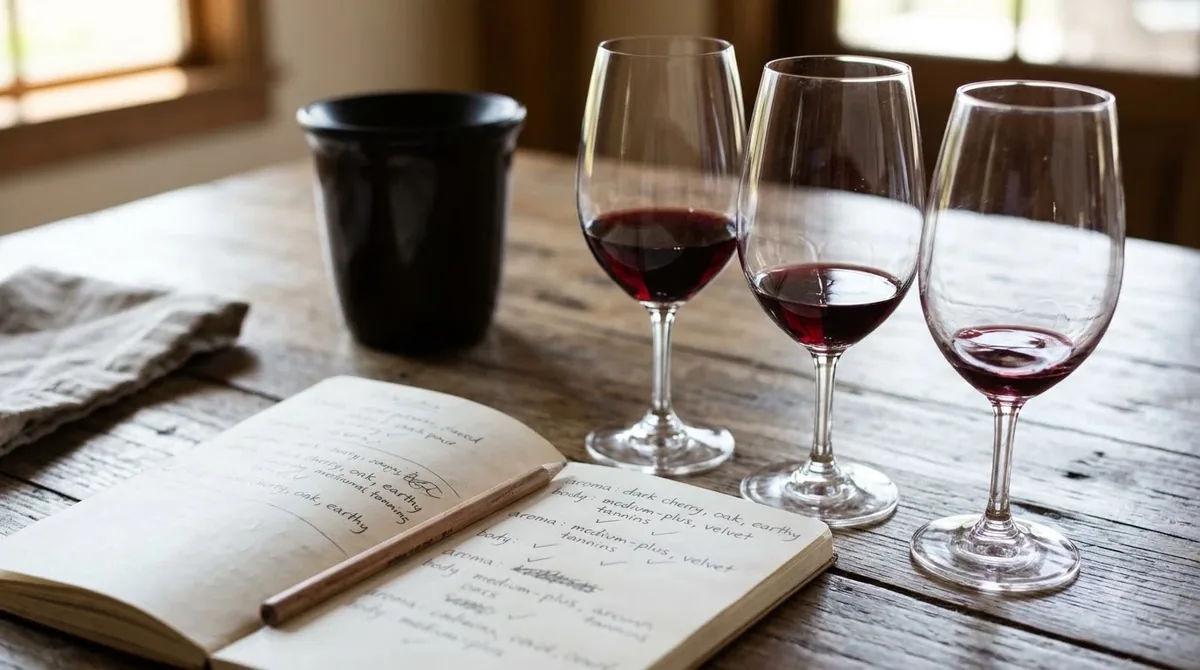
Biological aging happens when winemakers fortify the base wine to roughly 15% ABV, an alcohol level that allows a living veil of indigenous yeast called flor to bloom across the wine’s surface. As noted in Wine Folly’s guide to dry sherry, flor shields the liquid from air while consuming glycerol and leaving behind tangy, saline, and bready flavors.
Oxidative aging occurs when winemakers fortify the young wine to 17% ABV or higher, preventing flor from surviving. Exposed directly to air inside porous oak barrels, the wine slowly evaporates and concentrates, turning amber or mahogany while developing aromas of toasted walnuts, leather, dried figs, and warm spice. Intermediate styles like Amontillado and Palo Cortado begin life under flor before losing their yeast veil and finishing oxidatively.
| Sherry Style | Sweetness | Color | Core Tasting Notes | Typical ABV |
|---|---|---|---|---|
| Manzanilla | Bone dry | Pale straw | Sea spray, chamomile, green olive, blanched almond | 15% |
| Fino | Bone dry | Pale gold | Fresh bread dough, preserved lemon, saline, raw almond | 15% |
| Amontillado | Dry | Amber | Toasted hazelnut, dried orange peel, herbs, subtle brine | 17%–18% |
| Palo Cortado | Dry | Chestnut amber | Bitter orange, roasted chestnut, polished wood, butterscotch | 17%–20% |
| Oloroso | Dry | Deep mahogany | Walnut, dark caramel, leather, clove, dried fig | 17%–22% |
| Cream | Sweet | Dark amber | Raisin, toffee, baked apple, roasted nuts | 17.5%–20% |
| Pedro Ximénez (PX) | Lusciously sweet | Ebony brown | Molasses, dark fig, prune, espresso, cacao | 15%–17% |
Comparing fino sherry tasting notes with Manzanilla highlights how subtle cellar differences shape flavor. Both wines are bone dry and pale, yet Manzanilla ages solely in the coastal town of Sanlúcar de Barrameda, giving it a lighter, sharper, and more oceanic edge than Fino matured further inland.
Where Sherry Grows
Authentic sherry comes only from the Sherry Triangle in southwestern Spain’s Cádiz province. This coastal zone sits between the Atlantic Ocean and the Guadalquivir and Guadalete rivers, creating a warm climate tempered by humid sea breezes.
The historic production triangle connects three towns: Jerez de la Frontera, El Puerto de Santa María, and Sanlúcar de Barrameda. Each town holds a distinct microclimate that influences how thick the flor grows inside the bodegas, with Sanlúcar’s river-mouth humidity supporting year-round yeast activity and Jerez’s warmer inland air encouraging slightly richer, fuller styles.
Vineyards across the region rely on albariza, a brilliant white, chalk-rich soil formed from ancient marine fossils. Albariza absorbs heavy winter rains and bakes into a hard crust during dry Andalusian summers, trapping moisture deep underground so Palomino, Pedro Ximénez, and Moscatel vines thrive without irrigation.
How to Serve Sherry
Serving sherry properly requires chilling the bottle and pouring modest portions into stemmed glassware. Treating sherry like a warm cabinet spirit dulls its aromatics and makes the alcohol taste overly sharp.
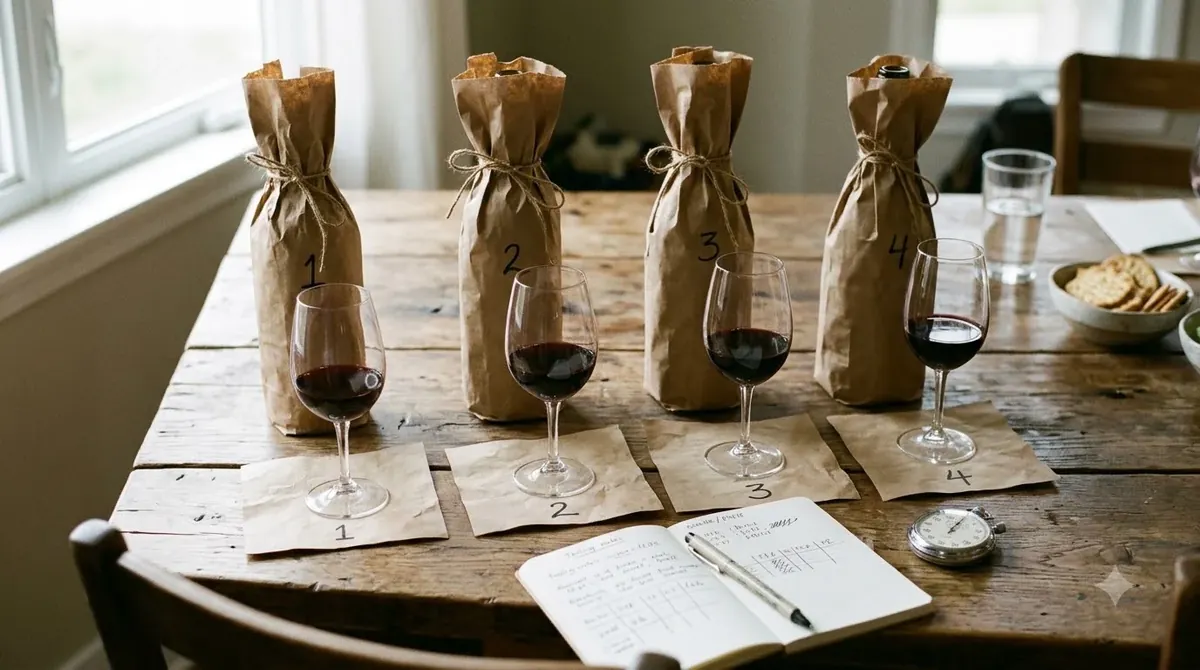
Temperature depends directly on how much oxidation the wine has experienced. Serve Manzanilla and Fino straight from the refrigerator at 40°F to 48°F so their crisp acidity and briny freshness stay lively. Pour Amontillado, Palo Cortado, Oloroso, and sweet Pedro Ximénez slightly warmer, around 50°F to 60°F, to let their nutty and dried-fruit aromas open in the glass. As the Consejo Regulador’s sherry tasting guide points out, serving any style at warm room temperature leaves the wine feeling unbalanced and pungent.
Skip tiny, thimble-sized sherry glasses, which trap aromas and restrict swirling. A standard white wine glass or a tulip-shaped tasting glass filled halfway gives volatile aromatics plenty of room to gather. Aim for three-ounce pours rather than full six-ounce dinner pours, since sherry carries higher alcohol and intense flavor concentration.
Tip: Store open bottles of sherry upright in the refrigerator with the cork tightly sealed—Fino and Manzanilla stay fresh for about a week, while Oloroso and Pedro Ximénez hold their flavor for four to eight weeks.
Food Pairing with Sherry
Sherry is one of the most adaptable food wines on the table because its high acidity, low fruitiness, and savory umami notes bridge ingredients that clash with standard table wines. Matching the weight and intensity of the dish to the oxidative depth of the wine keeps both in balance.
Light, salty Manzanilla and Fino cut straight through rich, briny, and fried foods. Pair them with raw oysters, fried calamari, green olives, salted Marcona almonds, sushi, or crisp potato chips. Their sharp acidity cleanses the palate between bites while echoing the natural salinity of shellfish.
Amber and mahogany styles handle earthy, roasted, and slow-cooked dishes with ease. Amontillado and Palo Cortado shine alongside sautéed wild mushrooms, roasted poultry, aged Manchego cheese, and broth-based soups. Full-bodied Oloroso pairs naturally with braised short ribs, game meats, and aged hard cheeses, much like the savory depth found in grenache tasting notes or structured reds explored in petit verdot tasting notes. Save velvety Pedro Ximénez for blue cheese, dark chocolate desserts, or poured directly over vanilla ice cream.
How to Choose a Bottle
Reading a sherry label becomes straightforward once you know how producers classify sweetness and age. Checking three details on the front label prevents accidentally buying a dessert wine when you want a dry aperitif.
Start by confirming the style name in bold type. Bottles labeled Fino, Manzanilla, Amontillado, Palo Cortado, or Oloroso are dry unless the label explicitly adds words like Pale Cream, Medium, or Cream. Bottles labeled Pedro Ximénez or Moscatel are made from sun-dried grapes and will always be richly sweet.
Look next for bottling style and age classifications. The term “En Rama” means the wine was bottled straight from the cask with minimal filtration, preserving fuller texture and vivid yeast aromas. For older, rarer selections, official age seals mark extended solera maturation: VOS indicates an average age of more than 20 years, while VORS signifies an average age exceeding 30 years.
Frequently Asked Questions
Is all sherry sweet?
No, most traditional Spanish sherry is completely dry. Styles like Manzanilla, Fino, Amontillado, Palo Cortado, and Oloroso contain almost zero residual sugar, while sweetness appears only in naturally sweet grape styles like Pedro Ximénez or blended Cream sherries.
Does sherry go bad after you open the bottle?
Yes, sherry oxidizes after opening, though much more slowly than unfortified table wine. Refrigerated Fino and Manzanilla taste freshest within one week, Amontillado lasts two to three weeks, and Oloroso or Pedro Ximénez remain delicious for up to two months.
Can you substitute cooking sherry for drinking sherry?
No, supermarket cooking sherry is low-grade wine loaded with added salt and preservatives that make it undrinkable. Always cook with a real, drinkable dry sherry such as Fino, Amontillado, or Oloroso so your pan sauces gain clean acidity and authentic nutty depth.
Why does dry sherry taste salty or nutty instead of fruity?
During aging, the flor yeast veil consumes glycerol and creates compounds called acetaldehydes, producing crisp flavors of sea brine, green olive, and fresh almond. Styles aged without flor slowly oxidize in oak barrels, transforming their profile into roasted hazelnut, walnut, and warm spice.
Exploring sherry tasting notes opens up an entire spectrum of savory, complex wines that bridge the gap between crisp whites, structured reds, and aged spirits. Once you match the style’s level of oxidation and chill temperature to the food on your table, every pour delivers remarkable character.
More in Wine Types & Grapes
 What Does Ruby Port Taste Like? Flavor Notes, Styles, and Serving TipsUpdated Nov 21, 2026
 What Does Ribolla Gialla Taste Like? Crisp White and Amber Styles ExplainedUpdated Nov 21, 2026
 What Does Semillon Taste Like? Flavor Profile, Styles & PairingsUpdated Nov 21, 2026
 What Does Scuppernong Taste Like? Flavor, Styles, and Pairing GuideUpdated Nov 21, 2026
 What Does Saperavi Taste Like? Flavors, Styles, and Pairing GuideUpdated Nov 21, 2026
 What Does Natural Wine Taste Like? Flavors, Styles, and Serving TipsUpdated Nov 21, 2026